
Operations · Engineering · Trends
Hands-on playbooks, product updates and cross-border insights from the CCloudPhone team.

Price Monitoring Data Collection Rate-Limited! A Cloud Phone + Dynamic Proxy Distributed Collection Solution
Getting rate-limited every time your price monitoring jobs run? This article breaks down the three bottlenecks of single-machine collection and presents a distributed solution built on cloud phones and dynamic proxies: a fleet of independent cloud phone environments shares the workload, rotating proxy IPs disperse requests, and a central scheduler dispatches tasks and aggregates results. You will find a side-by-side comparison with traditional scraping, a four-step implementation guide with sample pseudocode, compliance reminders, and answers to frequently asked questions — everything you need to keep price data flowing steadily.
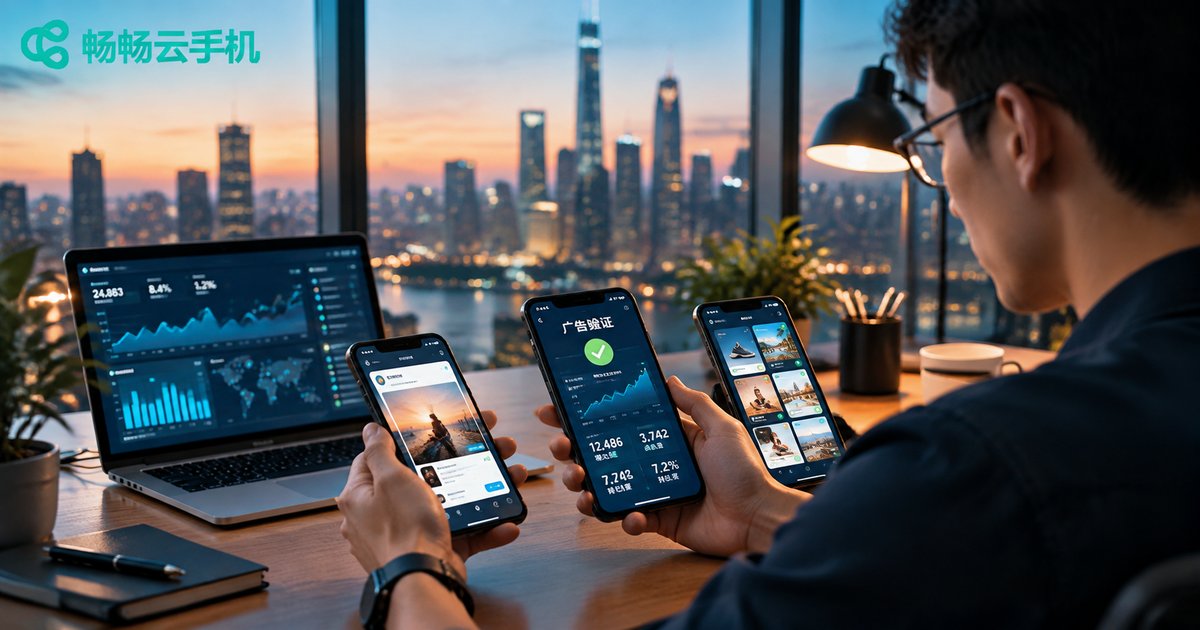
How Ad Verification Simulates Real User Behavior: Cloud Phone + Multi-Region IP Testing
Once your ads go live, do creatives display correctly, do landing pages load fast in every region, and is geo-targeting hitting the right audience? Physical device farms are expensive, PC emulators are easily detected, and single-location testing tells only part of the story. This article breaks down the three dimensions ad platforms use to flag abnormal traffic — device fingerprint, network environment and behavior patterns — and presents a practical cloud phone + multi-region IP testing solution. Real cloud Android environments ensure device authenticity, while multi-region network exits verify geo-targeted delivery. A five-step workflow helps you build a repeatable verification process, making every check look like a genuine user visit, so media teams catch issues early and protect every dollar of ad spend.
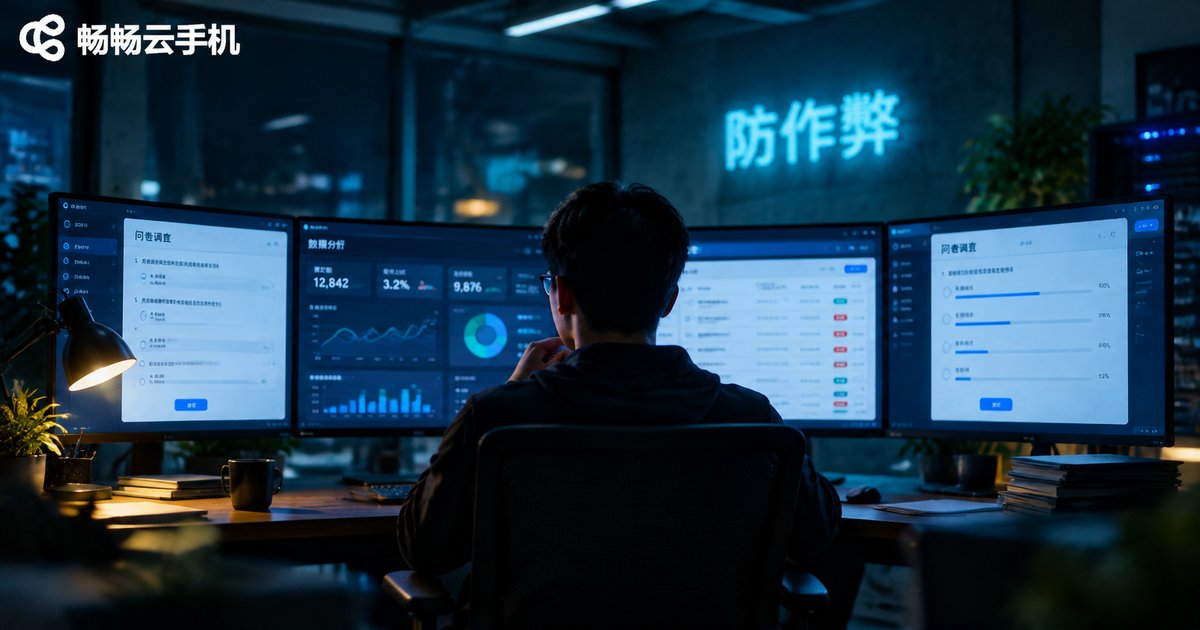
How to Prevent Cheating in Bulk Survey Filling? Cloud Phone, IP Isolation & Fingerprint Spoofing Techniques
Bulk filling is eroding the value of survey data: fraudsters mass-produce device environments with cloud phones, separate accounts with IP isolation, and dodge detection with fingerprint spoofing. Written from the platform's perspective, this article breaks down how the cheat toolkit works and where it leaves traces. It maps five detection dimensions—device fingerprint, IP quality, behavior, account linkage and answer quality—lays out a four-layer defense covering registration, filling, network and payout, and shows how research teams can use cloud phones such as ccloudphone to red-team their own systems before fraudsters do. Compliance notes included.
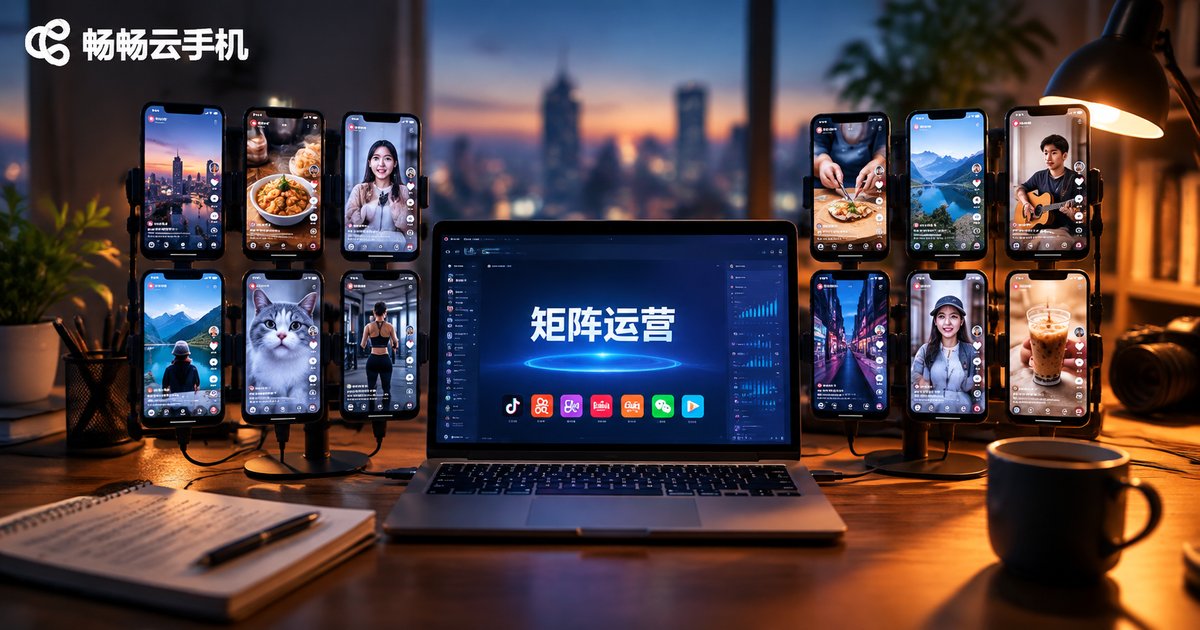
Essential Guide: Cloud Phone Batch Publishing + Multi-Account Content Distribution for Short Video Matrix Operations
Want to run a short video matrix without drowning in device costs and repetitive manual work? This guide shows how to use cloud phones for batch publishing and multi-account content distribution. Learn a four-step workflow—account grouping, asset library building, scheduled batch publishing, and data review—plus three distribution strategies: content differentiation, staggered posting times, and cross-account engagement. We also compare physical device setups with cloud phone solutions and explain why ccloudphone is a reliable choice for matrix operations, from solo creators to large teams.
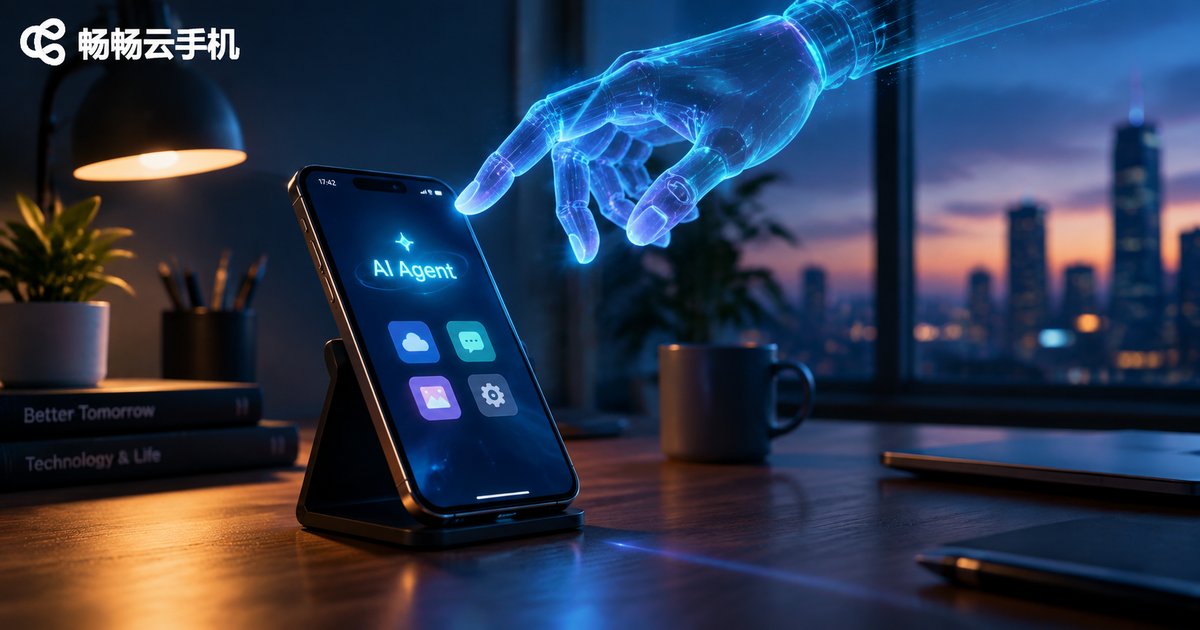
What Can LLM-Powered Cloud Phones Do? AI Agents Automatically Operate Apps to Complete Complex Tasks
When a large language model is connected to a cloud phone, an AI Agent gains both a brain and a body: the LLM understands your instructions, breaks them into steps, and reads the screen, while the cloud phone taps, swipes, and types inside real apps. This article explains how the loop works, explores six practical scenarios including social media operations, e-commerce, gaming dailies, monitoring, app testing, and personal productivity, and compares the approach with traditional macro scripts and physical phone farms, so you can quickly build your own AI automation workflow on the cloud.

How Digital Human Livestreaming Runs 24 Hours Non-Stop: Cloud Phone + AI Solution Revealed
To keep a digital human livestream running 24 hours non-stop, the bottleneck is usually not the AI but the device carrying the stream. This article breaks down the pain points of physical phone setups—overheating, network drops, and hard-to-scale management—and explains how a cloud phone becomes the perpetual engine for livestreaming with stable cloud operation, multi-instance bulk control, and environment isolation. You will also learn how AI powers avatar generation, script writing, smart interaction, and data review, plus a five-step guide to building a 24-hour digital human livestream room with ChangChang Cloud Phone (ccloudphone), ending with practical FAQ answers.
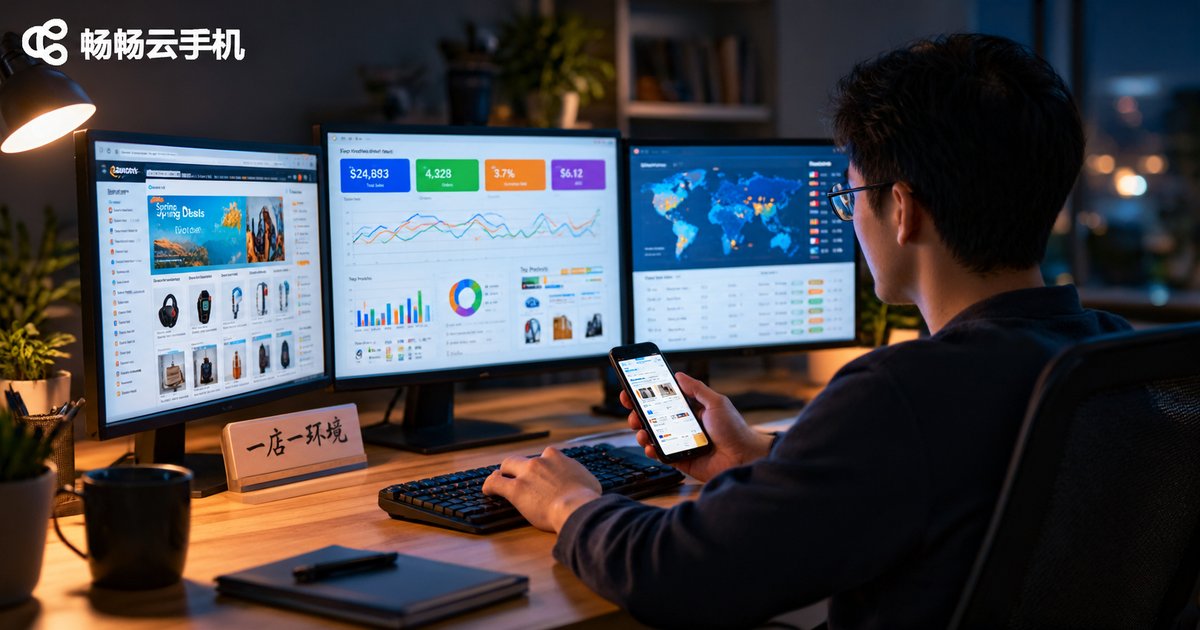
How to Manage Multiple TikTok Shop Stores: Cloud Phone + Independent IP Anti-Association Guide
Running multiple TikTok Shop stores? The biggest hidden risk is account association—platforms link your stores together and ban them as a group. This guide breaks down the three signals platforms track: device fingerprints, IP addresses, and behavior patterns. It compares three common setups—multi-account switching, one-store-one-phone, and cloud phones with independent IPs—then walks you through a practical five-step workflow to build an isolated environment for every store. You will also learn why cloud phones outperform emulators, how to configure IPs in the right order, and which daily operational details keep your stores from being linked, so you can standardize one store, one environment across your team and scale safely.

Cloud Phone + AI Agent App Automation: New Mobile Automation Workflows Driven by Large Models
Large language models now give AI Agents the ability to read phone screens and make decisions like a human, while cloud phones provide the ideal host environment: always online, elastically scalable, and fully isolated. This article breaks down the perceive-reason-act loop behind AI Agents operating mobile apps, compares cloud phones with physical devices, and shares four practical playbooks covering daily task delegation, content matrix operations, game idle farming, and automated app testing. A minimal Python code example is included, along with an introduction to ChangChang Cloud Phone (ccloudphone) as a stable 24/7 platform for putting mobile automation into production.

What Technology Powers Cloud Phones? Virtualization and ARM Architecture Explained
A cloud phone is not an app on your device — it is a complete Android system running on ARM servers in a remote data center. This article explains its two core technologies in plain language: how virtualization slices one powerful server into many isolated virtual phones, and how the ARM architecture lets Android run natively in the cloud without instruction translation. You will also follow the complete journey of a single tap, see a side-by-side comparison of cloud phones, physical phones and PC emulators, and get clear answers to frequently asked questions.
Cloud Phone vs Cloud PC: Understanding the Essential Differences
Cloud phones and cloud PCs sound similar, but they are fundamentally different products. A cloud phone is an Android system running on remote servers, built for mobile gaming, multi-instance management, and 24/7 app automation. A cloud PC is a Windows desktop in the cloud, designed for office work, design, rendering, and PC games. This article breaks down the essential differences across four dimensions: operating system, hardware architecture, use cases, and control methods, and ends with a practical decision guide to help you choose the right tool for what you actually need to run.
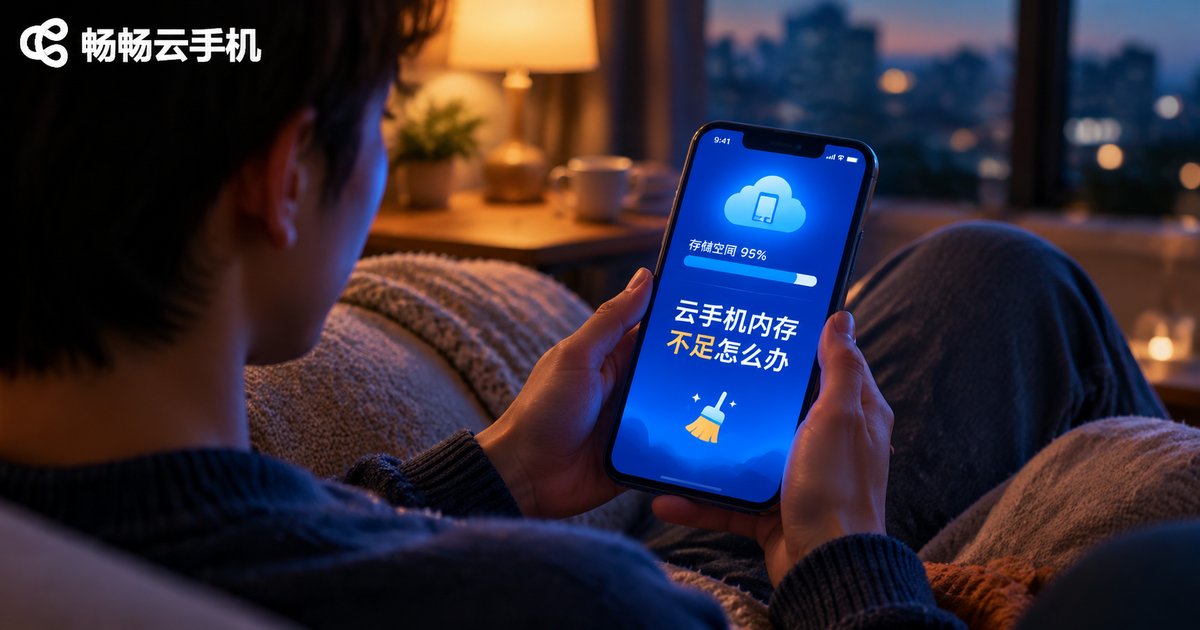
What to Do When Your Cloud Phone Runs Out of Memory? A Practical Cleanup and Expansion Guide
When your cloud phone warns that memory is full, do not rush to replace it. First work out whether you are short on running memory (RAM) or storage space (ROM): lag and crashes usually point to RAM, while failing to install apps points to storage. This guide walks you through five practical cleanup techniques — uninstalling unused apps, clearing caches, emptying download folders, purging game resource packs, and running one-tap system cleanup — then explains how to expand capacity by upgrading your cloud phone configuration on demand. You will also find a comparison table, three prevention habits, and answers to frequently asked questions, so your cloud phone stays fast and clutter-free. Services like ChangChang Cloud Phone (ccloudphone) offer flexible configurations that solve storage anxiety at the root.
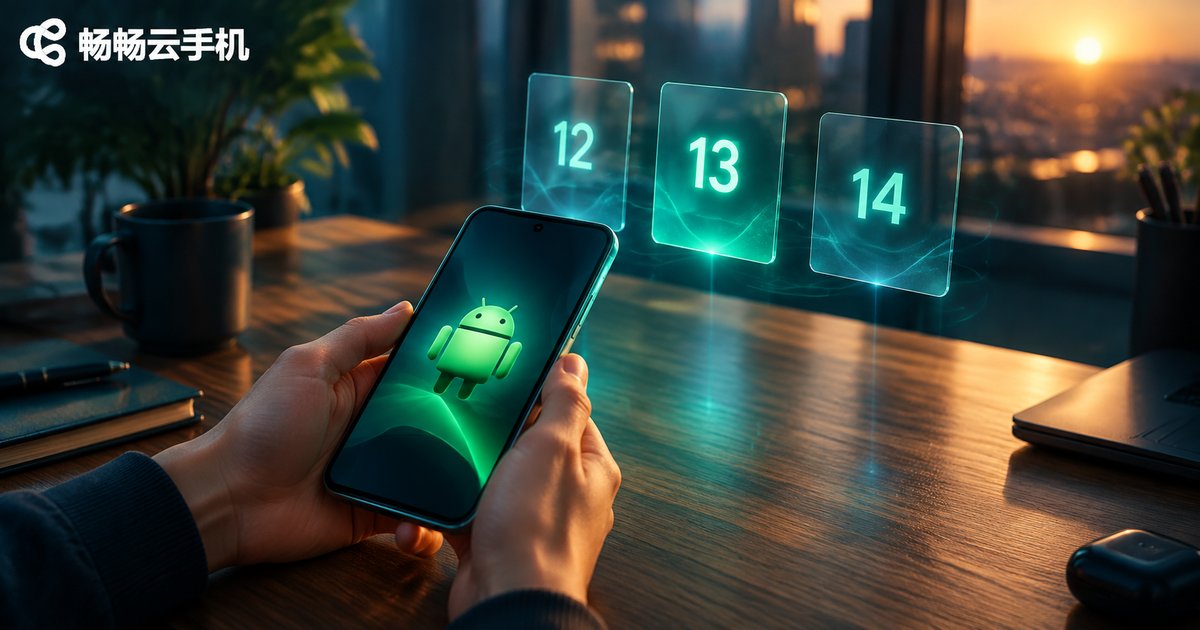
How to Choose a Cloud Phone System Version: Android 12 vs 13 vs 14 Compatibility Comparison
When it comes to cloud phones, newer is not always better. Android 12 wins on stability and low resource usage, making it ideal for idle farming and older games. Android 13 balances compatibility and stability, making it the safest mainstream choice. Android 14 is the future-ready platform with the best support for new games and apps. This guide compares all three versions in a clear table covering legacy game compatibility, new app support, stability, and resource usage, then matches each version to real-world scenarios such as multi-account idle farming, everyday gaming, and early adoption of new releases, so you can pick the right system version on CCloudPhone with confidence.