
Operations · Engineering · Trends
Hands-on playbooks, product updates and cross-border insights from the CCloudPhone team.
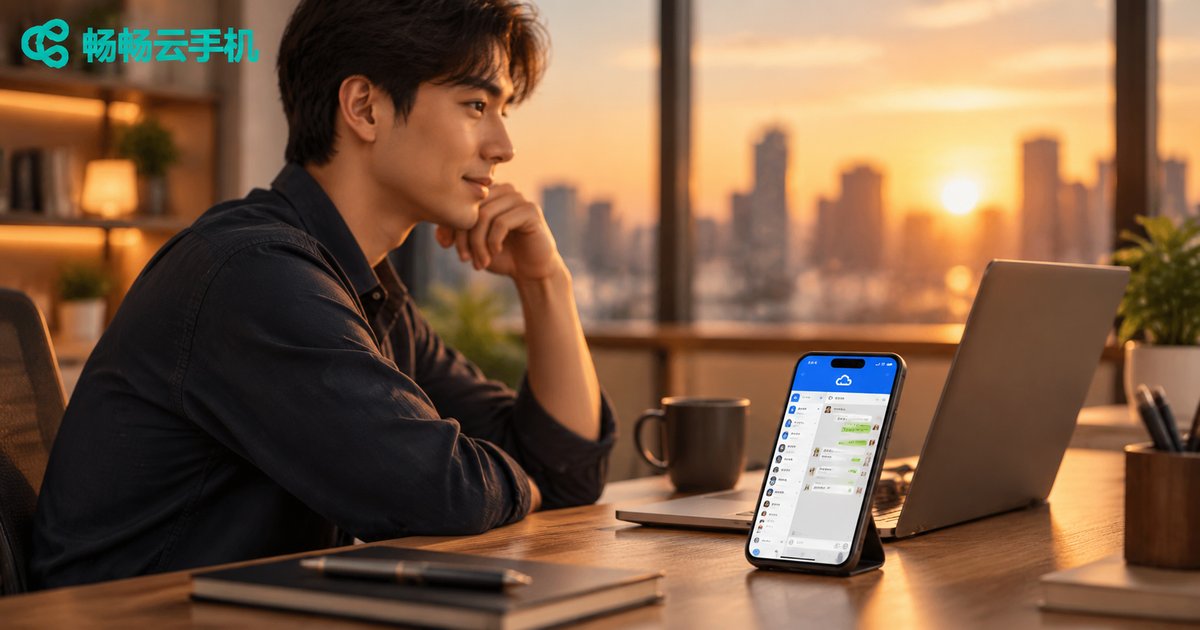
How to Log Into WeChat on Cloud Phone? A Step-by-Step Guide to Multi-Account Cloud Login
This article provides a complete walkthrough on how to log into WeChat via cloud phone, covering both single-account and multi-account simultaneous login. From environment setup and QR code scanning to multi-instance management, learn step by step how to use ccloudphone to run multiple WeChat accounts in the cloud, free from device limitations.
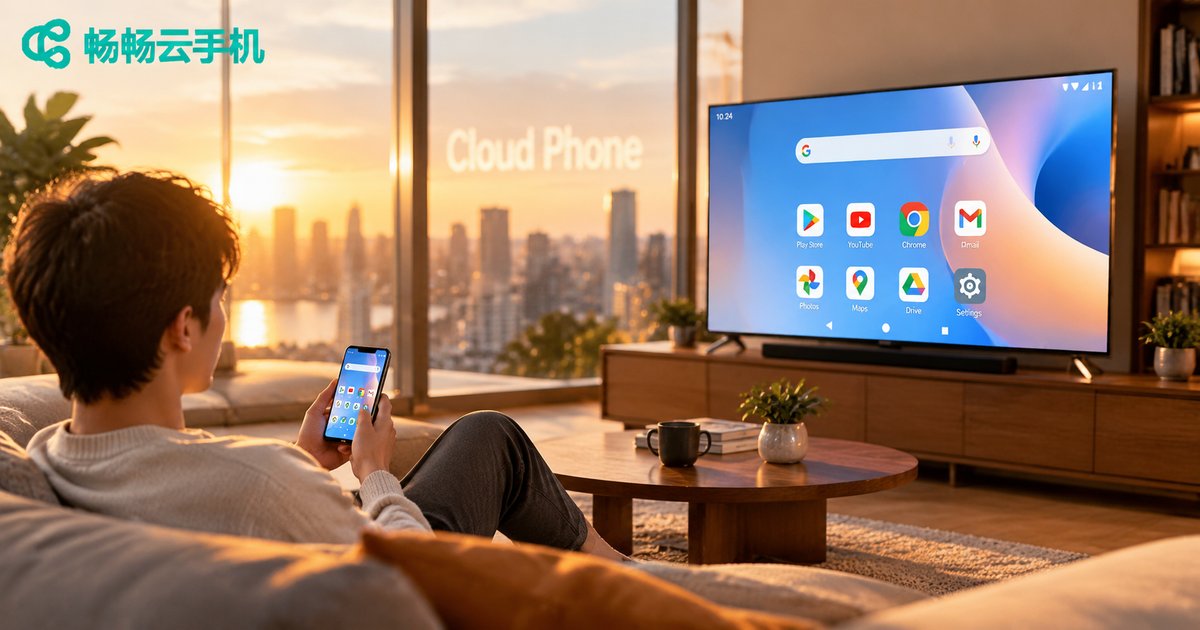
How to Use a Cloud Phone: A Complete Beginner's Guide from Zero to Proficient
This is a complete beginner's tutorial on cloud phones, starting from basic concepts and walking you through registration, instance creation, connection, and day-to-day control step by step. It also covers advanced workflows such as multi-instance gaming, multi-account e-commerce management, and automation scripts, helping zero-experience users quickly get productive with CcCloudPhone (ccloudphone).

Is Cloud Service Free or Paid? Understanding Personal Cloud Service Pricing
Many people assume cloud services are either completely free or extremely expensive, but the pricing logic is actually far more flexible than you might think. From basic storage to high-performance computing, different needs map to different price tiers. This article breaks down personal cloud service pricing models in plain language, helping you understand which features are free, which require payment, and how to pick the most cost-effective plan for your actual needs without overspending on unused features.

What Is a Dual Network Switcher? How to Switch Networks on Dual-SIM Phones
A dual network switcher is a practical tool that helps dual-SIM phones switch freely between two network lines. Starting from the fundamentals, this article walks through five network switching methods for dual-SIM phones, including manual switching, auto-switching, and airplane-mode switching. It also provides best strategies for different usage scenarios and introduces how cloud phones deliver a smarter dual-network management experience, helping you say goodbye to signal disconnection issues for good.
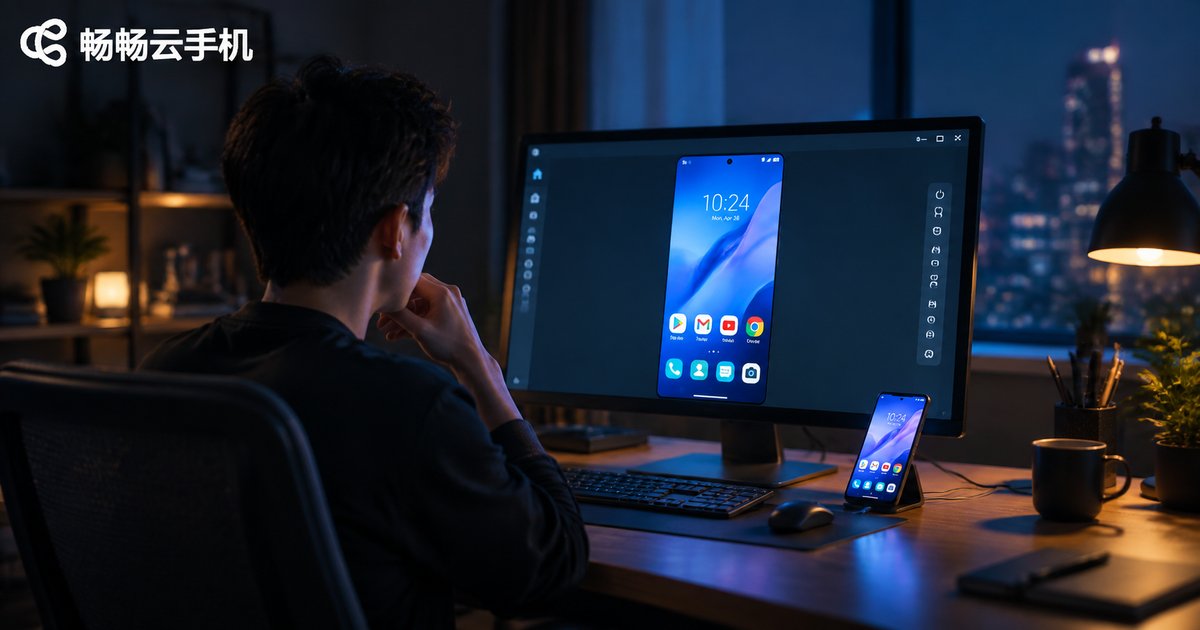
What Is Cloud Phone Rental? A Complete Guide to Daily, Monthly & Long-Term Plans
Cloud phone rental is a service model that provides a virtual phone environment through cloud servers. This article breaks down the three billing options—daily, monthly, and long-term plans—explaining their features, use cases, and pricing logic to help you pick the most cost-effective cloud phone solution for remote control, multi-app launching, and automation tasks.
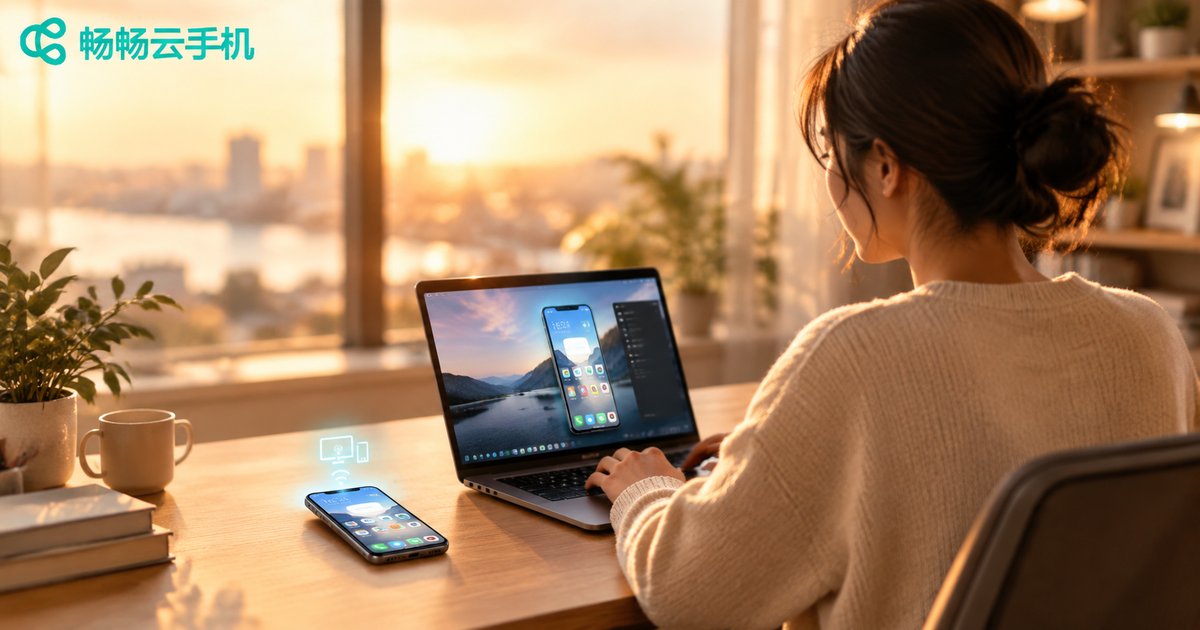
How to Use Phone Interconnection? A Cross-Device Connection Setup Guide
This guide walks you through phone interconnection step by step, covering wireless screen mirroring, file transfer, and cloud phone remote control for cross-device connectivity. Whether you want to operate your phone from a PC or sync data across multiple devices, you will find the exact setup instructions to get everything connected.
Is Cloud Phone Free? A Clear Guide to Free vs Paid Features
Is a cloud phone really free? Most people ask this the first time they encounter cloud phone services. This article breaks down in plain language the boundary between free and paid cloud phone features: which everyday needs are covered for free, and which advanced scenarios require a paid upgrade. It wraps up with practical tips so you can pick the right plan without overspending.

Is Cloud Phone Reliable? Platform Risk and Service Stability Analysis
As the cloud phone market grows rapidly, platform shutdown risks and service stability remain top concerns for users. This article analyzes cloud phone reliability from multiple dimensions including technical architecture, operational qualifications, and user data protection. Learn to identify potential risk signals and discover how ccloudphone ensures service continuity, helping you make informed decisions.
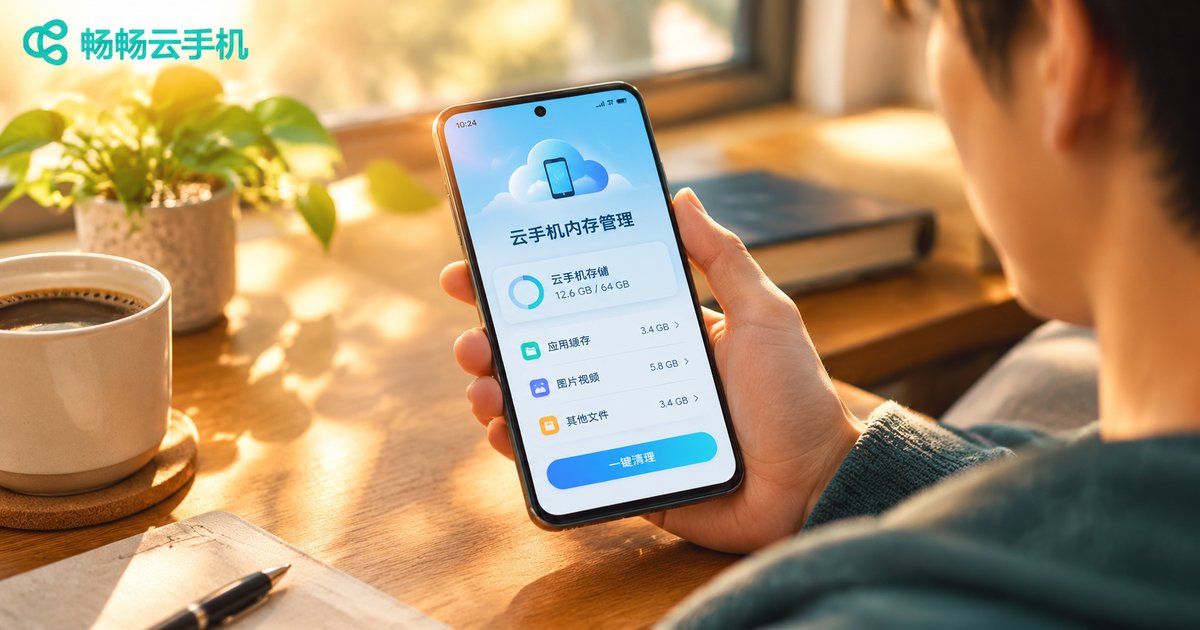
How to Fix Cloud Phone Insufficient Memory? Cloud Storage Management Tips
Running out of memory on your cloud phone? This guide explains the four main causes of cloud phone storage shortages — app caches, downloaded files, app data, and system files — and walks you through five practical solutions: clearing app caches, uninstalling idle apps, cleaning out the Downloads folder, managing photos and videos, and resetting the device when necessary. You will also learn simple daily cloud storage management habits that keep space under control, plus why choosing a reliable service like ChangChang Cloud Phone (ccloudphone) helps you avoid storage headaches from the very start. Follow these tips and your cloud phone will stay fast, clean, and ready for anything.

What Is an Android Virtual Machine App? Uses and Limitations of Local Virtual Machines
An Android virtual machine app creates a complete, standalone Android system inside your phone, letting you clone apps, run game alt accounts, isolate private data and test software safely. However, a local virtual machine relies entirely on your phone's own hardware, which brings real drawbacks: overheating, battery drain, heavy storage use, poor app compatibility, and tasks that stop the moment your phone sleeps. This article explains how Android VM apps work, what they are genuinely useful for, where they fall short, and how cloud phones compare, so you can pick the right tool for multi-account and long-running tasks.
What Is the Essence of a Cloud Phone? Why Is It Called Your Second Phone?
A cloud phone is, in essence, a real Android phone running on remote servers in a data center. It has its own ARM chip, memory, storage, and operating system—your local device simply streams the screen and sends your taps back to the cloud. Because it stays online 24/7, carries an independent device identity, and consumes none of your local resources, it is often called your second phone. This article explains the technology in plain language, compares cloud phones with emulators, walks through typical use cases, and offers practical advice on choosing a reliable service.
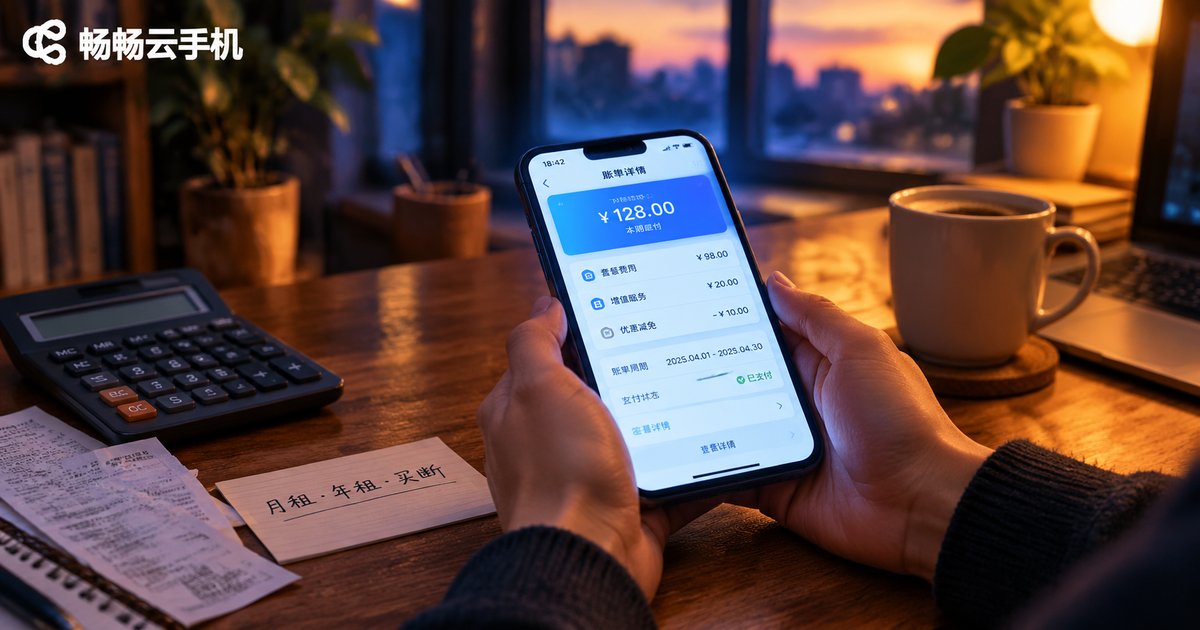
Cloud Phone Pricing Comparison: Monthly, Annual, or Lifetime – Which Saves More?
Cloud phone services typically offer three billing models: monthly subscription, annual subscription, and a one-time lifetime purchase. Picking the wrong one can easily double your total spend. This guide breaks down the real total cost of each model across different usage periods — from one month to three years — with a clear comparison table, shows which option fits short-term projects, stable long-term teams, and heavy 24/7 automation workloads, and shares practical tips to avoid hidden fees. Whether you need one instance for daily use or a full device matrix, you will know exactly which billing model saves the most money.