
How to Compare Cloud Phone Services: Look Beyond Price to Stability and Support
Why the Cheapest Option Is Often the Most Expensive One
Most people choose a cloud phone service the same way: open a few provider pages, compare prices, and pick the lowest number. A few days later the problems show up: tasks drop offline in the middle of the night, the screen stutters, accounts need to be logged in again, and when something really breaks there is nobody to ask.
A cloud phone is not a one-time software purchase. It is a service that has to stay online. What you pay for is not only a virtual device, but also two things that are easy to overlook: the ability to stay online, and the ability to get help when something goes wrong. That is why price should be the last thing you check, not the first.
Dimension 1: Stability — Can You Actually Finish the Job?
Stability is the foundation of the whole experience. If it fails, nothing else matters. When judging stability, focus on three things:
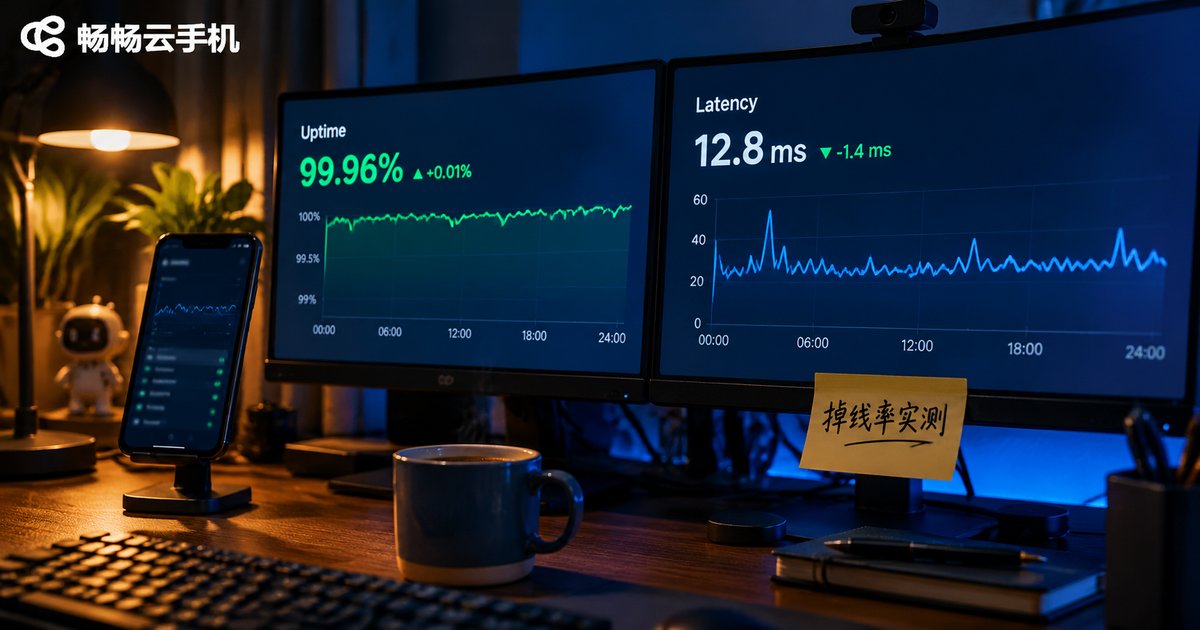
1. Uptime and disconnects. During long unattended sessions, does the instance drop offline and force a manual reconnect?
2. State after a restart. A good service brings your instance back to a usable state after maintenance. A poor one makes you start over.
3. Peak-hour behaviour. Evenings and weekends are when cloud phones are busiest, and that is when the truth comes out. Smooth at noon and unusable at night is a very common pattern.
Dimension 2: Real Performance, Not the Spec Sheet
Numbers on a spec sheet are easy to make look good. The experience is a different story. Instead of only reading the stated configuration, pay attention to how it actually feels:
How fast apps open, whether scrolling keeps up with your finger, whether it slows down after opening several apps, and whether long sessions degrade over time. If your use case is multi-account management, app hosting or automated tasks, stable output after hours of running matters far more than being fast for the first five minutes.
Dimension 3: Technical Support — Can You Reach a Human?
This dimension is often skipped entirely, yet it is exactly where cheap and reliable options differ the most. Compare providers on these points:
Response time: how long before anyone answers, and is it a real person or an auto-reply.
Communication cost: can you explain the issue clearly, or are you stuck with copy-paste templates.
Problem-solving ability: can they actually locate the problem instead of telling you to restart.
Documentation quality: does the official site have clear setup guides, FAQs and feature docs.
A practical trick: test the support channel with one real question before you buy. Many people never ask before purchasing, and only discover the silence afterwards.
Dimension 4: Billing Transparency and Flexibility
A low price is not the same as a low cost. Check whether the billing method is written clearly, whether you can choose by duration or by configuration, whether there are extra charges, and how easy it is to change specs. For most users, choosing the right spec on demand is far more useful than a fixed low-tier plan.
Five Dimensions at a Glance
| Dimension | Typical low-price option | Option worth using long term |
|---|---|---|
| Stability | Disconnects at night or at peak hours, manual reconnects | Stays online during long sessions, low fluctuation |
| Performance | Fast at first, clearly slower after a while | Still responsive after hours of running |
| Technical support | Auto-replies only, no real contact | Clear support channel that understands the issue |
| Billing clarity | Vague pricing, many add-ons | Clear specs and billing, easy to adjust |
| Long-term cost | Saves the subscription, loses time and opportunity | Higher output per hour, better overall value |
Run Your Own 30-Minute Comparison Test
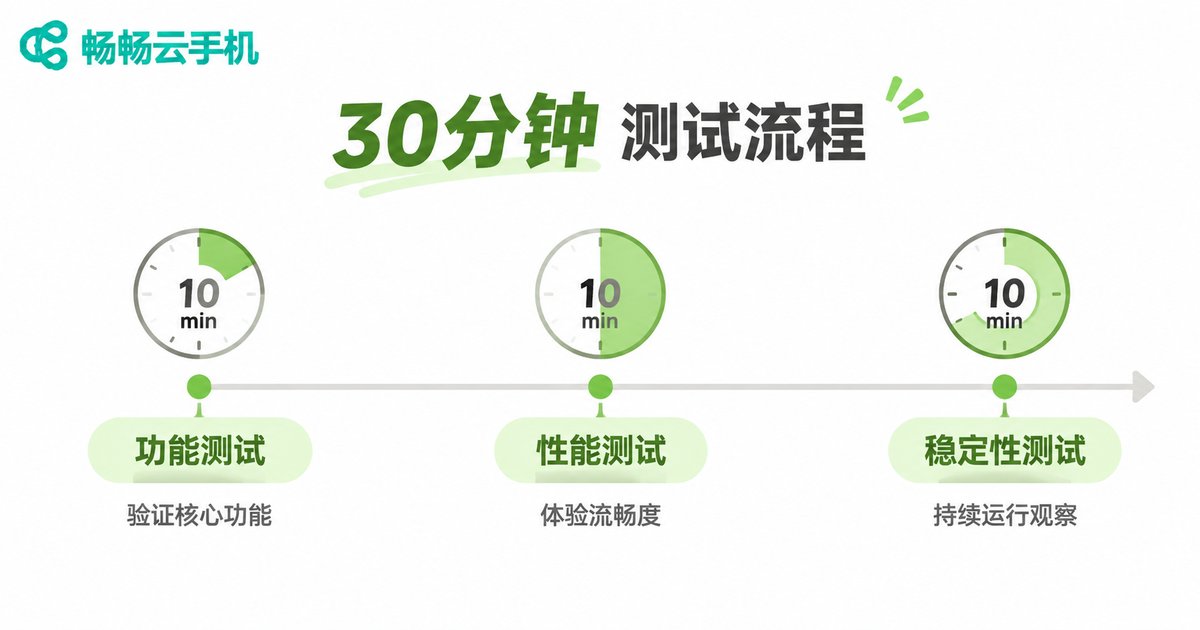
Instead of re-reading marketing pages, spend half an hour testing. Here is a simple flow:
Step 1 (0-10 min): Open two candidate services, install the same app on both, and compare launch speed and touch responsiveness.
Step 2 (10-20 min): Leave both instances running while you do something else, then come back and check whether either dropped offline or required a new login.
Step 3 (20-30 min): Send one specific question to each support channel and note how fast the first reply arrives and whether it was useful.
After these three steps the answer is usually clearer than any spec sheet. The real differences almost always appear in step 2 and step 3.

Put ccloudphone on Your Shortlist
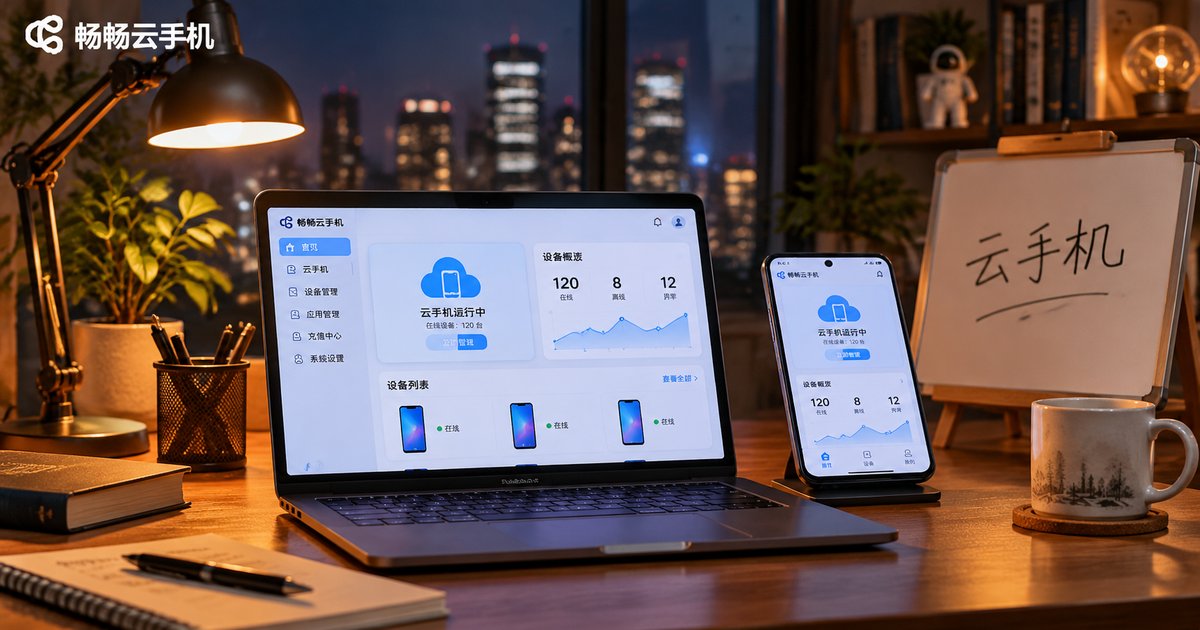
If you are building a shortlist, add ccloudphone and test it with the same routine. It provides Android instances running in the cloud, managed through a web or desktop client, with support for multiple instances and long unattended sessions. You can pick a specification that matches your workload, which suits users who need reliable long-running cloud devices without maintaining physical hardware.
Try the 30-minute flow above yourself: watch how it behaves during a long session, feel whether the interface keeps up, and get a sense of how the support channel communicates. A cloud phone is a long-term tool, and one hands-on test tells you more than ten reviews.
Frequently Asked Questions
Q1: What should I check first when comparing cloud phone services?
Stability. Without it, performance, features and price all lose meaning. Once stability passes, look at performance, support, and billing flexibility in that order.
Q2: Is a cheap cloud phone always bad?
Not always, but verify it. Low-price options often trade away stability or support, so run the 30-minute test, especially at peak hours and after long sessions.
Q3: How do I judge technical support before buying?
Send one specific question in advance and observe how long the reply takes, whether it comes from a person, and whether it addresses the actual problem. Pre-sales speed usually predicts post-sales speed.
Q4: Do I need stability if I only run simple tasks?
Yes. Simple tasks are usually the ones left running unattended for hours, and disconnects are the biggest enemy of unattended running.
Q5: What matters for multi-instance use?
Beyond the number of instances, check whether each one stays smooth when several run at once, and whether managing them is convenient. Test by opening two instances at the same time.