
Operations · Engineering · Trends
Hands-on playbooks, product updates and cross-border insights from the CCloudPhone team.

How to Configure an Independent IP on Cloud Phones: A Practical Guide to Proxy Setup and Network Isolation
This hands-on guide explains how to configure an independent IP on a cloud phone. It starts with why multi-account operations need unique IPs, compares three implementation methods by cost and difficulty, and walks through a four-step proxy setup: preparing the proxy, verifying credentials, entering the configuration, and validating the result. You will also learn network isolation practices that matter as much as the IP itself—one device one IP, consistent time zone and language, stable addresses, isolated app data, and proper account warm-up. The article recommends ChangChang Cloud Phone (ccloudphone) for multi-instance isolation and answers common questions about detection risks, static versus dynamic IPs, and slow connections.
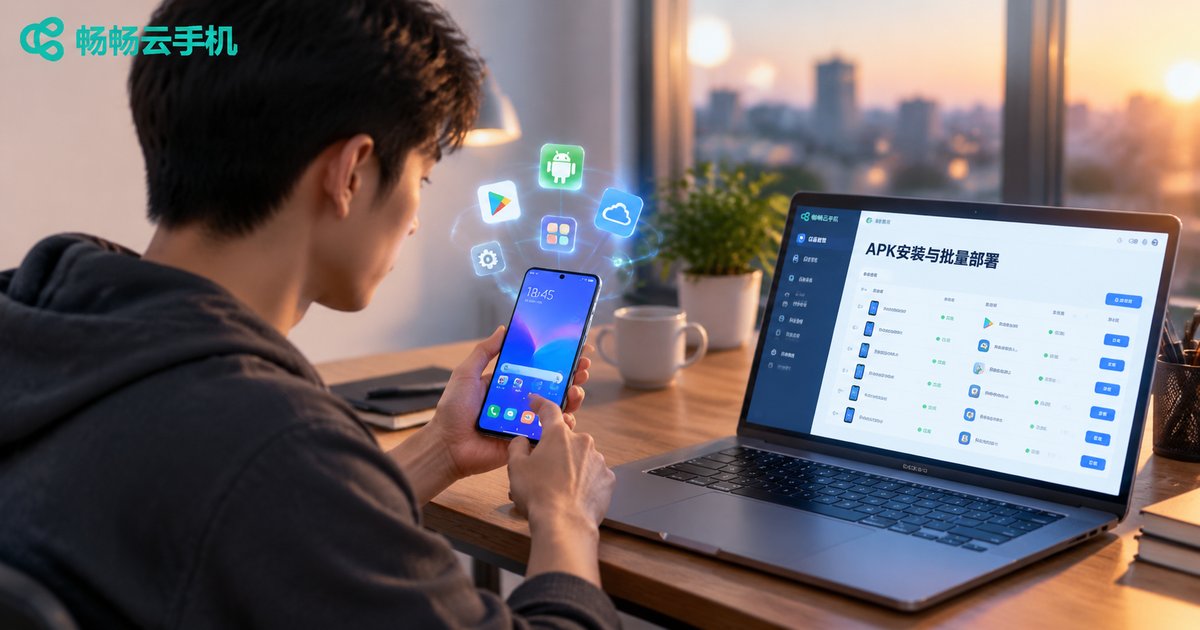
How to Install Third-Party Apps on Cloud Phones: APK Upload & Batch Deployment Guide
A cloud phone works just like a physical Android phone, but when the built-in app store does not have the app you need, manually uploading an APK is the most direct solution. This guide uses CCloudPhone as an example and explains the complete APK installation workflow: how to prepare reliable installation files, a five-step process for uploading and installing an APK on a single cloud phone, and how to use batch deployment to push the same app to dozens or hundreds of devices at once. It also covers the most common installation failures, including parse errors, insufficient storage, slow uploads and app crashes, with practical fixes for each.

Cloud Phone Beginner Tutorial: A Complete Walkthrough from Sign-Up to Idle Farming
This beginner-friendly guide walks you through every step of using a cloud phone, from creating an account and provisioning your first cloud device to installing apps and setting up stable around-the-clock idle farming. You will learn how to configure background permissions, manage multiple cloud phones, keep tasks running reliably, and troubleshoot common issues. We also recommend ChangChang Cloud Phone (ccloudphone), a service known for its simple interface and stable performance, so you can get started with confidence. By the end, you will be able to run games and apps continuously without keeping a physical phone switched on.

Cloud Phones for Private Domain Traffic Operations: WeChat Community Batch Management and Automated Reply Solutions
WeChat communities are the core battlefield of private domain traffic operations, but managing dozens or hundreds of groups manually simply does not scale. This article explains how cloud phones enable batch WeChat community management and automated replies: control dozens of cloud phones from a single computer, run group-wide broadcasts, scheduled tasks and keyword-based auto-replies in one place. We compare traditional physical-device setups with cloud phone solutions on cost, efficiency and account security, and share a practical workflow covering account matrix building, group tagging and compliant automation, so your team can cut costs and multiply efficiency.

Which Cloud Phone for WeChat Channels Live Stream Control? Practical Tips for Multi-Account Interaction and Atmosphere Building
Running the control desk for a WeChat Channels live stream often means juggling several accounts at once — the official account, fan accounts, question accounts, and hype accounts. Managing them on a pile of physical phones is slow, hot, and unreliable. This article explains why a cloud phone is the smarter setup for stream controllers, and shares hands-on techniques for multi-account interaction and atmosphere building: how to divide account roles, how to pace engagement across each stage of a broadcast, and how to use Changchang Cloud Phone (ccloudphone) to manage multiple accounts from one dashboard, so your live room stays lively from the first minute to the last.
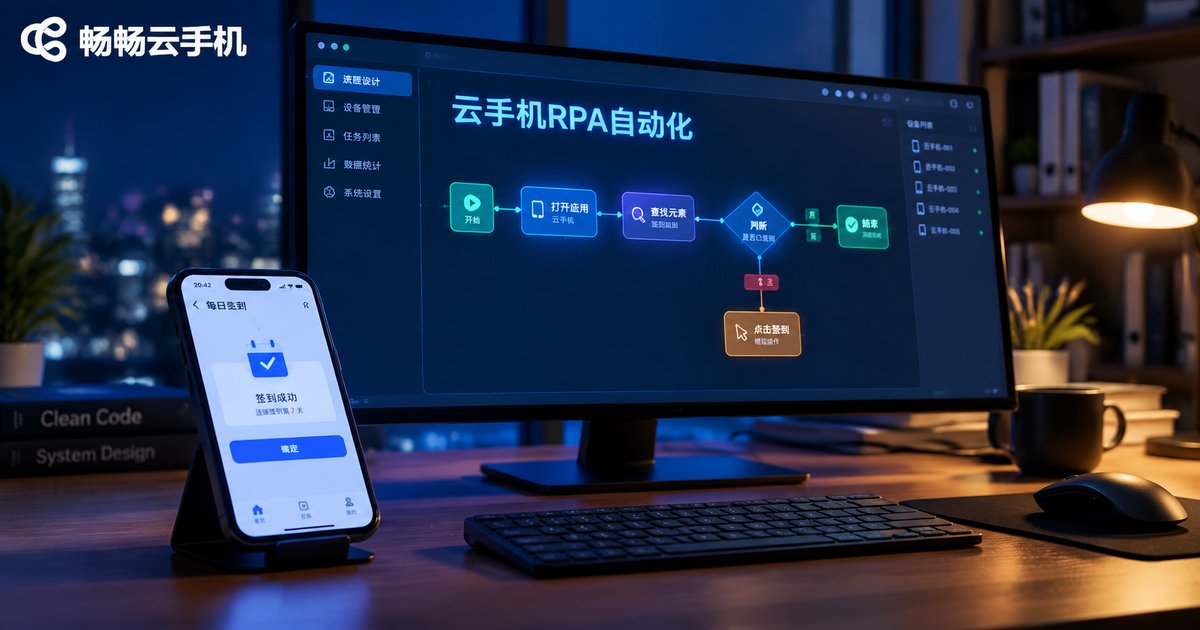
How to Combine Cloud Phones with RPA Tools: A Script Writing Tutorial for Automating APP Tasks
Combining cloud phones with RPA lets repetitive app tasks such as daily check-ins run automatically in the cloud, 24/7, without occupying your own devices. This tutorial explains why cloud phones are ideal for RPA, walks through a preparation checklist, a five-step script writing method, and a complete daily check-in pseudocode example. You will also learn how to scale from one instance to many, keep scripts stable with smart waits and exception screenshots, and stay compliant. Whether you automate check-ins, data entry, or app testing, this guide helps you build a reliable automation workflow on cloud Android instances. A FAQ section answers the most common beginner questions.

Which Cloud Phone for Xiaohongshu Matrix Operations? The Complete Guide to Multi-Account Seeding Notes and Anti-Throttling
Running a Xiaohongshu (RED) matrix on physical phones is expensive, hard to manage, and risky, since frequent account switching on shared devices often triggers linked-account throttling. This guide explains why cloud phones are the better foundation for matrix operations, covering four core requirements: environment isolation, stability, batch management, and performance. You will learn a practical content playbook for multi-account seeding notes, including differentiated positioning, original or deeply reworked content, staggered publishing, and keyword segmentation. A complete anti-throttling checklist follows, from one account per device to human-like engagement, plus how CCloudPhone (ccloudphone) helps you run and scale your matrix from a single computer.

Cloud Phones + Blockchain Airdrops: How Multi-Account Batch Operations Can Avoid Sybil Detection
Sybil screening for blockchain airdrops is stricter than ever: IP addresses, device fingerprints, fund trails and timing patterns are all under scrutiny. This article breaks down the six core dimensions projects use to flag linked accounts, and explains how cloud phones give every account a genuinely independent Android environment. Combined with staggered scheduling, diversified funding sources and behavior differentiation, you can run multi-account airdrop operations while greatly reducing the chance of being clustered and disqualified. Includes a practical checklist, a cloud phone vs. emulator comparison, and important compliance reminders.
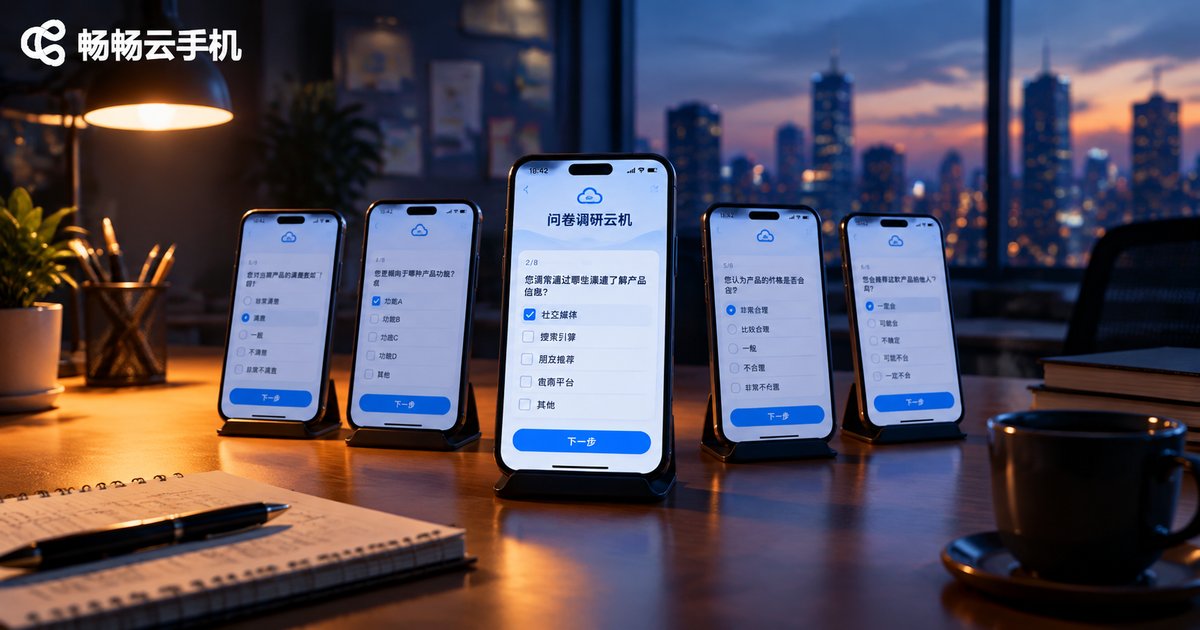
Which Cloud Phone for Survey Research in 2026? A Risk Assessment of Batch Tasks and Anti-Fraud Evasion
By 2026, survey research depends heavily on multi-device environments, yet the 'batch tasks plus anti-fraud evasion' approach carries serious risks. This article breaks down how platform risk control works across four dimensions — device fingerprinting, network environment, behavioral patterns, and account linkage — then assesses the real consequences of batch survey farming: account bans, unpaid commissions, frozen funds, and legal exposure. It clearly separates compliant use cases from high-risk ones and explains the practical value of ChangChang Cloud Phone (ccloudphone) in legitimate scenarios such as questionnaire compatibility testing. A four-question risk self-check checklist helps teams decide whether a batch task is safe to run before any accounts or budgets are committed.
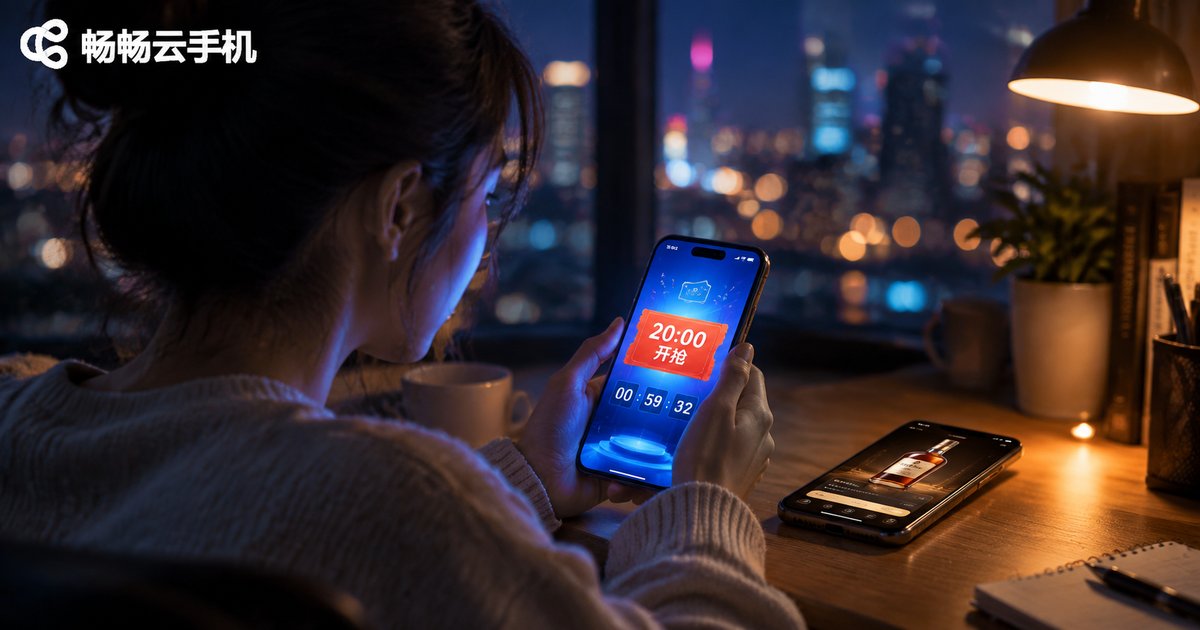
Can Cloud Phones Grab Moutai and Concert Tickets? Millisecond Response and Multi-Account Concurrency Tested
Can a cloud phone really help you grab Moutai and concert tickets? Based on hands-on tests of millisecond-level response and multi-account concurrency, this article breaks down two very different games: Moutai is a daily lottery where account quantity and persistence matter, while concert tickets are a speed contest decided by network latency and preparation. Test data shows cloud phones hold a stable 15-30ms latency versus 30-100ms on home Wi-Fi and 5G, with multiple accounts running nearly in sync on one screen. Includes comparison tables, a pre-sale checklist, compliance warnings against scalping, and how ChangChang Cloud Phone (ccloudphone) fits flash-sale scenarios.

Is the Pinduoduo Store Group Really Earning 10,000+ RMB a Month? Cloud Phone Multi-Account Listing and Anti-Association Operations Revealed
Claims of earning 10,000+ RMB per month from Pinduoduo store groups are half true: a small minority of sellers who master product selection, listing, and customer service do reach that level, but it is far from the average result. This article breaks down the real revenue structure of store group operations, examines the three biggest challenges of multi-account selling—device costs, account association risks, and management efficiency—and explains how cloud phones provide independent environments and batch control. You will also get five practical anti-association tips and a realistic checklist to decide whether this business model suits you before investing time and money.
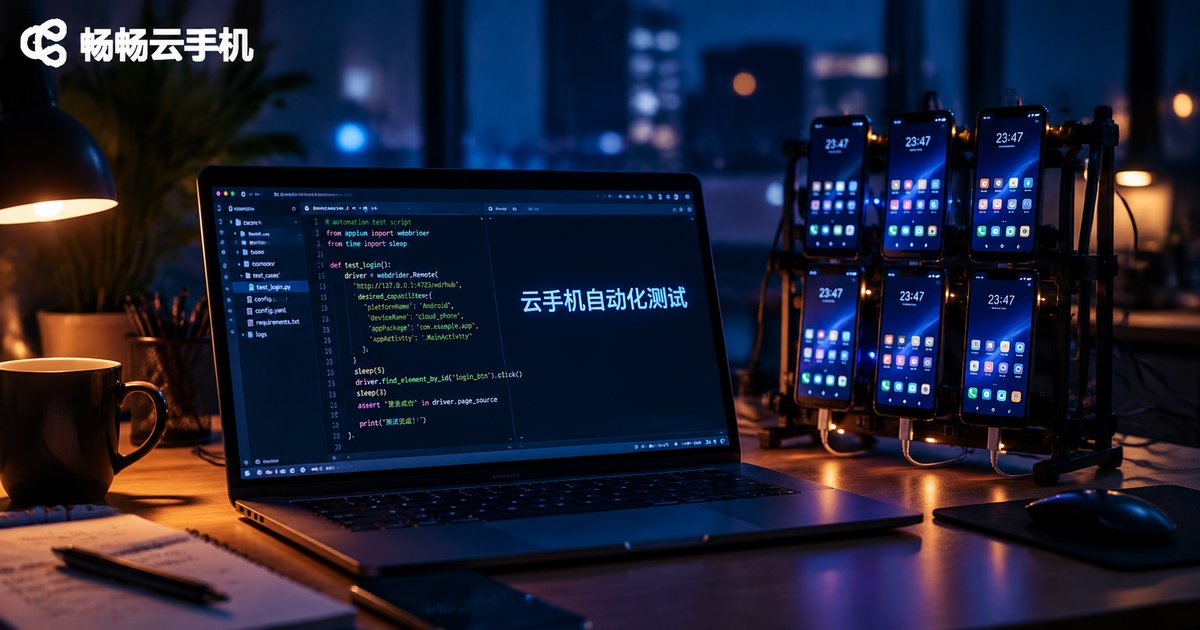
Can Cloud Phones Run Automated Testing? Hands-On Experience with App Compatibility Testing and UI Automation
Yes—cloud phones can absolutely run automated testing, and they have become a routine choice for many QA teams. Based on hands-on experience, this article explains how to build an app compatibility testing matrix and a UI automation pipeline on cloud phones: connecting devices over ADB, migrating Appium and uiautomator2 scripts with almost zero changes, planning a device matrix, and avoiding common pitfalls such as latency, control recognition failures, and coordinate drift. It also shares a step-by-step plan for setting up a testing environment with ChangChang Cloud Phone (ccloudphone), helping small and mid-sized teams run daily regression and compatibility screening at low cost. If you are wondering whether cloud phones can replace part of your real-device lab, this field-tested guide gives you a clear answer.