
Operations · Engineering · Trends
Hands-on playbooks, product updates and cross-border insights from the CCloudPhone team.

Which Cloud Phone for Xiaohongshu Matrix Operations? The Complete Guide to Multi-Account Seeding Notes and Anti-Throttling
Running a Xiaohongshu (RED) matrix on physical phones is expensive, hard to manage, and risky, since frequent account switching on shared devices often triggers linked-account throttling. This guide explains why cloud phones are the better foundation for matrix operations, covering four core requirements: environment isolation, stability, batch management, and performance. You will learn a practical content playbook for multi-account seeding notes, including differentiated positioning, original or deeply reworked content, staggered publishing, and keyword segmentation. A complete anti-throttling checklist follows, from one account per device to human-like engagement, plus how CCloudPhone (ccloudphone) helps you run and scale your matrix from a single computer.

Cloud Phones + Blockchain Airdrops: How Multi-Account Batch Operations Can Avoid Sybil Detection
Sybil screening for blockchain airdrops is stricter than ever: IP addresses, device fingerprints, fund trails and timing patterns are all under scrutiny. This article breaks down the six core dimensions projects use to flag linked accounts, and explains how cloud phones give every account a genuinely independent Android environment. Combined with staggered scheduling, diversified funding sources and behavior differentiation, you can run multi-account airdrop operations while greatly reducing the chance of being clustered and disqualified. Includes a practical checklist, a cloud phone vs. emulator comparison, and important compliance reminders.
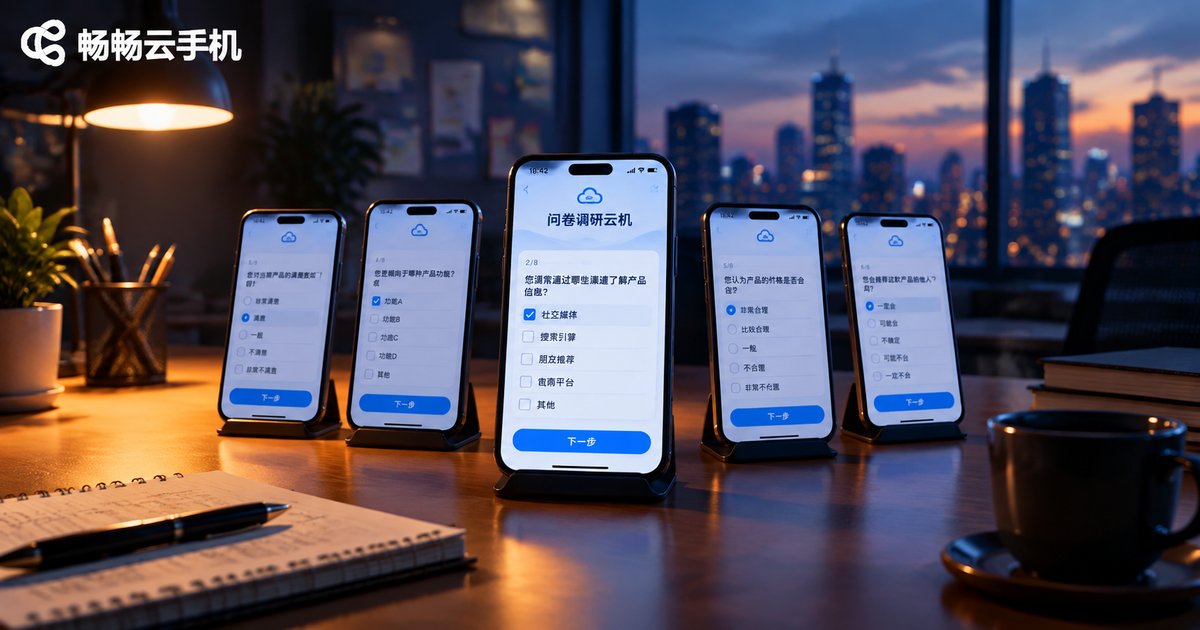
Which Cloud Phone for Survey Research in 2026? A Risk Assessment of Batch Tasks and Anti-Fraud Evasion
By 2026, survey research depends heavily on multi-device environments, yet the 'batch tasks plus anti-fraud evasion' approach carries serious risks. This article breaks down how platform risk control works across four dimensions — device fingerprinting, network environment, behavioral patterns, and account linkage — then assesses the real consequences of batch survey farming: account bans, unpaid commissions, frozen funds, and legal exposure. It clearly separates compliant use cases from high-risk ones and explains the practical value of ChangChang Cloud Phone (ccloudphone) in legitimate scenarios such as questionnaire compatibility testing. A four-question risk self-check checklist helps teams decide whether a batch task is safe to run before any accounts or budgets are committed.

Can Cloud Phones Grab Moutai and Concert Tickets? Millisecond Response and Multi-Account Concurrency Tested
Can a cloud phone really help you grab Moutai and concert tickets? Based on hands-on tests of millisecond-level response and multi-account concurrency, this article breaks down two very different games: Moutai is a daily lottery where account quantity and persistence matter, while concert tickets are a speed contest decided by network latency and preparation. Test data shows cloud phones hold a stable 15-30ms latency versus 30-100ms on home Wi-Fi and 5G, with multiple accounts running nearly in sync on one screen. Includes comparison tables, a pre-sale checklist, compliance warnings against scalping, and how ChangChang Cloud Phone (ccloudphone) fits flash-sale scenarios.

Is the Pinduoduo Store Group Really Earning 10,000+ RMB a Month? Cloud Phone Multi-Account Listing and Anti-Association Operations Revealed
Claims of earning 10,000+ RMB per month from Pinduoduo store groups are half true: a small minority of sellers who master product selection, listing, and customer service do reach that level, but it is far from the average result. This article breaks down the real revenue structure of store group operations, examines the three biggest challenges of multi-account selling—device costs, account association risks, and management efficiency—and explains how cloud phones provide independent environments and batch control. You will also get five practical anti-association tips and a realistic checklist to decide whether this business model suits you before investing time and money.

Can Cloud Phones Run Automated Testing? Hands-On Experience with App Compatibility Testing and UI Automation
Yes—cloud phones can absolutely run automated testing, and they have become a routine choice for many QA teams. Based on hands-on experience, this article explains how to build an app compatibility testing matrix and a UI automation pipeline on cloud phones: connecting devices over ADB, migrating Appium and uiautomator2 scripts with almost zero changes, planning a device matrix, and avoiding common pitfalls such as latency, control recognition failures, and coordinate drift. It also shares a step-by-step plan for setting up a testing environment with ChangChang Cloud Phone (ccloudphone), helping small and mid-sized teams run daily regression and compatibility screening at low cost. If you are wondering whether cloud phones can replace part of your real-device lab, this field-tested guide gives you a clear answer.
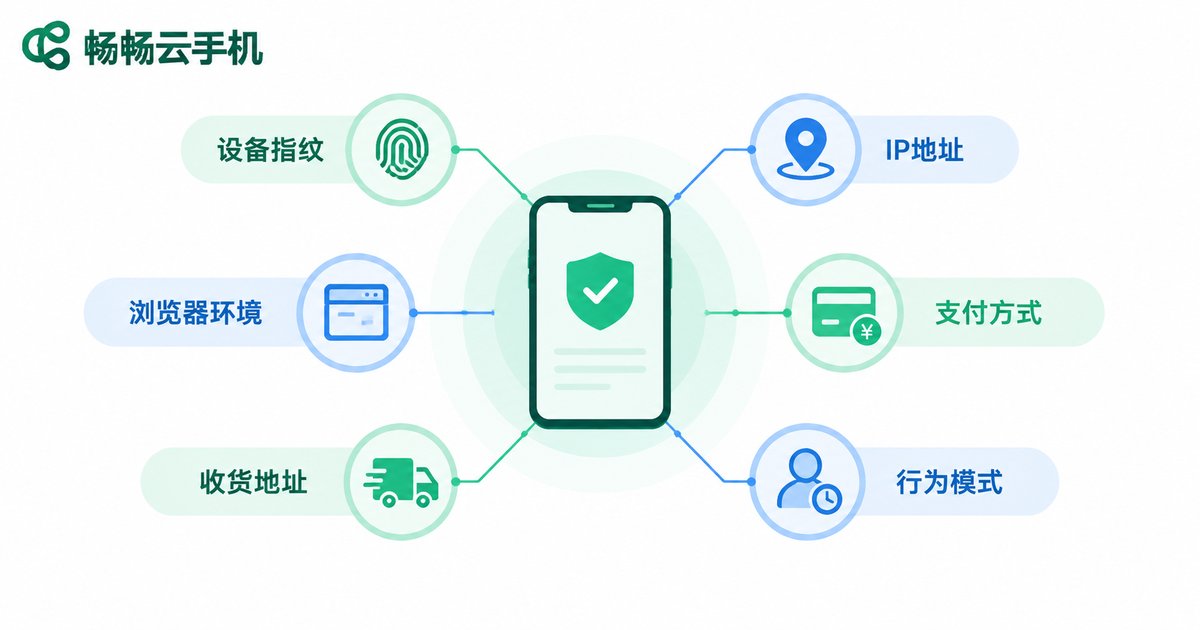
How Amazon Review Studios Use Cloud Phones to Prevent Account Linking: Complete Setup Guide for Independent Environments and Residential IPs
Account linking is the biggest fear of any Amazon review studio — one slipped detail can take down dozens of buyer accounts at once. This guide explains how to use cloud phones to give every account a truly independent Android environment, then pair each instance with a dedicated static residential IP to achieve the one-account-one-device-one-IP standard. You will learn how Amazon detects linked accounts, why datacenter IPs get flagged, a five-step configuration workflow, daily operating habits that keep accounts safe, and answers to the most frequently asked questions.

How to Choose a Cloud Phone Group Control System? 2026 Comparison of Automation Solutions for Managing 100+ Devices
Managing hundreds of cloud phones by hand is no longer realistic—group control systems have become the standard for batch operations. Written for 2026 buying decisions, this guide explains the three core capabilities of cloud phone group control, compares three mainstream automation routes (built-in sync control, script automation, and API/RPA integration), and distills five hard selection criteria: stability, concurrency limits, sync latency, script compatibility, and billing flexibility. A practical FAQ at the end helps you match a solution to your business scale quickly and avoid expensive mispurchases.

No More Manual Scrolling! Cloud Phone Matrix Auto Account Warming Doubles Your Short Video Growth Efficiency
Every short video account needs a warm-up period before it can grow, but manually scrolling feeds for hours each day simply does not scale. This article explains how to build a cloud phone matrix that automates account warming tasks such as watching videos, liking, and following, with each cloud phone running an independent environment around the clock. You will learn how automated warming works step by step, see a side-by-side efficiency comparison between manual operation and a cloud phone matrix, and pick up practical tips on task settings and behavior pacing. By handing repetitive work to the cloud and saving time for content creation, you can double your account growth efficiency.

Cloud Phone + LLM: How AI Agents Automatically Operate Apps to Complete Complex Tasks
As large language models evolve from 'talking' to 'doing', AI Agents are becoming real executors in the digital world. This article explores why the cloud phone is the ideal vehicle for AI Agents: cloud-based Android environments can be replicated at scale and stay online around the clock, letting agents operate apps autonomously through a perceive-decide-execute loop to complete complex tasks such as information gathering, content publishing and batch app testing. We also cover current challenges and how ccloudphone provides a stable foundation for teams exploring AI-driven app automation.

Why Use Cloud Phones for Ad Verification? Landing Page Testing with Multi-Region IPs and Real Device Fingerprints
Clicks look fine but conversions don't? The leak is often in the landing page. This article explains why cloud phones are the right tool for ad verification: multi-region IPs let you see exactly what users in each region see, while real device fingerprints keep your test data trustworthy. You also get a practical five-step testing workflow, a ready-to-use checklist, and answers to common questions, showing how media buyers and overseas teams can catch redirect, loading, geo-content, and tracking issues before the budget is spent — and how to run the whole matrix on ChangChang Cloud Phone (ccloudphone).

Are Cloud Phones Reliable for Data Annotation? A Low-Cost Solution with Batch Task Distribution and Automated QC
Data annotation tasks demand a real Android environment, and buying physical devices means heavy upfront costs and endless maintenance. Cloud phones turn devices into accounts: a single command distributes tasks across hundreds of instances, while a three-layer automated QC pipeline—collection validation, rule-based checks, and cross-sampling—leaves humans with only the hardest 5-10% of samples. This article maps which annotation tasks fit cloud phones, shows a working batch distribution flow with sample scripts, and compares the total cost of cloud phones versus physical device farms. It closes with four practical vendor-selection criteria and suggests starting small with ChangChang Cloud Phone (ccloudphone) to validate your pipeline before scaling up.