
Cloud Phones + Blockchain Airdrops: How Multi-Account Batch Operations Can Avoid Sybil Detection
What Is Sybil Detection? Why Airdrop Farming Is Getting Harder
In the blockchain space, a Sybil attack means one person pretending to be many independent users, mass-producing fake identities to claim a disproportionate share of airdrops. Token supplies are limited; if studios walk away with allocations across hundreds of addresses, genuine early users get diluted and post-listing selling pressure intensifies. That is why more and more projects run Sybil screening before their token generation events: by analyzing on-chain data and device environments, they flag clusters of addresses controlled by the same actor and disqualify them entirely.
Over the past few years, several major projects publicly hunted Sybils and marked hundreds of thousands of linked addresses at once, catching plenty of ordinary users in the net. The takeaway is clear: the era of simply registering a few extra accounts is over. Multi-account interaction has to look like genuinely independent users.
What Does Sybil Detection Actually Look At? Six Key Dimensions
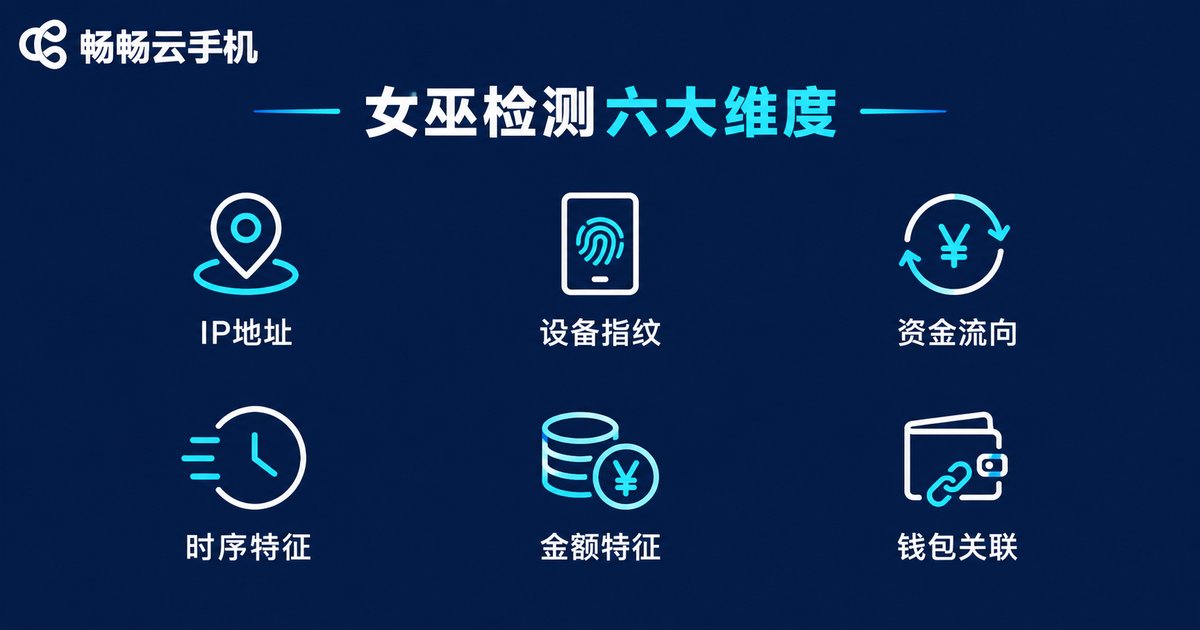
Every project tunes its model differently, but the core logic is the same: finding correlations between accounts. The most common dimensions include:
| Dimension | Typical Sybil Pattern | How to Reduce Risk |
|---|---|---|
| Network environment | Many accounts operating behind one IP | Independent network environment per account |
| Device fingerprint | Identical models and parameters, batch registration | One device per account, isolated parameters |
| Fund trail | All accounts funded from one central address | Diversify funding sources, transfer in batches |
| Timing behavior | Multiple accounts acting simultaneously | Stagger operations, add random intervals |
| Interaction amounts | Nearly identical transaction sizes | Vary amounts to mimic real usage |
| Wallet linkage | Accounts transferring to each other in loops | Avoid direct transfers between accounts |
As the table shows, Sybil detection never relies on IP alone. Network, device, funds and behavior are cross-checked against each other, and a single obvious batch signature can get an entire cluster wiped out.
Why Cloud Phones Fit Multi-Account Airdrop Interaction
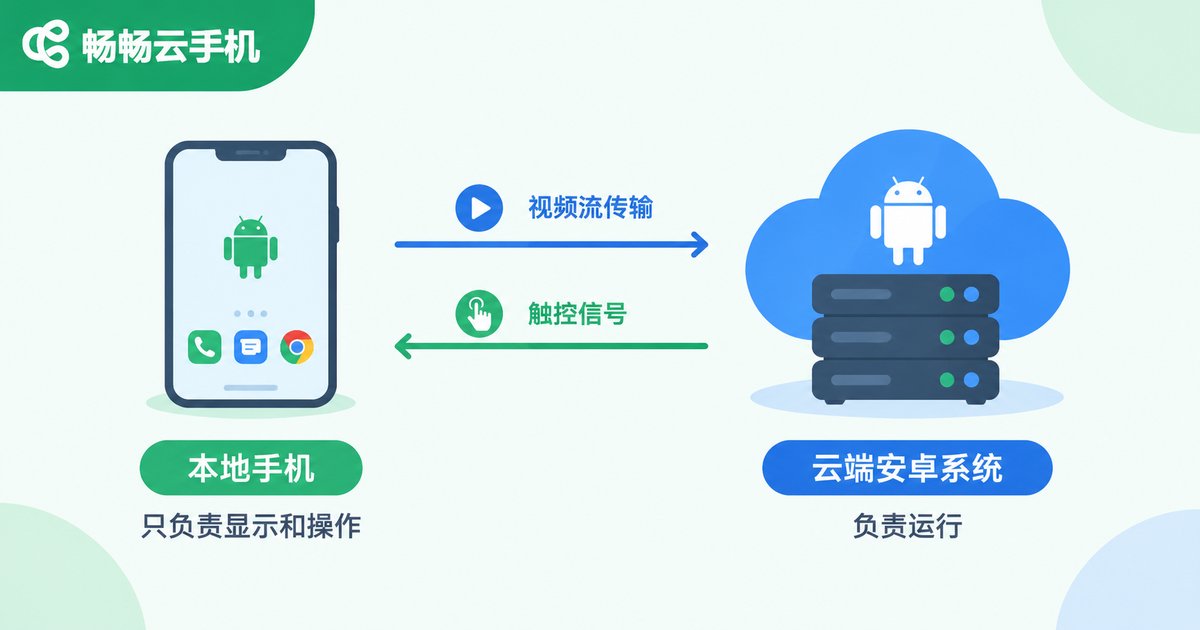
A cloud phone is a full Android system running in the cloud. Each instance carries its own device parameters — its own model identifier, system environment and storage. To an app, every cloud phone looks and behaves like a real phone, not a window on a PC emulator.
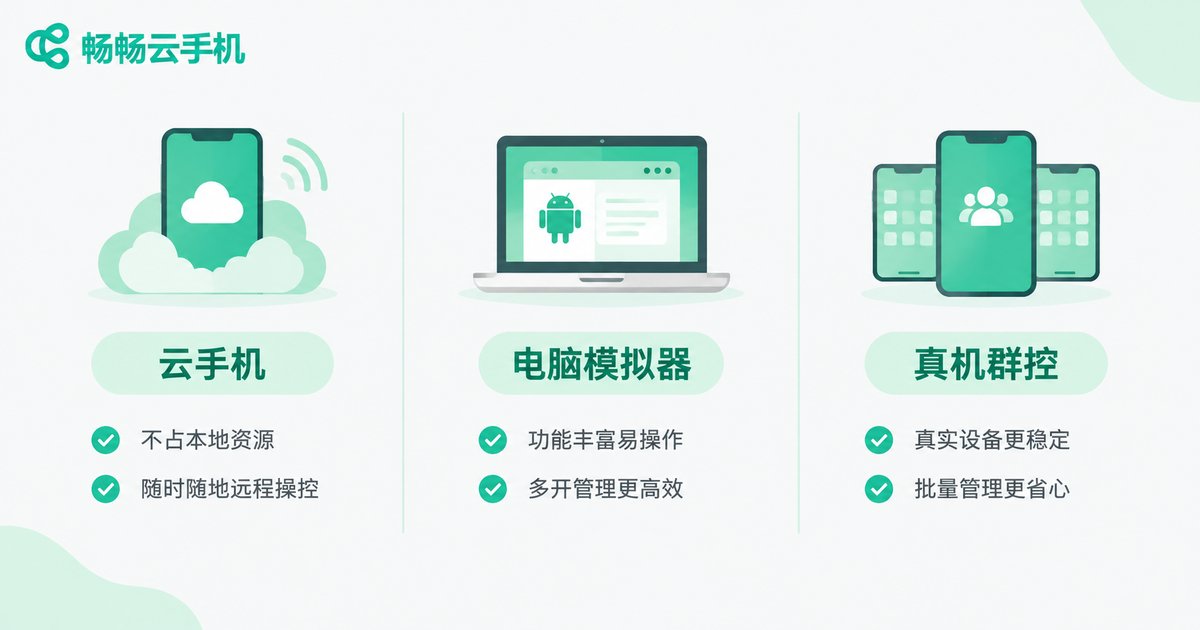
1. Isolated device environments. Emulator instances share the same underlying environment and are easy to fingerprint. Each cloud phone is a complete, independent Android instance, reducing batch signatures at the source.
2. Always online in the cloud. Airdrop interaction rewards long, consistent on-chain history. Cloud phones keep running when your local computer is off, making them ideal for long-term task hosting.
3. Efficient batch management. A management dashboard lets you view and operate many cloud phones at once — far more efficient than stacking physical phones on a desk.
The Anti-Sybil Checklist: Six Things to Get Right
An isolated device environment is only half the story. Your operations need to feel independent too. Run through this checklist before every campaign:
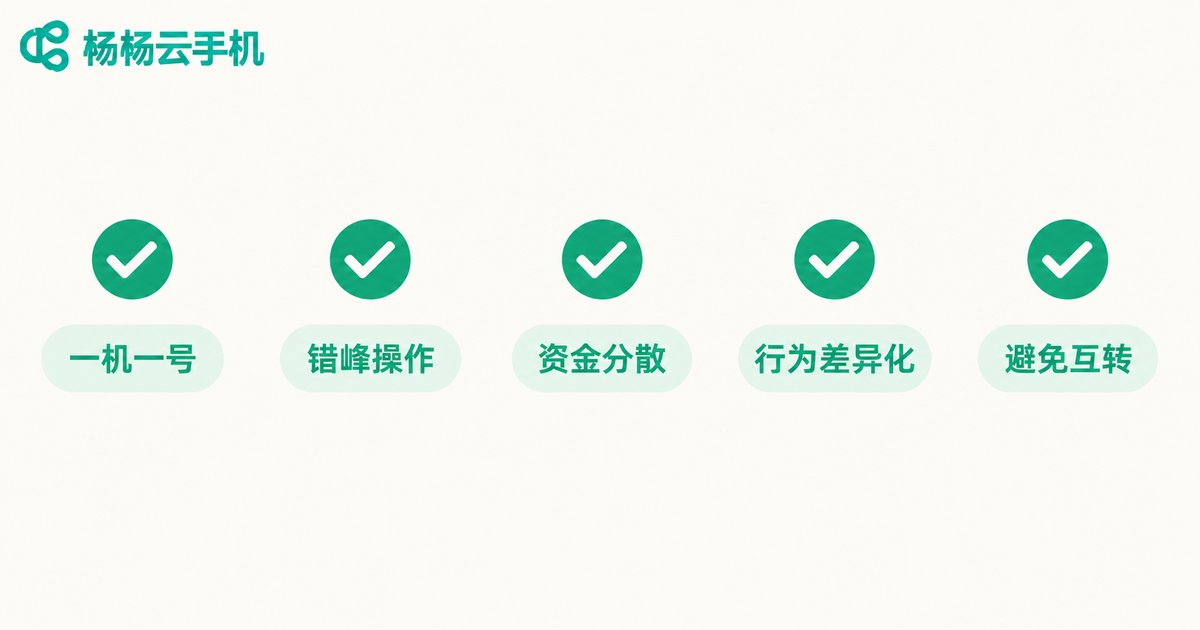
One device, one account, one environment: Log a single wallet into each cloud phone. Never mix or share. Cut correlation off at the device level.
Stagger and randomize: Never let every account act in the same minute. Assign different task times per device and inject random intervals to mimic human rhythm.
Diversify funding sources: Avoid funding all accounts from one master address. Transfer in batches through different routes with different amounts so on-chain trails look independent.
Differentiate behavior: Vary the protocols, amounts and frequency across accounts. Some interact heavily, some lightly; some use larger amounts, some smaller. Uniformity is the enemy.
No transfers between accounts: Direct wallet-to-wallet transfers create closed fund loops — one of the easiest signals for Sybil models to catch.
Quality over quantity: Twenty or thirty naturally behaving accounts beat a hundred low-effort ones. Allocations increasingly weight interaction quality and history, so pure account farming pays less and less.
Managing Your Airdrop Account Matrix with ChangChang Cloud Phone
If you need a stable environment for running multiple accounts, consider ChangChang Cloud Phone (official site: ccloudphone). It provides independent Android cloud phone instances, each with its own device parameters, lets you manage multiple cloud phones in one place, and keeps apps running in the cloud around the clock without consuming local computer resources.
In practice, treat every cloud phone as a standalone phone: install the wallet app separately, configure the network environment separately, and schedule daily interaction tasks separately. Combined with the staggering and differentiation strategies above, your account cluster will behave far more like real, unrelated users.
Risk Notice: Read the Rules Before You Act
It must be stressed that some projects explicitly prohibit Sybil behavior, and being flagged can mean permanent disqualification. Before running any batch operation, read the project's airdrop terms carefully and confirm its multi-account policy. This article is a technical overview only, not investment advice. Follow project rules and local laws and regulations, and participate responsibly.
FAQ
Q: Does Sybil detection mainly look at IP or devices?
Both. IP is only one factor. Device fingerprints, fund trails and timing behavior matter just as much. Changing IP without changing the device environment still leaves accounts linkable.
Q: Can apps detect a cloud phone as an emulator?
Reputable cloud phones run complete Android systems with independent device parameters. To apps, they are virtually indistinguishable from real phones — a key advantage over PC emulator multi-instance setups.
Q: Can I log into multiple wallets on one cloud phone?
Technically yes, but not recommended. One device, one account, one environment is the baseline rule; mixing wallets reintroduces correlation risk.
Q: Will batch operations always be flagged as Sybil?
No. Flagging depends on how many correlation traces you leave. Device isolation, staggered timing, diversified funding and differentiated behavior greatly reduce the chance of cluster disqualification, though nothing is ever one hundred percent safe.
Q: Is ChangChang Cloud Phone suitable for hosting airdrop tasks?
Yes. Cloud phones stay online around the clock and keep tasks running even when your local computer is off. With multi-device management, they suit users who need stable, long-term app hosting. Visit the official site ccloudphone to learn more.