
Which Cloud Phone for Xiaohongshu Matrix Operations? The Complete Guide to Multi-Account Seeding Notes and Anti-Throttling
Why Xiaohongshu Matrix Operations Need a Cloud Phone
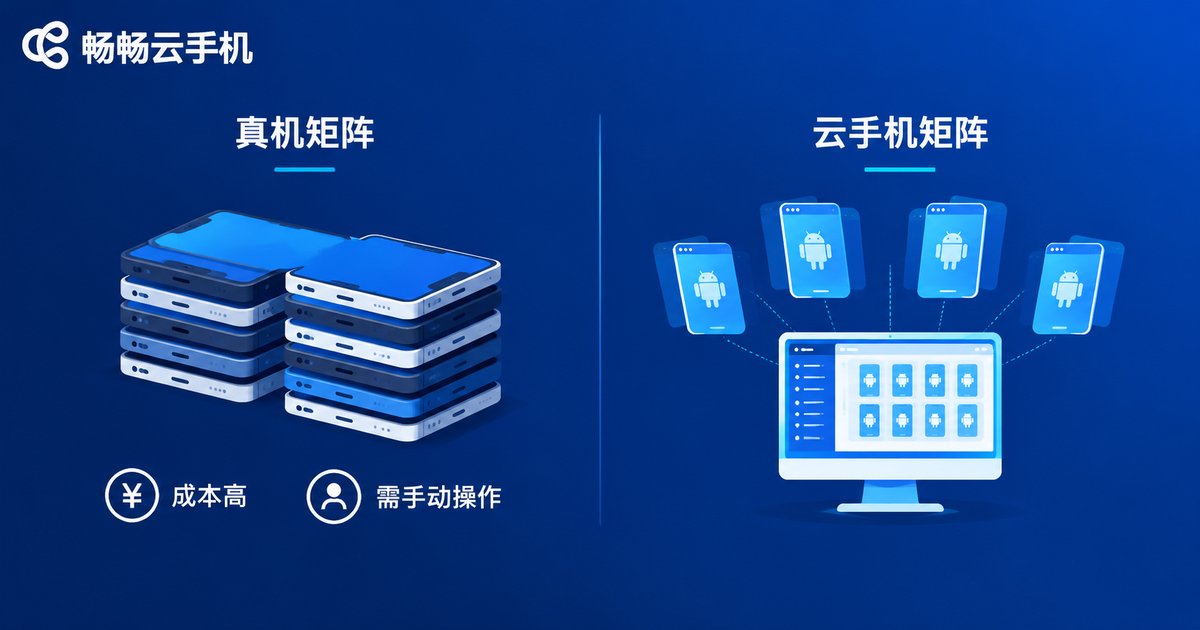
Anyone running a Xiaohongshu (RED) matrix knows the core of the playbook: use multiple accounts to cover different audience segments and replicate a proven note formula across ten or twenty accounts to build combined traffic. But a physical-device matrix has obvious pain points: high hardware costs, space and power demands, and worst of all, frequently switching between multiple accounts on the same devices makes it easy for the platform to flag them as linked accounts, leading to throttled reach or even suspension.
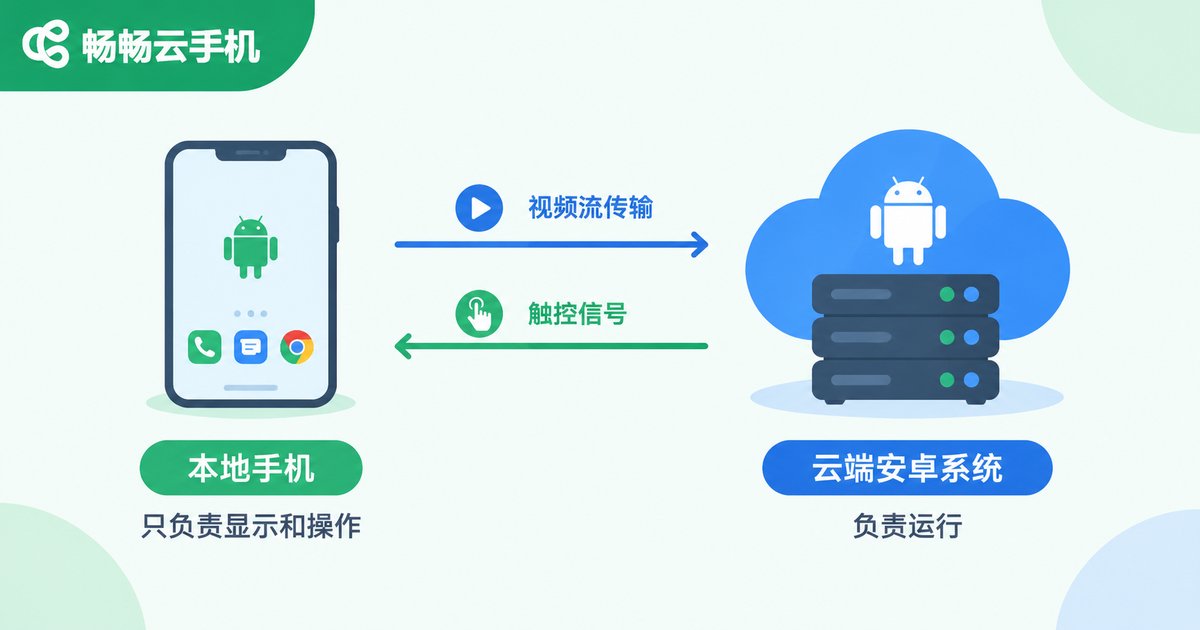
Cloud phones solve exactly this problem. A cloud phone is an Android system running in a cloud data center, and each cloud phone is a fully independent device environment with its own system parameters and storage. From a single computer, you can manage dozens of phones at once, each logged into one Xiaohongshu account, isolated from the rest.
Four Core Requirements for a Matrix Cloud Phone
Not every cloud phone suits Xiaohongshu matrix operations. Focus on these four factors when choosing:
1. Environment isolation: each cloud phone must be a fully isolated Android environment with one account per device, preventing device-level linking between accounts.
2. Stability: matrix operations demand consistent posting, so the cloud phone must stay online around the clock to keep scheduled publishing and background running stable.
3. Batch management: support for group control and bulk actions, such as installing apps, publishing, and managing assets across accounts, lets one person run dozens of accounts.
4. Performance: browsing feeds, editing notes, and checking analytics all require smooth operation; lag destroys productivity.
| Dimension | Physical Device Matrix | Cloud Phone Matrix |
|---|---|---|
| Hardware cost | Large upfront investment | Activate as needed, controllable cost |
| Account isolation | Switching logins risks linking | One account per isolated device |
| Management efficiency | Manual, device by device | Batch group control in one click |
| Space and upkeep | Takes space, needs maintenance | Runs in the cloud, no physical space |
Content Playbook for Multi-Account Seeding Notes
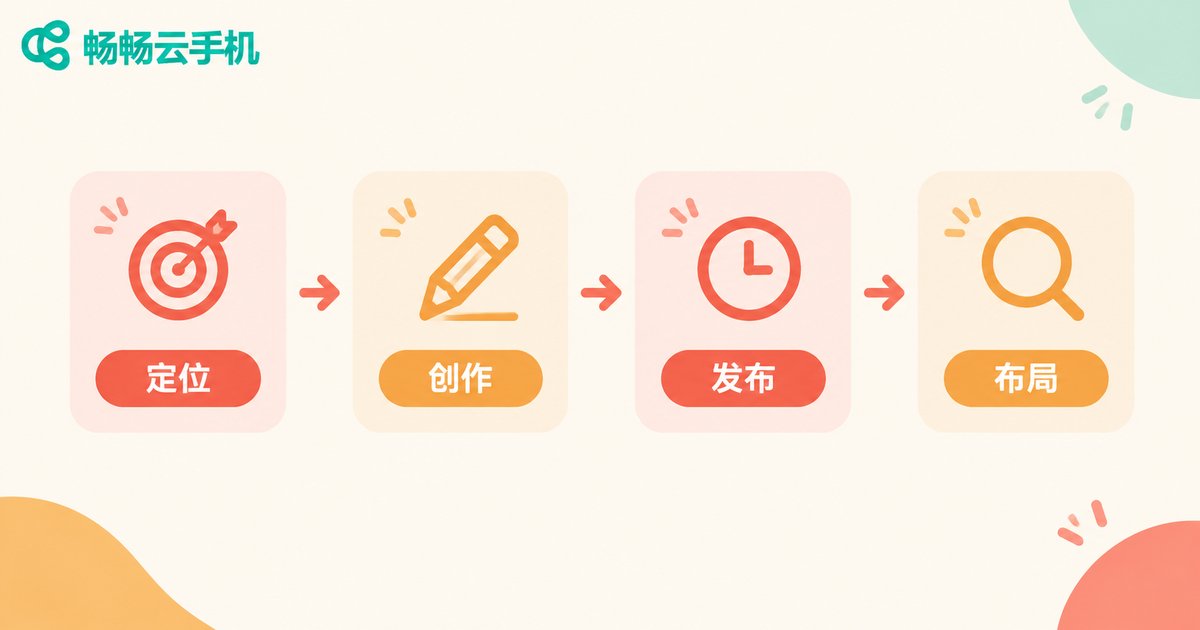
Once the device problem is solved, content decides success or failure. Multi-account seeding does not mean posting the same note ten times, which is a fast track to mass throttling. The right approach is one matrix, many roles:
Differentiated positioning: split one product category into distinct personas. A beauty matrix, for example, can target budget-conscious students, office commuters, and sensitive-skin repair as separate directions, with each account serving one audience only.
Original or deeply reworked content: before publishing the same material on another account, rewrite the title, redesign the cover, change the first three lines, reorder images, and adjust tags so every note carries its own content fingerprint.
Staggered publishing: never let all accounts post at the same moment. Spread accounts across your audience's active windows, such as the morning commute, lunch break, and evening prime time.
Keyword segmentation: have different accounts target different search terms within the same category. One account owns budget foundation reviews, another targets foundation for oily skin, so there is no keyword cannibalization and full category coverage.
Anti-Throttling Details You Cannot Skip
Xiaohongshu's detection of bulk marketing behavior keeps getting stricter. Avoiding throttling comes down to one principle: make every account look like a real individual user. Implement each of the following:
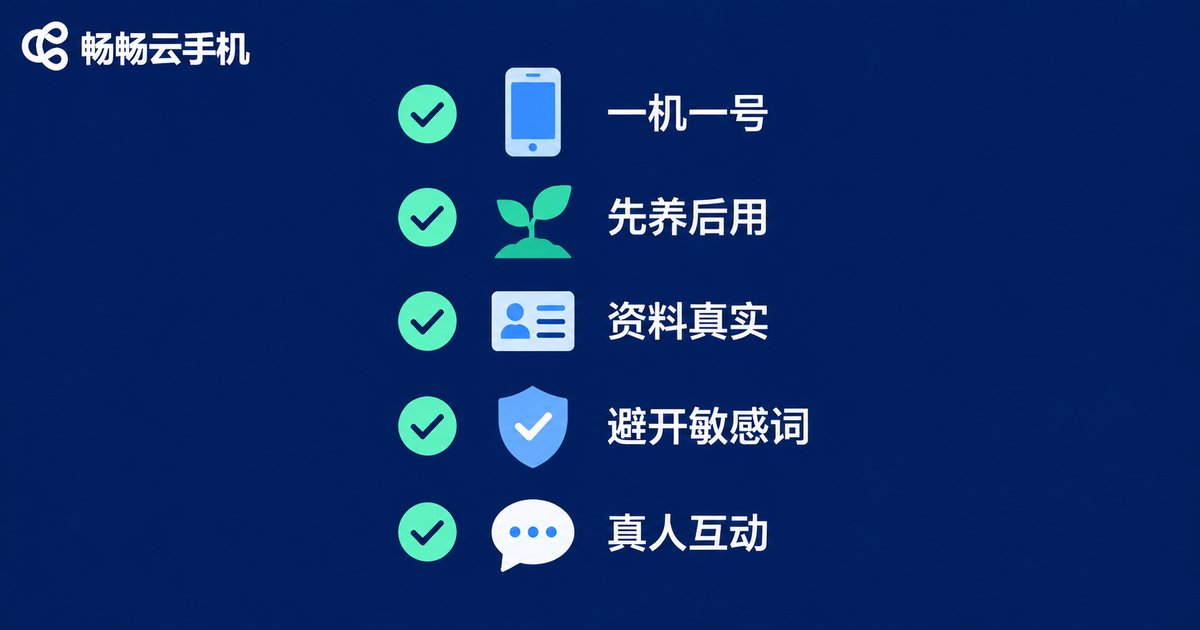
One account per device, never mixed: log each Xiaohongshu account into exactly one cloud phone and never bounce the same account across devices.
Nurture new accounts first: let freshly registered accounts behave like normal users by browsing, liking, commenting, and following for one to two weeks before publishing, building a natural behavior trail.
Authentic profiles: avatars, nicknames, bios, and banners must match the persona, with no obvious marketing traces.
Avoid sensitive words: keep hard-sell phrases out of note bodies and comments; let recommendations emerge naturally through scenarios and genuine experience.
Engage like a human: reply to comments after publishing and interact with notes in your niche to stay daily-active instead of going silent.
Why Choose CCloudPhone
Among cloud phone services, CCloudPhone (畅畅云手机) is built specifically for multi-account operation scenarios. It provides independent Android cloud device environments and supports many cloud phones online simultaneously with batch management. Combined with group control features, you can efficiently handle daily matrix work such as installing apps in bulk, managing account assets centrally, and publishing notes on schedule, all from a single computer.
For operators just starting out, CCloudPhone lets you activate cloud devices as needed: run a small matrix first, validate your content model, then scale up gradually. For established matrix teams, batch operations significantly reduce labor costs. Visit the official CCloudPhone website to learn more and choose a setup that matches your matrix size.
FAQ
Q: How many Xiaohongshu accounts can one cloud phone hold?
Stick to one account per device. Sharing a device across multiple accounts sharply increases linking risk and is not worth it.
Q: Will using cloud phones get my matrix throttled?
Throttling depends on account behavior and content quality, not device type. With one account per device, proper nurturing, and original content, a cloud phone is no different from a physical phone in the platform's eyes.
Q: Should I launch many accounts at once?
No. Start with three to five accounts to validate positioning, content, and publishing workflow, then scale once you have a replicable template.
Q: Do notes published from a cloud phone perform differently?
No. Note distribution depends on content quality, keywords, and engagement, not on the device used to publish.
Q: Does CCloudPhone support batch operations?
Yes. CCloudPhone offers batch management and group control capabilities for bulk app installation and bulk actions, ideal for daily matrix management.