
No More Manual Scrolling! Cloud Phone Matrix Auto Account Warming Doubles Your Short Video Growth Efficiency
Why Every New Account Needs a Warm-Up
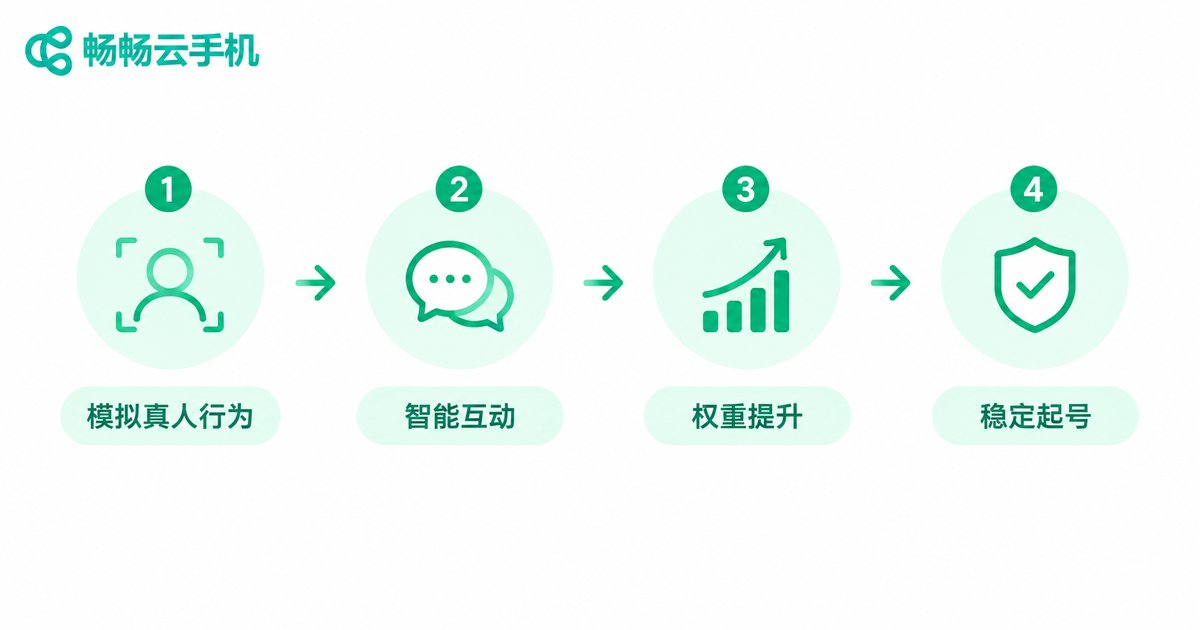
On short video platforms, a freshly registered account is like a new employee on probation. The system watches how you behave: what you watch, how long you stay, whether you like or comment, and whether your activity follows a natural rhythm. These signals determine your account's initial weight score — and how much initial exposure your first videos will receive.
That's why experienced operators always schedule a warm-up period before publishing: act like a real user, watch videos and livestreams daily, interact occasionally, and let the algorithm label the account as a genuine — ideally niche-focused — user. A well-warmed account grows with half the effort; a neglected one can sink without a trace no matter how good the content is.
The problem? Warming up is extremely repetitive and time-consuming. One account for an hour or two a day is manageable, but matrix operators often juggle dozens of accounts. Manually scrolling through all of them is a full-time job. Many creators get stuck right here: it's not that they can't make content — they simply have no time left to warm up accounts.
The Cloud Phone Matrix: Moving Account Warming to the Cloud
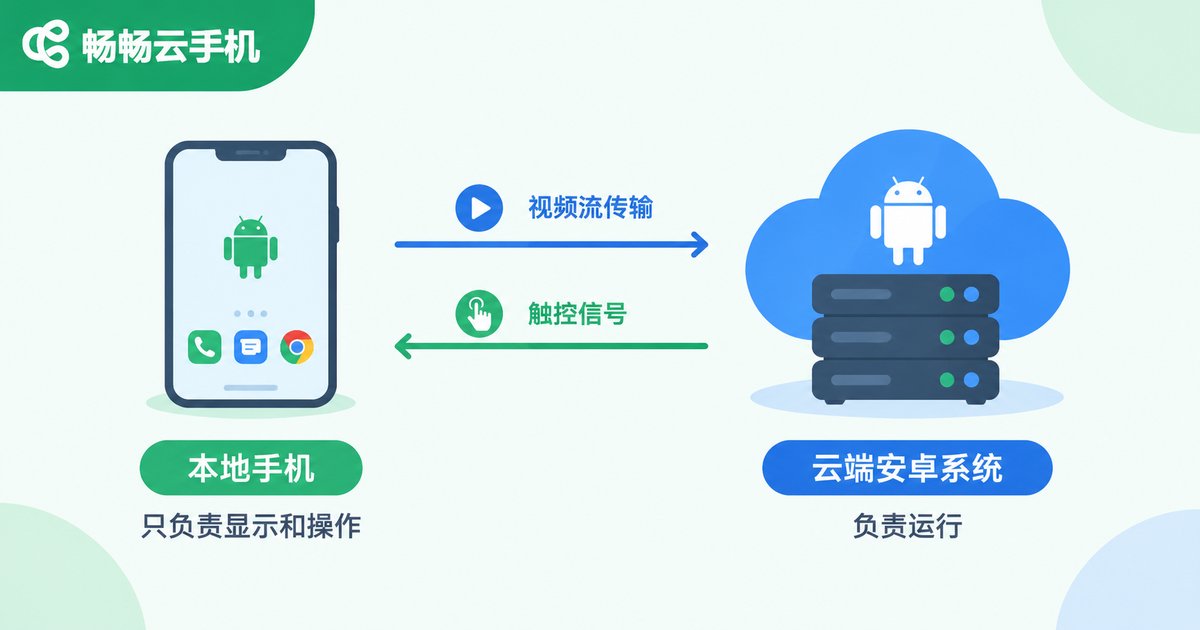
First, what is a cloud phone? It's an Android system running in a cloud data center, with its own independent device environment and network identity. It behaves almost exactly like a physical phone, yet takes up no desk space and uses none of your electricity — you simply control it remotely through a browser.
Manage many cloud phones together and you have a matrix. Assign one account to each cloud phone, then push batch tasks to all of them: when to boot up, which videos to watch, how long to stay on each one, when to like and follow, when to shut down. Once configured, everything runs automatically in the cloud, 24 hours a day, 7 days a week. All you do is check the data from time to time.
In short: with manual warming, you serve the accounts; with a matrix, the system serves them. That's where the efficiency gap comes from.
Four Steps to Fully Automated Account Warming
Step 1: Build independent environments. Add devices in batch on your cloud phones, keeping one device, one account, one environment to minimize cross-account linkage from the start. Place new accounts in the cloud right after registration — don't rush to publish.
Step 2: Break down real user behavior. Turn a typical user's day into concrete tasks: how many videos to watch daily, how many seconds to stay on each, how many likes, how many follows within your niche, and which hours to stay active. The closer the tasks mirror real humans, the more naturally the account grows.
Step 3: Let the cloud take over. Once tasks are configured, they run on the cloud even when your own computer is off. Hand your daily scrolling shift to the system and free your hands completely.
Step 4: Review and tier your accounts. Check the data every two or three days. Promote the accounts gaining weight quickly with clean niche labels, adjust the pacing for underperformers, and rotate out the rest — far cheaper than replacing physical phones.

Manual Warming vs. Cloud Phone Matrix: The Gap Speaks for Itself
| Dimension | Manual Warming | Cloud Phone Matrix |
|---|---|---|
| Accounts manageable | 3–5 at most | Dozens to hundreds, batch-managed |
| Daily time cost | 1–2 hours per account | Near zero after setup |
| Operating hours | Only while you're awake | 24/7, nonstop |
| Behavior consistency | Fatigue, missed sessions | Executes tasks exactly |
| Hardware cost | One phone per account, pricey | Elastic cloud capacity, no wear and tear |
Do the math: warming 10 accounts manually takes at least 10 hours a day — a full-time job. With a cloud phone matrix, you spend half an hour on setup and about fifteen minutes a day reviewing data. Pour the saved time into scripts, filming, editing, and competitor research, and doubling your growth efficiency follows naturally. It's not magic — it's simply giving repetitive work to a better tool.
Five Details That Make Automated Warming Feel Human
1. Ramp up gradually. Keep task volume low for the first few days, then increase watch time and interactions step by step, mimicking how a real newcomer gets hooked.
2. Keep interests vertical. During warm-up, watch content aligned with your future niche: food accounts watch food, drama accounts watch drama. This helps the algorithm label your account accurately and quickly.
3. Stagger activity windows. Never let all accounts act at the same moment. Randomize boot times, viewing sessions, and interactions so the group behaves like a crowd of genuinely independent users.
4. Prepare content while warming. While the cloud warms your accounts, write scripts and shoot footage in parallel. When account weight stabilizes, your content is ready — you move straight into publishing.
5. Choose a reliable provider. Matrix warming depends on long-term stability; frequent disconnects or lag disrupt the rhythm. Take a look at ChangChang Cloud Phone (ccloudphone): independent cloud Android environments, batch device control, task hosting in the cloud, and unified browser-based management — friendly even for beginners. For device specs and plan details, refer to the official ccloudphone website.

FAQ
Q: Will platforms flag accounts warmed on cloud phones?
Cloud phones provide independent device and network environments as a legitimate cloud computing service. Whether an account gets flagged depends mainly on behavior. Keep task pacing human-like and avoid aggressive mechanical actions, and accounts generally stay stable. Start small, then scale once the workflow is proven.
Q: I have zero technical background — can I still run a matrix?
Yes. Modern cloud phones are built for simplicity. With ChangChang Cloud Phone, for example, you register, add devices, and tick task options to get running — all in the browser, no coding required.
Q: How long should each account stay active daily?
There's no fixed rule; 1–3 hours of meaningful activity per day is typical. Consistency and regularity matter more than marathon sessions. Scheduled boot and shutdown tasks give accounts a stable daily routine.
Q: How many days should warm-up last?
A common range is 7–15 days, while you watch whether recommendation and engagement data look normal. Treat warming as step one, not the goal — use the time to study benchmark accounts and plan topics.
Q: Is a cloud phone cheaper than buying used handsets?
Beyond purchase cost, physical phones bring electricity, space, SIM cards, and repairs — and broken units need replacing. Cloud phones are provisioned on demand, scale anytime, occupy no physical space, and never wear out. The larger your matrix, the bigger the advantage.