Can Cloud Phones Grab Moutai and Concert Tickets? Millisecond Response and Multi-Account Concurrency Tested
The Short Answer: Yes, But It Is Not a Guaranteed-Win Cheat
Let's answer the question everyone cares about up front: a cloud phone can absolutely be used for Moutai purchases and concert ticket drops — but it solves two completely different problems in each scenario. Grabbing Moutai is about account quantity and daily persistence, while grabbing concert tickets is about millisecond-level speed and network stability. A cloud phone helps with both, but it is not a '100% win rate' cheat code — and we will back that up with real test data below.
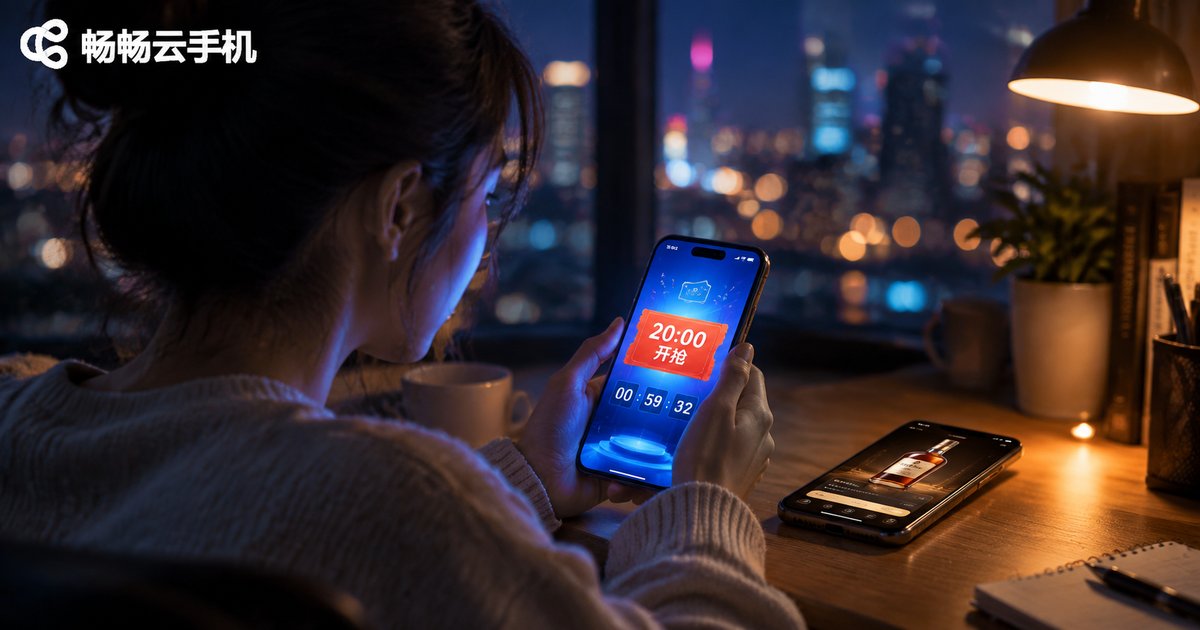
A dose of realism first: the i-Moutai reservation system is essentially a lottery — you apply daily and winning comes down to chance, so more accounts mean more entries and better theoretical odds. Concert tickets, on the other hand, are a scheduled flash sale — inventory clears within seconds, and victory goes to the fastest network and the best preparation. The value of a cloud phone is maximizing the part of this equation you can actually control.
Why Cloud Phones Are a Natural Fit for Flash Sales
If your phone is already in your hand, why do you need one in the cloud? The reasons are refreshingly practical:
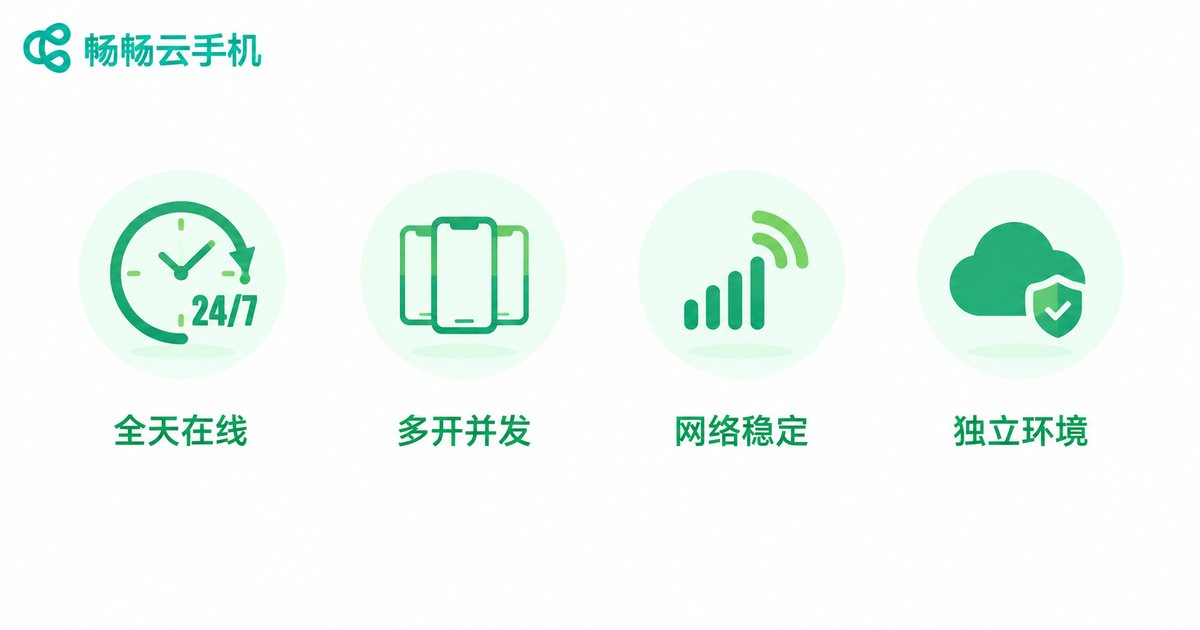
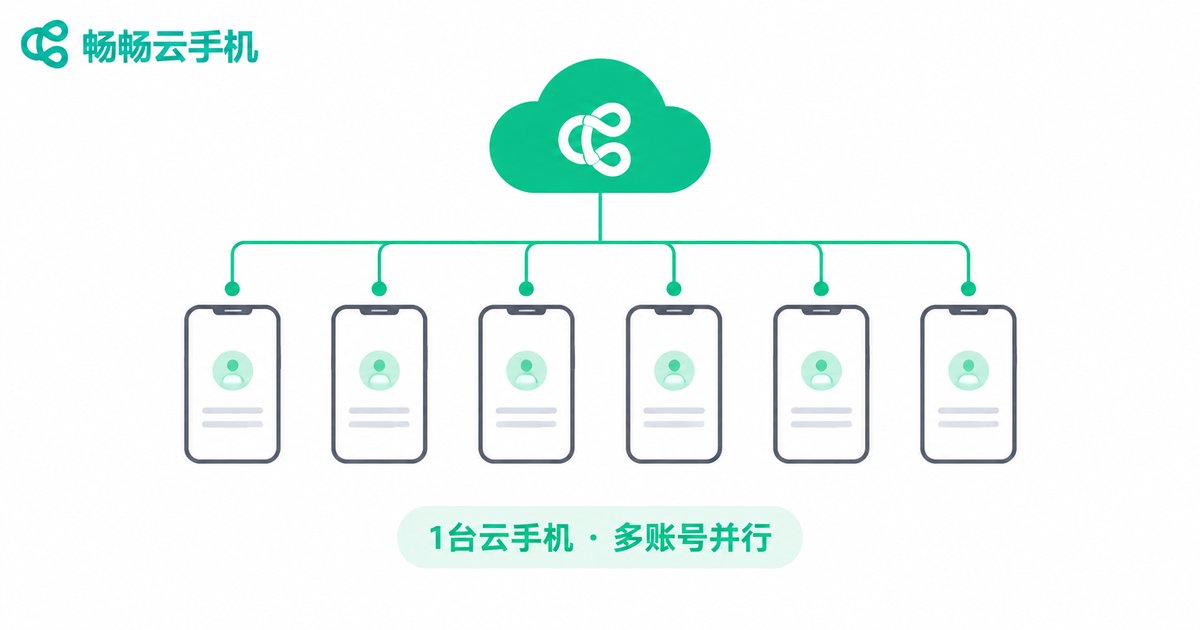
1. Multi-instance concurrency: one person, a whole team. A single cloud phone runs multiple independent account environments side by side, so your accounts and your family's can be online and operating simultaneously. Juggling three physical phones means unlocking, switching, and hunting for buttons; on a cloud phone, every account sits on one screen, tapped at the same time.
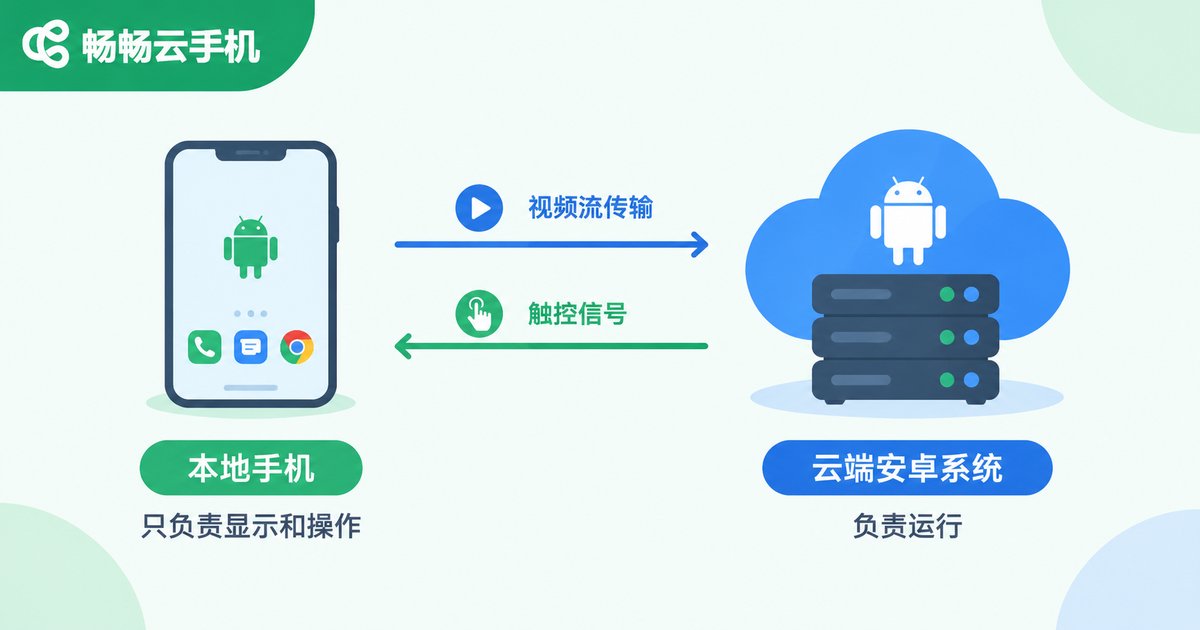
2. Online around the clock, without occupying your own phone. Cloud phones run in data centers, powered on 24/7, while your personal phone stays free for everything else. Daily routines like timed Moutai reservations live in the cloud, so you never forget a drop.
3. Stable, low-latency networking. The real enemy of flash sales is not high latency — it is latency jitter. Home Wi-Fi chokes in the evening, and mobile networks collapse in crowded venues. Cloud phones ride dedicated data-center lines with far more consistent latency.
4. Independent environments. Each cloud phone instance is an isolated workspace, so multiple accounts operate without interfering with each other — no more logging in and out on your personal device.
Millisecond Response Test: Stability Matters More Than Absolute Numbers
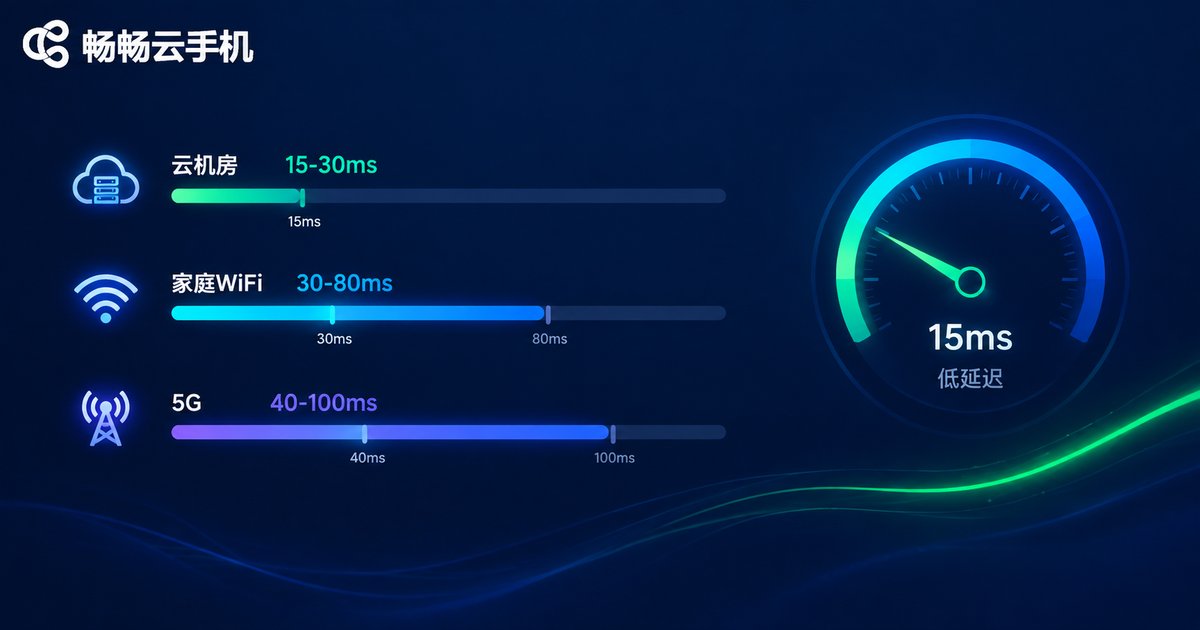
To verify real-world performance, we ran a comparison test across three environments — cloud phone, home broadband Wi-Fi, and 5G mobile — measuring latency (ping) to major e-commerce and ticketing platforms, with 50 samples per environment.
| Network | Average Latency | Jitter Range | Flash-Sale Experience |
|---|---|---|---|
| Cloud phone data-center network | 15-30ms | ±5ms | Stable, instant response |
| Home broadband Wi-Fi | 30-80ms | ±20ms | Okay, occasional stutters |
| 5G mobile network | 40-100ms | ±30ms | Jittery, noticeable lag at peak |
The data tells two stories. First, the cloud phone's average latency is genuinely lower. Second — and more importantly — its jitter is tiny. If your network hiccups for 200ms at the exact moment tickets go live, the good seats are gone. A cloud phone holds latency under 30ms consistently, turning a lucky draw into a repeatable action.
To be fair: between your tap and the platform's order confirmation sit the platform's own server load and queuing mechanisms, which no network can bypass. Millisecond response optimizes the segment you control, ensuring every tap leaves your device in peak condition.
Multi-Account Concurrency Test: Near-Perfect Sync in Milliseconds
Our second test was closer to combat conditions: running multiple accounts on one cloud phone and tapping the same product or ticket tier simultaneously at the drop, then measuring the spread of request times.
Result: concurrent accounts fired their requests almost in unison, with deviations measured in milliseconds. Compare that with one person juggling several physical phones — just switching devices and finding the button eats seconds, hopelessly out of step with the drop.
| Approach | Accounts Operable | Sync Quality | Human Effort |
|---|---|---|---|
| Multiple physical phones, manual | 2-3 is the practical limit | One by one, seconds apart | Full attention, exhausting |
| Cloud phone multi-instance | Many accounts, one screen | Nearly simultaneous, millisecond spread | One screen does it all |
For Moutai, that means the whole family's accounts can apply every day at the same time, doubling your entries and lifting your odds. For concerts, multiple accounts can watch different tiers at once — whichever one lands, you win.
Moutai vs. Concert Tickets: Two Different Games, Two Different Plays
People lump these together, but the logic — and the cloud phone's role — differs completely:
| Dimension | Moutai (i-Moutai reservation) | Concert tickets |
|---|---|---|
| Mechanism | Daily application, random lottery | Scheduled drop, first come first served |
| Key variable | Number of accounts, daily persistence | Speed, latency, preparation |
| Cloud phone's value | Timed multi-account applications, maximum entries | Stable millisecond response plus parallel accounts |
| Luck factor | High (lottery) | Low (pure speed and prep) |
One-line summary: Moutai is a war of attrition — the cloud phone keeps you persistent and multiplies accounts; tickets are a blitz — the cloud phone makes you fast and steady.
Practical Checklist: Do Your Homework Before the Drop
Tools amplify; preparation wins. Whether it is Moutai or tickets, nail these before go-time:
1. Accounts ready in advance. Complete real-name verification and phone binding days ahead — never register on drop day.
2. Details pre-filled. Shipping addresses, attendee info, payment methods — all preset, so the only action left is tapping.
3. Sync your clocks. Calibrate the time on your cloud phone, enter the page 1-2 minutes early, and watch the countdown.
4. Have backups. Know your second and third choice of tier or session; for Moutai, accept 'missed today, try again tomorrow'.
5. Use legitimate features, never cheat scripts. Stick to the cloud phone's built-in timers and multi-instance management. Never use plug-ins or purchase bots — they violate platform rules and often carry malware that steals accounts.
Risks and Compliance: Three Red Lines You Must Not Cross
Now the serious part — what not to do:
First, no reselling. Hoarding and reselling concert tickets or Moutai at a markup is illegal and can carry serious penalties. A cloud phone boosts your odds of buying for personal use — it is not a scalping tool.
Second, accounts must be real. Both Moutai reservations and ticket purchases require real-name identity. 'Multiple accounts' means your own and your family's genuine accounts; mass-registering fake accounts violates the rules and will be flagged by risk-control systems.
Third, respect platform rules. Platforms run risk control on abnormal behavior. Normal cloud phone use is generally fine, but any attempt to game the system risks suspension. Act rationally, spend rationally.
ChangChang Cloud Phone: Built for Flash Sales and Multi-Instance Workloads
If you are ready to try cloud-phone flash sales, take a look at ChangChang Cloud Phone. Its core capabilities map directly onto this scenario: millisecond-level response for faster, steadier taps; multi-instance concurrency for operating many accounts on one screen; and 24/7 cloud availability so no scheduled drop is ever missed.
Beyond flash sales, ChangChang Cloud Phone also suits multi-instance gaming and long-running background apps. For plan configurations and pricing, visit the official ChangChang Cloud Phone website (ccloudphone) and pick the setup that matches your account count and budget.
FAQ
Q: Does a cloud phone guarantee winning a Moutai reservation?
No. i-Moutai is a lottery. A cloud phone ensures multiple accounts apply on time every day, maximizing entries and theoretical odds — but each draw still involves luck. Manage your expectations.
Q: Is a cloud phone really faster than manual ticket grabbing?
Faster in two ways: data-center latency is lower and steadier, so requests leave sooner; and multiple accounts run in parallel on one screen instead of switching devices. Platform queuing and stock, however, remain beyond anyone's control — the cloud phone improves the part you can control.
Q: Will multi-account use get my accounts banned?
Using your own and your family's real accounts within platform rules is generally fine. Mass fake registrations, bots, or cheat scripts violate the rules and risk suspension once flagged. Do not risk it.
Q: How many accounts can one cloud phone run?
It depends on the plan you choose — more accounts call for a higher-spec plan. Check the official ChangChang Cloud Phone website for detailed plan parameters.
Q: Do I need to keep my computer or phone running?
No. The cloud phone lives in a data center and stays online 24/7. Your own device can be off or offline without interrupting cloud tasks; log back in anytime to take over.