
Operations · Engineering · Trends
Hands-on playbooks, product updates and cross-border insights from the CCloudPhone team.

How to Use AI Agents in Cloud Phone Marketing: Building an AIGC Distribution Workflow
Cloud phones plus AI Agents are reshaping how marketing teams create and distribute content. This article explains in plain language the five core capabilities an AI Agent gains on a cloud phone: bulk content production, account nurturing, scheduled distribution, automated data feedback, and risk alerting. You will learn a complete five-stage AIGC distribution pipeline — topic generation, review, task orchestration, automated publishing, and data-driven iteration — plus a practical four-step setup guide, a manual-versus-automation comparison, and answers to common questions, so you can start small, prove the workflow, and scale with confidence.
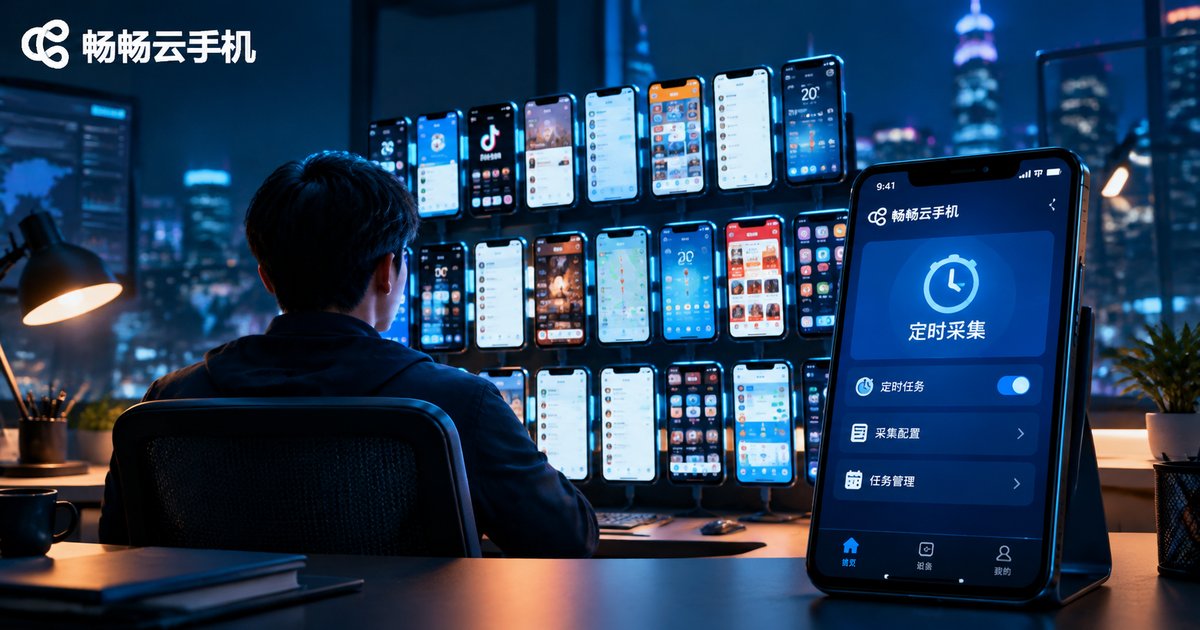
How to Use AI Agents on Cloud Phones for Data Collection! Scheduled Task Triggers
This guide explains how to pair a cloud phone with an AI Agent for automated data collection, with a focus on scheduled task triggering. It breaks down the agent's perceive-decide-act-record loop, compares three trigger modes — fixed time, interval loops, and condition-based triggers — and walks through a complete e-commerce price monitoring example, plus practical tips for keeping long-running jobs stable. Because cloud phones stay online around the clock, run in isolated environments, and support batch management, your collection tasks no longer depend on a powered-on local computer, making true unattended automation possible.
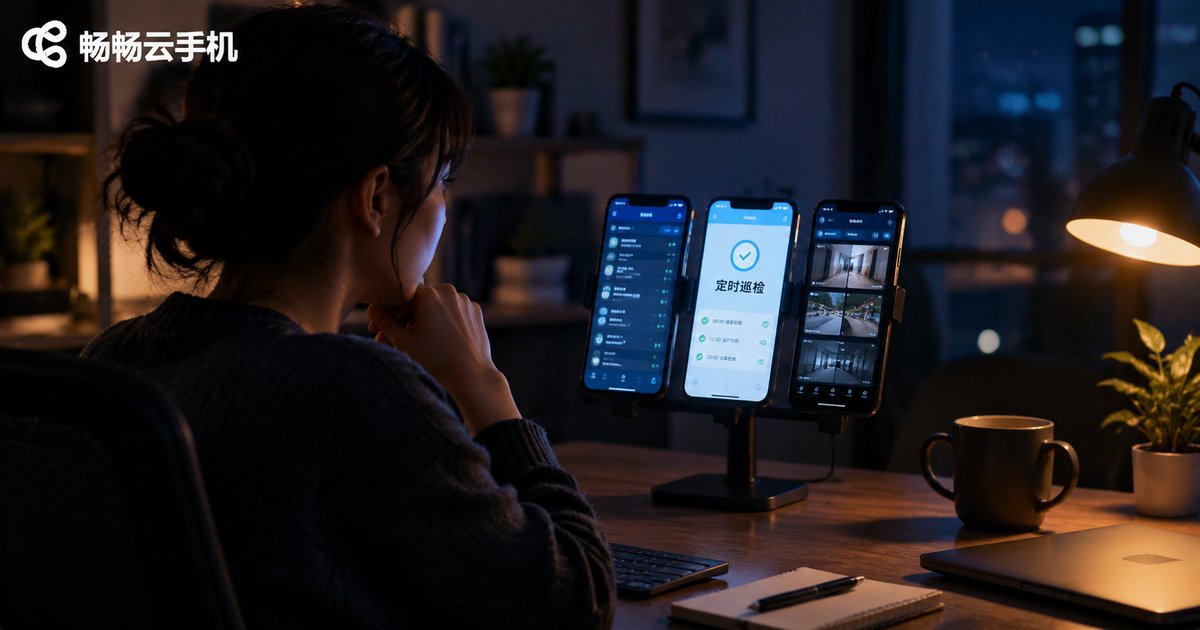
How to Implement Scheduled App Inspection on Cloud Phones! Automated Monitoring Configuration
Keeping apps online around the clock means fighting disconnections, freezes, and popup interruptions. This guide explains how scheduled inspection on cloud phones works and how to configure automated monitoring step by step: setting task schedules, collecting running status, configuring exception alerts, and building auto-recovery policies. It also compares suggested inspection frequencies for typical scenarios such as game grinding and livestream duty, and shows how ChangChang Cloud Phone (ccloudphone) provides a stable cloud Android environment for reliable unattended operations.
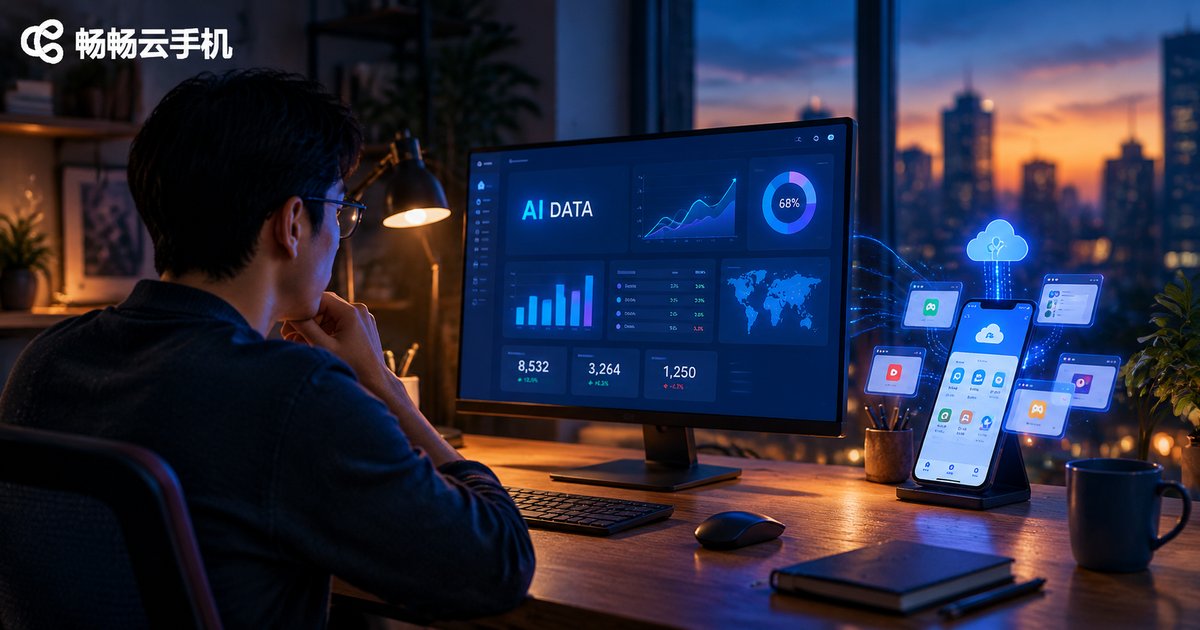
How to Extract Cross-App Data on Cloud Phones: AI Auto-Export & Organization Workflow
Cross-app data extraction turns scattered app data into structured, usable reports. This guide shows how to run all your apps inside a cloud phone and let an AI workflow handle the rest: scheduled exports, unified formats, automatic cleaning, deduplication, tagging and archiving. You will learn the complete six-step process, see a side-by-side comparison of manual versus AI-organized data, and get practical compliance tips to keep your automation safe. A cloud phone keeps the whole pipeline running around the clock, so your daily reports are ready before you start work — ideal for e-commerce sellers, content creators and gamers.
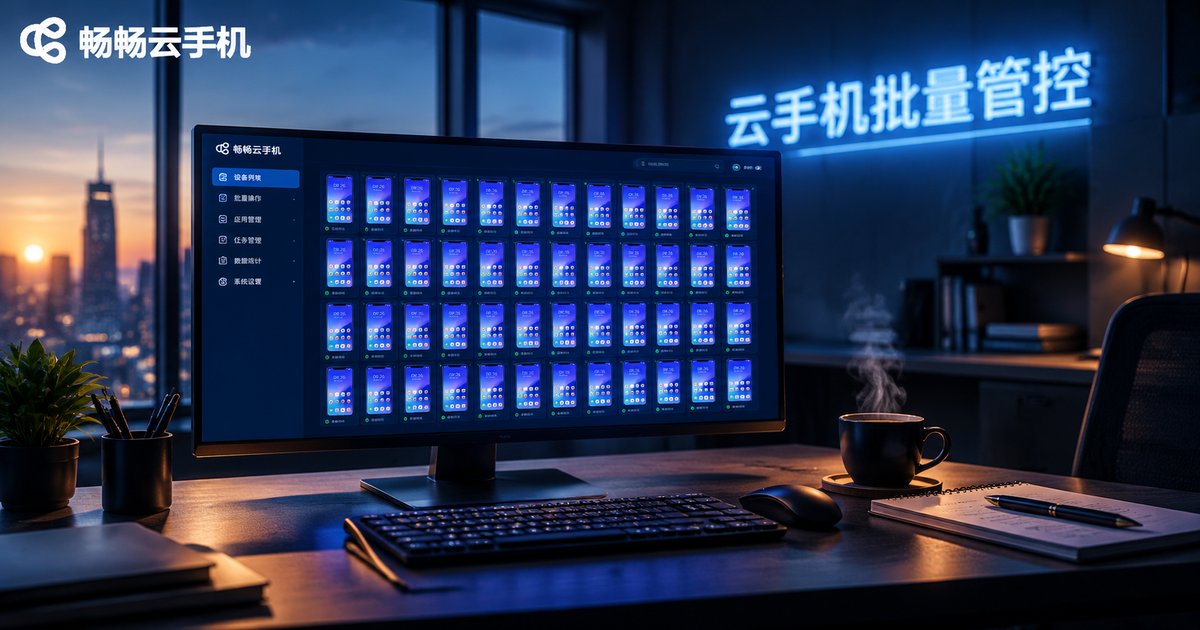
How to Batch Install Apps and Run Batch Tasks on Cloud Phones: A Control Tutorial
This tutorial explains, in plain language, how to batch install apps and execute batch tasks across cloud phones. It walks through three common installation methods: uploading an APK and distributing it to selected devices, one-click installation from the built-in app store, and cloning a fully configured template device. It then breaks down three ways to run tasks at scale: group control synchronized operations, scheduled tasks, and scripted workflows. You will also find practical tips for avoiding common pitfalls, such as testing on a small batch first, staggering execution times, and grouping devices by purpose. The article closes with a FAQ answering frequent questions about speed, error handling, scripting without code, and detection risks. Whether you manage ten devices or a hundred, this guide helps you build an efficient, repeatable cloud phone batch management workflow with ChangChang Cloud Phone (ccloudphone).
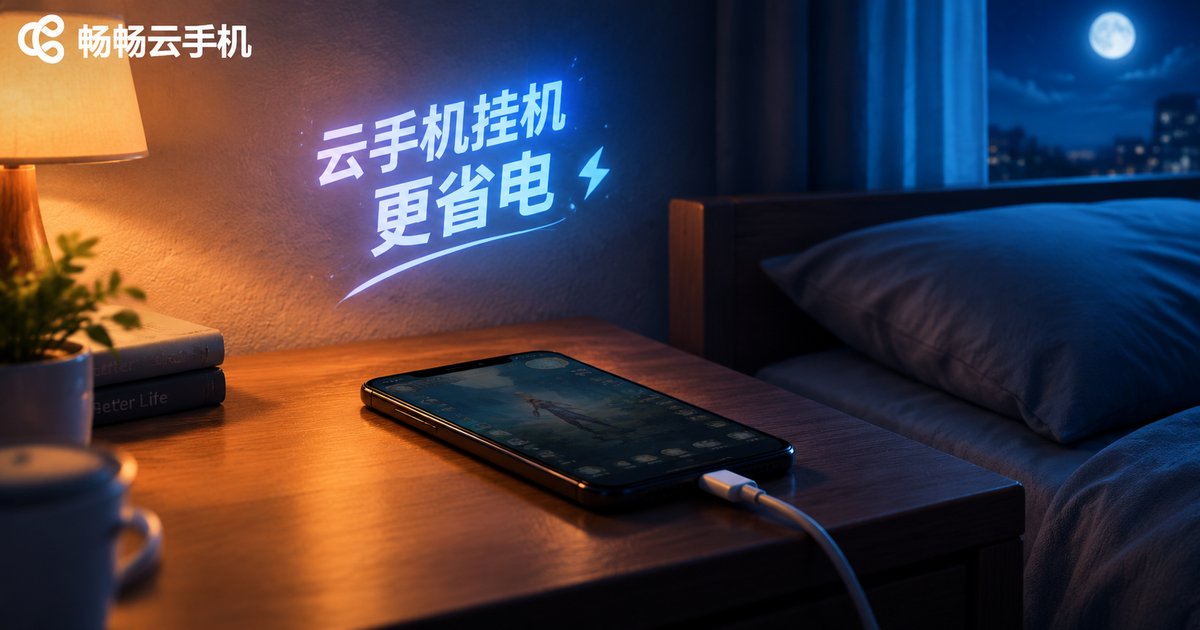
Cloud Phone AFK vs. Screen-On AFK: Which Saves More Battery? Power Consumption Data Revealed
Real test data shows that AFK with your screen on drains 8%–12% battery per hour, while running the same tasks on a cloud phone with your screen off uses only 1%–2% per hour — a gap of more than six times. Over an 8-hour overnight session, screen-on AFK can burn through most of a full charge and push body temperature to around 40°C, while a cloud phone setup finishes with 85% or more battery left. This article publishes the full 8-hour power consumption comparison, explains why the display is the single biggest battery drain, breaks down how cloud phones shift the workload to the data center, and shows how to set up long, low-power, low-heat AFK sessions with CCloudPhone.
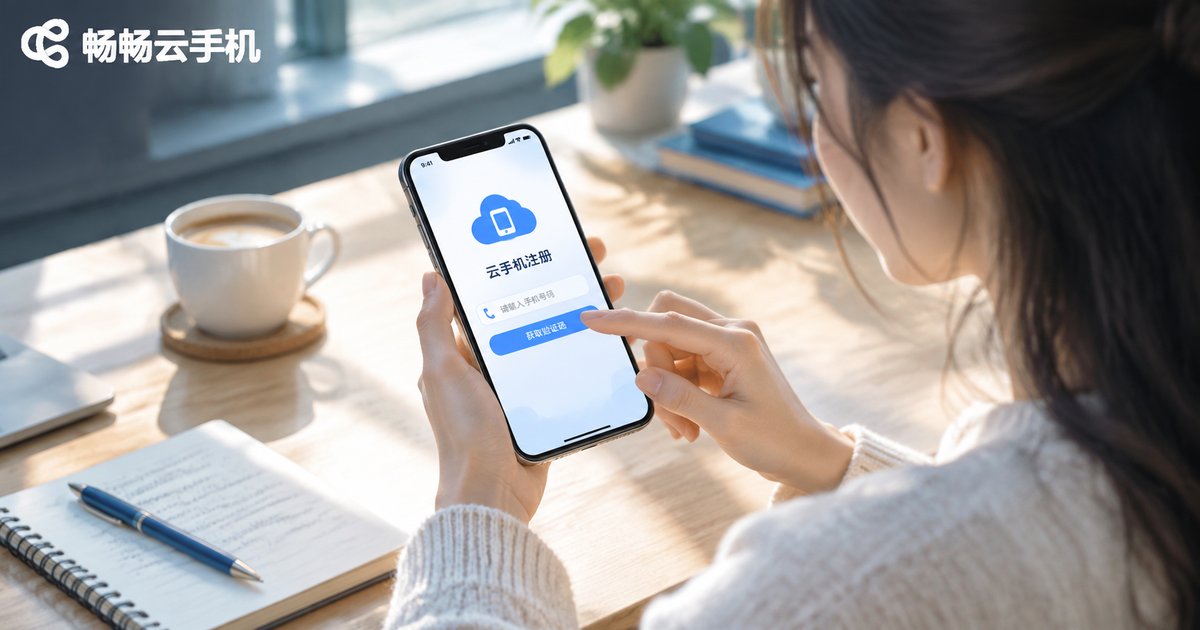
How to Register a Cloud Phone Account? Registration Process and Precautions Explained
Wondering how to create a cloud phone account? This guide walks you through the entire registration process step by step, from preparing a phone number and a stable network to receiving the SMS verification code and setting a secure password. It also covers essential precautions, such as downloading the app from official channels, protecting your verification code, and following the one-account-per-number rule. A troubleshooting table explains what to do when the code never arrives or the page fails to load. Using ChangChang Cloud Phone (ccloudphone) as an example, this article helps you finish registration in a couple of minutes and start your cloud phone experience with confidence.
Carrier Cloud Phones vs Third-Party Cloud Phones: How to Choose
Carrier cloud phones and third-party cloud phones may look similar, but they serve very different purposes. Carrier services are add-ons bundled with telecom plans — trustworthy and easy to bill, yet basic in features. Third-party platforms are professional productivity tools offering batch multi-instance management, group control, game idling, and app hosting. This article breaks down the core differences in a single comparison table and helps you decide with three key questions: choose a carrier cloud phone for light backup needs, and choose a professional third-party service such as ChangChang Cloud Phone (ccloudphone) for game idling, multi-account operations, and studio-scale workloads.

Are Cloud Phones Expensive? Why Some Cost Tens While Others Cost Hundreds per Month
Cloud phone plans can cost anywhere from a few tens to several hundred yuan per month, and the gap comes down to four things: hardware tier, number of instances, dedicated versus shared resources, and value-added features such as group control and multi-instance management. This guide breaks down how cloud phone pricing actually works, compares what budget and premium tiers can realistically do, and shares practical tips on matching a plan to your real needs—start small, trial first, and upgrade on demand—so you pay for performance you will actually use instead of specs that only look good on paper.

What Is a Cloud Service Experience Camp? A Roundup of Free Cloud Product Trials
A cloud service experience camp is a free trial program run by cloud providers to help new users get started without paying up front. Common formats include limited-time free trials, newcomer bundles and task-based camps. This article rounds up the cloud products you can typically try for free—cloud servers, cloud databases, object storage and cloud phones—and compares them in a quick-reference table. It also walks through a four-step sign-up flow and shares practical tips on backing up data before expiry, watching for auto-renewal and following fair-use rules. If you are curious about cloud phones, the article points to the official ChangChang Cloud Phone (ccloudphone) website for current trial events.
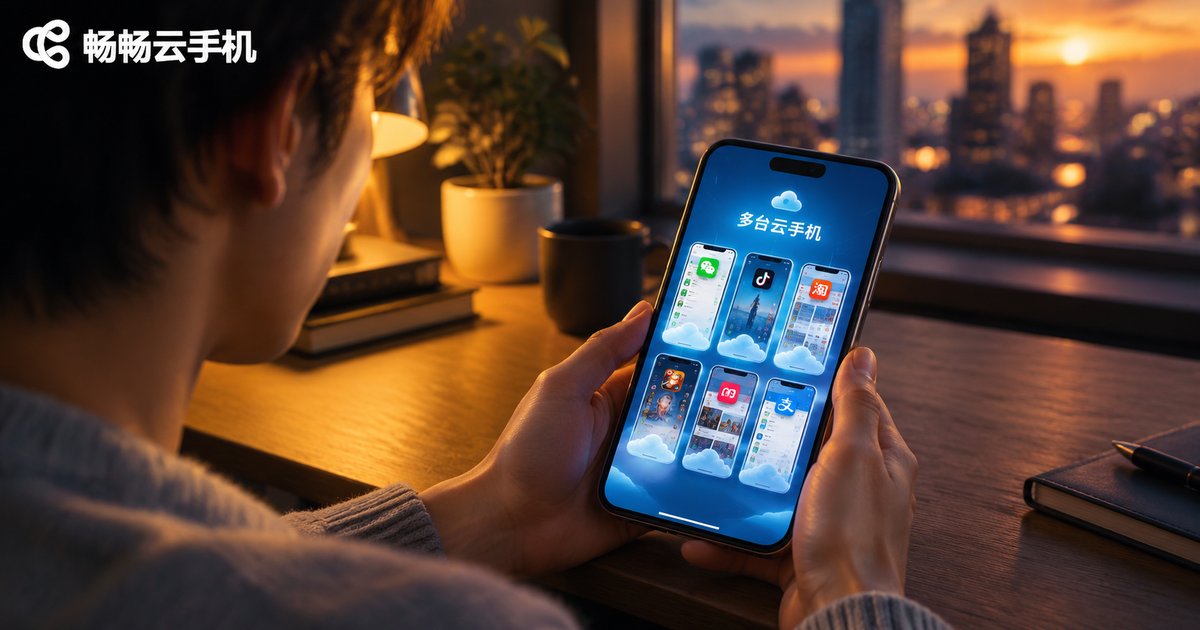
How Many Cloud Phone Apps Can One Phone Install? Multi-Client Coexistence Limits
How many cloud phone apps can a single phone install? Android itself sets no hard limit — what really decides the experience is storage, RAM, network bandwidth, and battery life. This article breaks down the real limits of running multiple cloud phone clients on one device, compares installing several local apps versus using one client with cloud-side multi-instance, and shows how ccloudphone lets you manage multiple cloud phones from a single app by shifting the multi-opening workload to the cloud. Practical tips and a FAQ section are included at the end.
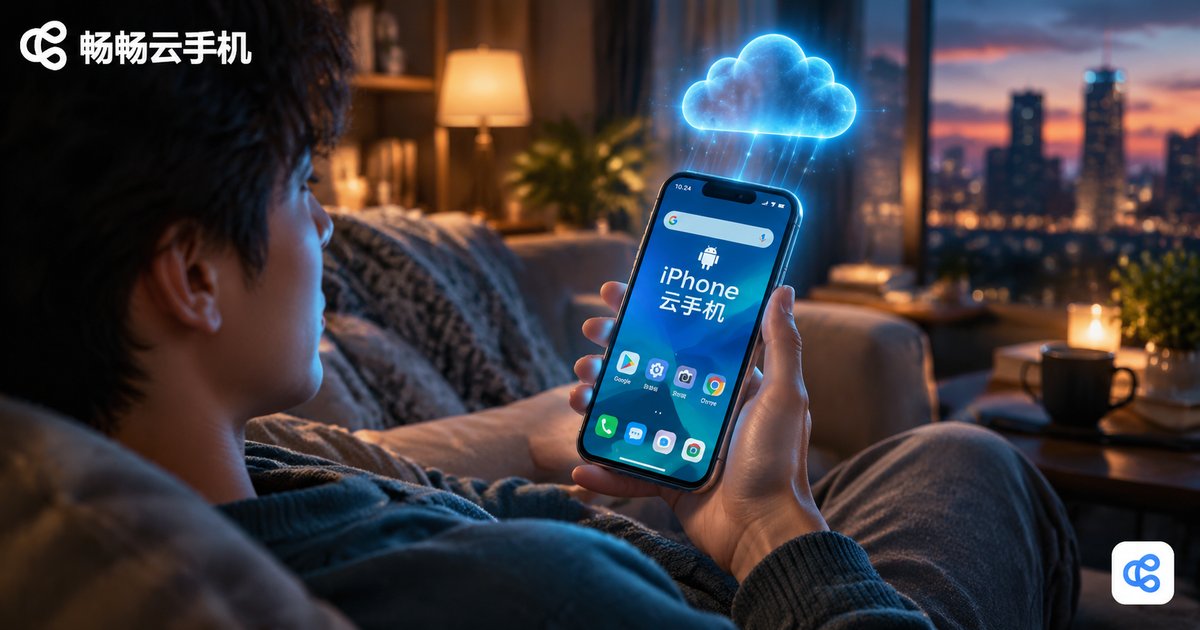
How to Use a Cloud Phone on iPhone: Installation and Connection Guide for Apple Devices
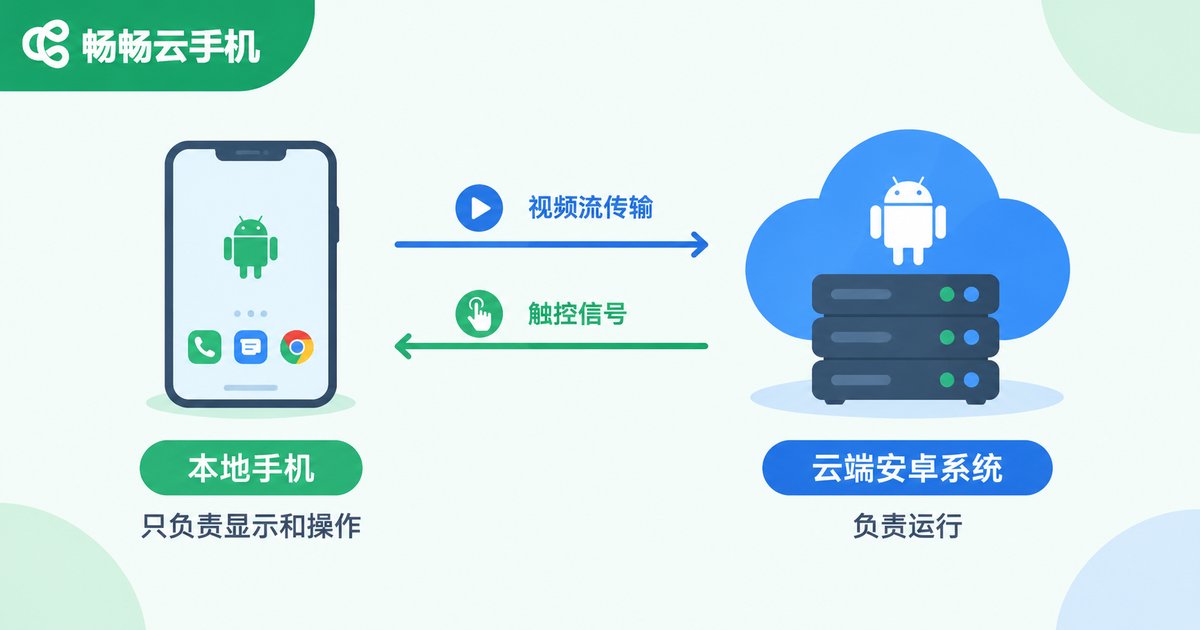
This guide walks iPhone users through everything they need to know about using a cloud phone. It explains what a cloud phone is and why Apple users benefit from it, then provides a complete step-by-step tutorial for installing ccloudphone on an iPhone: downloading the app from the App Store, registering an account, and connecting to a cloud device. A comparison table shows how cloud-based operation differs from running everything locally, covering storage, battery, heat, and uptime. Practical tips on network choice, background tasks, and multi-account management are included, along with answers to the most frequently asked questions. With a cloud phone, your iPhone can run Android apps smoothly while the heavy lifting happens in the cloud.