
Operations · Engineering · Trends
Hands-on playbooks, product updates and cross-border insights from the CCloudPhone team.
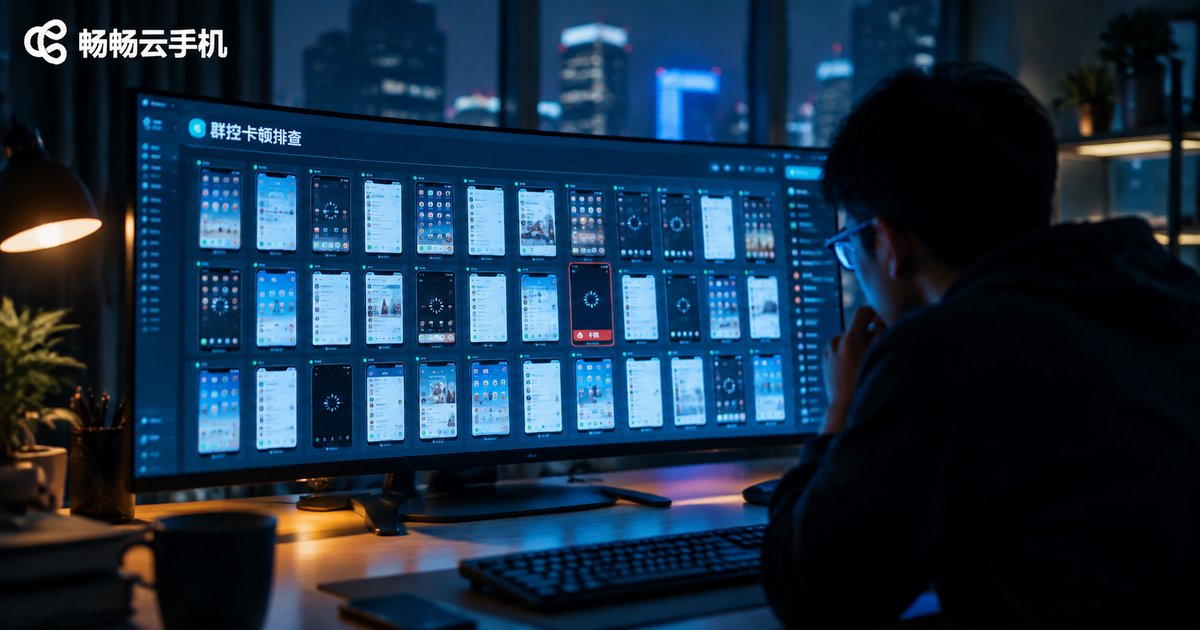
Cloud Phone Group Control Lag: The Real Cause Is Console Video Decoding, Not Commands
When cloud phone group control starts lagging, most users blame the network or the commands. In reality, the bottleneck is usually console video decoding: streaming and decoding dozens of live phone screens at once can saturate your CPU and GPU. This article shows how to confirm a decoding bottleneck in three steps—checking task status on the phone side, monitoring CPU/GPU usage, and running a window-reduction test—then shares practical fixes: lowering preview resolution and frame rate, rendering only the active window, enabling hardware decoding, and batching operations, so your multi-device console stays smooth.

Cloud Phone Command Dispatch: Broadcast, Targeted, and Orchestrated Granularity Explained
Command dispatch granularity decides whether your cloud phone fleet runs like a machine or a mess. This article breaks down the three levels: broadcast, targeted, and orchestrated dispatch. Broadcast drives uniform actions across every device but needs staggered timing to avoid risk control; targeted delivery builds on device groups for A/B tests, canary releases, and risk isolation; orchestration chains commands into automated pipelines with conditions, retries, and callbacks. You get a side-by-side comparison table, a proven combined playbook, and practical guidance for running these strategies on ccloudphone.
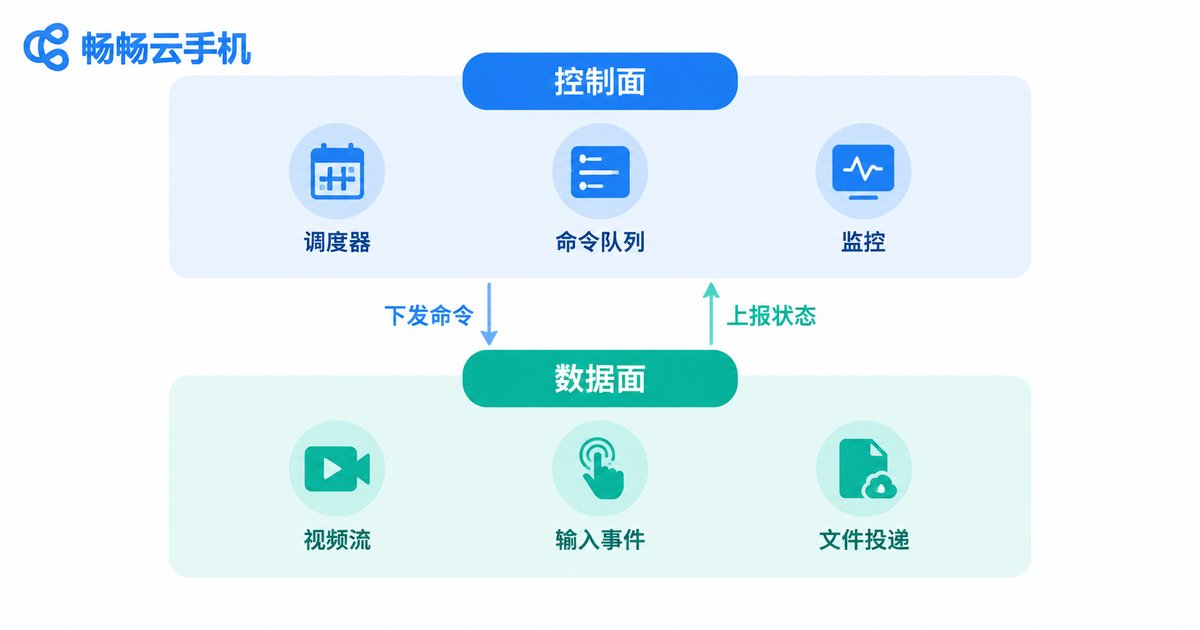
How to Build a Cloud Phone Group Control System: Control Plane and Data Plane Separation Explained
A plain-language guide to building a cloud phone group control system, centered on the control plane and data plane separation architecture. The control plane acts as the brain, handling device registration, task scheduling, command queues and heartbeat monitoring, while the data plane does the heavy lifting, carrying H.264/H.265 video streams, low-latency input events and bulk file distribution over independent channels. The article walks through a five-step deployment process, benchmark metrics, the most common pitfalls, and a shortcut: using CCloudPhone's ready-made cloud Android infrastructure to skip the infrastructure work entirely.
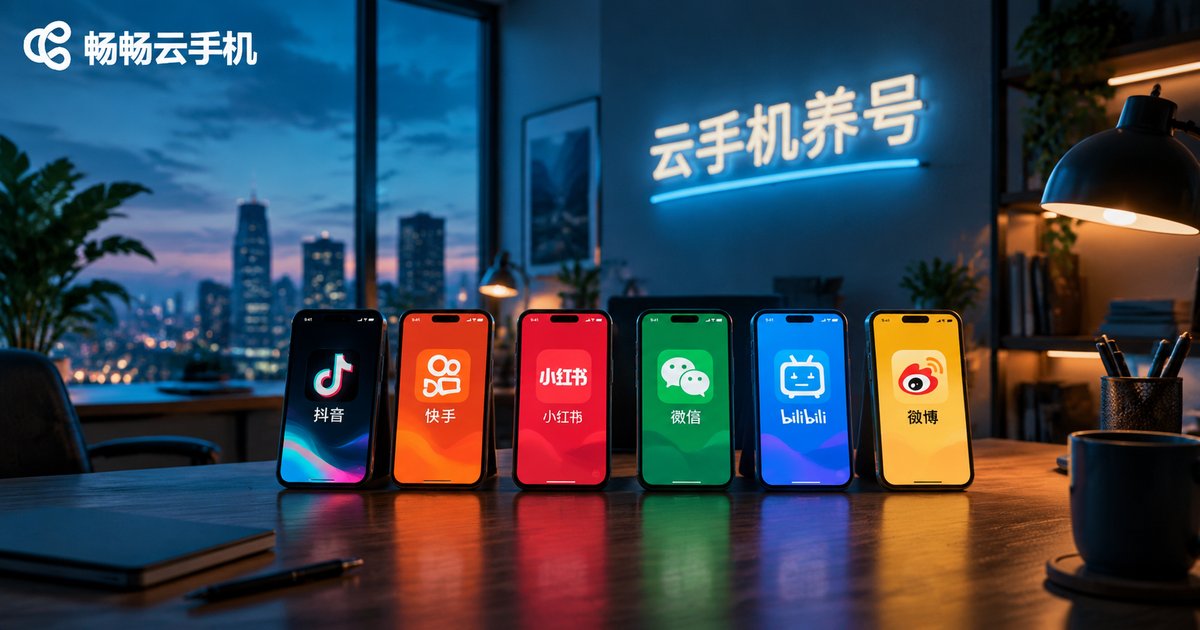
Cloud Phone Multi-Account Nurturing: Why Dedicated Phone Numbers and Emails Matter as Much as Dedicated IPs
In multi-account operations, many people assume a dedicated IP is all it takes to stay safe, only to see accounts banned in batches anyway. This article explains how platform risk-control systems link accounts together: phone numbers and emails act as identity credentials, and their associations are even harder to hide than IP addresses. We break down common mistakes such as reusing one number across accounts and recycling mailboxes, and show how ChangChang Cloud Phone (ccloudphone) gives every account its own independent device environment, achieving full isolation across IP, phone number, and email for safer, longer-lasting account nurturing.

Cloud Phone Device Fingerprint and IP Location Mismatch: How Platforms Judge Geographic Consistency
When a cloud phone's device fingerprint does not match its IP location, platforms take notice. This article explains how risk-control systems cross-check signals such as timezone, system language, SIM region, IP type and IP travel history, and how they tier their responses from silent logging to CAPTCHAs, verification, restrictions and bans. You will also learn why cloud phone users are more exposed to these checks, and get a practical geographic consistency checklist to align your device environment with your network location and keep accounts stable.
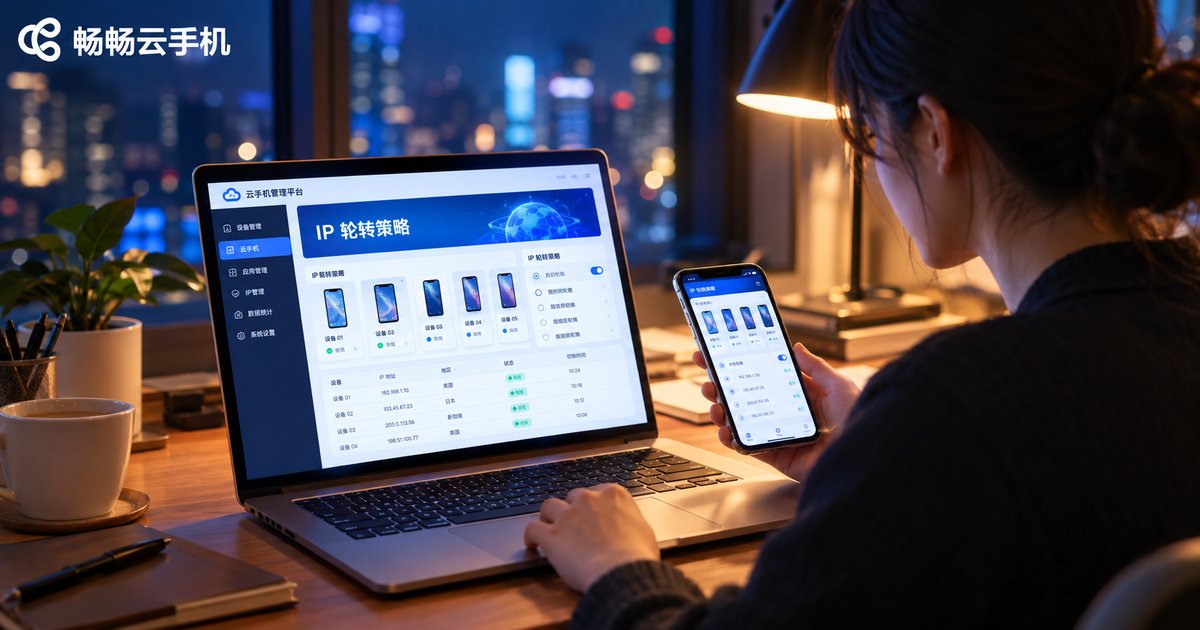
IP Rotation Strategy for Cross-Border Cloud Phone Operations: How Many Daily Switches per Account Are Safe
Platform risk control starts with your IP. This guide breaks down safe IP rotation frequency for cross-border cloud phone operations: 0-1 switches per day during the new-account warm-up period, 1-2 for stable accounts, and no more than 3 for high-intensity operations. It also explains the three things that matter more than raw counts — consistency, timing, and behavior warm-up — lists common mistakes that trigger account flags, and shows how ChangChang Cloud Phone (ccloudphone) helps teams standardize stable environments and scheduled switching across many accounts.
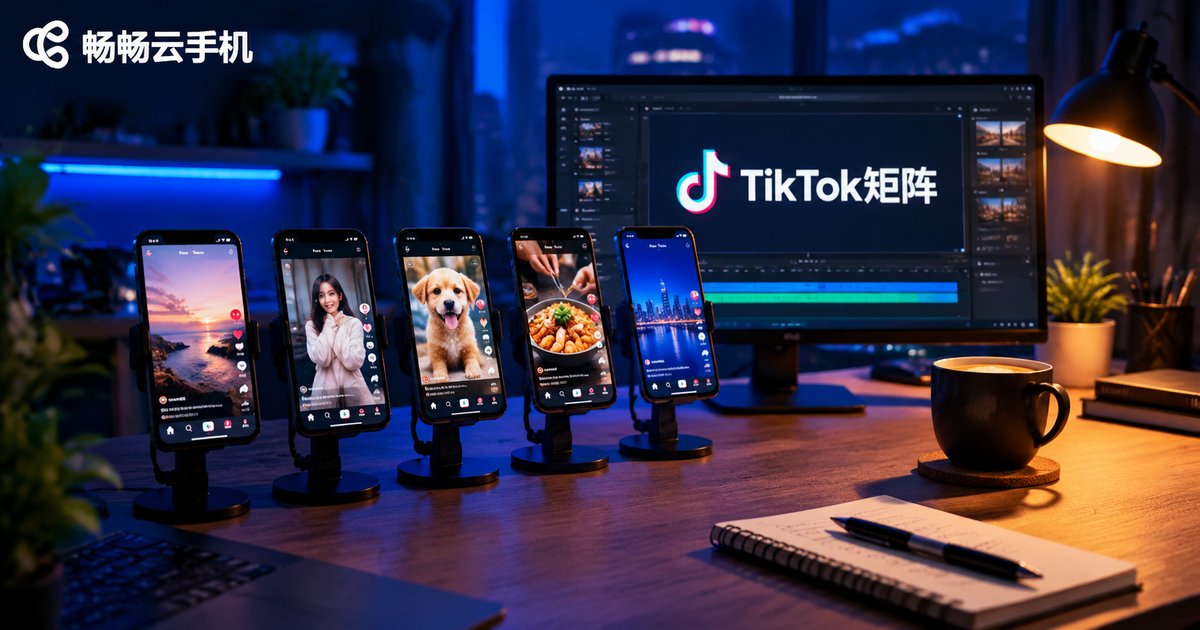
Cloud Phones for TikTok Matrix: Why Synchronizer Batch Operations Make Account Linking Easier — A Behavioral-Layer Risk Analysis
Many TikTok matrix operators fix the device-environment problem yet still fail at the behavioral layer. Synchronizer batch operations create millisecond-level synchronized trajectories, identical posting schedules and copy-paste interaction paths — exactly what platforms use to judge account linkage. This article breaks down the four typical behavioral signals of linking, the throttling and ban consequences that follow, and how to run every account independently with staggered schedules on ChangChang Cloud Phone (ccloudphone), so each account behaves like a real, standalone user.
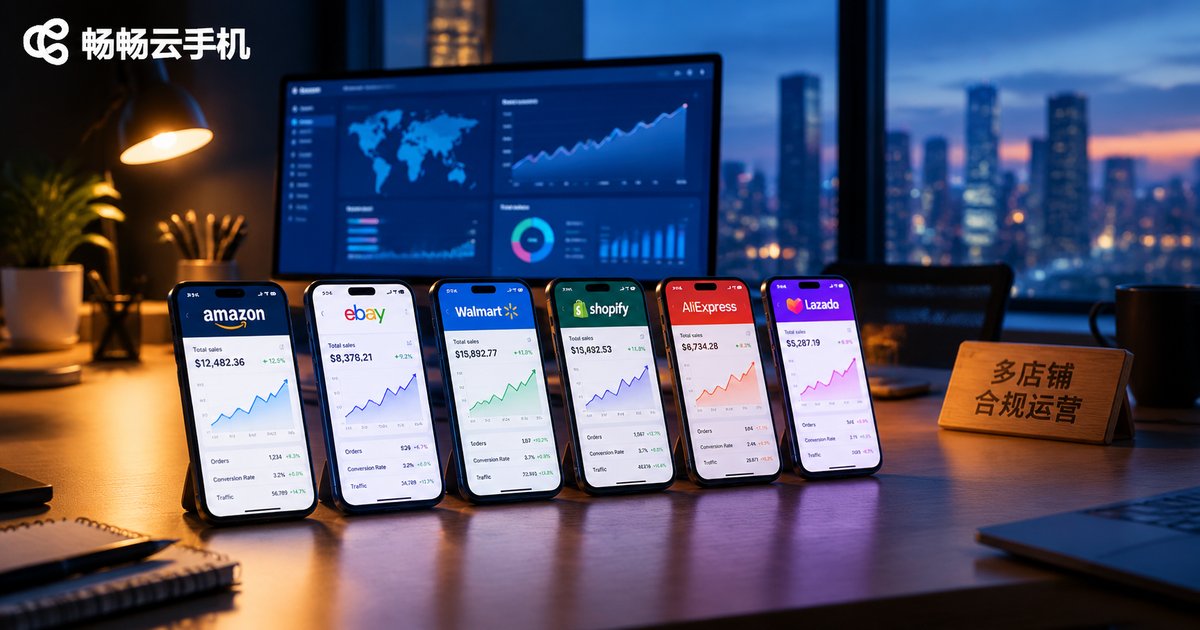
Cloud Phones in Amazon Multi-Store Operations: Compliance Boundaries and What the Platform Explicitly Prohibits
Amazon does not ban multiple seller accounts outright, but it requires a legitimate business reason, prior approval, and fully independent credentials for every account. This article maps the compliance boundaries of multi-store operations on Amazon, listing seven practices the platform explicitly prohibits, from unreported account creation and shared credentials to duplicate listings, review manipulation, and post-suspension re-registration. It also explains how Amazon judges account linking across registration, financial, network, device, and behavioral factors, and clarifies the proper role of cloud phones as device environment management tools that support, but cannot replace, genuine compliance.
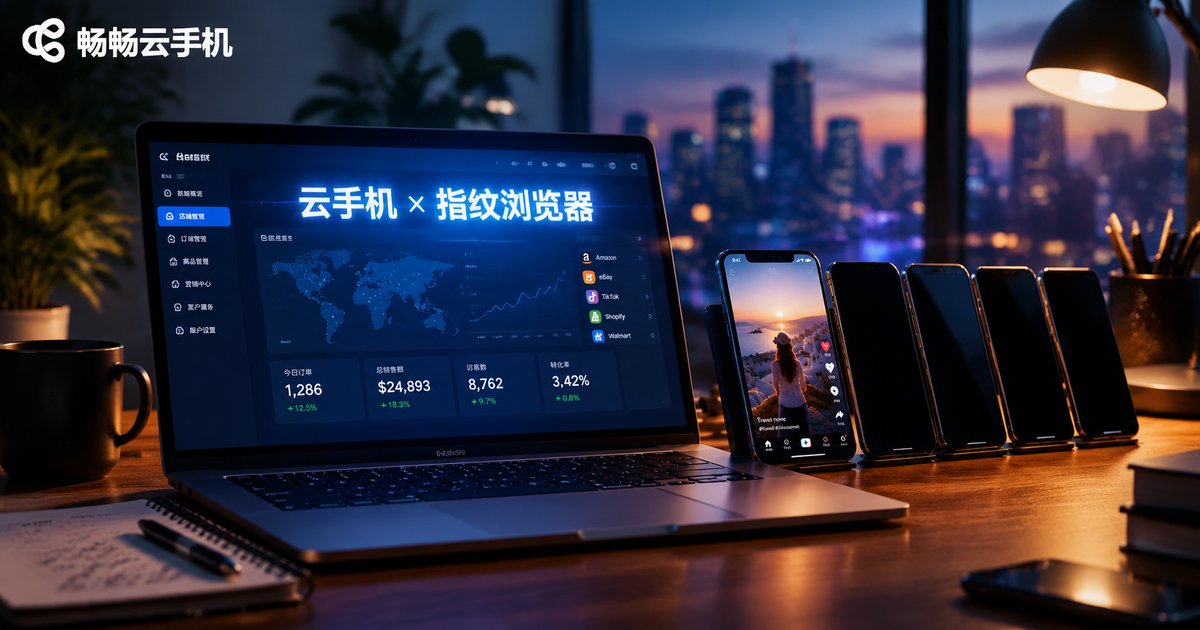
Cloud Phones with Fingerprint Browsers for Cross-Border E-Commerce: How to Build a Mobile + Desktop Combo Setup
In cross-border e-commerce, desktop runs the back office while mobile owns the front end—but how do you scale the mobile side? This article explains how cloud phones and fingerprint browsers divide the work, presents three combo architectures sized to your team, and walks through a five-step build: account profiles, desktop environments, cloud phone deployment, cross-device behavior alignment, and daily checks. You will also get four operational rules and an FAQ, so you can pair your fingerprint browser with ChangChang Cloud Phone (ccloudphone) and assemble a stable mobile-plus-desktop device matrix.
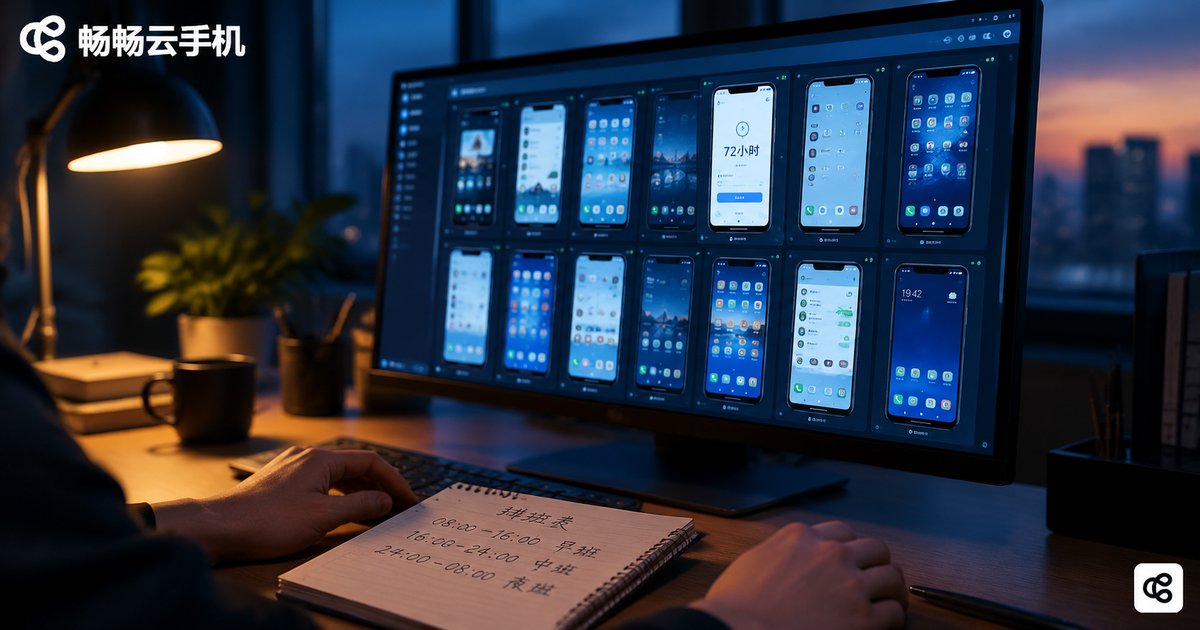
How Often Should You Reset Cloud Phone Account Environments? Rationale and Practice of the 72-Hour Device Environment Reset Strategy
How often should you reset a cloud phone account environment? This article explains the 72-hour device environment reset strategy validated by operating teams. It breaks the device environment into four layers—network, device, data and behavior—then shows why platform risk-control windows, anomaly signals and environment aging make 72 hours the balance between stability and freshness. You will learn what to change and what to keep in each cycle, a four-step implementation workflow (device ledger, staggered scheduling, one-click new device with IP rotation, and a 24-hour observation window), and how CCCloudPhone's batch management turns this rhythm into an effortless routine for multi-account operations.

Three-Dimensional Isolation for Cross-Border E-Commerce Anti-Association with Cloud Phones: Device, Network, and Behavior Layers
Account association is one of the biggest risks for cross-border e-commerce sellers running multiple stores. This article explains a complete three-dimensional isolation framework: at the device layer, cloud phones give every account its own hardware identity with independent device parameters; at the network layer, each account runs on a stable, dedicated IP whose location matches its registration data; at the behavior layer, staggered schedules and differentiated operations build truly independent personas. You will also learn why cloud phones, using ChangChang Cloud Phone (ccloudphone) as an example, are a more sustainable and cost-effective foundation than physical phone farms, plus a practical daily checklist and answers to the most frequently asked anti-association questions.

How to Set Up Cloud Phones for TikTok Multi-Account Operations: The One-Account-One-Device-One-IP Standard
Running multiple TikTok accounts on one device or one shared IP is the fastest way to get them linked and restricted. This article explains why the one-account-one-device-one-IP standard matters and how to implement it affordably with cloud phones: each cloud phone acts as an independent device, paired with a dedicated static IP per account, differentiated profiles, and a disciplined warm-up schedule. You get a step-by-step configuration checklist, a four-week warm-up plan, a table of common mistakes, and answers to frequent questions about IP stability, account recovery, and matrix scaling. Whether you are launching your first five accounts or expanding an existing matrix, this guide helps you build a stable, low-risk foundation for long-term TikTok growth.