
Three-Dimensional Isolation for Cross-Border E-Commerce Anti-Association with Cloud Phones: Device, Network, and Behavior Layers
Why Cross-Border E-Commerce Sellers Dread “Association”
Anyone running multiple stores on cross-border marketplaces knows the risk: most platforms do not allow one seller to operate multiple store accounts in violation of their rules. Once the risk-control system concludes that several accounts belong to the same operator — what sellers call account association — the consequences range from reduced traffic and lost promotional eligibility to multiple stores being suspended together, wiping out months of work overnight.
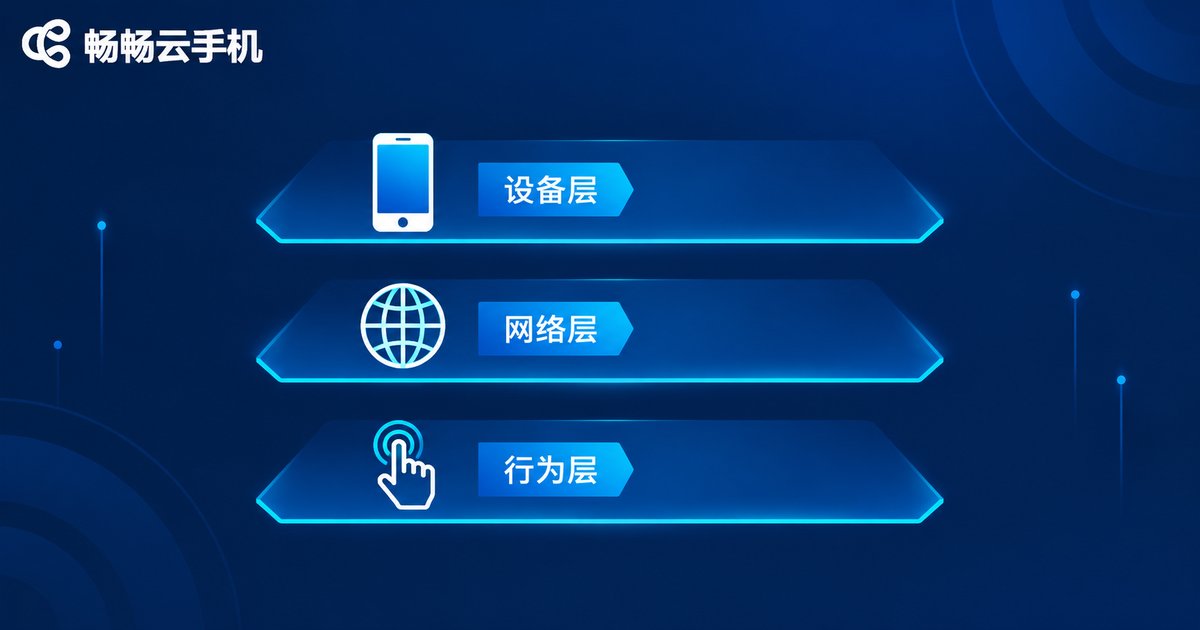
That is why anti-association is a mandatory skill for anyone building a multi-account matrix. The core idea is simple: make the platform believe that each of your accounts is operated by a different person, on a different device, over a different network. That requires isolation across three dimensions — device, network, and behavior — and all three are indispensable.
How Do Platforms Detect Account Association?
Many sellers assume that simply creating a new account with a new store name is enough. In reality, risk-control systems are far smarter. They collect clues along three dimensions:
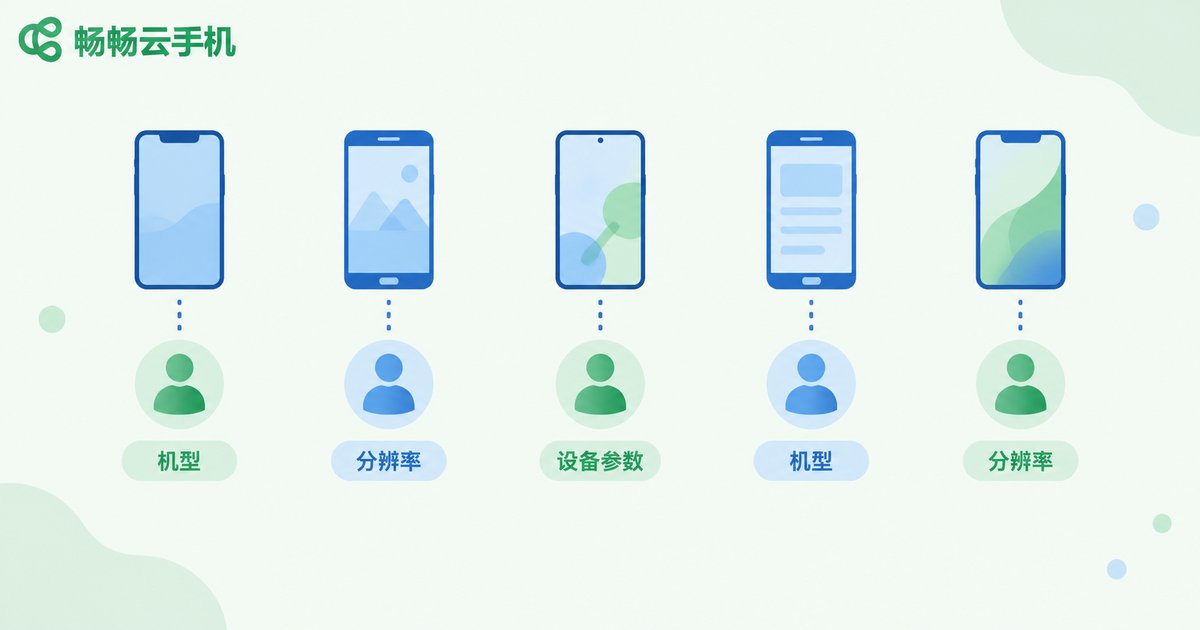
Device layer: hardware attributes of the phone — model, OS version, screen resolution, device identifiers, and more. If multiple accounts always log in from the same device, the association risk is extremely high.
Network layer: the IP address used when logging in. If several accounts operate for a long time under the same IP, the platform can easily group them under one operator.
Behavior layer: operating habits — login times, browsing rhythm, typing speed, patterns in listing products and replying to customers. Even with different devices and networks, highly similar behavioral traces will expose the “same person behind the scenes.”
Dimension 1: Device Isolation — Give Every Account Its Own “Phone”
The device is the account's “home.” The traditional approach is to buy a fleet of physical phones, one per store. But a physical phone farm has obvious problems: high hardware costs, space and power requirements, constant maintenance, and painful reconfiguration when a device fails.
Cloud phones offer a much lighter solution. A cloud phone is an Android environment running in the cloud, and each cloud phone instance carries its own independent device parameters. To the platform, each one looks like a separate physical phone. Account A lives in cloud phone No. 1, Account B in cloud phone No. 2 — their device identities are completely separated, reducing device-level association risk at the source.
One principle matters most here: one account, one phone, dedicated use. Once an account is assigned to a cloud phone, do not migrate it around. A long-term stable binding between account and device builds the “independent and stable” trust record that platforms like to see.
Dimension 2: Network Isolation — One Stable Dedicated IP per Account
If the device is the account's “home,” the IP is its “house number.” The network layer carries some of the heaviest weight in platform risk control, and many sellers separate devices perfectly only to fail on the network: for convenience, they log several accounts in under the same network environment — and get flagged as a group.
Three iron rules for network isolation:
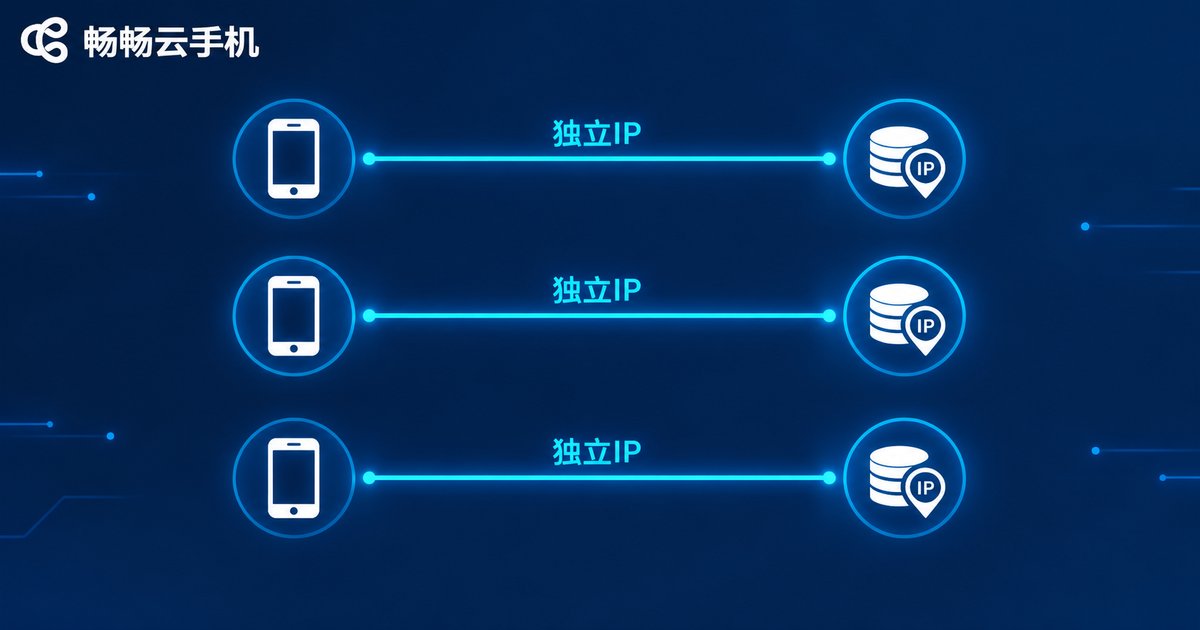
1. One account, one IP: bind each account to its own independent network environment and never share it. Switching between IPs from day to day looks more like abnormal activity, not less.
2. Keep the IP stable: an IP location that keeps jumping triggers anomaly detection. A stable, long-term dedicated IP is far safer than frequent switching.
3. Keep IP location consistent with account data: if the account's registration details say one region, keep the login IP in that region so the whole profile is logically self-consistent.
In practice, pair cloud phones with independent network environments: each cloud phone runs one account, and each account uses its own fixed network exit — achieving one-to-one correspondence at both the device and network layers.
Dimension 3: Behavior Isolation — Operate Like Different People
The first two dimensions handle “hardware identity”; the behavior layer handles the “human fingerprint.” Even with fully independent devices and IPs, identical operating habits will still give accounts away. Common behavioral association signals include:
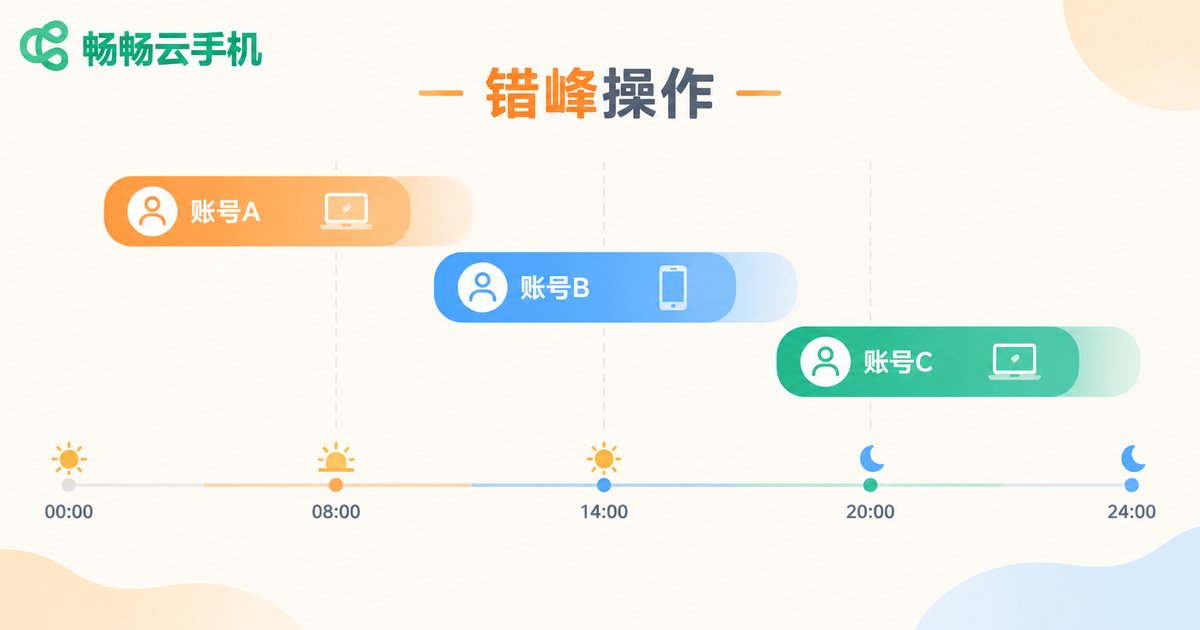
Identical login times: several accounts coming online and offline at the same minute every day is a classic sign of batch operation by one person.
Identical operating rhythm: similar page-view sequences, dwell times, and click intervals — or copy-pasting the same listing templates.
Overlapping operational patterns: uploading new products at the same time, replying to customers on the same schedule, changing prices in the same way.
There is no shortcut for behavior isolation. The key is to run each account as an independent “person”: set different working hours for different accounts — Account A in the morning, Account B in the afternoon, Account C at night — and stagger operations. Give each account its own operational rhythm and product-selection style, write original copy for each, and where possible assign different team members to different accounts so habits naturally diverge.
The Three Dimensions at a Glance
| Dimension | Typical Association Signals | Isolation Essentials |
|---|---|---|
| Device | Multiple accounts on one device; duplicated hardware parameters | One account, one phone; independent device parameters; dedicated use |
| Network | Shared IPs; frequently changing IPs; inconsistent locations | One account, one IP; stable and fixed; location matches profile |
| Behavior | Identical login times, rhythms, and operational patterns | Staggered schedules; differentiated operations; independent personas |
Why Cloud Phones Are the Better Foundation for Anti-Association
Put the three dimensions side by side and the limits of the physical-phone approach become obvious: high costs, fixed environments that are hard to adjust, no way to operate without the device in hand — and management costs climb linearly as the team grows.
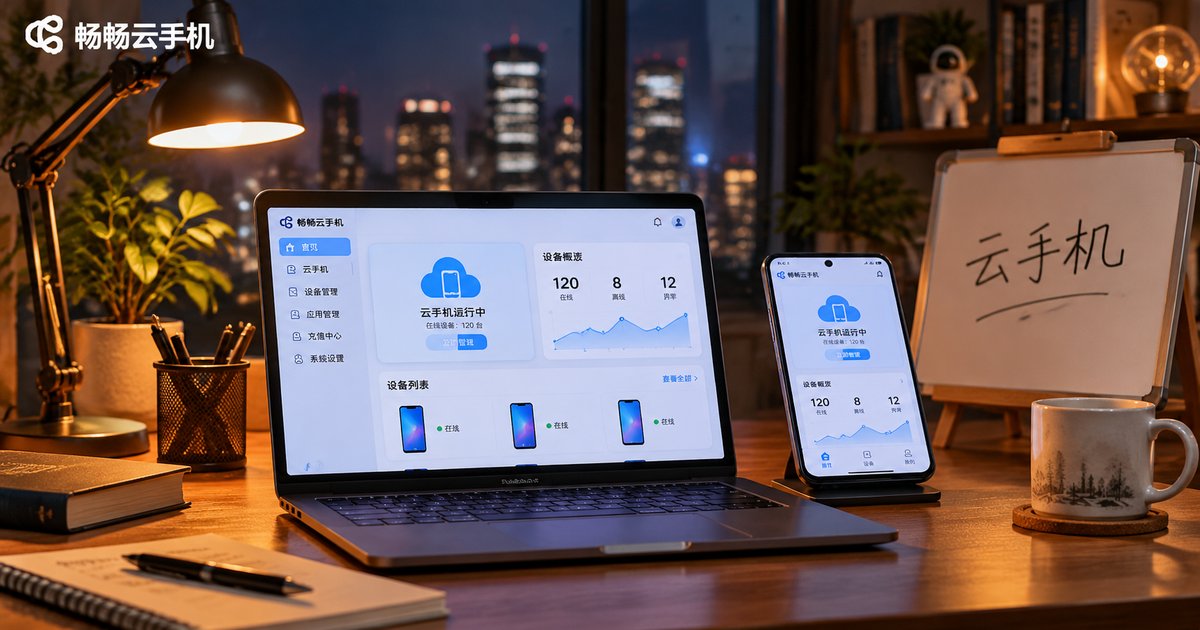
That is why more and more cross-border sellers are moving to cloud phones. Taking ChangChang Cloud Phone (ccloudphone) as an example, it moves the Android environment into the cloud:
Natural device isolation: every cloud phone is an independent device environment with non-overlapping parameters — one account, one phone, made easy.
Always online in the cloud: cloud phones keep running on remote servers without depending on any physical computer being switched on, so account environments stay stable and uninterrupted.
Effortless batch management: multiple cloud phones can be managed centrally. Scaling the matrix no longer means buying more hardware — expansion costs stay low.
Operate anytime, anywhere: staff log in to the cloud workspace from whatever device they have. People and accounts can be decoupled while the account-device-network binding remains fixed.
For sellers committed to a long-term multi-account matrix, implementing the device, network, and behavior isolation system on ChangChang Cloud Phone is far more sustainable than stacking physical phones.

A Daily Anti-Association Checklist
Finally, here is a checklist you can put into practice right away:
1. Give new accounts a warm-up period — low-frequency, natural browsing and interaction first; no aggressive operations out of the gate.
2. Make registration data, store design, and product selection fully differentiated across accounts — never copy-paste.
3. Enforce one account, one phone, one IP strictly — no cross-logins, no shared environments.
4. Create an operating schedule for each account with staggered logins and actions.
5. Review account environments regularly. Once device and IP bindings are set, do not change them without a strong reason.
Anti-association is not a one-time setup but an operating discipline across the entire account life cycle. Hold the line on device, network, and behavior simultaneously, and your account matrix will go further, more steadily.
FAQ
Q: Is device isolation alone enough if I ignore network and behavior?
No. Platform risk control makes holistic judgments. Any obvious overlap in any one of the three dimensions can become the breakthrough point for association. Device, network, and behavior must all be isolated.
Q: Are cloud phones less effective than physical phones for anti-association?
No. Each cloud phone instance provides an independent device environment and appears to the platform as a separate phone. With one-account-one-phone, one-account-one-IP, and differentiated behavior, the cloud phone approach is actually more stable and easier to manage.
Q: If my accounts already received an association warning, can I fix it?
If it is only a warning, immediately audit all three dimensions — shared devices or networks, similar habits — and separate the overlapping parts as soon as possible. Once accounts are suspended, the room for remedy is very limited, so prevention should always come first.
Q: Can multiple accounts take turns logging in on the same cloud phone?
Not recommended. One account, one phone is the basic rule. Multiple accounts rotating through the same device environment leaves clear device-layer association signals and can waste the isolation work you have already done.
Q: Who is ChangChang Cloud Phone (ccloudphone) best suited for?
Sellers and matrix teams that need to operate multiple store accounts stably over the long term. Its device isolation, always-on cloud stability, and batch management significantly reduce the hardware and management costs of multi-account operations.