IP Rotation Strategy for Cross-Border Cloud Phone Operations: How Many Daily Switches per Account Are Safe
Why IP Rotation Makes or Breaks Cross-Border Accounts
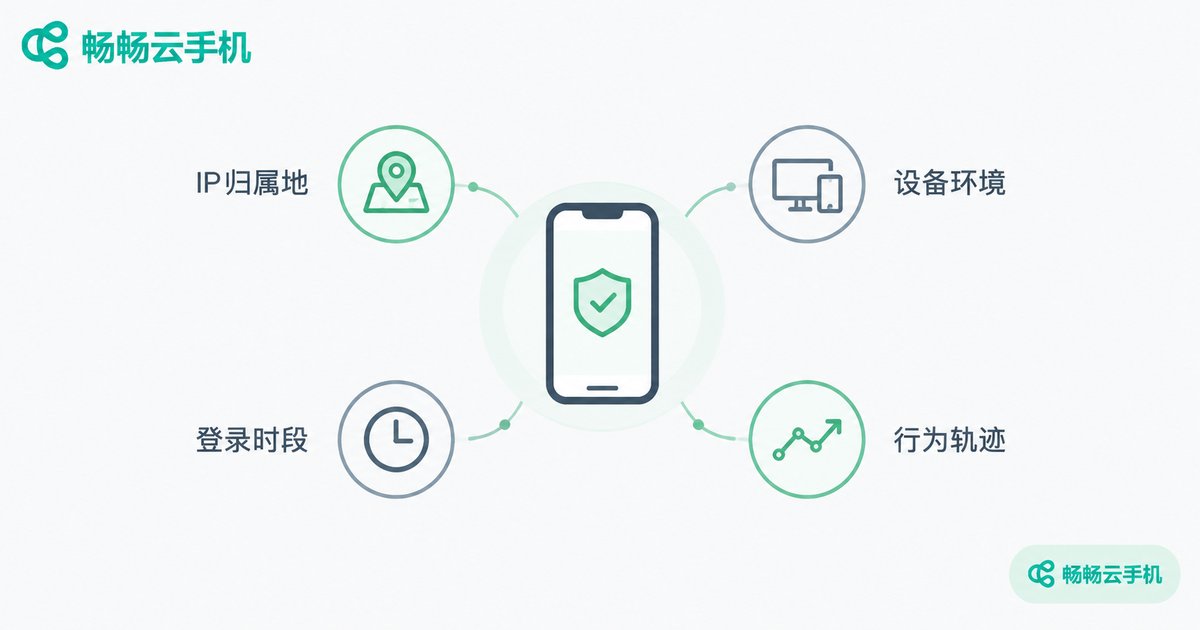
On cross-border marketplaces, an account's credibility depends less on what you do than on whether your behavior resembles a real local user. The IP address is the first checkpoint for risk-control systems: does its location match the account profile, does it jump around, is it shared by hundreds of other accounts? Every one of these signals gets logged.
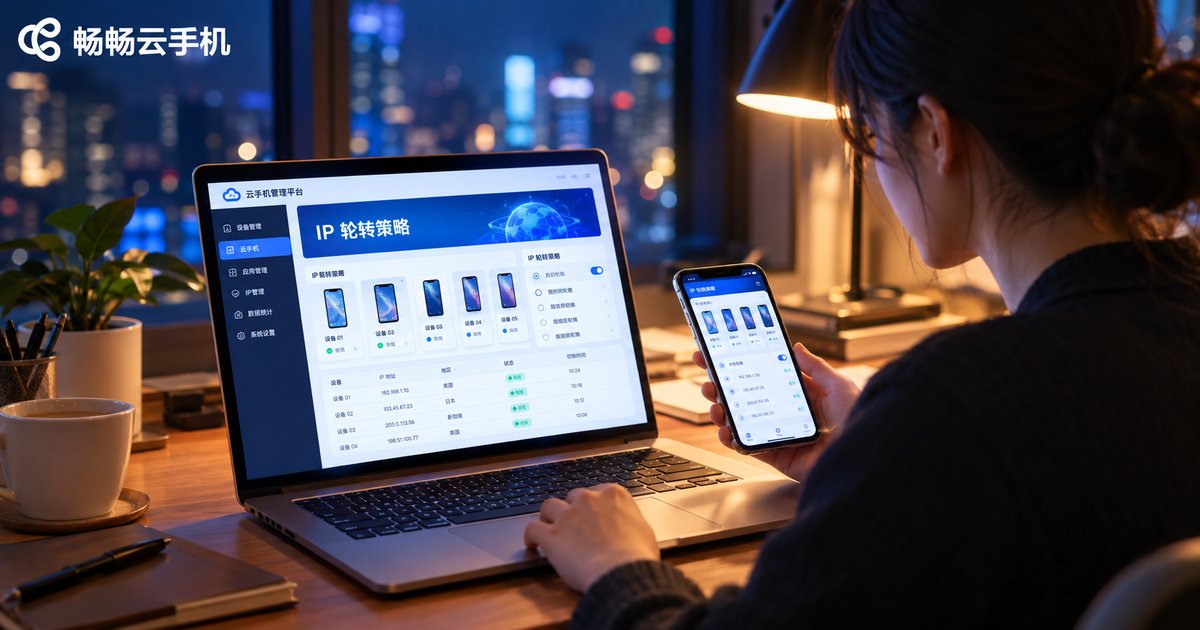
Many operators swing to one extreme: never switching at all, or switching a dozen times a day — Los Angeles today, New York tomorrow, Singapore the day after. Both patterns raise flags. The safe approach is to treat IP rotation as a disciplined operation with a fixed frequency, rhythm, and paper trail — not a switch you flip on a whim.
How Many Daily Switches Are Safe? It Depends on the Stage
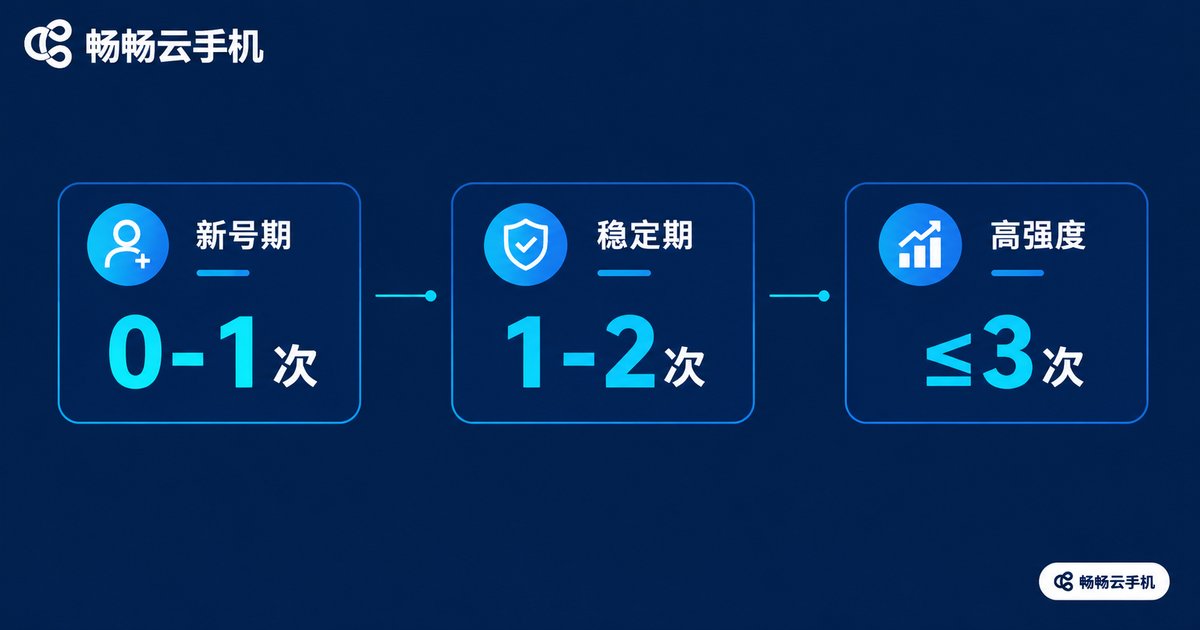
There is no universal number; the right frequency depends on account maturity. Use this table as a baseline:
| Account stage | Recommended daily switches | Interval | Key point |
|---|---|---|---|
| Warm-up (first 7-14 days) | 0-1 | Avoid switching | Let the platform memorize one stable home |
| Stable operations | 1-2 | 4+ hours apart | Switch between task batches |
| High-intensity (listing, support) | Max 3 | 2-4 hours apart | Switch by schedule, never by mood |
In short: new accounts need stability, mature accounts need regularity. Beyond 3 switches per account per day, risk climbs noticeably; beyond 5, you are effectively telling the risk engine that the account is shared by many people or running in an abnormal environment.
Three Things That Matter More Than the Count
First, consistency. The IP's location, language, and timezone must match the account profile. An account registered in the United States that always logs in from Southeast Asia looks suspicious no matter how rarely you switch.
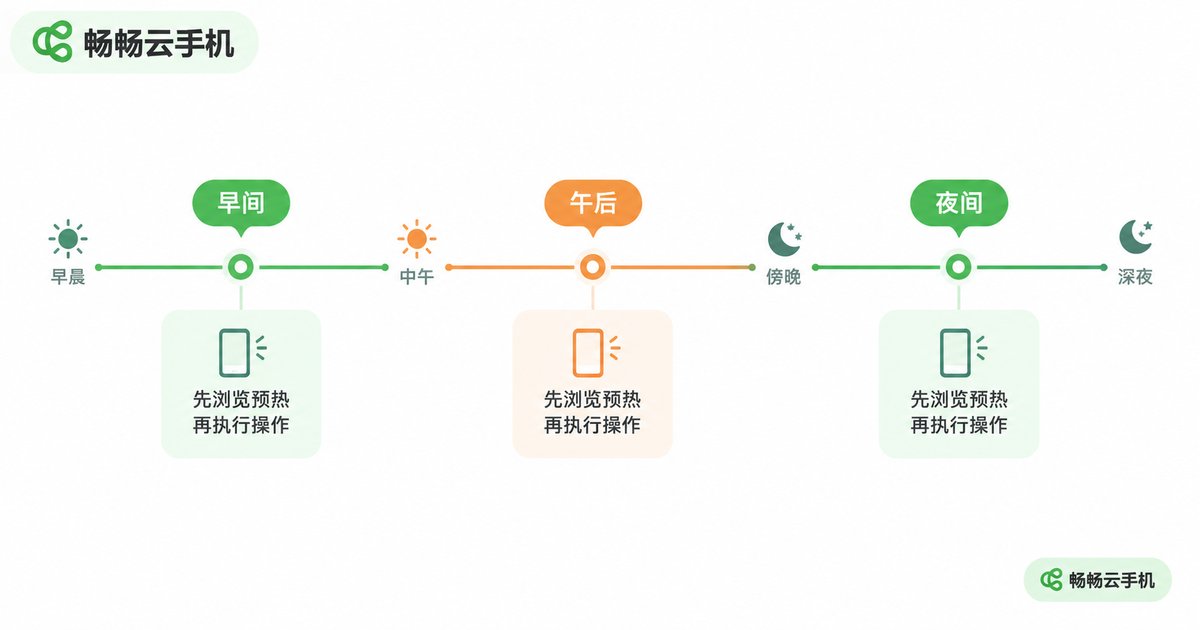
Second, timing. Schedule switches around the target market's natural rhythm — early morning or late night local time. Swapping IPs at 3 a.m. and immediately placing a large order stands out far more than a calm daytime switch.
Third, behavioral warm-up. After every switch, do not jump straight into sensitive actions. Spend a few minutes on light behavior — browsing, searching, scrolling feeds — to let the environment warm up before logins, payments, or profile changes.
Mistakes to Avoid at All Costs
The most common failures in real operations: multiple accounts sharing one IP environment; placing an order five minutes after a switch; bouncing between residential and datacenter networks from one day to the next; and the sneakiest one — teammates sharing an account while logging in from different networks. Each looks harmless alone; stacked together they form a complete abnormal profile.
Standardize Rotation with ccloudphone
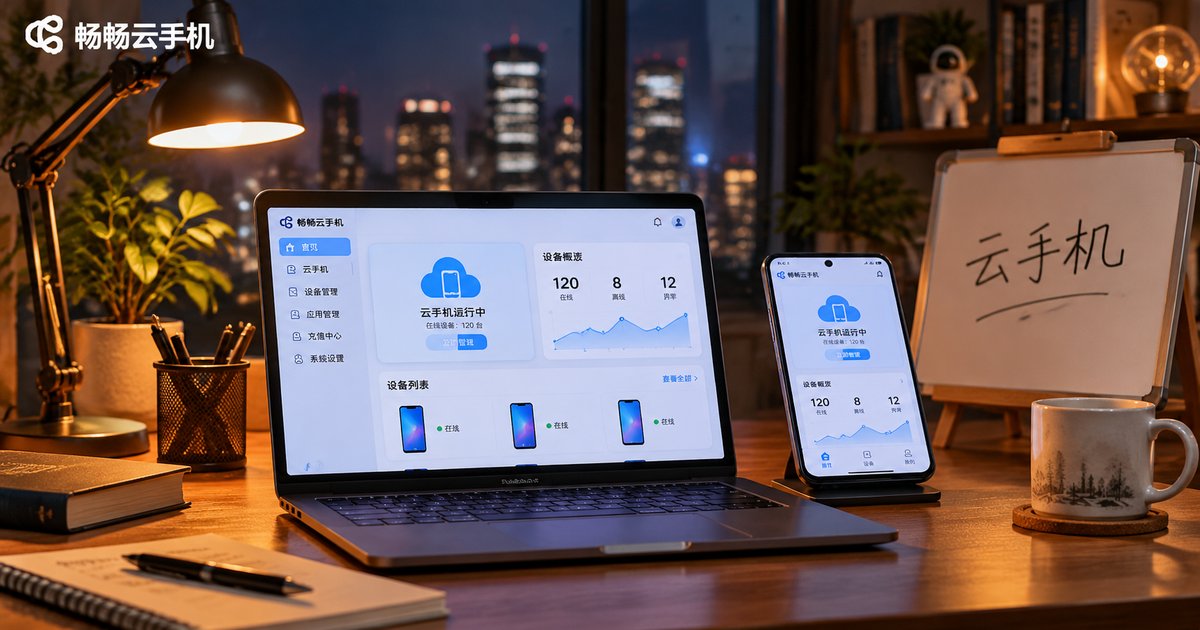
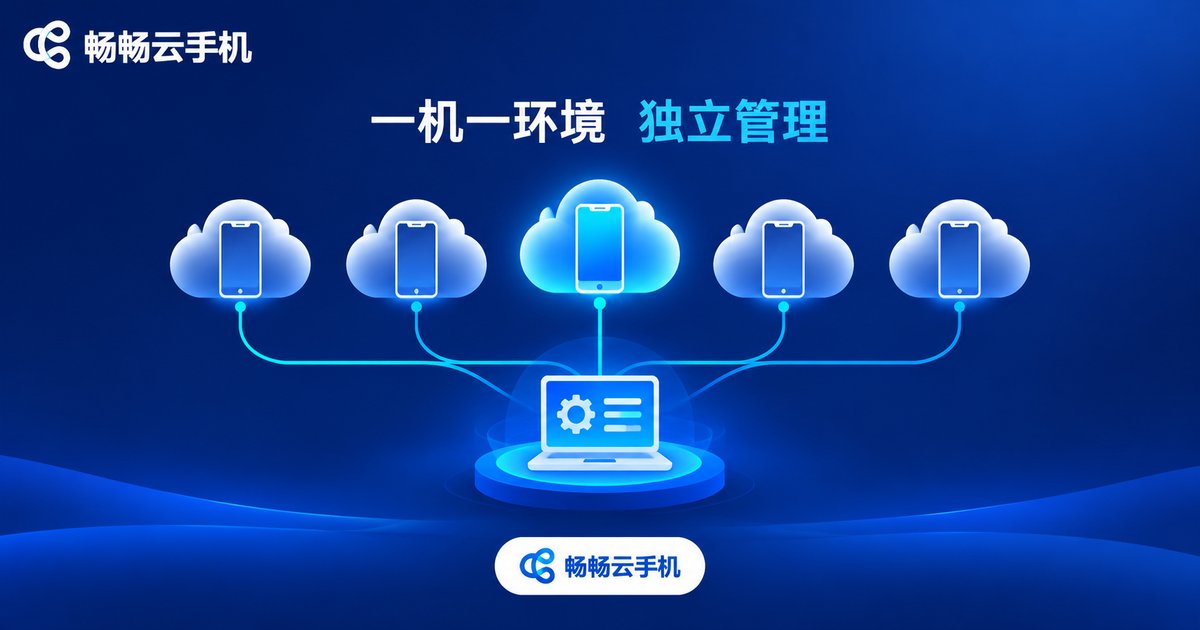
Tracking switching schedules for dozens of accounts in your head is a recipe for mistakes. The reliable approach: lock down the environment first, then rotate on a plan. ChangChang Cloud Phone (ccloudphone) gives each account an independent cloud Android environment — accounts live long-term in their own cloud devices, which support centralized management and batch operations. The team only maintains a simple schedule: which account, which time window, which task. Switching becomes a process, not improvisation.
A stable environment plus a controlled rhythm turns IP rotation from gambling into following a script — the baseline discipline for building long-lived cross-border account assets.
FAQ
Q: Can a newly registered account switch IP on day one?
Not recommended. Keep new accounts on one network environment for the first 7-14 days so the platform can build a stable device and network profile before any low-frequency switching.
Q: What should I do right after switching IP?
Warm up with light behavior — browse products, refresh feeds — for several minutes before any sensitive login or transaction activity.
Q: Can multiple accounts share one IP?
Try to avoid it. One device, one environment, one account is ideal. If reuse is unavoidable, limit how many accounts share it and stagger their active hours.
Q: Do I need to switch IP during overnight idle time?
No. Stability during idle hours is safer; frequent switching interrupts the normal routine the platform is observing.
Q: Where does ccloudphone fit into IP rotation?
It locks down the environment side: independent cloud devices, centralized management, and batch operations, so your team can execute switching and tasks on schedule instead of juggling devices manually.