
Cloud Phone Device Fingerprint and IP Location Mismatch: How Platforms Judge Geographic Consistency
First, the Basics: Device Fingerprint vs. IP Location
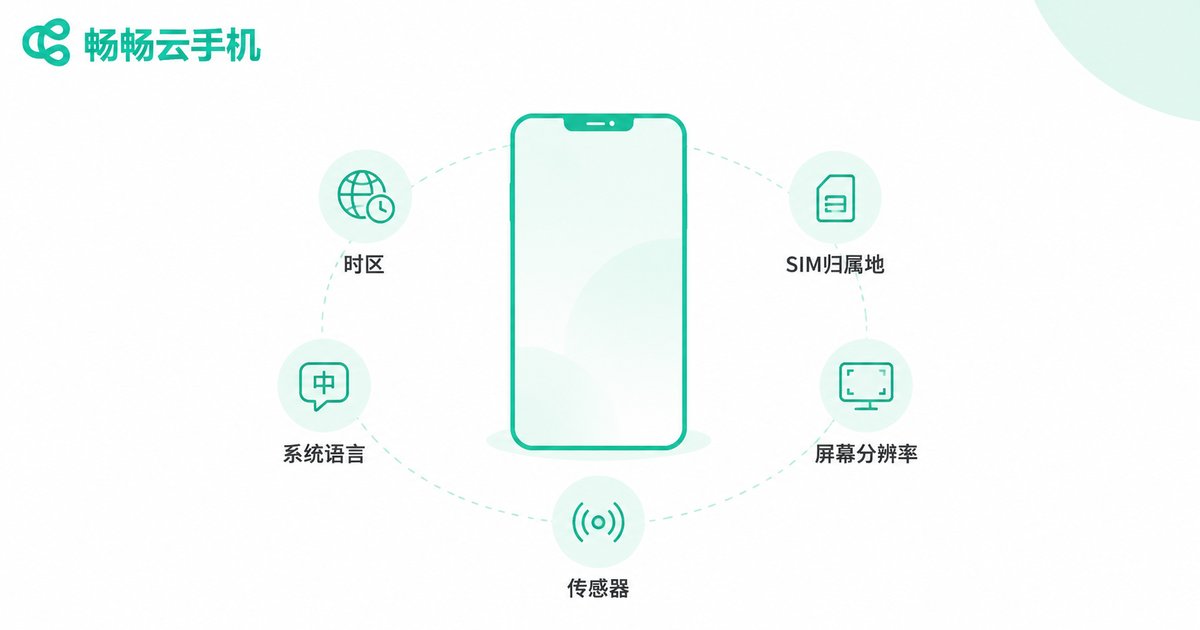
In simple terms, a device fingerprint is your device's 'ID card' in the eyes of a platform. It is a combination of many hardware and software signals: OS version, screen resolution, timezone, system language, SIM country, sensor list, fonts, battery state, and more. Each piece looks ordinary on its own, but together they can uniquely pin down a single device.
IP geolocation, meanwhile, is the location a platform derives from your network's exit IP once you connect — usually accurate to country and city, and it also reveals your carrier and IP type: residential broadband or datacenter.
Risk-control systems process a huge volume of logins and transactions every day, and the question they care about most is this: does the place this device claims to be in match where its network address actually is? That is the geographic consistency check.
Which Signals Do Platforms Cross-Check?
When judging geographic consistency, platforms never rely on a single data point. They cross-reference multiple signals at once:
| Signal | Relation to IP location | Typical weight |
|---|---|---|
| System timezone | Should match the timezone of the IP | High |
| System language and region format | Should match the dominant language of the IP's country | Medium |
| SIM card and number region | A long-term mismatch with the IP country keeps getting logged | Medium |
| IP type | Datacenter IPs draw far more scrutiny than residential IPs | High |
| IP travel history | Frequent cross-country jumps trigger impossible-travel rules | High |
Among these, timezone is the signal most likely to give you away. Many people switch their network exit but leave the system timezone set to their home region. The platform compares the two and sees: IP overseas, timezone still UTC+8, system language still Chinese — and the contradiction is born.
So How Do Platforms Actually Judge a Mismatch?
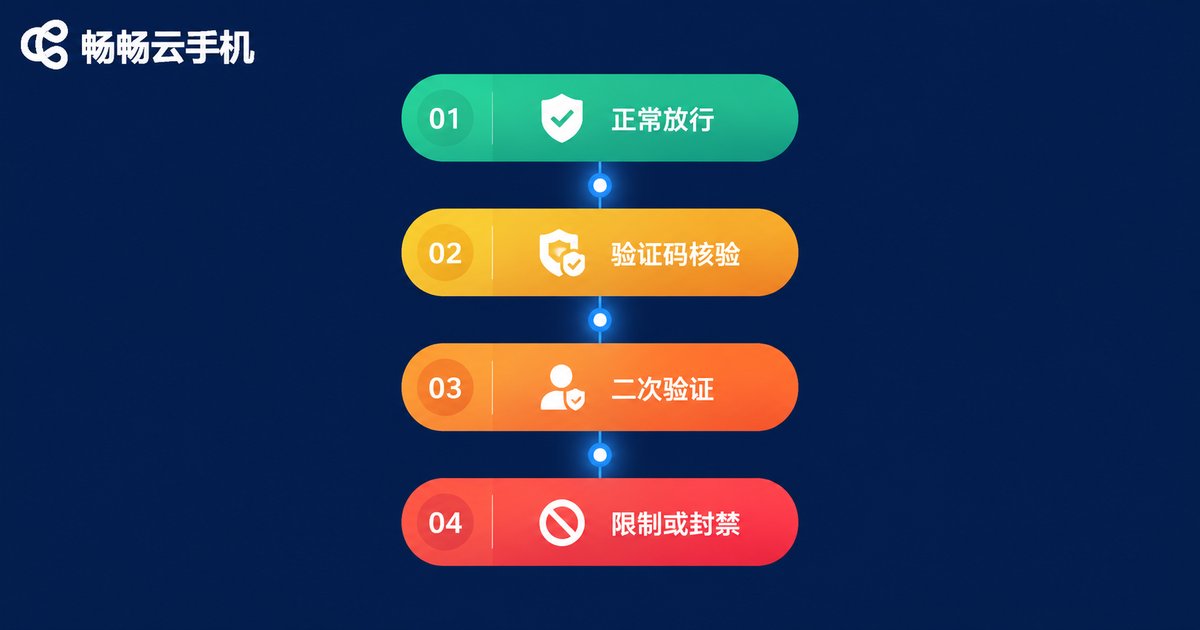
The vast majority of platforms use a risk-scoring model, not a one-strike rule. A single minor inconsistency rarely causes trouble; it is the stacking of multiple contradictions that escalates the response. A typical tiered logic looks like this:
| Risk level | Typical pattern | Platform response |
|---|---|---|
| Low | One minor mismatch, for example language differs from IP country | Pass normally, log silently |
| Medium | Timezone conflicts with the IP, or sensitive actions from a datacenter IP | CAPTCHA challenges, step-up verification |
| High | Frequent cross-country IP jumps, fingerprint fully contradicts location | Feature limits, frozen withdrawals, forced identity checks |
| Very high | Flagged as a device farm with clear fraud patterns | Account bans, device bans, payment channel blocks |
One more thing people often miss: platforms care about stability, not just correctness. A device that shows up in Singapore today, Frankfurt tomorrow and Los Angeles the day after is suspicious even if every individual check passes — real users do not hop across continents between logins.
Why Are Cloud Phone Users More Exposed?
Cloud phones run in data centers, which creates two inherent traits:
First, the exit IP is usually a datacenter IP. Datacenter IPs carry a lower trust score than residential broadband in most risk models. Stack a fingerprint-versus-location mismatch on top, and the odds of extra scrutiny rise sharply.
Second, fingerprint parameters are provisioned from the cloud. If a cloud phone keeps its default timezone and language while the account targets another region, the contradictions accumulate quietly until risk control finally fires.
So the cloud phone itself is not the problem — the problem is a misaligned environment combination. That is why it pays to choose a service with independent, stable device environments, such as ChangChang Cloud Phone (ccloudphone): every cloud phone is a separate cloud device with its own parameters. On top of that stable base, you only need to align account details, usage habits and IP location to greatly reduce the chance of being falsely flagged.

A Geographic Consistency Self-Check Checklist
Whether you run cross-border e-commerce, social media accounts or multiple game profiles on a cloud phone, go through this list before you start operating:
1. Identify your IP location: confirm which country your network exit is in and what type it is (datacenter or residential broadband).
2. Align the timezone: set the cloud phone's system timezone to match the IP — the highest-weight and most commonly missed item.
3. Align language and region format: keep system language, number and date formats consistent with the target region.
4. Keep the IP stable: avoid frequent exit changes, and never bounce between countries from one day to the next.
5. Keep account details coherent: registration country, filled-in address and usual login location should follow one single logic.
6. Pick the right tool: use a service with independent device environments such as ChangChang Cloud Phone, and never let multiple accounts share one fingerprint set.
7. Behave naturally: do not perform sensitive actions the moment you enter a new environment; use it like an ordinary user for a while first.
FAQ
Q: Will my account definitely be banned if the fingerprint and IP mismatch?
Not necessarily. Most platforms score risk instead of banning on the spot. A single mismatch usually means silent logging or a CAPTCHA; restrictions and bans come when multiple contradictions stack up or the IP keeps jumping between countries.
Q: Can platforms tell that I am on a cloud phone?
They can detect network traits such as datacenter IPs, but that alone is not a violation. What matters is keeping fingerprint, timezone, language and IP location consistent. With a stable, credible environment, normal operations are rarely affected.
Q: Which matters more, timezone or language?
Timezone carries more weight. A conflict between IP location and system timezone is the hardest signal for risk control to miss; language is a supporting signal, but you should align both.
Q: What should I do after changing my IP?
Update the system timezone and language immediately, then stay stable for a while and avoid another switch in the short term, so the platform can rebuild a trustworthy profile of the device.
Q: Can ChangChang Cloud Phone solve geographic consistency issues?
ChangChang Cloud Phone (ccloudphone) provides an independent, stable cloud device environment where every phone keeps its own parameters — a solid foundation for fingerprint stability. Geographic consistency still requires you to align timezone, language, account details and usage habits; the two together work best.