
Operations · Engineering · Trends
Hands-on playbooks, product updates and cross-border insights from the CCloudPhone team.
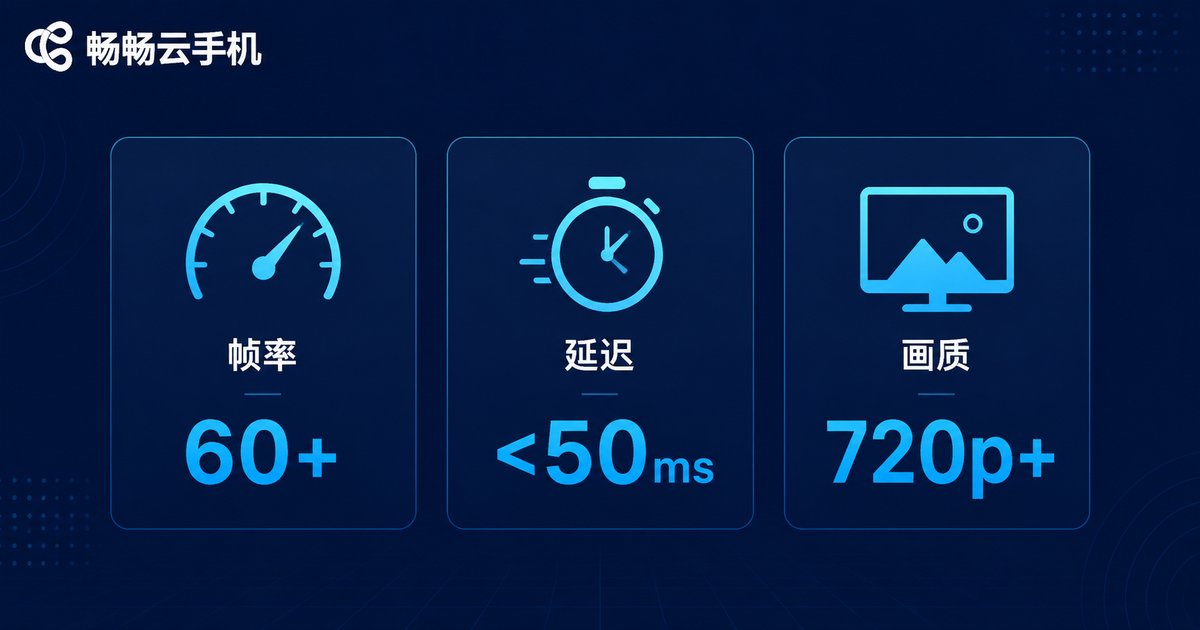
Can Cloud Phones Run Battle Royale Games Smoothly? High FPS, Low Latency Setup Guide & Optimization
Can a cloud phone really run battle royale games like PUBG Mobile smoothly? The answer is yes—provided you choose the right configuration and optimize your network. This article explains how cloud phones render games on remote GPUs, breaks down the three metrics that matter most (frame rate, latency, and stream quality), offers practical guidance on selecting a high-FPS, low-latency setup, and shares five optimization tips. Whether you are grinding ranked matches or managing multiple accounts, you will learn how to enjoy stable 60 FPS battle royale gameplay without overheating, battery drain, or stuttering.
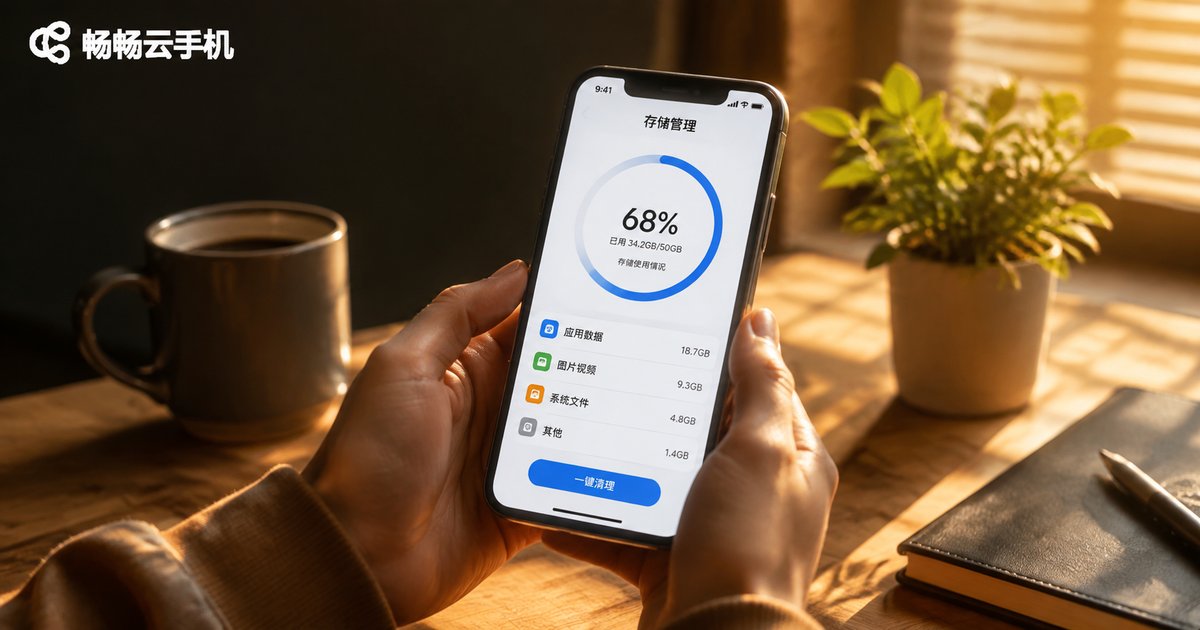
Cloud Phone Storage Full? 4 Tips for Expansion, Cleanup, and File Management
Is your cloud phone running out of storage space? Apps won't install, screenshots fail to save, and everything runs slower than before? Storage shortage is one of the most common cloud phone problems, but it's entirely solvable. This article shares 4 practical tips covering regular cache cleanup, uninstalling unused apps, building file organization habits, and leveraging cloud expansion strategies. Learn how to identify hidden storage hogs, develop sustainable file management routines, and choose flexible cloud storage solutions that grow with your needs, keeping your cloud phone running smoothly at all times.
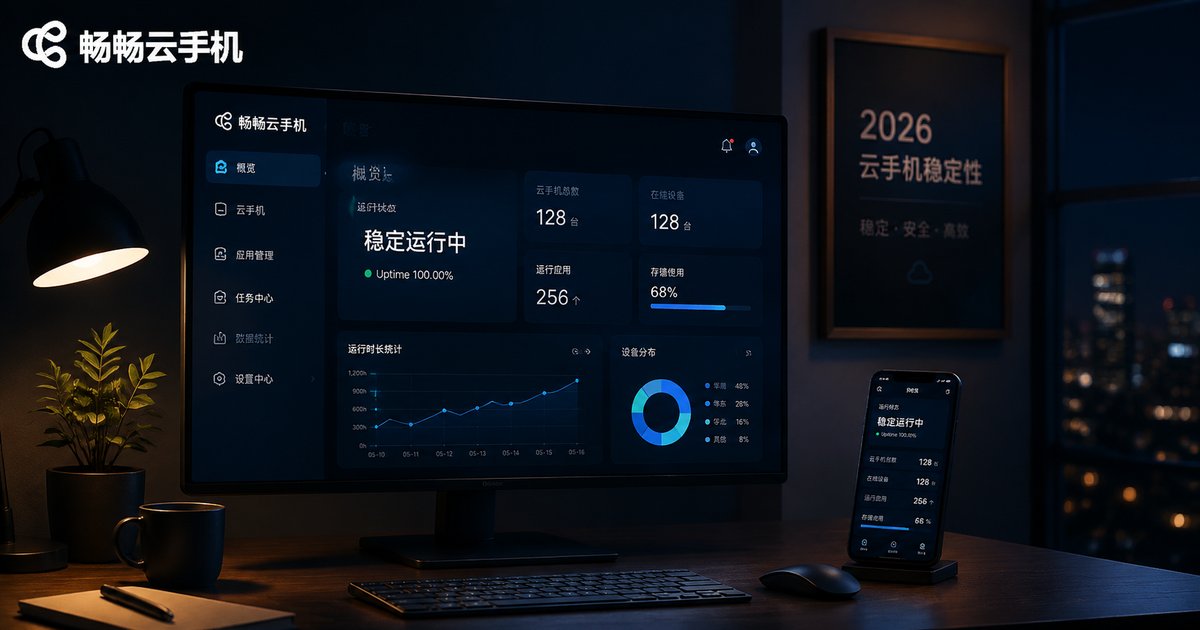
Which Cloud Phone Platform Runs Most Stably? 2026 SLA Promises vs. Real-World Tests
Stability is the single most important factor when choosing a cloud phone platform, whether you run multiple accounts, keep apps online around the clock, or work remotely. This guide breaks down what SLA promises really mean, examines the four core stability metrics—availability, latency, frame rate, and failure recovery—compares typical industry SLA levels for 2026, and shares a repeatable testing methodology so you can verify real-world performance instead of trusting marketing claims. It also explains why ChangChang Cloud Phone (ccloudphone), built on real cloud servers in professional data centers, is a strong candidate worth putting on your testing shortlist.
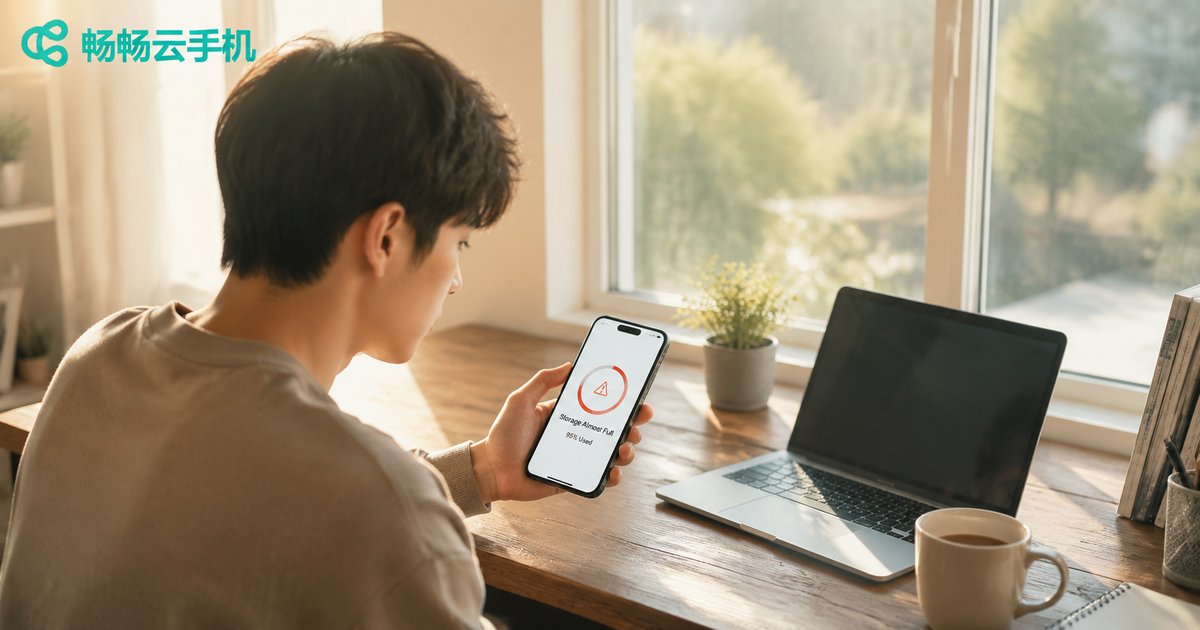
How to Clean Cloud Phone Cache and Junk Files? A Practical Guide to Freeing Up Storage Space
Cloud phones, just like physical devices, accumulate cache and junk files over time, which leads to lagging performance, slow app launches, and failed installations. This practical guide explains the five main sources of junk data, walks you through a four-step manual cleaning method, introduces the unique one-click instance reset advantage that only cloud phones offer, and shares simple daily habits to prevent storage from filling up again. Follow these tips to fully free up your cloud phone storage and keep your device running smoothly at all times.

How to Share Cloud Phones with Team Members: Multi-User Permissions and Operation Log Management
When a team shares cloud phones, passing around a single account password is both risky and hard to manage. This guide explains how to use a multi-user permission system to assign different levels of access to administrators, operators, and observers, and how operation logs make every login, app install, and configuration change fully traceable. You will also learn practical steps for inviting members, grouping cloud phones by project, and applying the principle of least privilege. Whether you run multi-account operations, mobile app testing, or distributed e-commerce workflows, these techniques will help your team share cloud phone resources securely and efficiently.

How Effective Are Cloud Phones for Ride-Hailing Order Grabbing? Didi vs. Gaode Real-World Test Data
Ride-hailing drivers constantly battle overheating phones, rapid battery drain, and lag when running Didi and Gaode at the same time. To find out whether cloud phones actually help, we ran a 7-day side-by-side test comparing a cloud phone against a flagship physical phone on both platforms. The results show dramatic gains in daily online hours, steadier order-grabbing response times, and a clear increase in completed orders—especially for drivers who stay online around the clock or run both platforms simultaneously. This article walks through the full test setup, the data for each platform, and practical tips, helping you decide whether a cloud phone is worth adding to your driving toolkit.

Are Cloud Phones Suitable for Batch Survey Manipulation? A Risk Assessment of Bulk Registration and Promo Abuse
The direct answer: cloud phones are not suitable for batch survey manipulation, bulk account registration, or promotional abuse. This article provides a systematic risk assessment across four dimensions: legal exposure, platform anti-fraud detection, account bans and financial losses, and gray-market traps. You will learn why bulk-registered accounts rarely survive their first withdrawal, why datacenter IPs and identical device fingerprints make cloud phone fleets easy targets for risk engines, and why even small-scale promo farming can lead to serious legal consequences. Finally, we outline the legitimate scenarios—app testing, enterprise multi-account operations, game multi-boxing, and privacy separation—where cloud phones genuinely deliver measurable value.
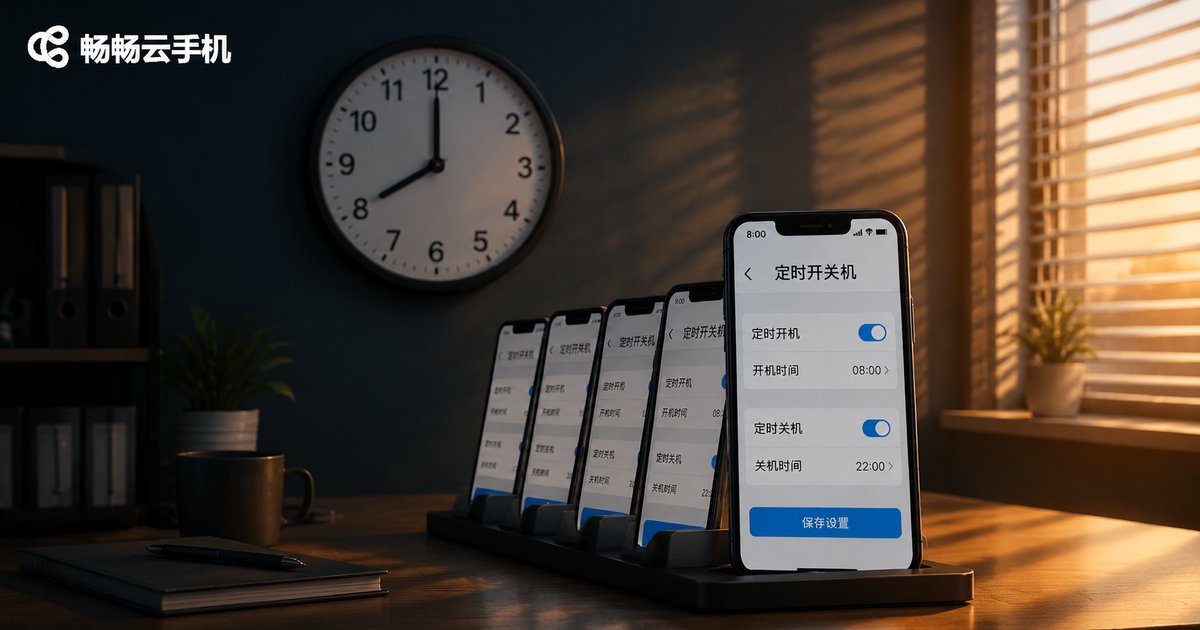
How to Set Up Scheduled Power On/Off for Cloud Phones: An Automation Solution for Scheduled APP Task Execution
Scheduled power on/off allows cloud-based virtual devices to automatically boot up and shut down at preset times, saving resources and costs while simulating realistic usage habits. This article walks you through setting up scheduled power on/off with ccloudphone step by step, and combines it with scheduled APP task execution to introduce complete automation solutions for scenarios such as game daily tasks, app check-ins, and multi-account management. Whether you manage one device or dozens, you will learn how to build an unattended boot-execute-shutdown workflow that keeps your cloud phones running efficiently around the clock.
Can You Layer a Proxy IP on a Cloud Phone? Key Considerations for Network Proxy Configuration
Yes, a cloud phone can be combined with a proxy IP, achieving double-layer isolation for both the device and the network exit. This guide explains how the cloud phone plus proxy combination works, walks through three common configuration methods — installing a proxy app, using built-in app settings, and platform-level binding — and highlights five key considerations including stacked latency, IP quality, IP stability, DNS leaks, and timezone consistency. It also compares static residential, rotating residential, and data center proxies, and shares troubleshooting tips for common mistakes. Whether you manage multiple accounts or run bulk tasks, these practical guidelines will help you set up your network proxy combination safely and efficiently.

How Do Cloud Phones Run Multiple Instances of the Same Game? Hardware Resource Allocation and Performance Optimization Strategies
Cloud phones make running multiple instances of the same game remarkably simple. Built on ARM servers in data centers, virtualization splits one physical server into multiple independent cloud phones, each with its own Android system, storage, and device profile. This guide explains how cloud phone multi-instancing works, how hardware resources—CPU, memory, and storage—are allocated to each instance, and shares practical performance optimization strategies such as lowering graphics settings, using group control, and staggering high-load tasks. Whether you run a game studio or manage a multi-account matrix, these tips will help you build a stable, efficient setup with CCloudPhone.
How to Use Cloud Phones for Amazon Multi-Account Operations: Anti-Association and Hijacker Monitoring in Practice
The biggest risk in Amazon multi-account operations is account association, and the device environment is the most overlooked factor. This guide explains how cloud phones achieve environment isolation through one-device-per-account setups and independent device parameters, and how pairing each instance with a dedicated IP builds a complete anti-association strategy. It also shares practical hijacker-monitoring tactics: leveraging 24/7 cloud uptime to run monitoring apps that detect new hijackers and price changes in real time, so you can respond before your Buy Box is stolen. You will also find a step-by-step multi-account workflow, a comparison between physical phones and cloud phones, and answers to frequently asked questions.
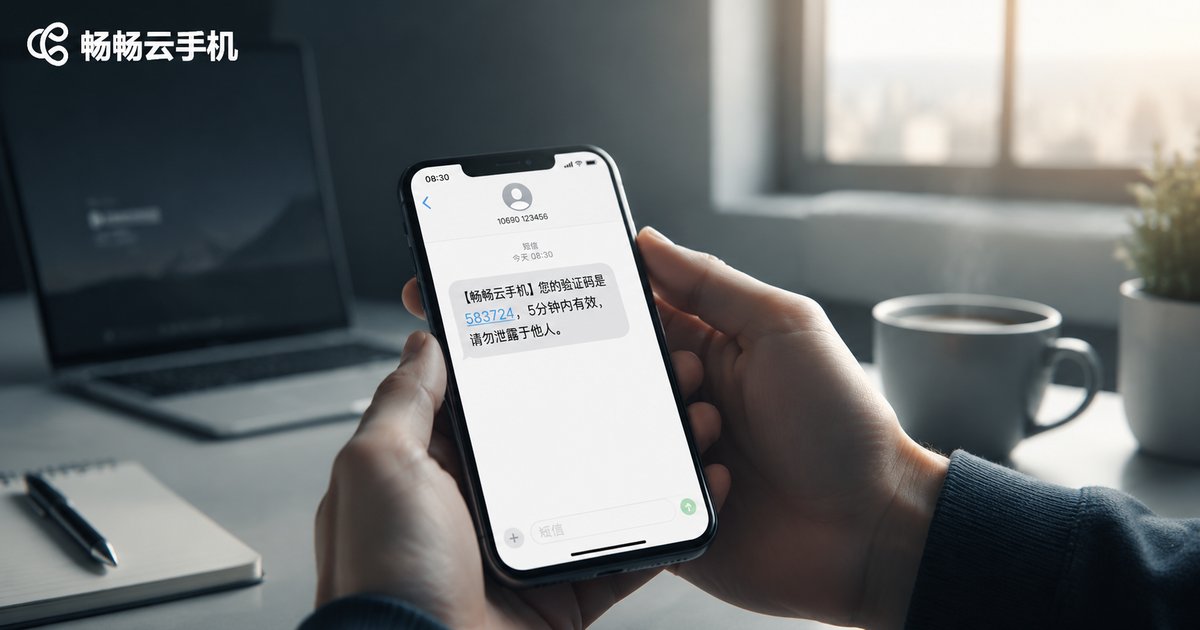
Can Cloud Phones Receive SMS Verification Codes? A Complete Guide to Virtual Numbers and Use Cases
Yes, cloud phones can fully receive SMS verification codes. This comprehensive guide explains how cloud phones handle verification codes through cloud-based Android instances, how virtual numbers differ from physical SIM cards, and where this capability shines in practice—from multi-account registration and social media matrix operations to overseas app usage and app development testing. We also cover important precautions such as platform compliance, choosing legitimate number channels, and account security protection. Whether you are a cross-border e-commerce seller, a social media operator, or a developer, this article will help you fully understand the number capabilities of cloud phones and manage multiple accounts efficiently and safely.