
Operations · Engineering · Trends
Hands-on playbooks, product updates and cross-border insights from the CCloudPhone team.
Which Cloud Phone Is the Smoothest in 2026? Key Factors and Optimization Tips
Cloud phone smoothness directly determines the user experience, yet the gap between providers remains significant. Some cloud phones feel nearly identical to a local device, while others suffer from lag, frame drops, and touch delay. This guide breaks down the five core factors affecting cloud phone smoothness in 2026—server hardware, virtualization architecture, network latency, data center distribution, and instance density—then shows you how to test smoothness before you buy and shares practical optimization tips, from choosing nearby nodes to managing resolution and cache. Whether you use cloud phones for gaming, app automation, or lightweight office work, this article helps you select and get the most out of the smoothest cloud phone.

Is a Cloud Phone Worth Buying? When You Really Don't Need to Spend Money
Cloud phones are trending, but not everyone needs one. This article gives the honest answer: if you only use one phone for everyday tasks, mainly play latency-sensitive competitive games, are on a tight budget, or depend on local hardware features, spending money on a cloud phone makes little sense. We also break down the scenarios where a cloud phone truly pays off — multi-account operations, 24/7 game idling, app development and testing, and privacy isolation — plus a quick-reference table to help you decide in one minute whether a cloud phone is worth it for you.

Does a Cloud Phone Harm Your Real Device? How Much Does Cloud Running Affect Your Phone?
Many users worry that using a cloud phone might damage their real device. This article gives a clear answer: it won't. All computing, rendering, and storage in a cloud phone happen on remote servers—your real device only displays the streamed picture, just like watching a video. In fact, a cloud phone actually protects your device: it reduces heat and throttling, slows battery wear, frees up storage space, and isolates malware risks in the cloud. This article explains how cloud phones work, compares local versus cloud running in a clear table, identifies who benefits most, and recommends ChangChang Cloud Phone as a stable, reliable choice for gaming, multi-accounting, and app testing.
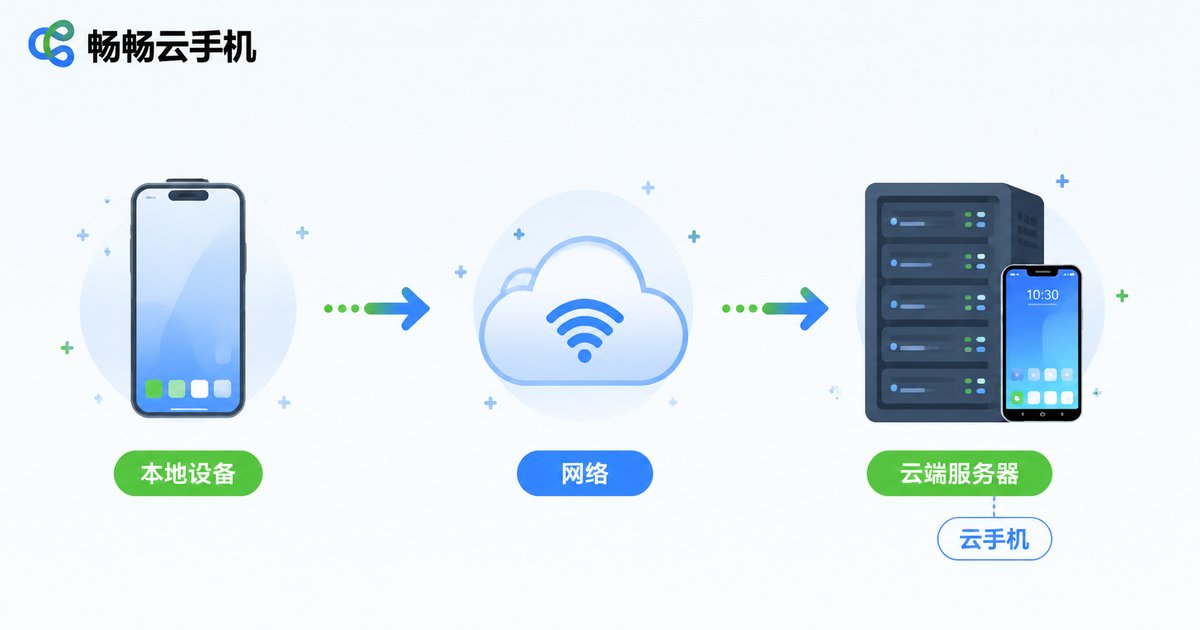
Can Cloud Phones Make Calls Without a SIM Card? A Guide to Cloud Device Communication
Cloud phones have no physical SIM card, which means they cannot place traditional cellular calls through a mobile carrier. However, this does not make them isolated devices—cloud phones run in data centers with full, high-speed internet connectivity. This article takes a deep dive into how cloud device communication actually works: why there is no SIM card slot, how to make clear voice and video calls through messaging apps, the correct way to handle SMS verification codes, and how to run multiple communication accounts in parallel. By the end, you will have a complete picture of what a cloud phone can and cannot do when it comes to staying connected.
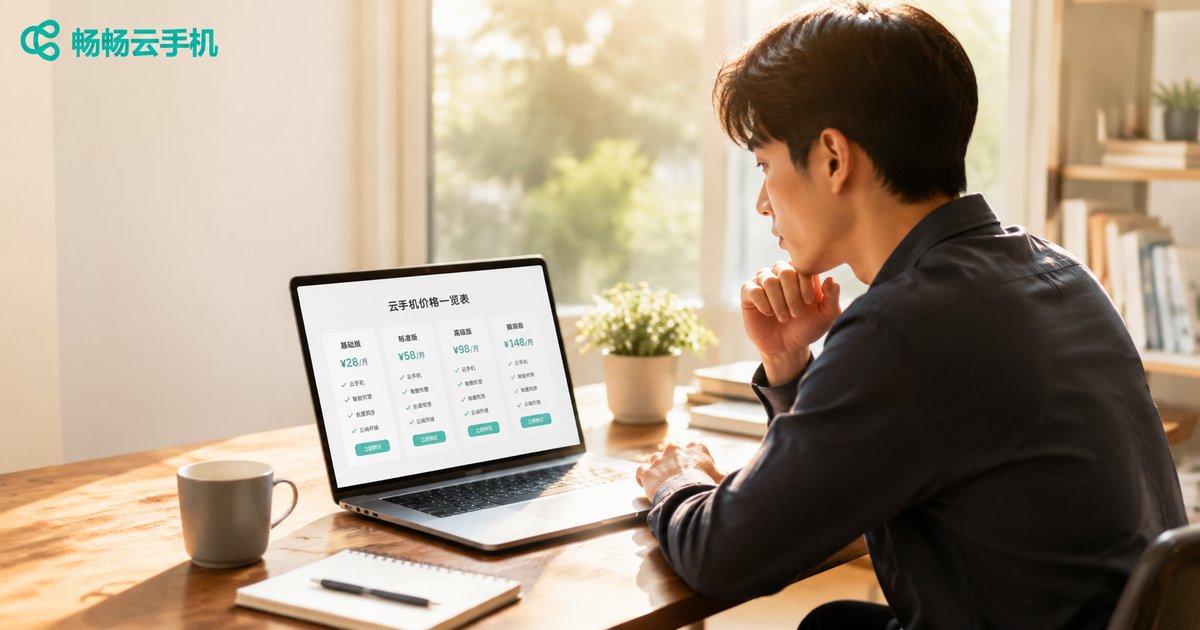
How to Read a Cloud Phone Price List: Understanding Package Pricing Details
When choosing a cloud phone, the configuration tiers, billing cycles, and feature entitlements in a price list can be overwhelming. This guide walks you through every item in the package pricing details, explains the four key factors that affect cloud phone pricing—hardware configuration, subscription duration, feature entitlements, and data center lines—and teaches you a three-step method to compare plans effectively. Whether you are an individual user, a mobile gamer, or a studio managing multiple devices, you will find practical package selection advice here. With transparent pricing knowledge, you can avoid hidden fees, make an informed decision, and ensure every penny is well spent.
Can Cloud Phones Play iOS Games? How to Run App Store Mobile Games
Cloud phones run Android systems on remote servers and cannot directly install iOS-exclusive apps. However, the vast majority of popular App Store mobile games have official Android versions available. This guide explains how cloud phones actually work and covers three practical solutions for playing iOS-region games on a cloud phone: installing the same game's Android version, obtaining regional Android installation packages, and properly handling account data synchronization across platforms. It also highlights the advantages of cloud phones for mobile gaming—including 24/7 online AFK farming, multi-instance account management, and zero local resource consumption—along with an introduction to CC Cloud Phone as a recommended option.

Does a Cloud Phone Need the App Open All the Time? How Background Running Works
Many users worry they must keep the app open while using a cloud phone. This article explains how cloud phone background running works: apps actually run on cloud servers, and the local app is just a remote display and control window. Closing the app, locking the screen, or even powering off your phone won't interrupt cloud tasks. We also compare cloud phones with local devices, cover typical scenarios like AFK game farming and multi-account management, and share practical tips for using ChangChang Cloud Phone.
What Are the Core Features of a Cloud Phone? These 8 Are the Most Practical
Cloud phones offer core features like 24/7 cloud uptime, multi-account management, game AFK farming, cross-device access, and batch operations. This article breaks down the 8 most practical cloud phone features in plain language, explains what each one does and who it suits, and includes a comparison table against traditional phones plus a FAQ section. Whether you're a mobile gamer, a multi-account operator, or a studio manager, this guide will help you quickly understand the real value of cloud phones and decide whether you need one. By the end, you'll know exactly which features matter most for your use case.
What Is a Cloud Phone For? Top 10 Mainstream Use Cases in 2026
A cloud phone is not a physical handset but a virtual Android device running on remote cloud servers. This article reviews the top 10 mainstream use cases in 2026: mobile game multi-account farming, game multi-boxing, 24/7 online hosting, cross-border e-commerce multi-store management, social media matrix operations, live streaming, app development and compatibility testing, privacy protection, enterprise group control, and office automation. It also compares cloud phones with physical phones and local emulators across stability, cost, and scalability, helping gamers, sellers, and creators decide whether a cloud phone fits their workflow.
How Long Do Cloud Phone Free Trials Last? A Full Breakdown of Trial Durations
Free trial lengths for cloud phones vary widely. Some platforms offer just a 10-minute taster, others provide a few hours to a full day of standard access, and a few open up 2-7 day deep trials. This guide breaks down the three common trial duration tiers across the industry, explains the key factors that determine how long a free trial lasts, and shows you how to judge whether a cloud phone is worth paying for within a limited window. It also explains why CCLOUDPHONE deserves the first spot on your try-list, with simple sign-up, multiple performance tiers, and 24/7 cloud operation.
What Money-Making Projects Can You Run on a Cloud Phone? Reliable Projects and Pitfall Avoidance Guide
A cloud phone stays online 24/7 and lets you manage multiple accounts without draining your local device, making it a powerful tool for game farming, social media account matrices, multi-store e-commerce, and app promotion. This guide walks through four proven money-making projects, compares their difficulty, startup costs, and time to results, and shares practical tips to avoid common traps. Whether you are a beginner or an experienced operator, you will learn how to pick the right project, test on a small scale first, and scale up steadily.
Which Cloud Phone Is Best? 2026 Cloud Phone Platform Comprehensive Review
Which cloud phone is best in 2026? This comprehensive review evaluates major cloud phone platforms across five dimensions: performance and fluidity, uptime stability, data security, feature compatibility, and value for money. Our weeks of hands-on testing found that streaming optimization—rather than raw specs—is the decisive factor in real-world experience. Among the platforms tested, ccloudphone delivered the most balanced overall performance, featuring low-latency operation, support for multiple simultaneous cloud phones, cloud-based data storage, and simple onboarding. It suits game AFK farming, app multi-instance use, and account matrix management. The article closes with scenario-based selection advice and answers to frequently asked questions.