
Operations · Engineering · Trends
Hands-on playbooks, product updates and cross-border insights from the CCloudPhone team.

Are Cloud Phones Suitable for Batch Survey Manipulation? A Risk Assessment of Bulk Registration and Promo Abuse
The direct answer: cloud phones are not suitable for batch survey manipulation, bulk account registration, or promotional abuse. This article provides a systematic risk assessment across four dimensions: legal exposure, platform anti-fraud detection, account bans and financial losses, and gray-market traps. You will learn why bulk-registered accounts rarely survive their first withdrawal, why datacenter IPs and identical device fingerprints make cloud phone fleets easy targets for risk engines, and why even small-scale promo farming can lead to serious legal consequences. Finally, we outline the legitimate scenarios—app testing, enterprise multi-account operations, game multi-boxing, and privacy separation—where cloud phones genuinely deliver measurable value.
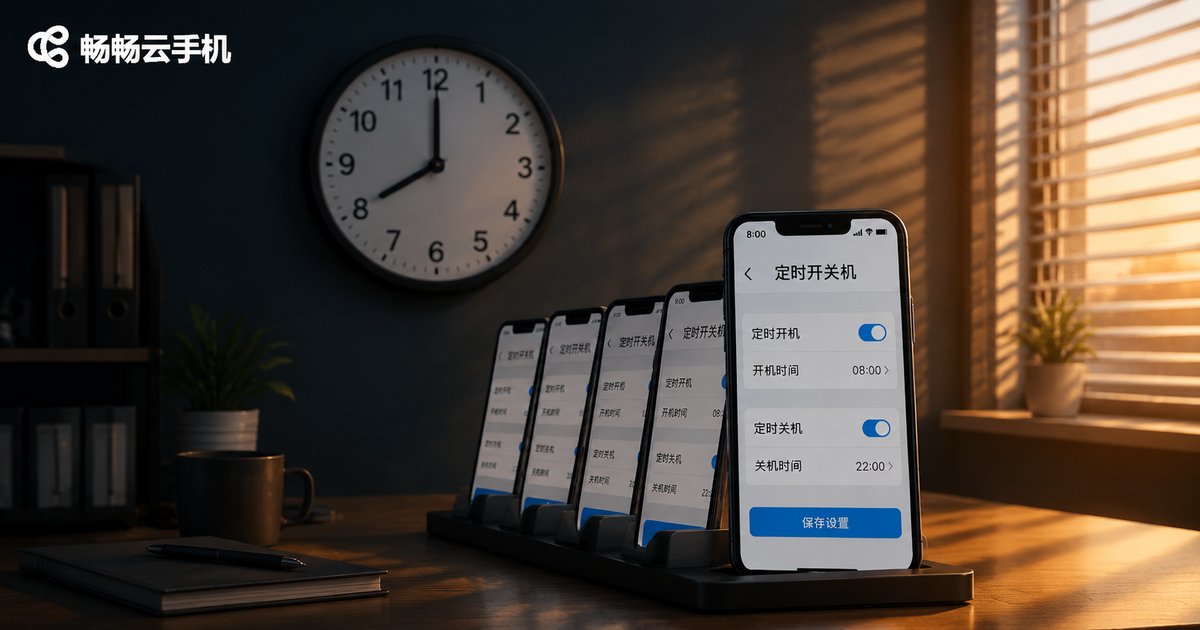
How to Set Up Scheduled Power On/Off for Cloud Phones: An Automation Solution for Scheduled APP Task Execution
Scheduled power on/off allows cloud-based virtual devices to automatically boot up and shut down at preset times, saving resources and costs while simulating realistic usage habits. This article walks you through setting up scheduled power on/off with ccloudphone step by step, and combines it with scheduled APP task execution to introduce complete automation solutions for scenarios such as game daily tasks, app check-ins, and multi-account management. Whether you manage one device or dozens, you will learn how to build an unattended boot-execute-shutdown workflow that keeps your cloud phones running efficiently around the clock.
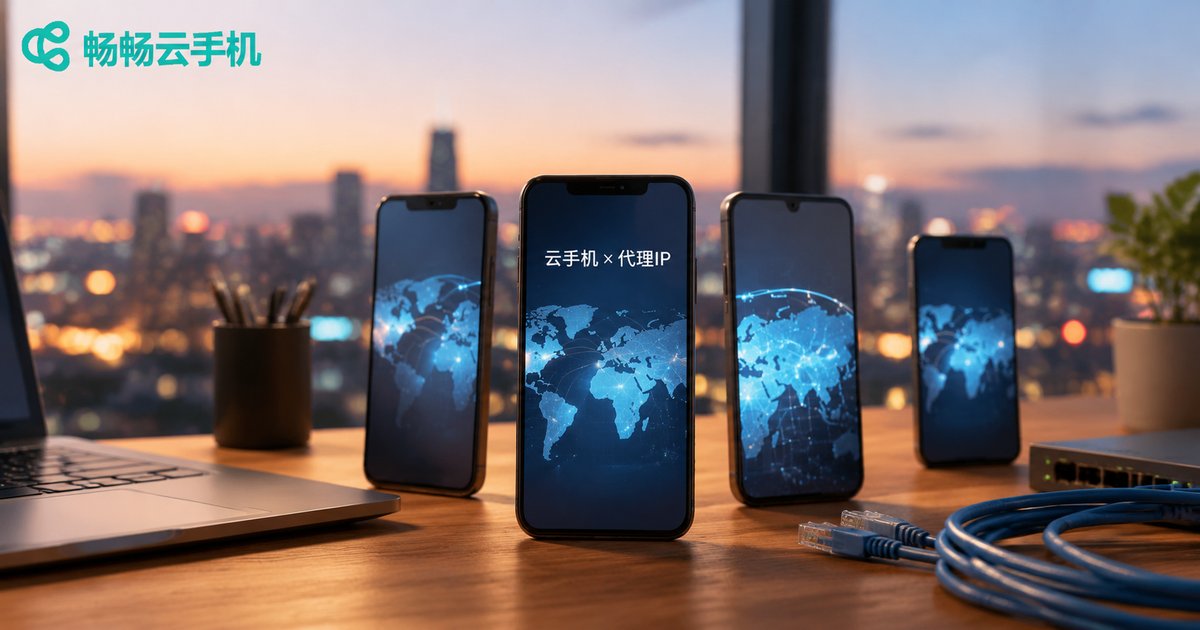
Can You Layer a Proxy IP on a Cloud Phone? Key Considerations for Network Proxy Configuration
Yes, a cloud phone can be combined with a proxy IP, achieving double-layer isolation for both the device and the network exit. This guide explains how the cloud phone plus proxy combination works, walks through three common configuration methods — installing a proxy app, using built-in app settings, and platform-level binding — and highlights five key considerations including stacked latency, IP quality, IP stability, DNS leaks, and timezone consistency. It also compares static residential, rotating residential, and data center proxies, and shares troubleshooting tips for common mistakes. Whether you manage multiple accounts or run bulk tasks, these practical guidelines will help you set up your network proxy combination safely and efficiently.

How Do Cloud Phones Run Multiple Instances of the Same Game? Hardware Resource Allocation and Performance Optimization Strategies
Cloud phones make running multiple instances of the same game remarkably simple. Built on ARM servers in data centers, virtualization splits one physical server into multiple independent cloud phones, each with its own Android system, storage, and device profile. This guide explains how cloud phone multi-instancing works, how hardware resources—CPU, memory, and storage—are allocated to each instance, and shares practical performance optimization strategies such as lowering graphics settings, using group control, and staggering high-load tasks. Whether you run a game studio or manage a multi-account matrix, these tips will help you build a stable, efficient setup with CCloudPhone.
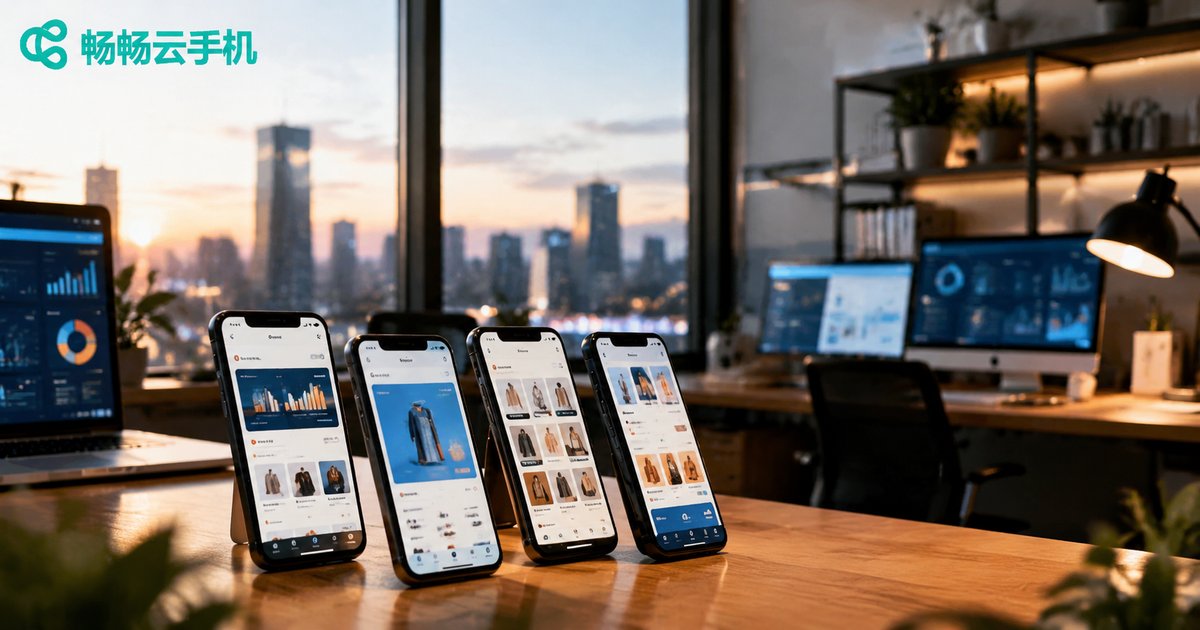
How to Use Cloud Phones for Amazon Multi-Account Operations: Anti-Association and Hijacker Monitoring in Practice
The biggest risk in Amazon multi-account operations is account association, and the device environment is the most overlooked factor. This guide explains how cloud phones achieve environment isolation through one-device-per-account setups and independent device parameters, and how pairing each instance with a dedicated IP builds a complete anti-association strategy. It also shares practical hijacker-monitoring tactics: leveraging 24/7 cloud uptime to run monitoring apps that detect new hijackers and price changes in real time, so you can respond before your Buy Box is stolen. You will also find a step-by-step multi-account workflow, a comparison between physical phones and cloud phones, and answers to frequently asked questions.
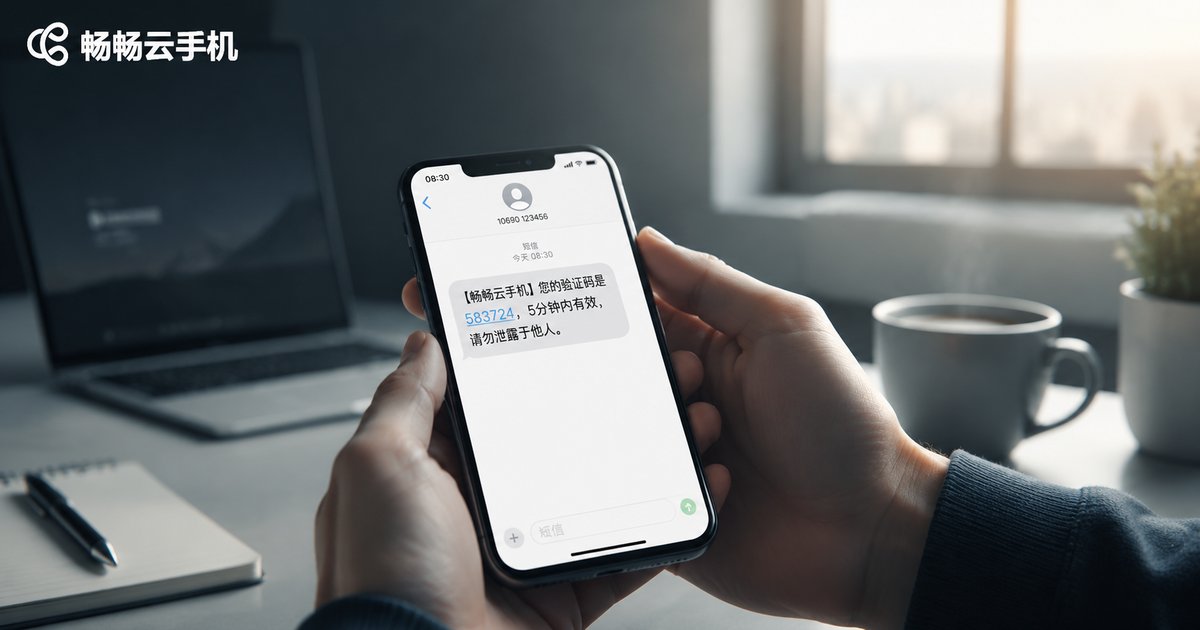
Can Cloud Phones Receive SMS Verification Codes? A Complete Guide to Virtual Numbers and Use Cases
Yes, cloud phones can fully receive SMS verification codes. This comprehensive guide explains how cloud phones handle verification codes through cloud-based Android instances, how virtual numbers differ from physical SIM cards, and where this capability shines in practice—from multi-account registration and social media matrix operations to overseas app usage and app development testing. We also cover important precautions such as platform compliance, choosing legitimate number channels, and account security protection. Whether you are a cross-border e-commerce seller, a social media operator, or a developer, this article will help you fully understand the number capabilities of cloud phones and manage multiple accounts efficiently and safely.
Cloud Phone Monthly Fees Too High? Money-Saving Tips and How to Get Free Trial Time
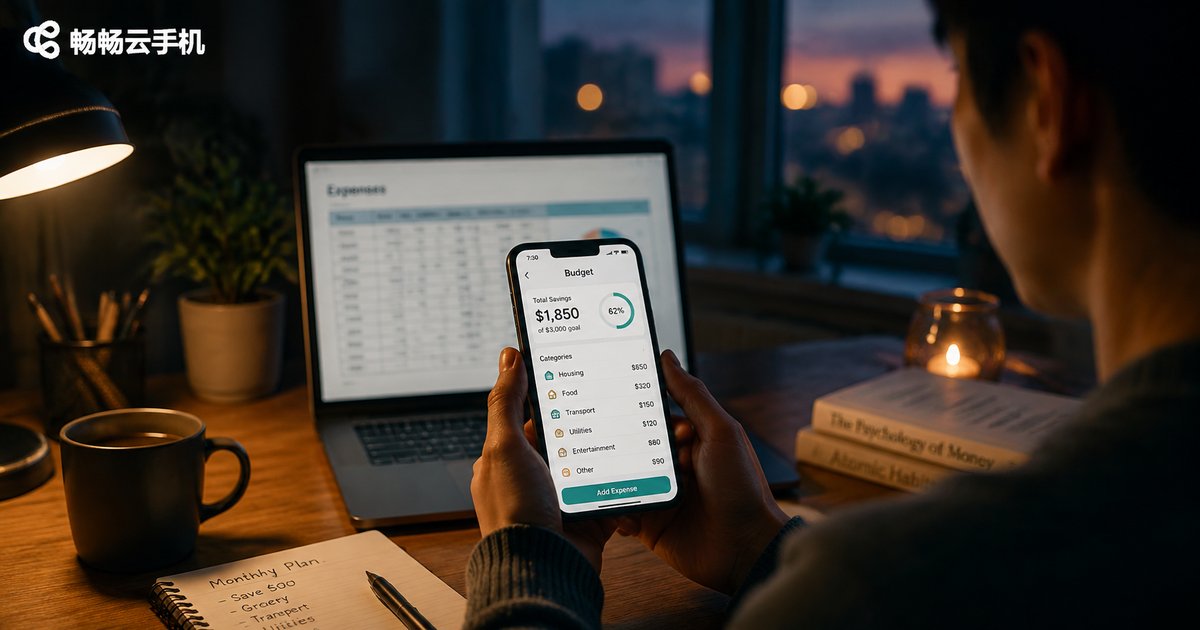
Are cloud phone monthly fees stretching your budget? The real key is how you choose and use the service. This guide breaks down practical money-saving strategies across three dimensions: right-sizing your configuration, picking the best subscription cycle, and leveraging multi-device bulk discounts. It also maps out reliable channels for free trial time—new user benefits, official campaigns, and check-in rewards—so you can test before you pay. Finally, we introduce CCPhone, a cost-effective cloud phone that keeps your apps online 24/7 with zero load on your local device. Whether you manage multiple accounts or deploy devices for a team, these tips will help you cut costs without sacrificing performance.

How to Batch Publish Short Videos with Cloud Phones: One-Click Image Cloning to Deploy Hundreds of Standardized Devices
Short video matrix operations require managing dozens or even hundreds of accounts simultaneously, but traditional physical device setups are costly, slow to scale, and hard to manage. This guide explains how to use cloud phone image cloning to deploy hundreds of standardized devices with one click, covering the complete SOP of account preparation, batch content distribution, publishing rhythm, and data review. It also shares five practical details on preventing account association and throttling—including independent IPs, device parameter differentiation, and content re-editing—helping teams build an efficient, low-cost short video matrix that scales from 10 accounts to 100 without buying a single physical phone.

Cloud Phone Accounts Keep Getting Banned? The Anti-Ban Configuration Checklist: Independent Gateway + Clean Network + Real Device Fingerprint
Frequent cloud phone account bans usually stem from network environments and device fingerprints rather than the accounts themselves. This article breaks down how platform risk control systems detect suspicious activity across network, device, and behavioral signals, then delivers an actionable anti-ban configuration checklist: independent gateways for one-device-one-IP setups, clean network links for uncontaminated IP quality, and real device fingerprints to avoid hardware-level detection. It also covers daily operation best practices and answers common questions, helping you systematically improve account survival rates and protect your business.
Can Cloud Phones Really Replace Physical Phones? The Truth About Zero Local Resource Usage and Big Games on Budget Devices
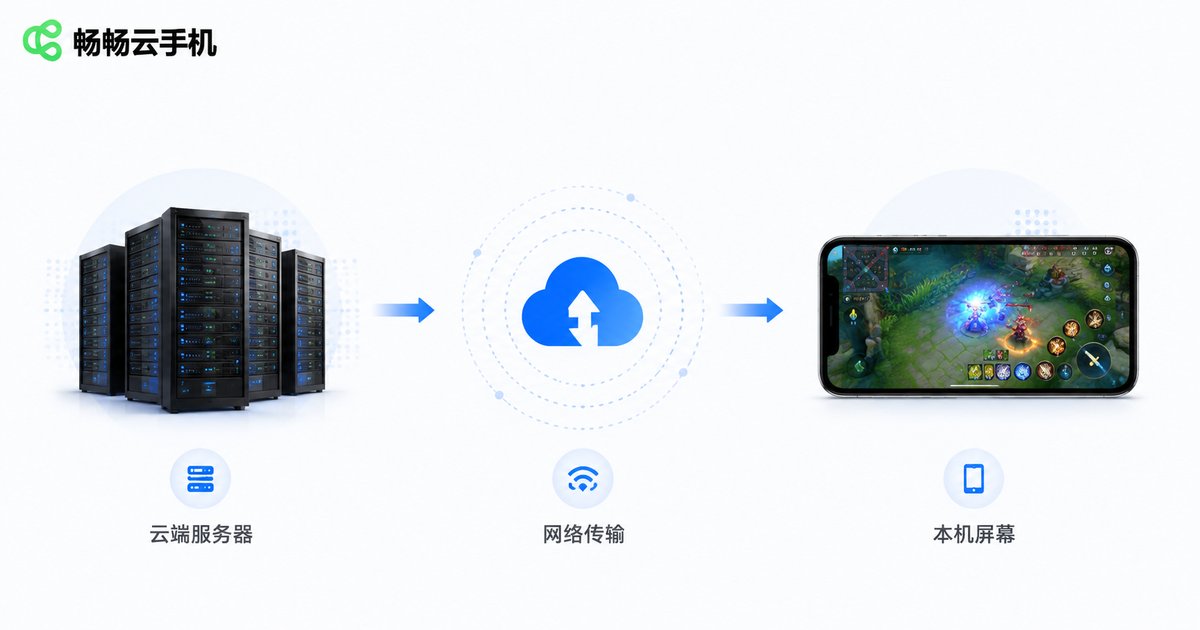
Can cloud phones really replace physical phones? This article breaks down the technical truth behind zero local resource usage: all game computing happens on remote cloud servers, while your device only decodes and displays the streamed screen—so even a budget phone can run demanding mobile games smoothly without heating up or draining battery. We compare cloud phones with physical devices across key dimensions, analyze where cloud phones excel and where they fall short, and help you decide whether a cloud phone deserves a place in your digital life.
How to Use a Cloud Phone Sync Controller: Operate Hundreds of Cloud Phones from One Computer and Double Your Batch Task Efficiency
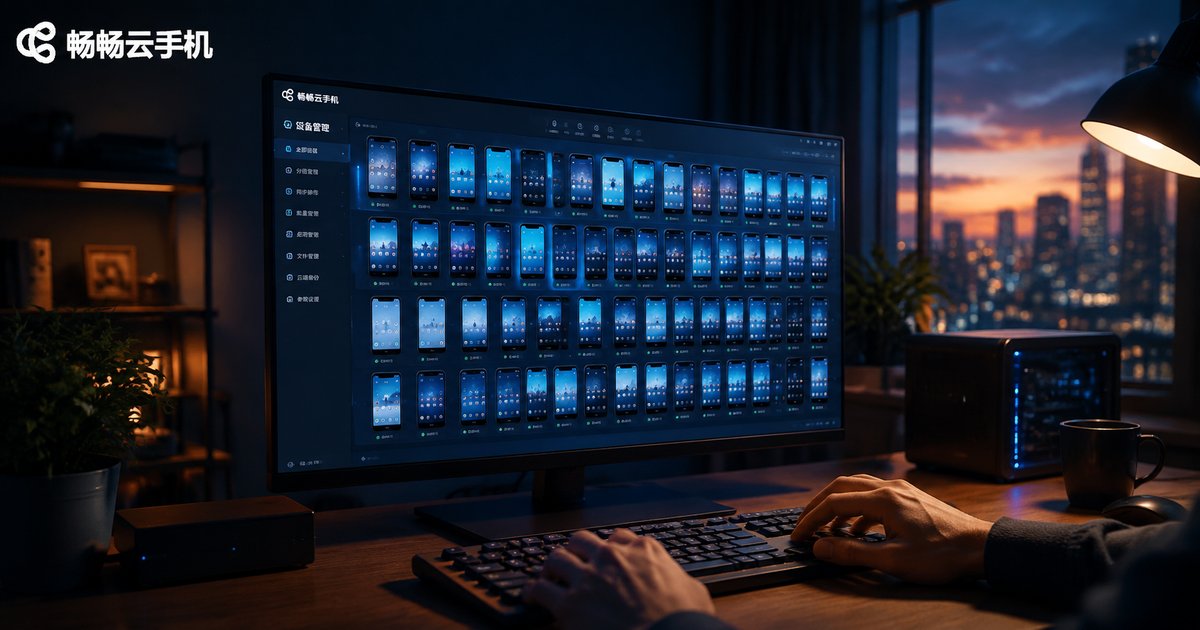
A cloud phone sync controller is the core tool for managing multiple cloud devices in batches. Instead of tapping through every phone one by one, you operate a master device once and every cloud phone follows in real time. This article explains how synchronizers work, which features matter most, and walks you through a complete five-step workflow—from logging into the console to running batch tasks across hundreds of devices. With ccloudphone's sync controller, you can control hundreds of cloud phones from a single computer, using batch installs, synchronized actions, and task distribution to multiply your operational efficiency.

ARM Bare Metal or Containerized Cloud Phone? 2026 Hardware-Level Isolation Risk Control Comparison and Pitfall Guide
The underlying architecture of a cloud phone has become the deciding factor in risk control. This article compares ARM bare metal and containerized solutions on hardware-level isolation, analyzing the four dimensions risk control systems probe most: kernel consistency, device fingerprint uniqueness, performance jitter, and sensor authenticity. It also breaks down three major 2026 platform risk control trends and provides a practical five-question pitfall-avoidance checklist, helping you choose a safer, more stable running environment for your account assets.