Can Cloud Phones Receive SMS Verification Codes? A Complete Guide to Virtual Numbers and Use Cases
Can Cloud Phones Receive SMS Verification Codes?
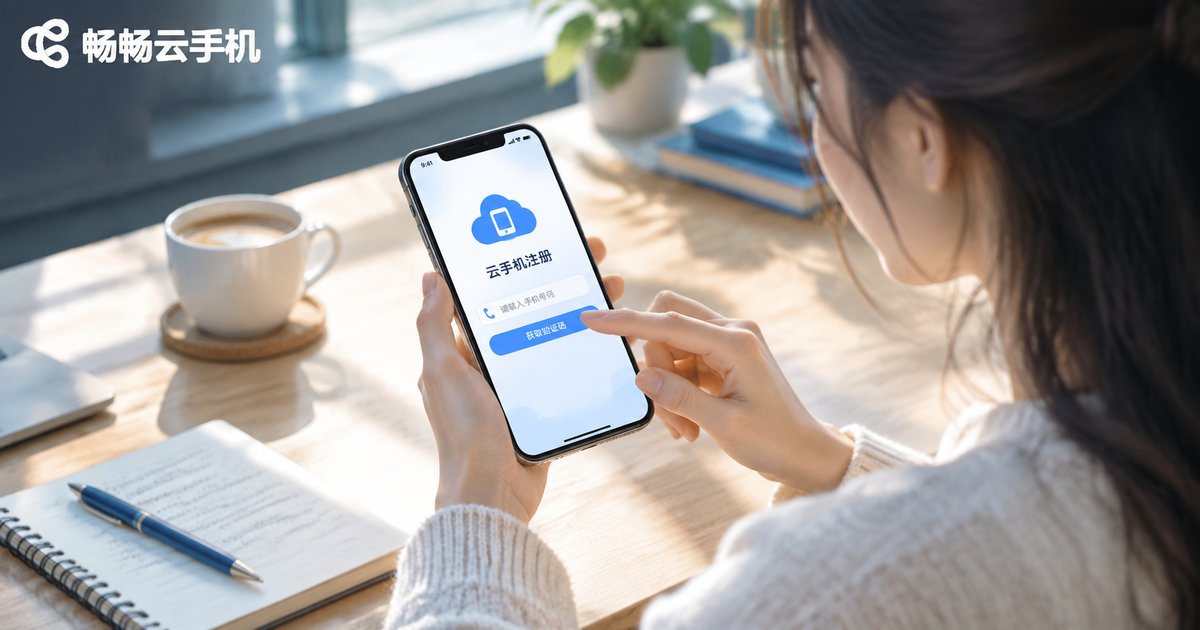
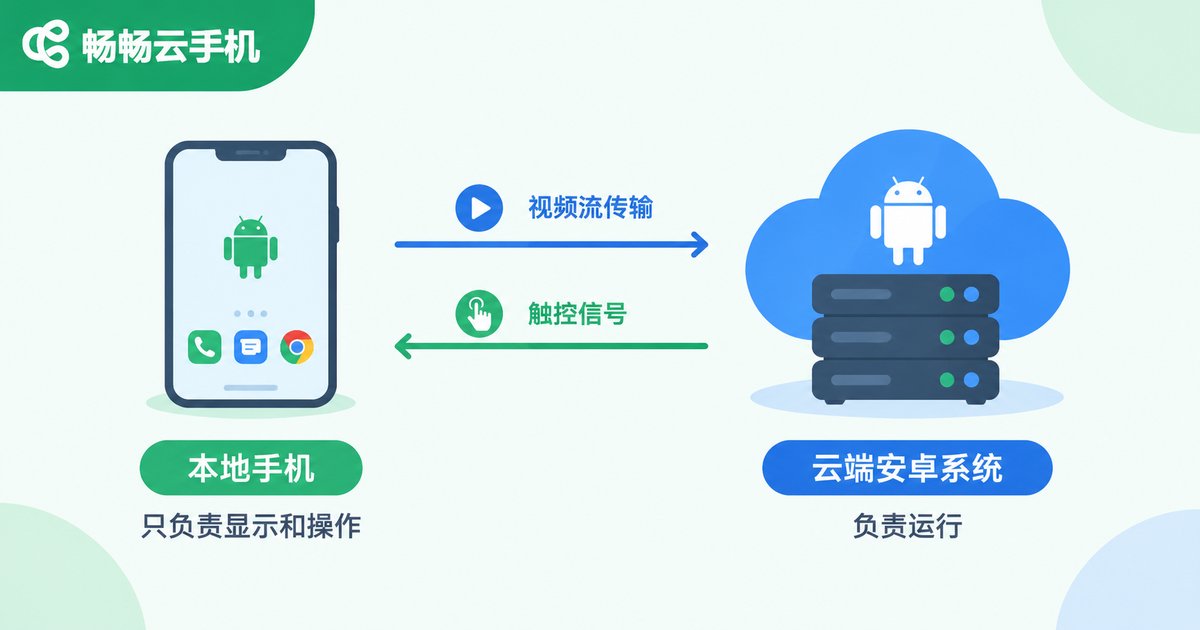
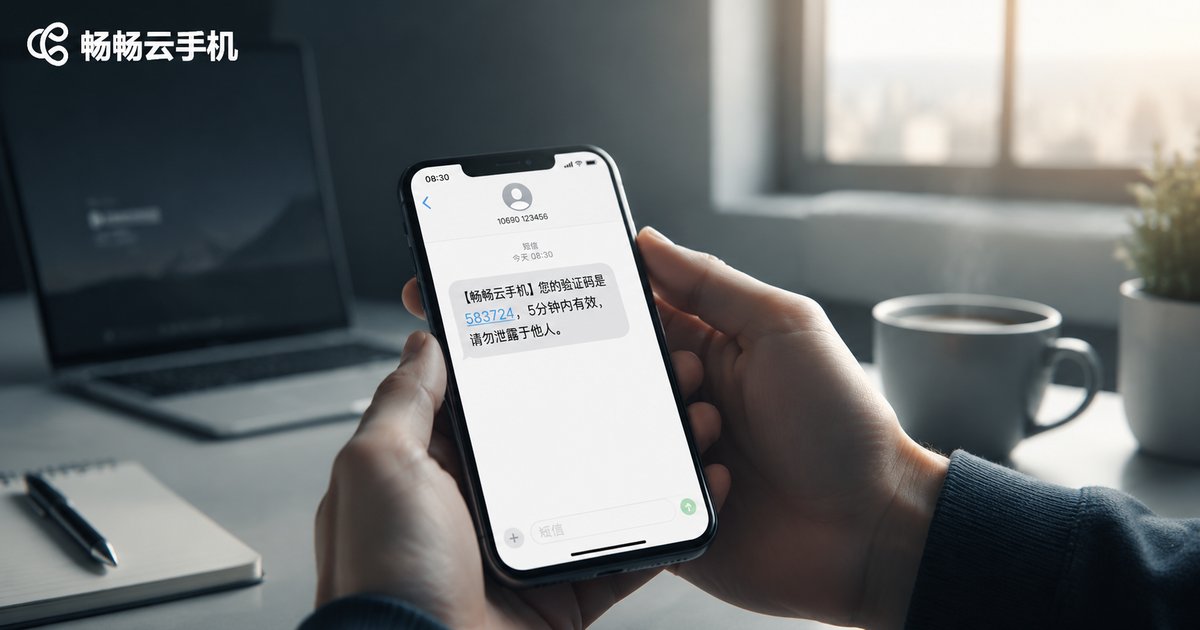
The answer is yes. A cloud phone is not an emulator—it is a real Android system running on cloud servers, with independent device parameters, independent storage, and a complete app environment. When an app sends a verification code to your number, the SMS goes directly into the cloud phone's inbox. You can view the code on the cloud phone screen and enter it to complete registration or login—an experience nearly identical to a physical device.
How Cloud Phones Receive Verification Codes
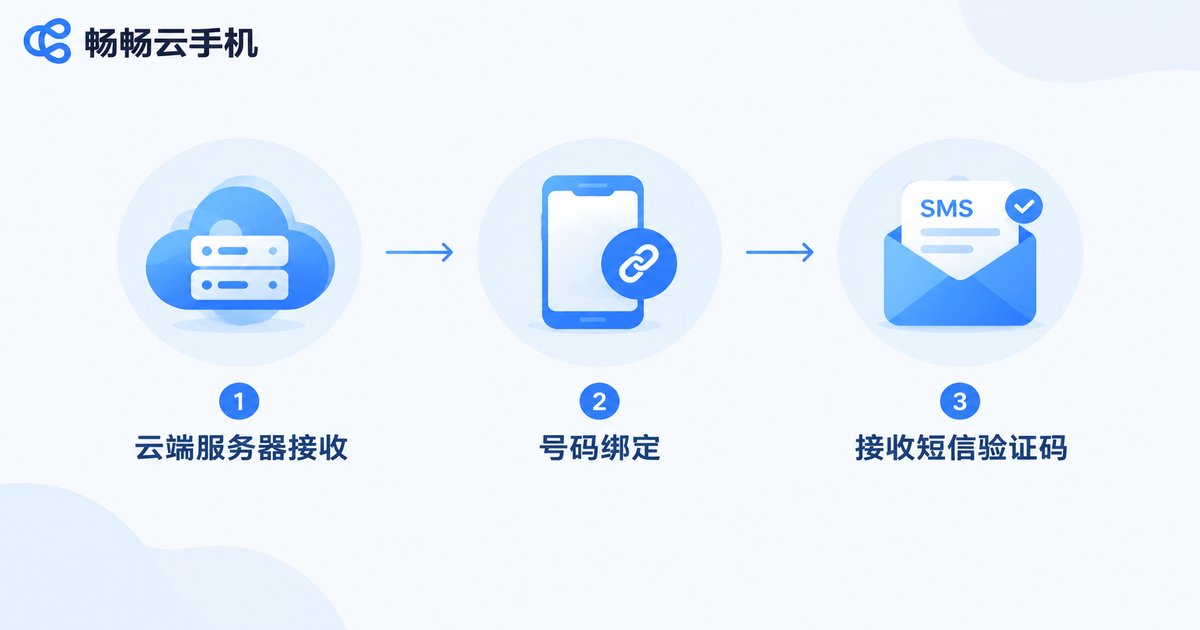
The key lies in binding cloud Android instances with number resources. The process can be summarized in three steps:
First, the cloud phone runs a complete Android system on cloud servers with a real communication environment. Second, once a number is assigned to the cloud phone, SMS messages sent to that number are received by the cloud system in real time. Third, the message is synced to the SMS app on the cloud phone—simply open it to view the code.
Because cloud phones run in data centers and stay online 24/7, you will never miss a verification code—even if your local phone is powered off or not with you. This is especially practical for teams managing large numbers of accounts.
What Are Virtual Numbers? How Do They Differ from Physical SIM Cards?
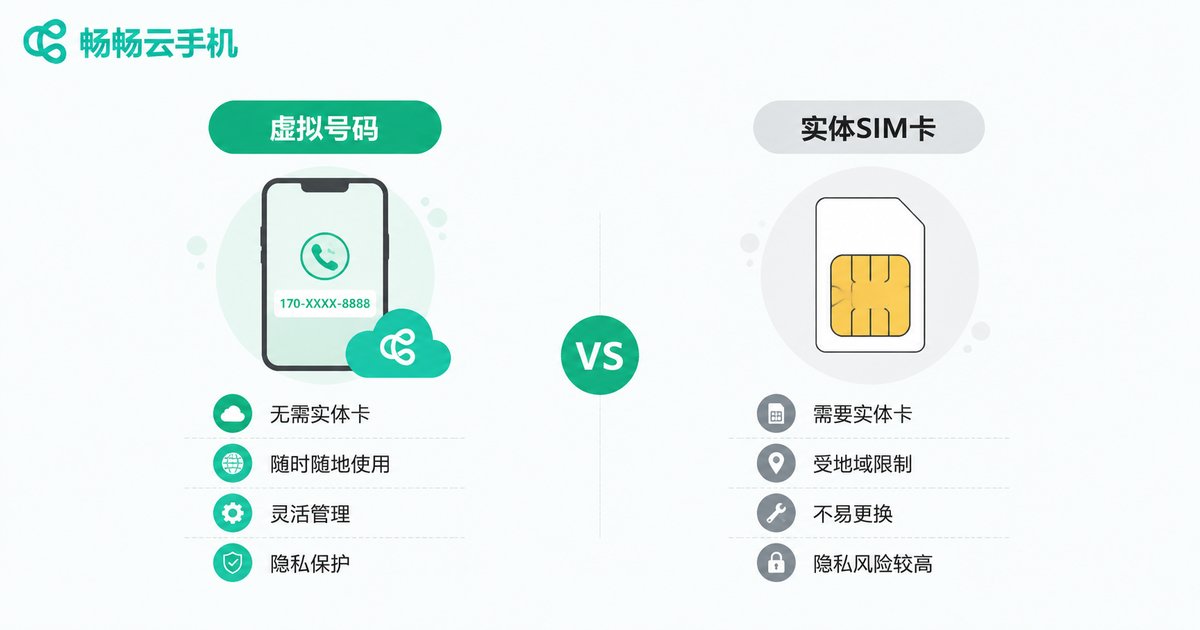
A virtual number is a number allocated from a cloud-based number pool without relying on a physical SIM card. It is often paired with cloud phones to achieve one-number-one-device account isolation. Here is how the two compare:
| Aspect | Physical SIM Card | Virtual Number |
|---|---|---|
| Form | Requires a physical device | Cloud-allocated, no physical card |
| Flexibility | Changing numbers means swapping cards | Allocated on demand, easy to manage |
| Multi-account support | Limited by device count | Works with multiple cloud phones at scale |
| Cost | Fixed card and plan fees | Pay as you go, controllable cost |
| Online status | Depends on device power | Always on in the cloud |
Note: whether you use physical or virtual numbers, always obtain them through legitimate channels and comply with local laws and platform terms of service.
Typical Use Cases for Receiving Verification Codes on Cloud Phones
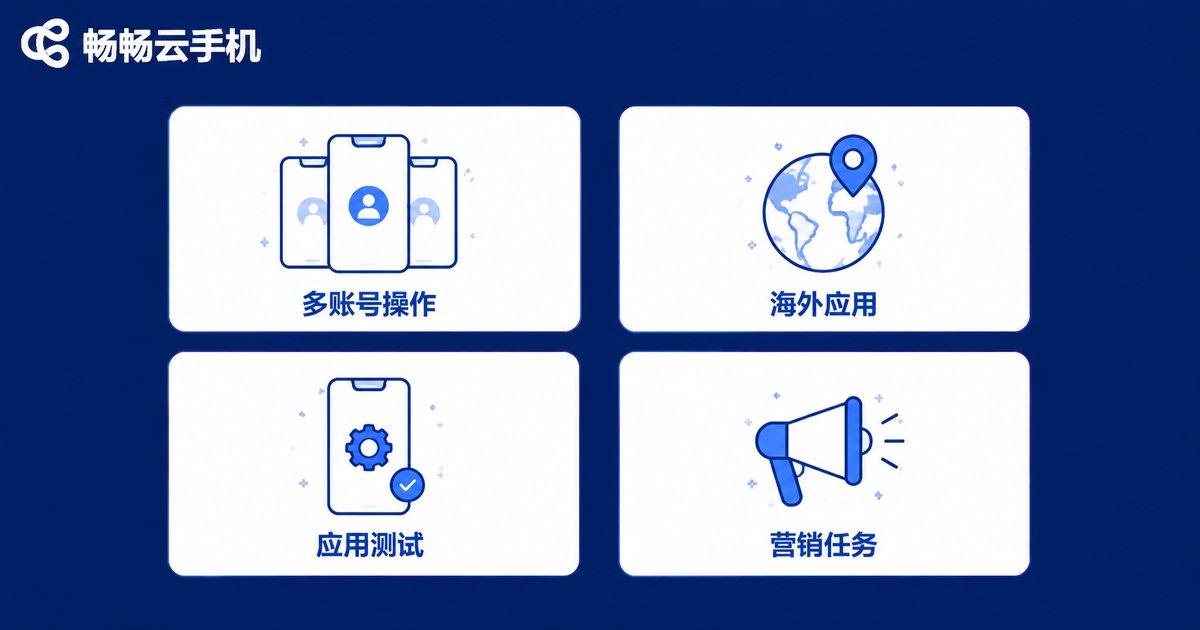
1. Multi-Account Registration and Matrix Operations
Cross-border e-commerce and social media teams often manage dozens or even hundreds of accounts. By pairing cloud phones with dedicated numbers, each account gets an independent device and number environment. Verification codes are received directly in the corresponding cloud phone without interference, greatly improving operational efficiency.
2. Overseas App Registration and Usage
Many overseas apps require number verification during sign-up. Cloud phones provide an independent cloud environment that, combined with number resources, allows smooth registration and long-term stable use of these apps.
3. App Development and Testing
When testing registration, login, and password recovery flows, developers need many numbers to receive codes. Cloud phones support batch instance creation, providing a controllable and reproducible verification environment.
4. Marketing Campaigns and Temporary Tasks
For online campaigns and one-off verification tasks, cloud phones with number resources can complete the process efficiently without affecting your daily-use physical phone.
Precautions When Using Cloud Phones to Receive Verification Codes
Follow platform rules: Some platforms limit the number of registrations per number or device. Review the target platform's terms before bulk operations to avoid account bans.
Choose legitimate number channels: Virtual numbers should come from legitimate number pools. Numbers from unknown sources may already be flagged by platforms, reducing registration success rates.
Protect account security: Enable two-factor authentication for important accounts and keep your cloud phone login credentials safe to avoid asset loss.
Why We Recommend CCLOUDPHONE
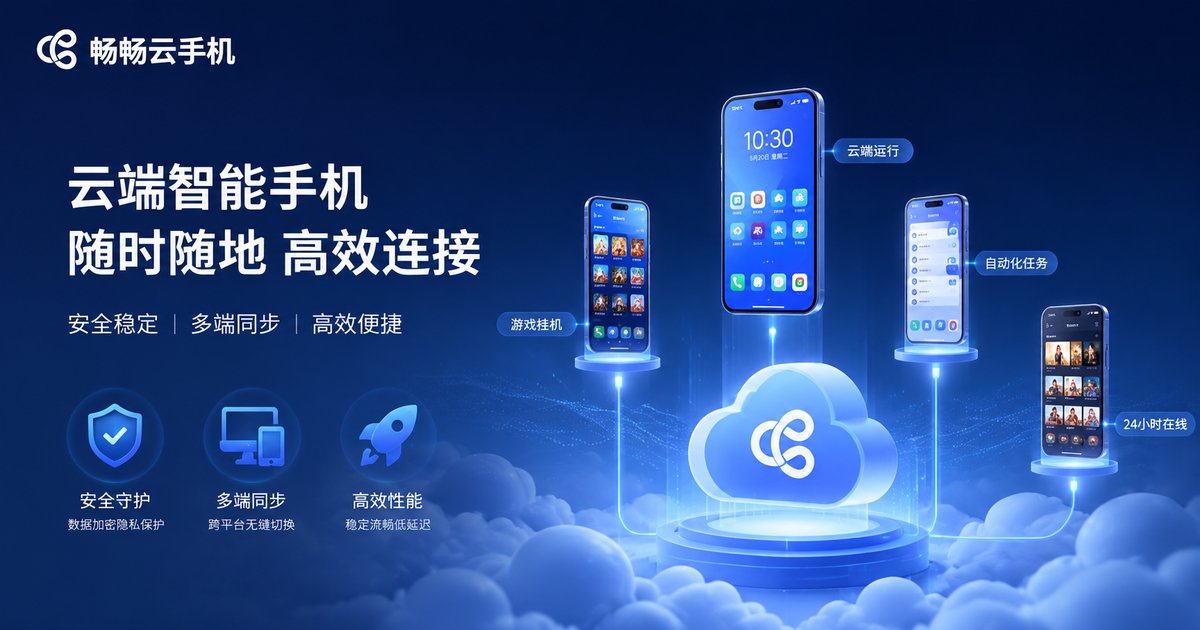
If you need a stable and reliable cloud phone for multi-account management and verification codes, CCLOUDPHONE is worth considering. Built on cloud ARM server architecture, CCLOUDPHONE delivers a real and smooth Android environment, supports multiple cloud phone instances running simultaneously, stays online 24/7, and can be accessed anytime from your phone or computer. Whether for multi-account operations, overseas app usage, or development testing, it provides a stable and smooth cloud experience.
FAQ
Q: Does receiving verification codes on a cloud phone cost extra?
The cloud phone itself provides the cloud runtime environment; number resources usually need to be configured separately. Please refer to the official website for pricing details.
Q: Will verification codes received on a cloud phone be lost?
No. Cloud phones stay online 24/7, and SMS messages are saved in the cloud phone's inbox, where you can review the history at any time.
Q: Can one cloud phone be bound to multiple numbers?
It is generally recommended to keep one number per cloud phone to maintain consistency between the device and number environment for better account stability.
Q: What is the difference between cloud phones and emulators for receiving verification codes?
Emulators run on local computers and their device parameters are easily detected by platforms; cloud phones run on real cloud servers with independent device environments, offering higher stability and authenticity.
Q: Is it legal to use a cloud phone to receive verification codes?
Cloud phones are legitimate cloud computing services. Make sure to obtain number resources through legitimate channels and comply with local laws and each platform's terms of service.