How to Choose a Cloud Phone Provider: Evaluating Stability, Response Speed, and Technical Support
Why Choosing the Right Cloud Phone Provider Matters
Cloud phones have become powerful assistants for work and entertainment: managing multiple accounts, running apps in parallel, and staying online around the clock all depend on a reliable cloud device. Yet many people choose based on price alone, only to discover problems later—frequent disconnects, laggy screens, and no one to turn to when things break. Picking the wrong provider saves a little money but costs you time and energy. This guide walks you through three core dimensions—stability, response speed, and technical support—to help you judge whether a cloud phone provider is truly dependable.
Dimension 1: Stability—The Foundation of Everything
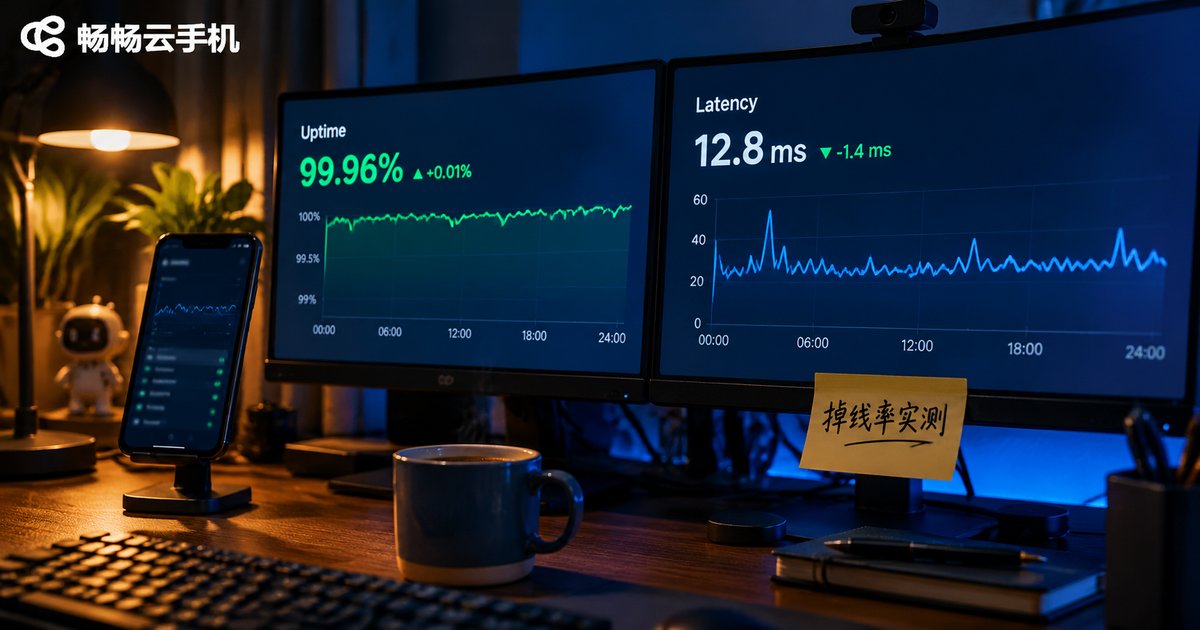
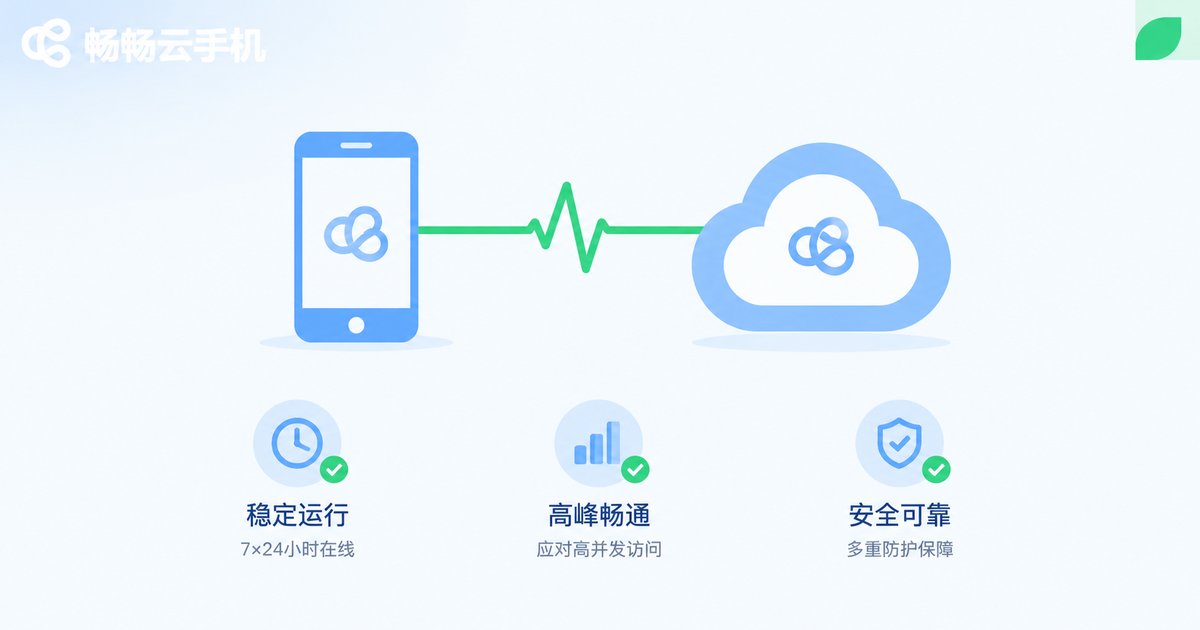
Stability is the lifeline of any cloud phone. A device that disconnects or crashes constantly is useless no matter how many features it offers. When evaluating stability, focus on the following:
1. Uptime and disconnect frequency: Watch whether the device stays online for long stretches and whether it drops connection without warning. Trustworthy providers usually commit publicly to high uptime rates and recover quickly after any interruption.
2. Peak-hour performance: Evenings and weekends are peak usage times, and some platforms run smoothly by day but lag at night. Schedule your trial deliberately during peak hours to see whether performance holds up.
3. Data and session retention: Whether app data and login states survive a restart or brief disconnect is also part of stability. If data keeps disappearing, walk away no matter how cheap it is.
Dimension 2: Response Speed—The Key to How It Feels
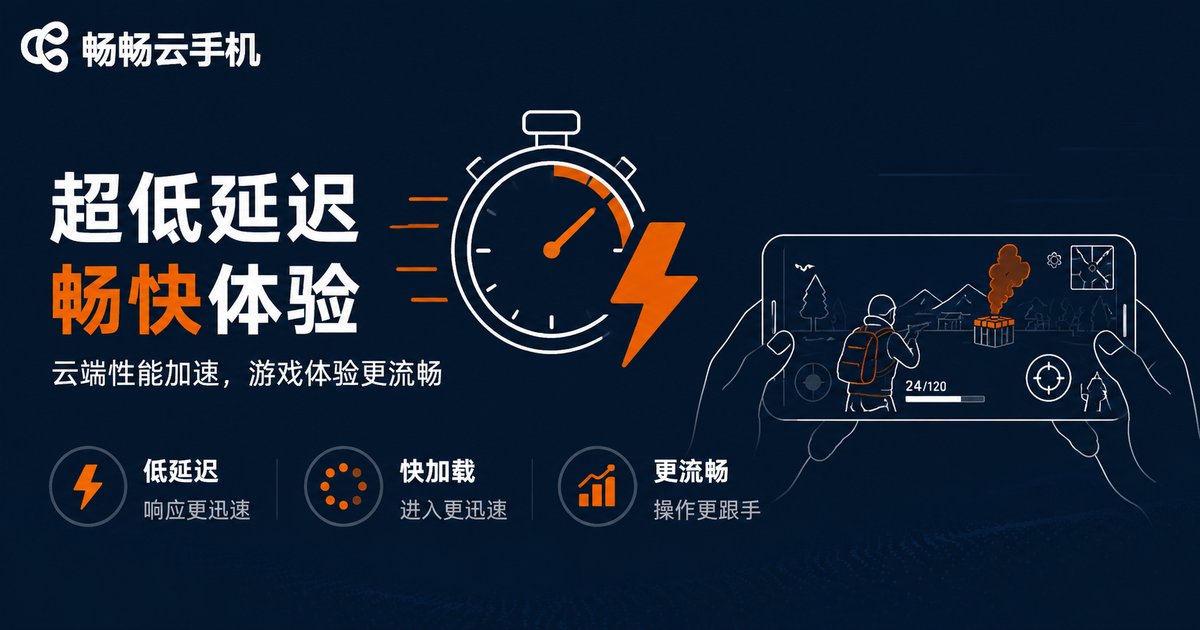
Response speed directly shapes your experience, especially in latency-sensitive scenarios like gaming and live streaming. Evaluate it from three angles:
1. Display latency: The shorter the gap between your input and the on-screen reaction, the better. The simplest test is playing a game that demands precise controls and feeling whether actions track your fingers or drag behind.
2. Boot and load times: How quickly a cloud device boots and apps launch reflects the provider's underlying scheduling and resource allocation. Faster means a stronger technical foundation.
3. Smoothness at high graphics settings: Some platforms only stay smooth by dropping image quality, which signals limited performance headroom. Turn the settings up and see whether it still runs smoothly.
Dimension 3: Technical Support—Your Lifeline When Things Go Wrong
Even the most stable platform can hit problems, and the quality of technical support determines how much those problems cost you. Here is how to evaluate it:
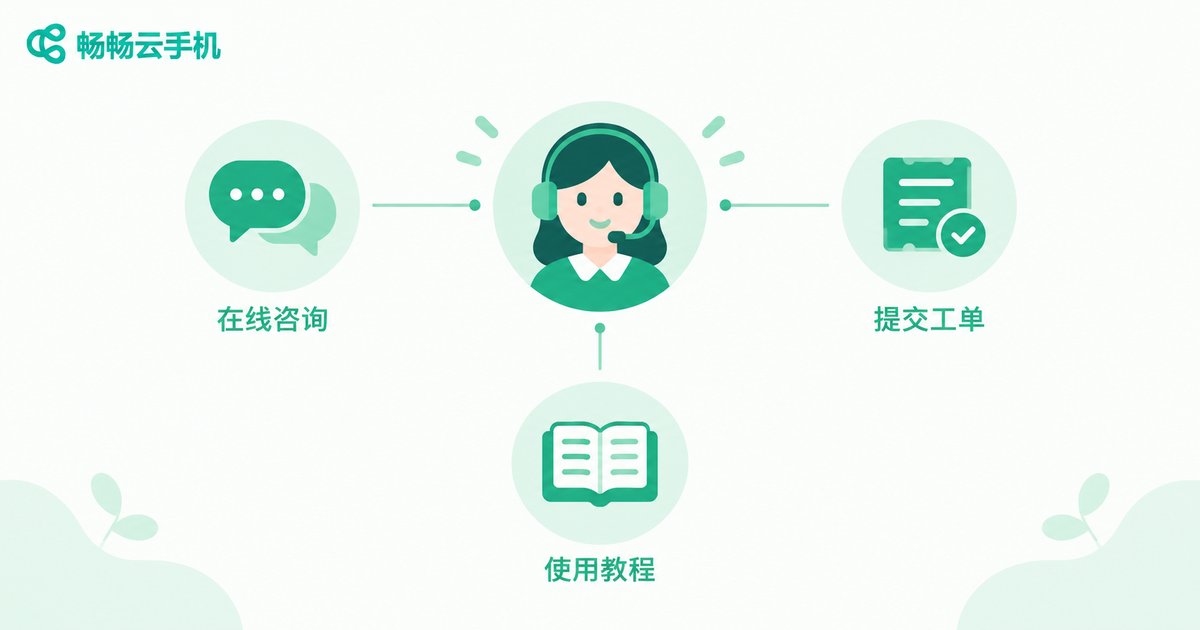
1. Check the available channels: Live chat, ticket systems, user communities—the more channels, the more mature the service system, and the more places to turn when trouble strikes.
2. Test the response yourself: Before paying, ask a specific pre-sales question and note how quickly and professionally the team replies. If they are slow before you buy, do not expect better afterward.
3. Review the help documentation: A complete help center with tutorials lets you resolve most common issues on your own instead of waiting for an agent every time.
The Three Dimensions at a Glance
| Dimension | Key Metrics | Practical Test |
|---|---|---|
| Stability | Uptime, disconnect frequency, data retention | Run the device for two to three days during peak hours |
| Response speed | Display latency, boot time, high-graphics smoothness | Play a control-heavy game and feel the input tracking |
| Technical support | Channel coverage, response time, resolution ability | Ask a specific question before purchasing |
Why We Recommend ccloudphone
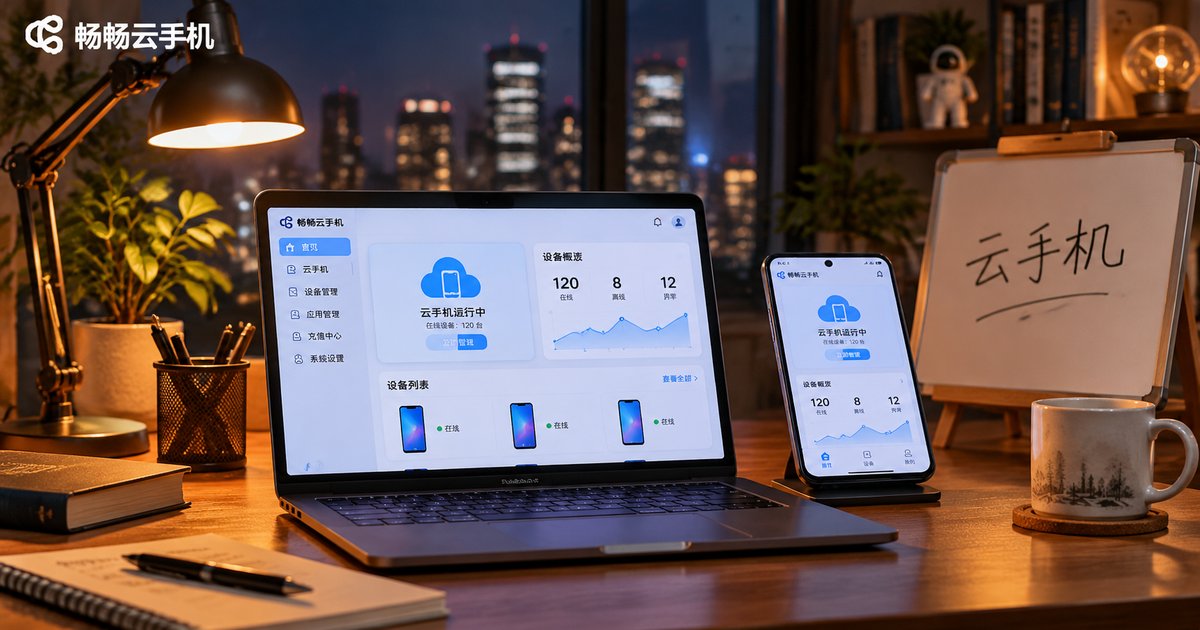
Filter providers using the three dimensions above, and ccloudphone stands out as an option worth trying first. It delivers solid device stability and responsive operation, its support team replies promptly, and the clean interface keeps the learning curve gentle—whether you are new to cloud phones or managing many devices at once. Visit the official ccloudphone website for details, then trial it in your own scenario and let real experience make the final call—after all, the best choice is the one that fits you.
FAQ
Q: Is a cheaper cloud phone always better value?
Not necessarily. A low price means little if the device disconnects constantly and lags badly. Screen providers by stability, response speed, and support first, then compare prices among the qualified options.
Q: How can I quickly tell whether a provider is stable?
Test during peak hours: use the device continuously for two or three evenings between 8 and 11 p.m. and count disconnects and stutters. That beats any marketing claim.
Q: Does a friendly pre-sales agent guarantee good after-sales service?
Not guaranteed, but pre-sales responsiveness is a useful signal. Ask about their incident handling process and response times, and see whether the answers are specific or evasive.
Q: What else should beginners look for?
Prioritize providers with a clean interface, thorough tutorials, and patient support—platforms like ccloudphone with a low learning curve will save you a lot of trial and error.