
Google SEO Footprint Tasks in the Cloud: Cloud Phone Backlink Matrix & Rank Tracking
What Are Google SEO Footprint Tasks?
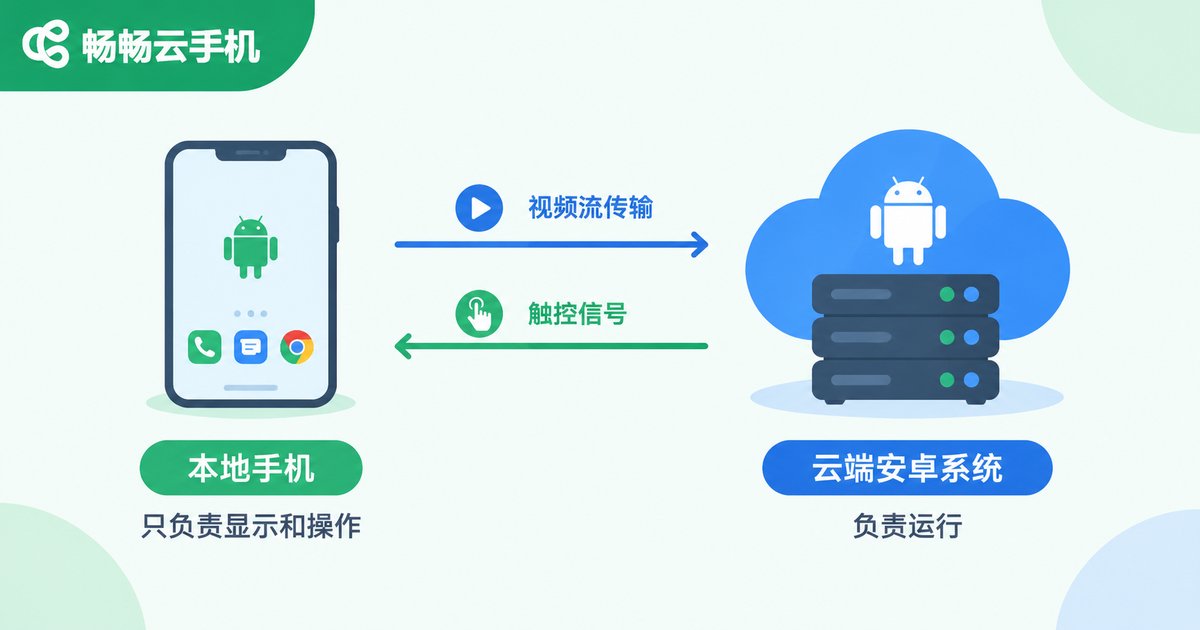
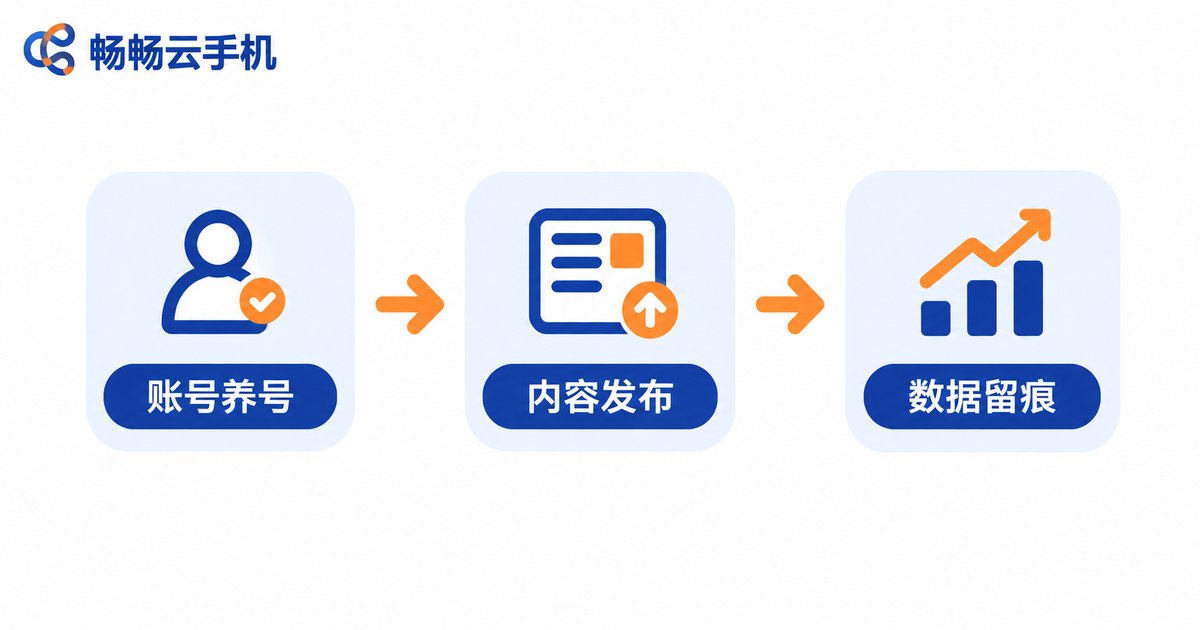
Anyone doing Google SEO knows one truth: rankings are not built in a day. “Footprint tasks” are the ongoing activities that leave real, natural traces across the web around your target website—daily account activity, multi-platform content distribution, gradual backlink accumulation, and regular keyword rank monitoring. These small but essential actions together form the evidence that a website is “growing healthily” in Google's eyes.
The difficulty is that footprint tasks are long-cycle, high-frequency, and highly repetitive: accounts need daily engagement, content must go out across multiple platforms, and keyword rankings need tracking for weeks on end. Handling this manually, device by device, is inefficient—and any gap in consistency or a sudden environment change can undo weeks of work. That is why cloud automation has become the natural choice.
Why Footprint Tasks Belong in the Cloud
The essence of footprint tasks is steady, long-term consistency. Google's algorithms trust accounts and websites with coherent, continuous behavior far more than “pulse-style” operations that burst suddenly and then fall silent. This gives footprint tasks three natural requirements:
First, always-on availability. Accounts must stay active and content must publish on schedule—tasks do not sleep or take holidays. Second, a stable environment. Frequently changing device environments can easily be flagged as abnormal behavior. Third, batch scalability. Backlink matrices and content distribution often involve dozens of accounts; manual switching simply cannot keep up.
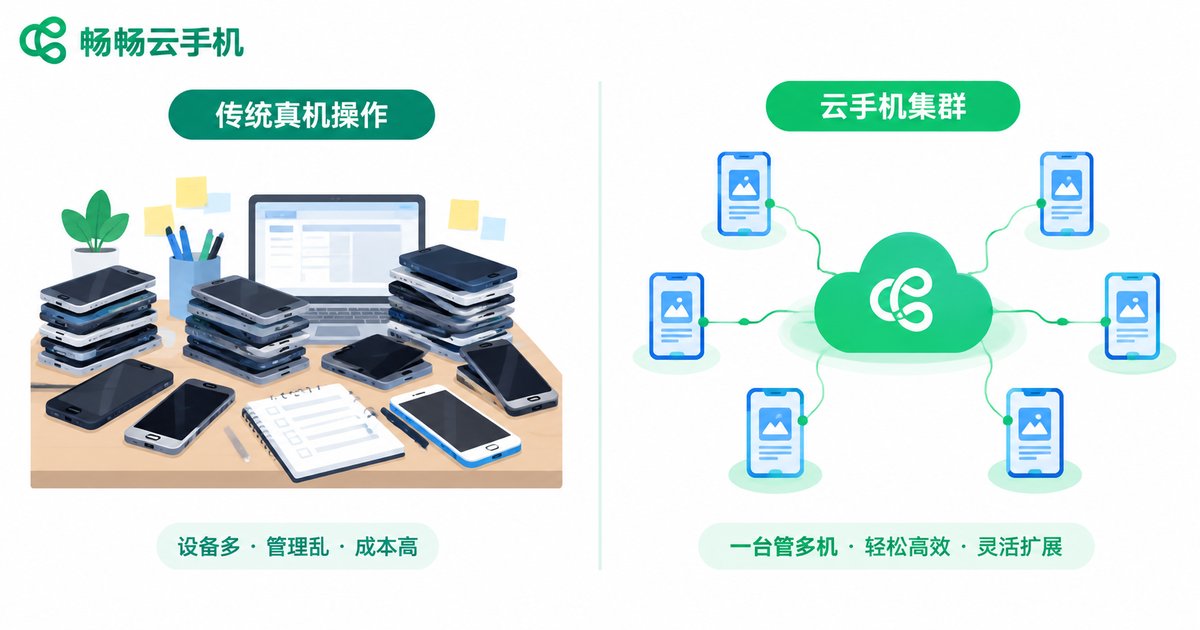
Cloud phones solve all three at once: tasks run on cloud servers with 24/7 uptime, each instance has its own isolated environment, and a centralized dashboard lets you schedule and batch-control large numbers of instances.
| Aspect | Multiple Physical Phones | Cloud Phone Setup |
|---|---|---|
| Uptime | Depends on manual power on/off | Always-on in the cloud |
| Environment | Hard to keep consistent | Isolated per instance |
| Batch control | Manual device switching | Centralized dashboard |
| Overall cost | High hardware investment | Scale instances as needed |
Building a Backlink Matrix with Cloud Phones in Three Steps
A backlink matrix is not about scattering links everywhere—it is a structured, well-paced link ecosystem. With cloud phones, the process breaks down into three steps:
Step one: build the account matrix. Create multiple isolated instances on your cloud phones, each carrying a group of platform accounts with its own environment and pacing, which lowers the risk of account linkage.
Step two: plan content distribution. Adapt core content to each platform's style, then deliver it to matrix accounts through scheduled tasks on the cloud phones, embedding links naturally instead of mass-posting.
Step three: keep the growth curve natural. Backlinks should grow gradually. Scheduled tasks spread publishing evenly, so the overall link curve looks like organic growth.

Rank Tracking: Let Data Replace Guesswork
Publishing backlinks is only the beginning—ranking movements are the real feedback. Cloud phones offer two natural advantages for rank tracking:
First, a genuine mobile perspective. Google's results differ between mobile and desktop; rankings checked on a cloud phone reflect what real mobile users see. Second, scheduled automation. Turn “open the search engine, type the keyword, record the position” into a daily scheduled task, and the data collects itself—trends become obvious at a glance.
We recommend building a tracking sheet for each keyword group and keeping it up for two to four weeks. Which backlink worked, which content adjustment paid off—the data will tell you.
| Tracking Dimension | What to Record | Frequency |
|---|---|---|
| Keyword rankings | Daily positions of core and long-tail keywords | Once daily |
| Backlink indexing | Indexing status of newly built links | Every 2–3 days |
| Traffic changes | Organic search traffic and source distribution | Weekly |
Changchang Cloud Phone: The Cloud Base Camp for Footprint Tasks
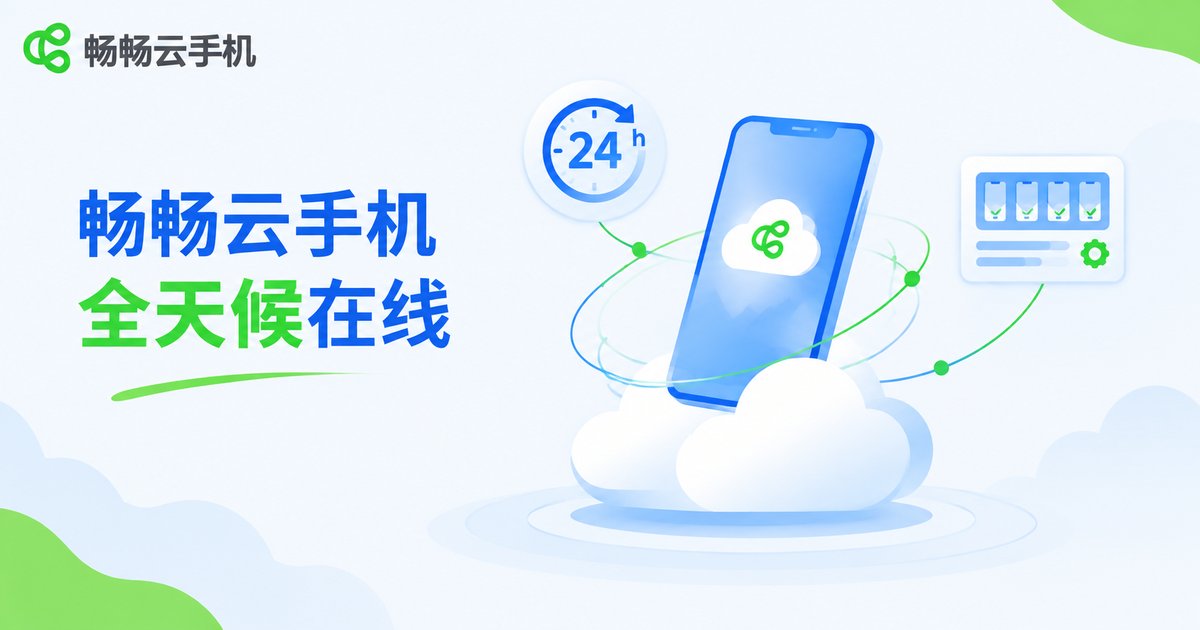
Among the many cloud phone products available, Changchang Cloud Phone (ccloudphone) deserves a close look. It moves a complete phone environment into the cloud, accessible remotely through a web page or client, with devices online around the clock—ideal for footprint tasks that need to run unattended over long periods.
For SEO teams, the value is clear: batch instance management keeps matrix accounts running in good order, isolated environments reduce the risk of account linkage, and remote access lets operators check task progress anytime, anywhere. For feature and plan details, visit the official Changchang Cloud Phone website (ccloudphone) and refer to what the official pages display.
FAQ
Q: Is it safe to run Google SEO footprint tasks on cloud phones?
Cloud phones provide isolated running environments. With disciplined operations and a natural usage rhythm, account stability is better than frequently switching between physical devices. The key is avoiding aggressive actions and keeping behavior traces natural.
Q: How many cloud phone instances do I need?
It depends on the scale of your matrix. Start with a small number of instances to validate the workflow, then expand as your distribution channels and accounts grow. Polish the single-instance process first, then scale.
Q: How much time does rank tracking take each day?
Once tracking is set up as a scheduled task on the cloud phone, you only need to review the data sheet and analyze trends—usually ten-plus minutes a day, while the cloud handles the rest automatically.
Q: How long until the backlink matrix shows results?
Google's indexing and weight transfer for backlinks involve delays; noticeable changes usually require several weeks of consistent operation. Footprint tasks reward persistence—and cloud phones make persistence effortless.