Is a Cloud Phone Worth It? Cost Comparison with Buying a Second Physical Phone
Why More People Want a "Second Phone"
Separating work and personal numbers, running multiple accounts, keeping games online overnight, or giving one app a clean, isolated environment—these needs have pushed many people toward buying a second phone. But a new device easily costs several hundred dollars and loses half its value within two years. Is buying a dedicated physical phone really worth it? Cloud phones offer a new answer: you can have a "second phone" without buying any extra hardware.
Where Does the Money Go with a Second Physical Phone?
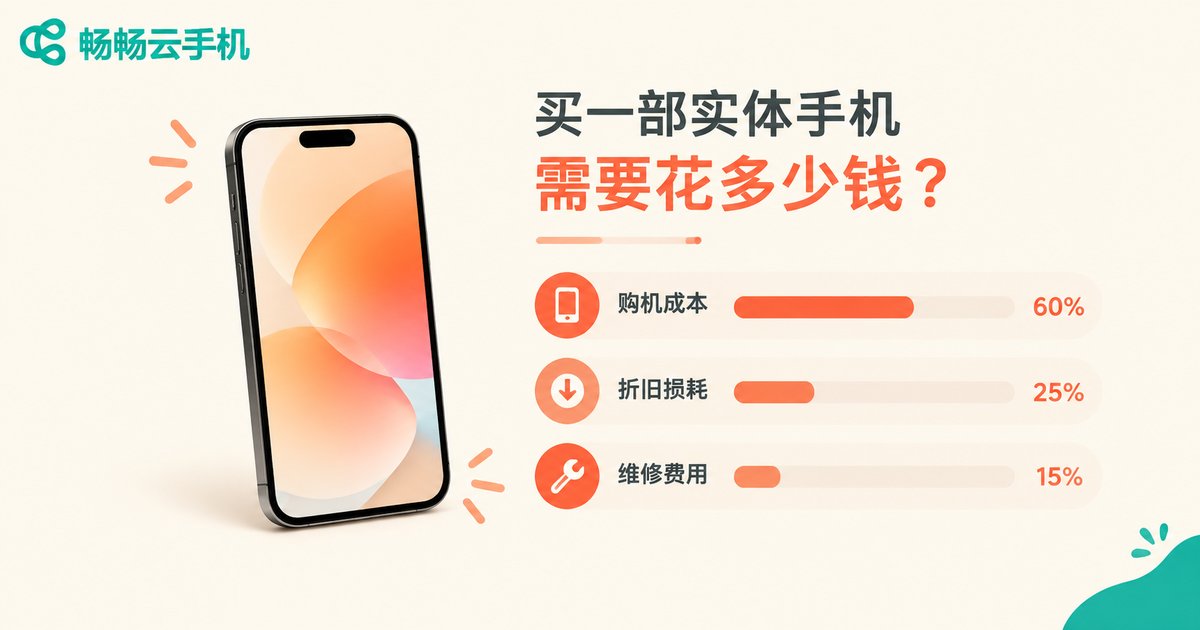
Let's do the math for a typical backup device:
Purchase cost: mainstream mid-range Android phones typically run $200-$400, while flagships exceed $600—a large one-time expense.
Depreciation: phones are classic depreciating assets, losing roughly 30%-50% of their value each year. After two years, resale value is minimal.
Usage and repairs: screen or battery repairs often cost $50-$100+, and keeping a phone online all night accelerates battery wear, quietly adding to the total.
Upgrade cycle: most people replace their phone every 2-3 years—another large expense.
Add it all up, and a backup physical phone costs roughly $120-$220 per year in total ownership cost, with a big payment due on day one.
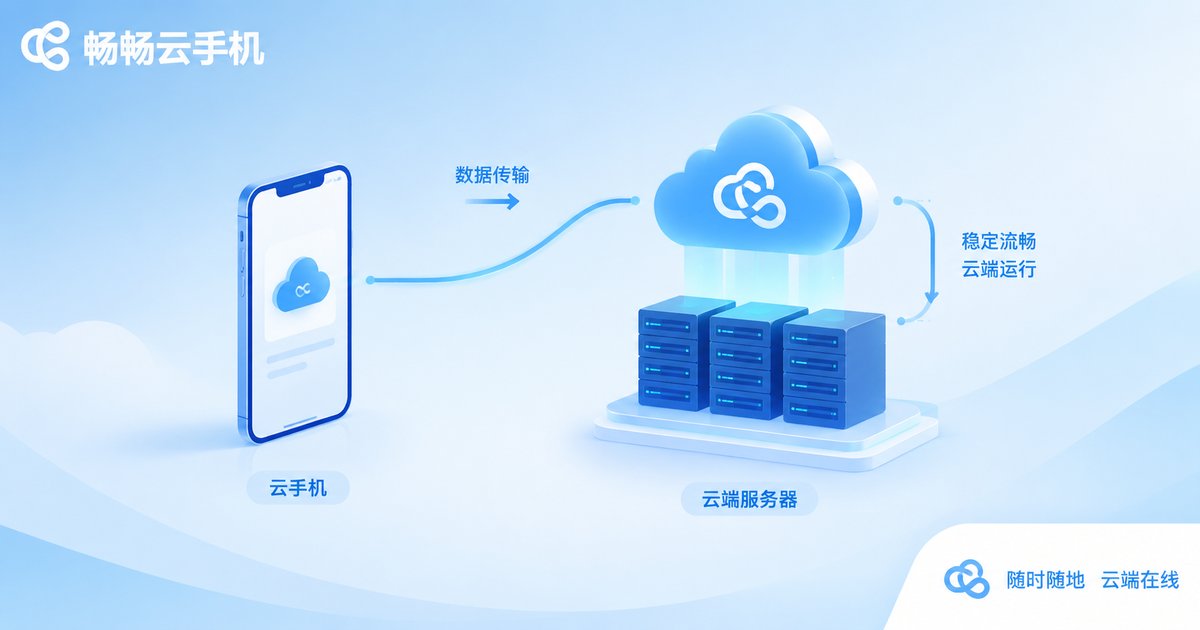
Cloud Phones: Your "Second Phone" in the Cloud
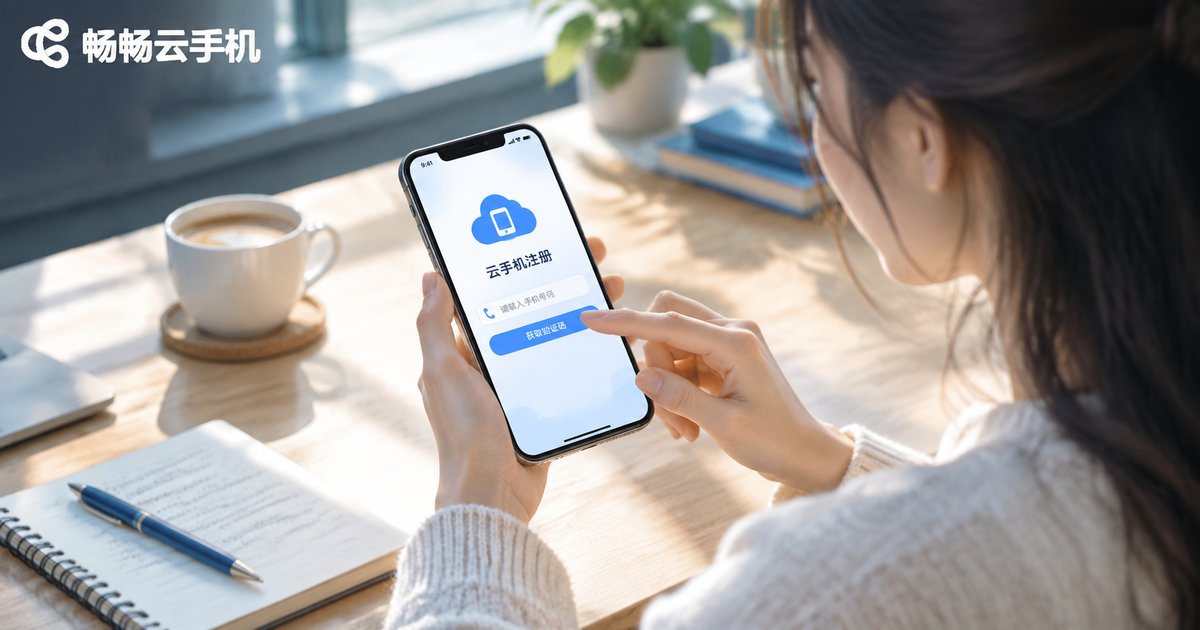
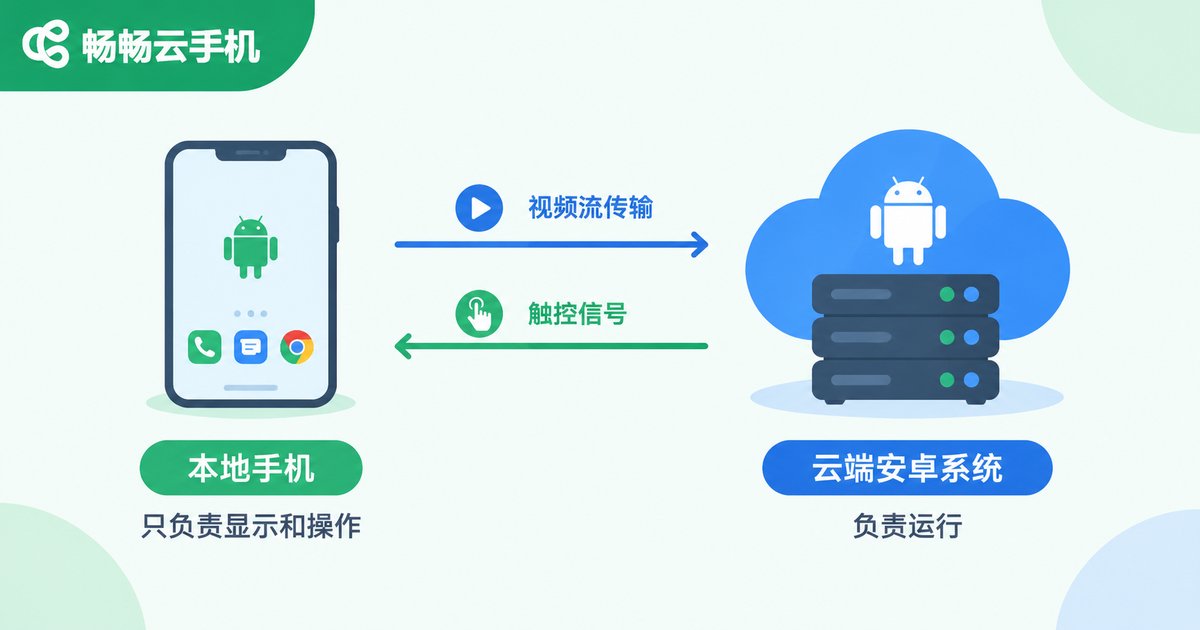
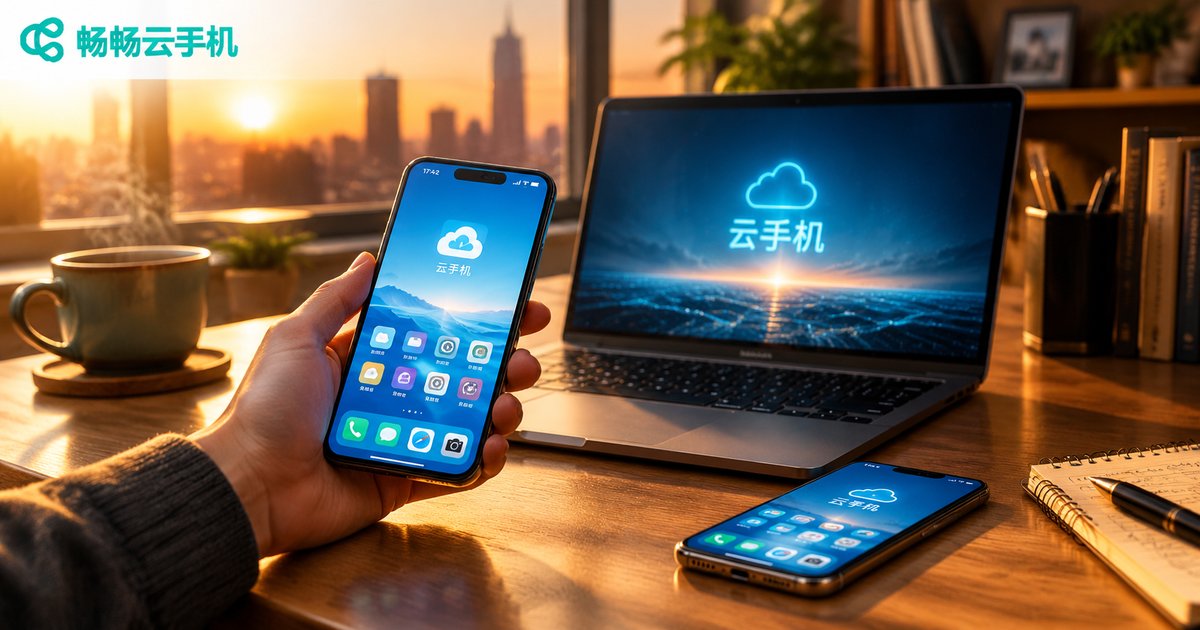
The idea behind a cloud phone is simple: the hardware lives in a remote data center, not in your pocket. You control this "phone in the cloud" from your existing phone or computer—installing apps, running games, staying online—and the experience is nearly identical to a physical device.
CCloudPhone provides a cloud-based Android environment with support for running multiple app instances, long-duration online operation, and snapshot backup and recovery. You don't need to buy any extra hardware; one device can manage multiple cloud phones at the same time.
Cost-wise, cloud phones use a monthly subscription model—no purchase price, no depreciation, no repair fees. The monthly fee is typically far lower than a single year of a physical phone's depreciation, and you can simply stop renewing when you no longer need it. See the official website for current plans and pricing.
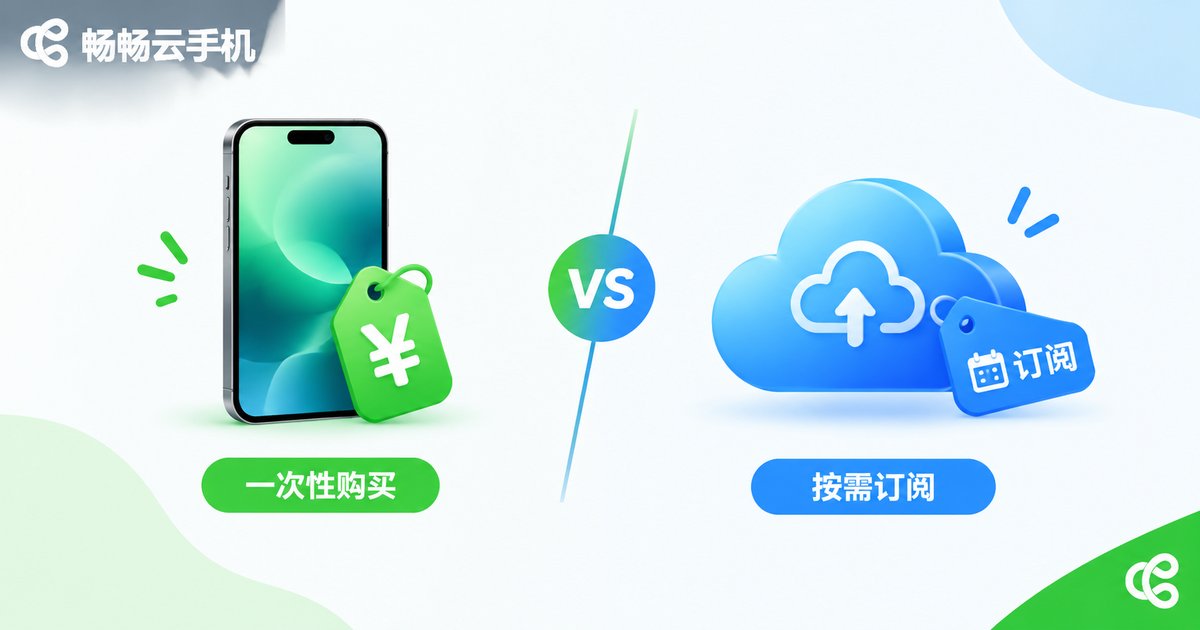
Cost Comparison at a Glance
| Item | Second Physical Phone | Cloud Phone (CCloudPhone) |
|---|---|---|
| Upfront cost | $200-$400 one-time purchase | $0, monthly subscription |
| Annual cost | ~$120-$220 (incl. depreciation) | Monthly subscription, far lower annual cost (see official plans) |
| Depreciation | 30%-50% value loss per year | None—no hardware involved |
| Repairs | Screen/battery repairs add up | $0, hardware maintained in the cloud |
| Upgrades | Buy a new phone every 2-3 years | Adjust cloud configuration anytime |
| 24/7 operation | Heat, battery drain, wear | Runs in the cloud, zero local burden |
As the table shows, the longer you use it, the bigger the cost advantage of a cloud phone. A physical phone's biggest costs are the upfront purchase and ongoing depreciation, while a cloud phone turns a large expense into a small monthly fee—much lighter on your wallet.
Beyond Price: Hidden Differences
Portability: a physical phone means one more device in your pocket and one more charging cable; a cloud phone is just an app.
Data safety: if a physical phone is lost or broken, the data may go with it; cloud phone data lives in the cloud with snapshot backups, so even accidental deletions can be recovered.
Multi-instance capability: a physical phone runs one system; a cloud phone can run multiple instances simultaneously, with accounts fully isolated from each other.
Start and stop anytime: an unused physical phone just sits in a drawer or gets sold at a loss; a cloud phone can be canceled whenever you like, with no second-hand hassle.
Who Is a Cloud Phone For?
If you have any of the following needs, a cloud phone is very likely cheaper than buying a second physical phone:
· Running multiple accounts online at the same time
· Keeping a game online for long hours to farm resources
· Separating work and personal numbers without carrying two phones
· Temporarily adding several devices for a short-term project
On the other hand, if you need a physical SIM slot, NFC, or a real camera, a physical phone remains irreplaceable. So the more accurate framing is this: a cloud phone doesn't replace your main phone—it replaces your "second phone." Keep your main device for daily use and let a cloud phone handle multi-instance tasks and idle operation. That's the most budget-friendly combination.
FAQ
Q: Are cloud phones laggy?
Cloud phones stream the screen over the network. With a stable connection, responsiveness is close to a physical phone. CCloudPhone runs in professional data centers, handling chatting, idle operation, and multi-instance scenarios smoothly.
Q: Is cloud phone data safe?
Data is stored in the cloud with snapshot backup and recovery. Compared with a physical phone, it's actually safer against device loss or damage wiping out your data.
Q: Can a cloud phone replace my main phone?
Not entirely. Hardware-dependent features like the camera, NFC, and calls still require a physical phone. A cloud phone covers the "second phone" need, not the first.
Q: Can I stop anytime?
Yes. With a monthly subscription, simply stop renewing when you no longer need it—no second-hand resale hassle. See the official website for specific billing rules.
Q: How many apps can one cloud phone hold?
Just like a regular Android phone, it depends on the storage allocated in the cloud. Check the official plan details for exact specifications.