What Are the Differences Between Cloud Phones and Real Phones? A Deep Dive from Hardware to Risk Control
Introduction: Core Differences Between Cloud Phones and Real Phones
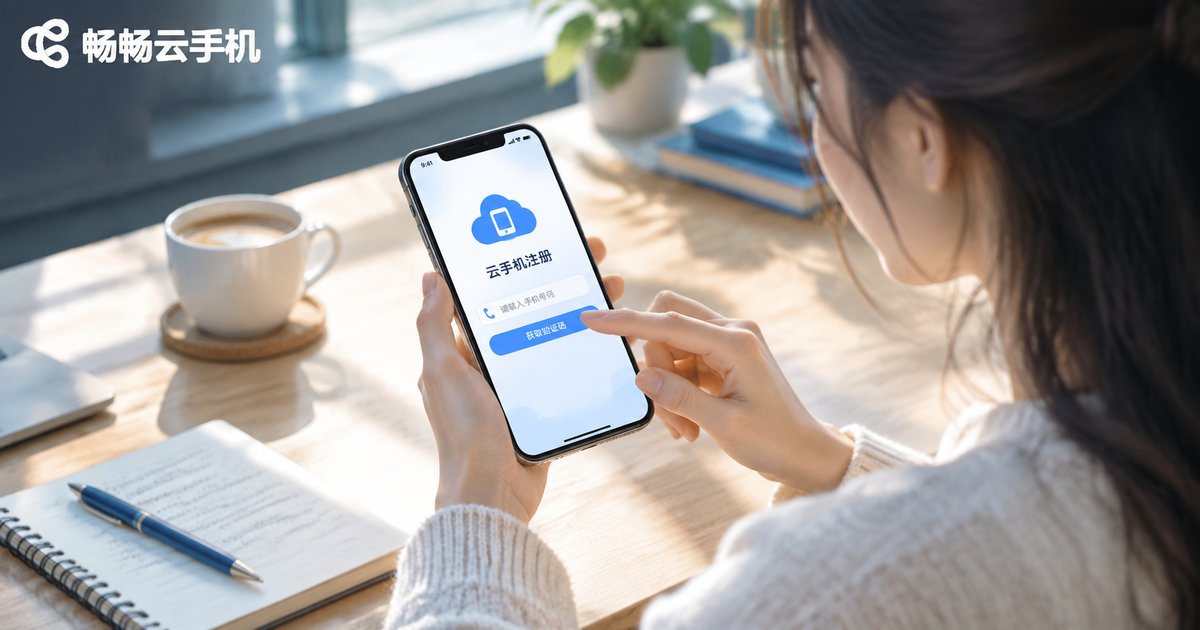
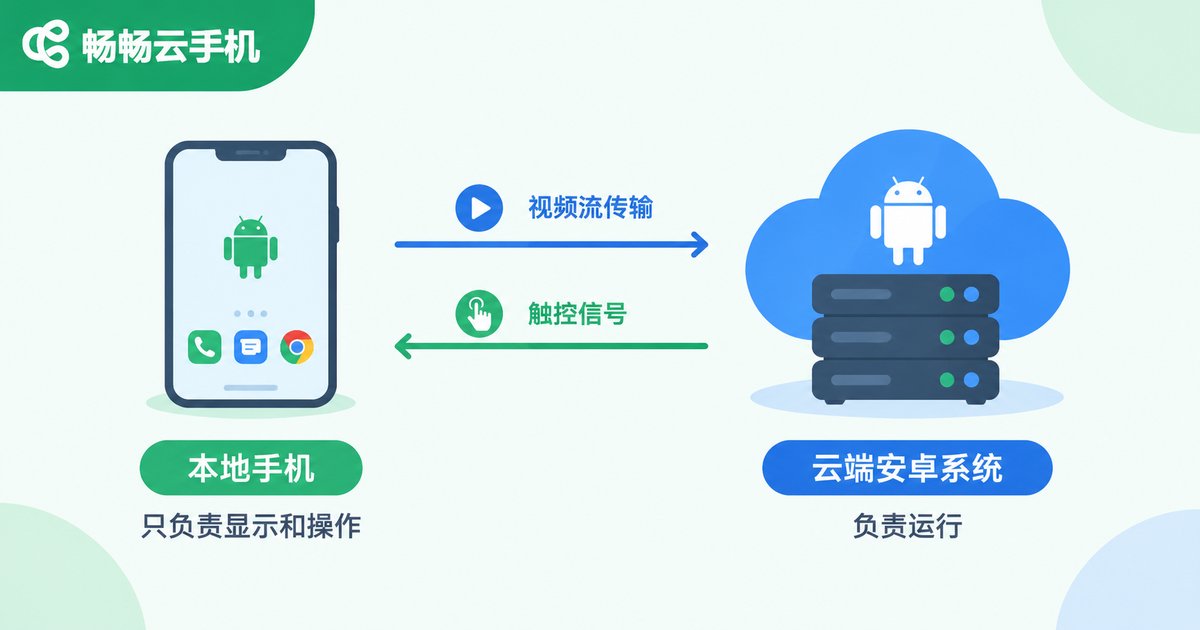
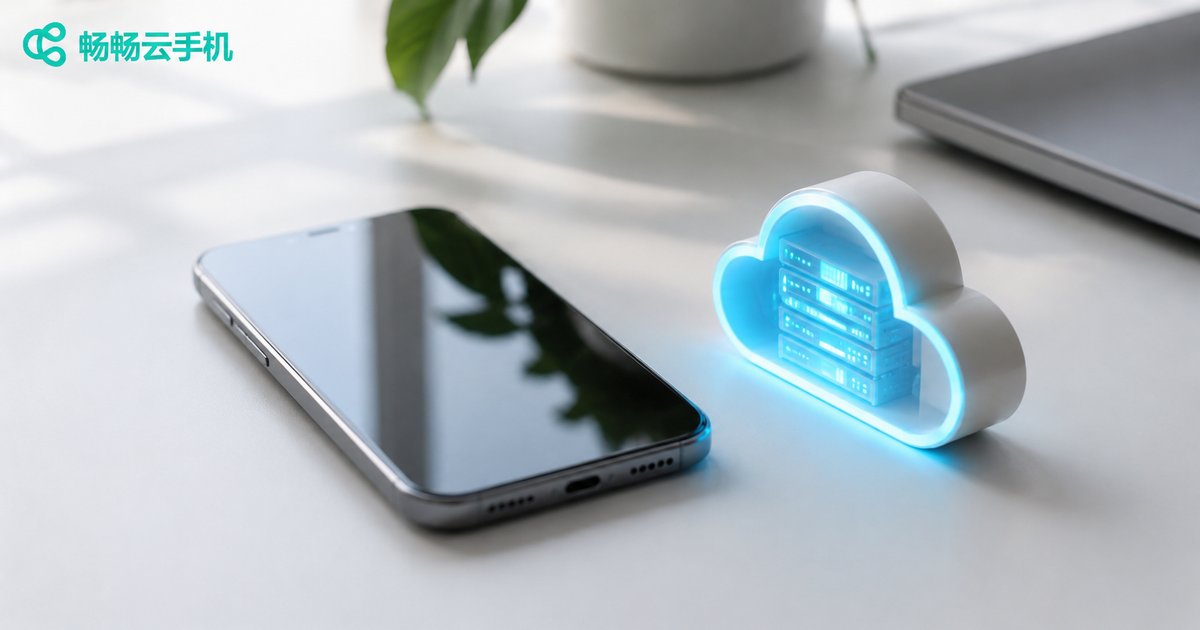
Many people ask one question when they first encounter cloud phones: What is the difference between cloud phones and real phones? Simply put, a real phone is a physical device held in your hand, while a cloud phone is a virtual phone running on cloud servers. Although the user interface presented on the screen is similar, the underlying hardware architecture and risk control logic are completely different. This article will deeply analyze the core differences between the two.
Hardware Configuration: Physical Chips vs. ARM Server Clusters
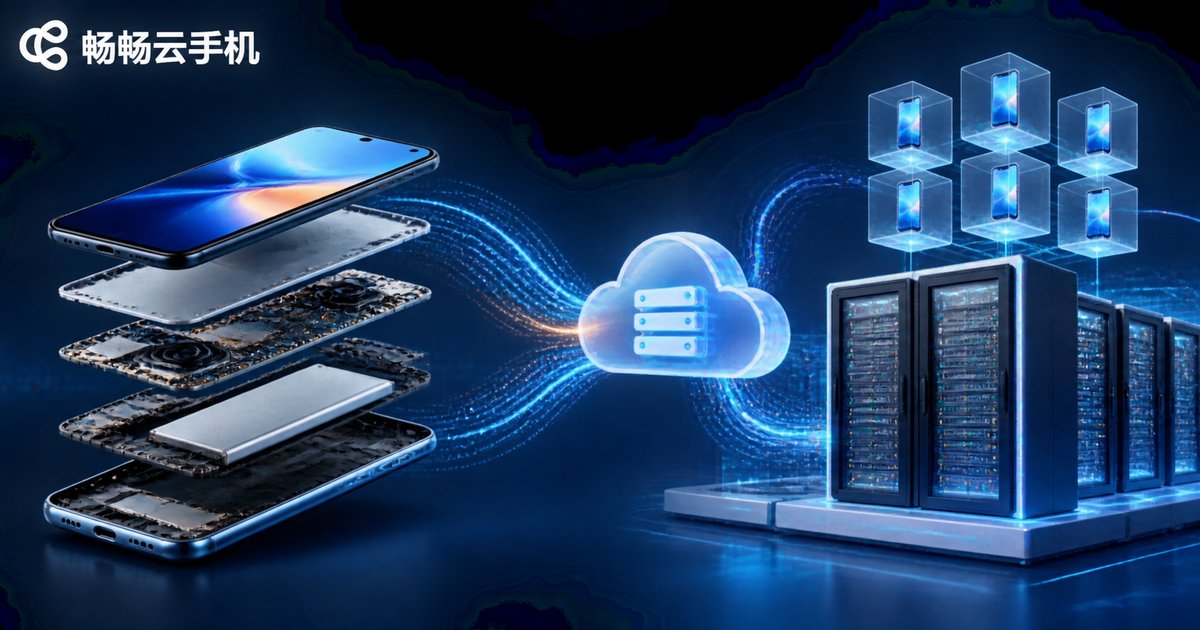
The hardware configuration of a real phone relies on local physical chips (such as CPU, GPU, RAM, and storage). As usage time increases, real phones face issues like battery degradation and thermal throttling. Cloud phones, however, rely on powerful ARM server clusters. Taking ccloudphone as an example, its underlying hardware adopts an enterprise-grade server architecture. Not only is the performance robust, but it also avoids lag caused by hardware aging, ensuring 24/7 stable operation.
Risk Control Logic: The Underlying Principle of Anti-Association
In scenarios like multi-account management or game grinding, risk control is a core consideration. Running multiple instances on real phones easily triggers platform risk control because underlying hardware parameters (like IMEI, MAC addresses) and network IPs are easily duplicated and associated. Cloud phones have a natural advantage in risk control logic. ccloudphone can assign independent device fingerprints and clean IP addresses to each instance, achieving true isolation from underlying hardware parameters to the network environment, effectively reducing the risk of being flagged as "machine operation" or "multi-instance association" by platforms.
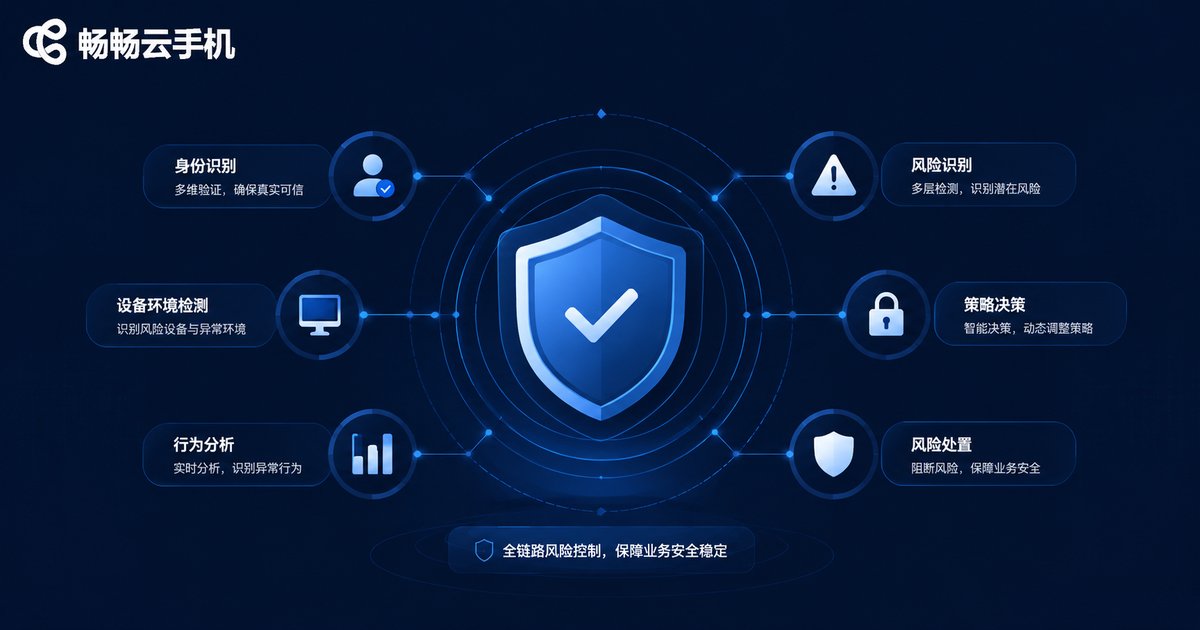
Core Differences Comparison
| Dimension | Real Phone | Cloud Phone (ccloudphone) |
|---|---|---|
| Hardware Carrier | Physical chips, prone to aging and heating | ARM server cluster, stable performance |
| Operating Environment | Local power, limited by battery | Cloud data center, 24/7 uninterrupted |
| Risk Control & Anti-Association | Fixed hardware parameters, easy to associate | Independent device fingerprint, strong anti-association |
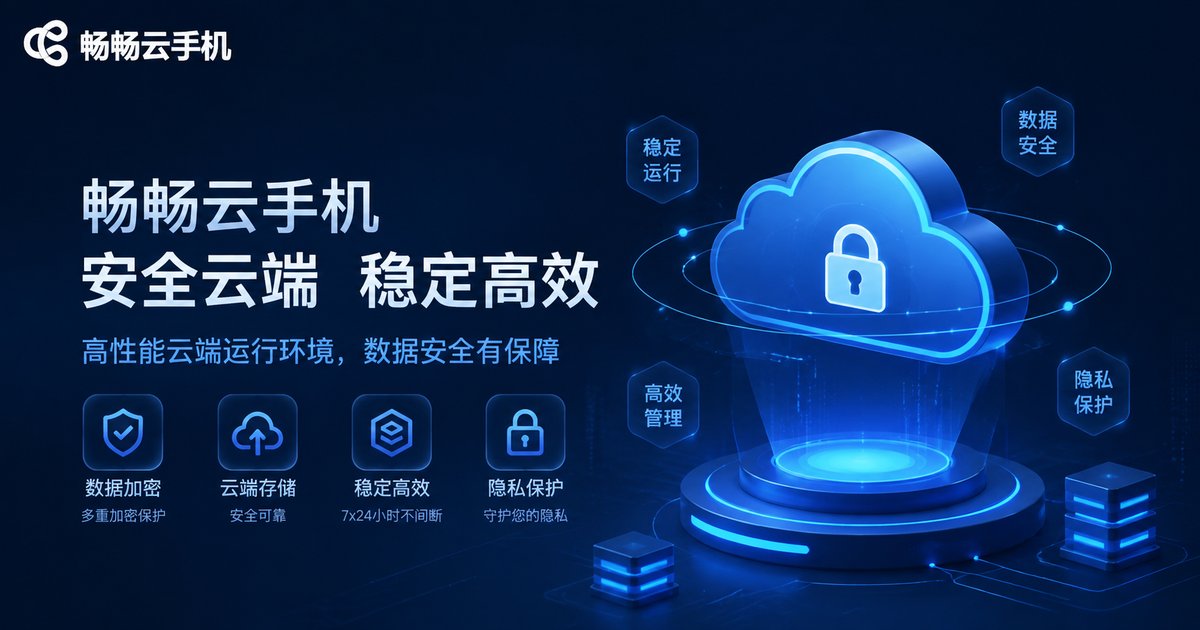
| Data Security | Device loss leads to data leakage | Encrypted cloud storage, more secure |
Why Choose ccloudphone?
After understanding the differences between cloud phones and real phones, if you have needs for batch account management, game grinding, or app testing, a cloud phone is undoubtedly the more efficient choice. ccloudphone provides a stable and secure cloud operating environment, supporting independent IPs and anti-association settings, helping enterprise and individual users significantly improve operational efficiency.
FAQ
Q: Will operating a cloud phone lag?
A: ccloudphone relies on high-speed networks and enterprise-grade servers. The operation smoothness is almost identical to a real phone with minimal lag.
Q: Is the data on a cloud phone secure?
A: Very secure. Data is stored on cloud servers using encryption technology, making it more resistant to loss and leakage than real phones.
Q: Can cloud phones be used for multi-account management?
A: Yes. ccloudphone supports independent device fingerprints and clean IPs, making it very suitable for multi-account anti-association management.