
Cloud Phone vs Emulator: Which is Safer? The Ultimate Choice from a Platform Risk Control Perspective
How Do Platform Risk Control Systems Identify Your Device?
Whether it's game automation, multi-account matrix operations, or App promotion, anti-ban is always the core pain point. The platform's risk control system acts like a strict security inspector, judging the environment's safety by collecting hardware parameters, sensor data, and network IPs. Once abnormal device fingerprints or virtualization traces are found, accounts will be shadowbanned or suspended.
In this process, the risk control system values the authenticity of the device environment the most. This is the root cause of the huge divergence in security between cloud phones and emulators.
The Fatal Weakness of Emulators: Underlying Flaws in Virtual Environments
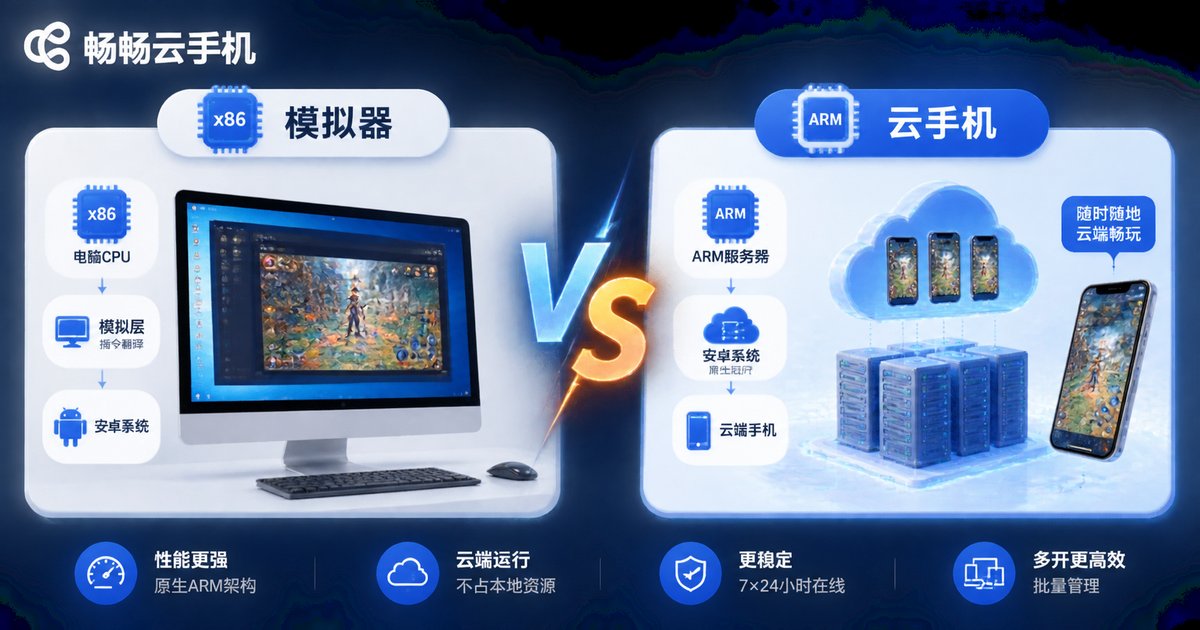
An emulator simulates an Android environment on a computer via software. Because the underlying architecture is still Windows' x86, it must run ARM-based Android apps through instruction translation. This "shell" operation is almost transparent to risk control systems.
Emulators usually have the following unmaskable flaws:
1. CPU Architecture Mismatch: Real phones mostly use ARM architecture, while emulators run on x86, easily detected by underlying APIs.
2. Fake Sensor Data: The gravity sensor and gyroscope data of emulators are often static or predictably generated, lacking real physical feedback.
3. Duplicate Device Fingerprints: Device information replicated in batches from the same emulator is highly identical, easily judged as device cluster control.
| Comparison Dimension | Emulator | Real Phone/Cloud Phone |
|---|---|---|
| Underlying Architecture | x86 Software Simulation | Real ARM Hardware Architecture |
| Sensor Data | Static/Generated | Real Physical Feedback |
| Risk Control Penetration Rate | High | Extremely Low |
The Security Barrier of Cloud Phones: Real Hardware-Level Camouflage
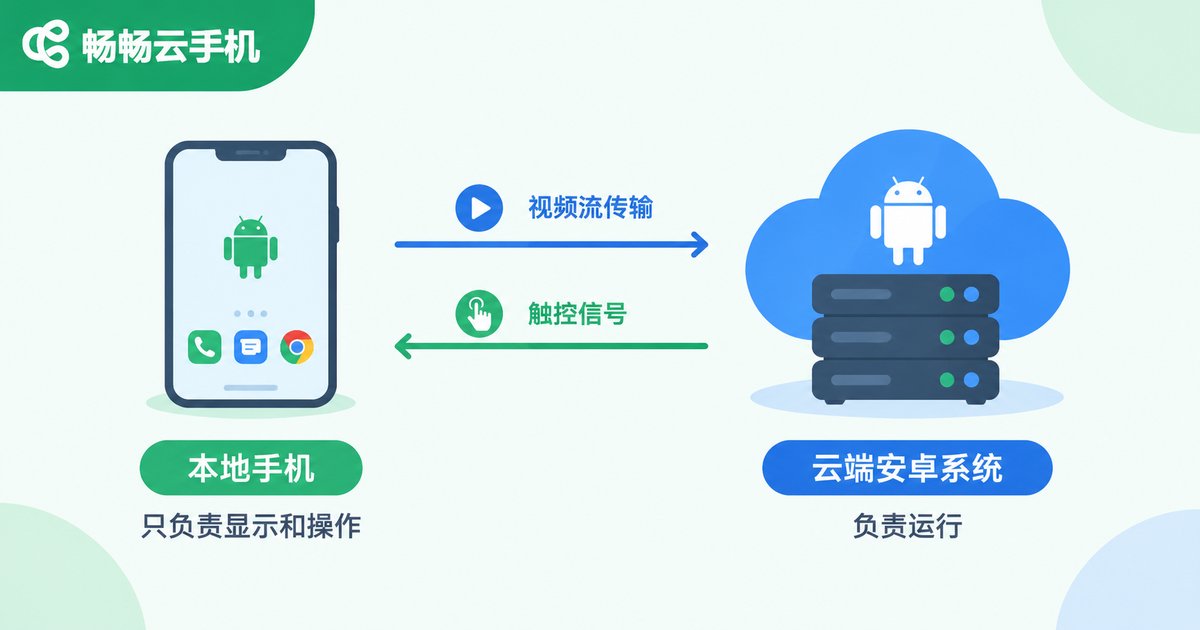
Unlike emulators, a cloud phone does not "simulate" a system locally; it provides a real remote phone environment via cloud servers. Taking ccloudphone as an example, its underlying layer runs on real ARM server clusters, possessing real hardware motherboards, CPUs, and sensor feedback.
This means when the risk control system reads the device information of a cloud phone, it gets the parameters of a genuine smartphone without any virtualization tags.
// Device info read from an emulator
{
  "hardware": "ranchu",
  "board": "goldfish",
  "abi": "x86"
}
// Device info read from ccloudphone
{
  "hardware": "qcom",
  "board": "msm8998",
  "abi": "arm64-v8a"
}
Why is ccloudphone the Ultimate Choice for Anti-Ban Operations?
After understanding the underlying logic, choosing a cloud phone is obviously the better solution to evade platform risk control. Among many cloud phone services, ccloudphone has become the first choice for multi-account operators due to its pure server environment and professional anti-risk control technology.
ccloudphone not only provides a real hardware environment but also supports independent network configuration of one device, one IP, completely cutting off the correlation between devices from the underlying device layer to the network layer. Whether for game multi-opening, account matrix farming, or App promotion, ccloudphone provides a security barrier closest to a real physical device.
FAQ
Q: Can cloud phones guarantee 100% no account bans?
No technology can guarantee a 100% ban rate because platform risk control also monitors user behavior patterns. However, ccloudphone can eliminate virtual environment features at the underlying device level, minimizing the ban rate caused by device environments.
Q: What anti-ban scenarios is ccloudphone suitable for?
It is highly suitable for scenarios requiring a large number of independent real device environments, such as game multi-opening and AFK farming, social media matrix account farming, and cross-border e-commerce multi-store operations.