What Is the Essential Difference Between Cloud Phones and Cloud Real Devices? Real Hardware vs. Virtual Devices Compared
The Core Difference in One Sentence
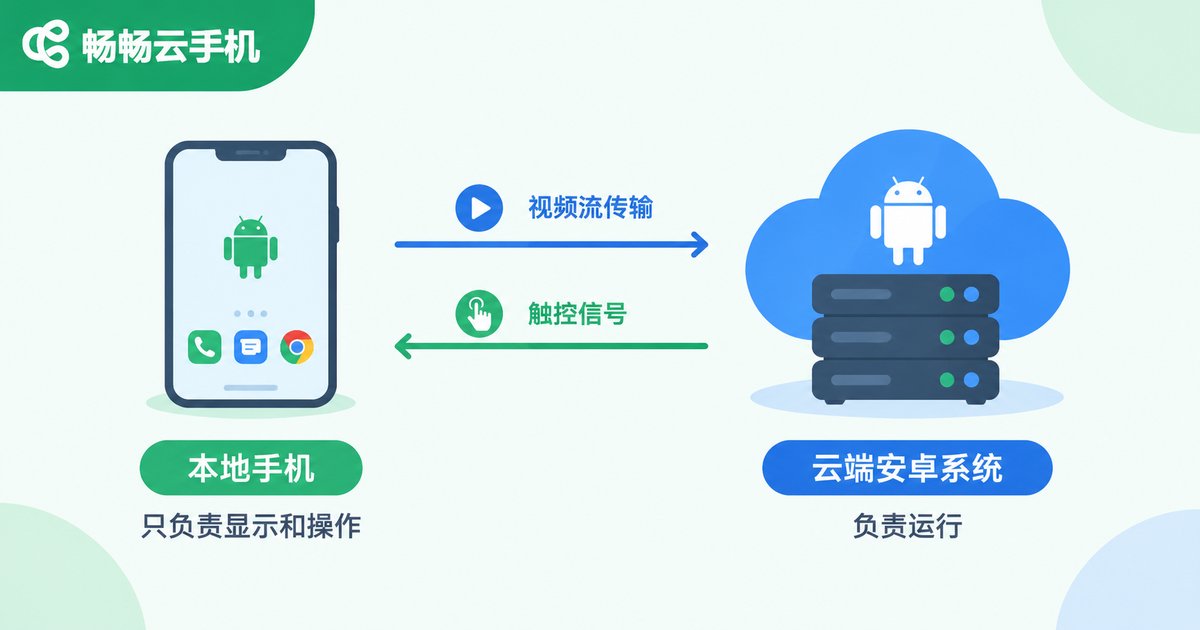
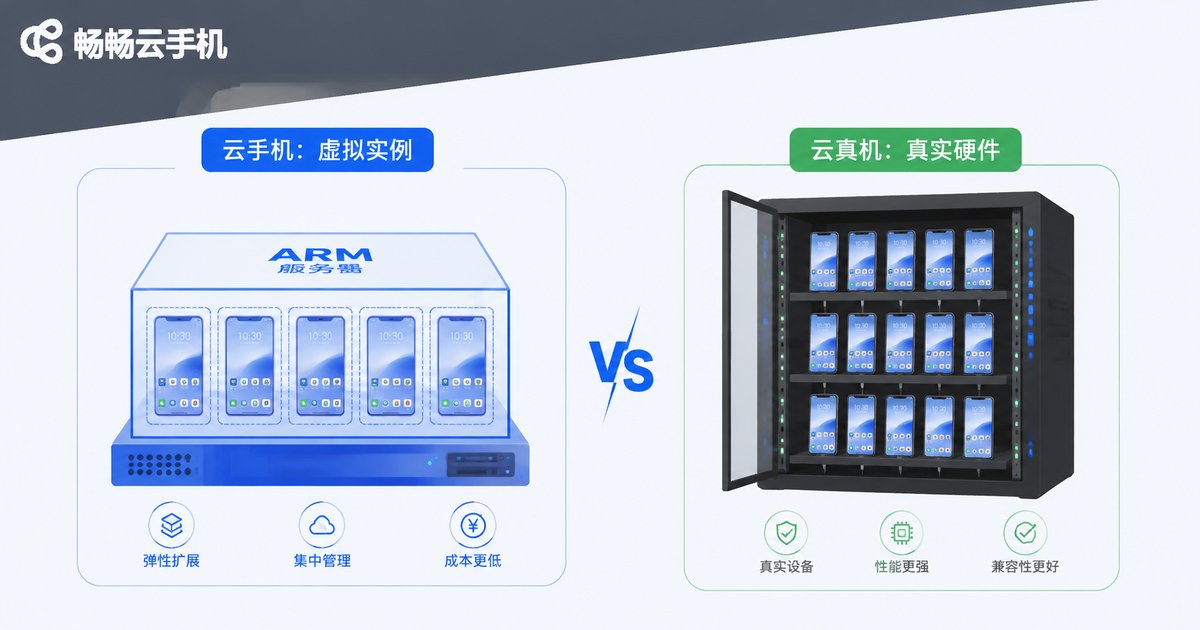
Many people assume “cloud phones” and “cloud real devices” are the same thing. In reality, although both move the smartphone experience to the cloud, their underlying logic is completely different: a cloud phone is a virtual device running on a server, while a cloud real device is real hardware sitting in a data center. The former uses software to “virtualize” Android phones; the latter connects genuine physical phones to the network for remote control. This essential difference shapes almost everything about their performance, stability, cost, and ideal use cases.
Cloud Phones: One Server, Dozens of Phones
The core technology behind cloud phones is ARM virtualization. Providers deploy large numbers of ARM-based servers in data centers, then use container or virtual machine technology to divide each server's computing power into multiple independent Android instances. Each instance behaves as a “complete phone” to the outside world: it has its own system UI, app list, and storage space, fully isolated from the others.
The advantages of this architecture are significant: high resource utilization, fast provisioning, and controllable costs. A single physical server can host dozens of cloud phone instances, which is why the price of an individual cloud phone can be kept very low. Batch provisioning and unified management come naturally, making cloud phones ideal for multi-accounting and long-term AFK farming.
Cloud Real Devices: Real Phones in the Rack, Controlled Remotely
Cloud real devices take a different path. Providers rack real smartphones—with real chips, cameras, GPS modules, and sensors—in data centers and connect them to cloud platforms via remote control technology. Every frame you see comes from the physical device's actual screen; every tap you make actually happens on that phone.
Because the hardware is real, cloud real devices deliver real sensor data, real GPS positioning, and real camera feeds, with system behavior virtually identical to a physical phone in your hand. That's why app compatibility testing and on-device debugging scenarios often require cloud real devices.
Head-to-Head: The Key Differences at a Glance
| Dimension | Cloud Phone (Virtual) | Cloud Real Device (Physical) |
|---|---|---|
| Underlying form | Virtual instances on ARM servers | Physical phones in data centers |
| Hardware resources | Shared server computing power | Dedicated real device |
| Sensors/GPS/camera | Software-simulated | Real hardware |
| System compatibility | Rare apps may detect virtual environment | Identical to physical phones |
| Price level | Low, ideal for scale | Higher, often billed by usage time |
| Scalability | Batch provisioning in minutes | Limited by physical inventory |
| Typical scenarios | Game farming, multi-accounting, cloud hosting | Compatibility testing, on-device debugging |
Performance and Stability: Shared Power vs. Dedicated Hardware
A cloud phone's performance comes from the server cluster, with each instance depending on its allocated resources. Since multiple instances share one server's computing power, performance can fluctuate during peak hours. A cloud real device, by contrast, has exclusive use of a real phone's full hardware—its performance matches a physical phone and never drops because a “neighbor” is hogging resources.
On stability, cloud phones rely on the virtualization layer's compatibility; a small number of environment-sensitive apps may detect that they are running in a virtual device. Cloud real devices do not have this problem—they are real phones, with system behavior, sensor readings, and network conditions consistent with real-world usage.
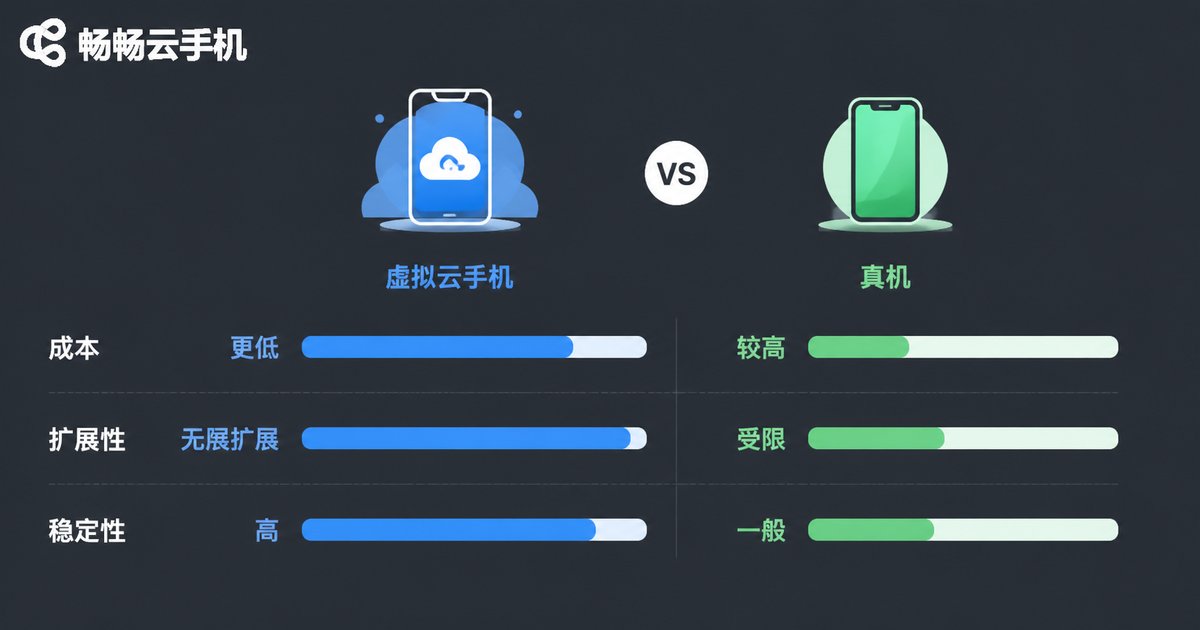
Cost and Scalability: The Cloud Phone's Biggest Advantage
Cost is where the two diverge most sharply. Cloud real devices require purchasing, racking, powering, and maintaining physical phones, so costs are naturally higher and usually billed by usage time. Cloud phones, built on virtualization, have extremely low marginal costs—often just a fraction of a cloud real device's price. Scalability matters even more: whether you need 10 or 100 cloud phones is just a number in the backend, deployable within minutes, while cloud real device capacity is always limited by physical inventory.
For game multi-accounting, account matrices, and long-term app hosting, the cloud phone's cost-effectiveness is nearly unbeatable.
Which Scenarios Suit Each One?
Better suited to cloud phones:
Mobile game AFK farming, multi-account operations, 24/7 cloud-hosted apps, batch device control, and any business needing large numbers of Android environments. The common thread: many devices, long usage hours, and no hard requirement for real sensors.
Better suited to cloud real devices:
App compatibility testing, debugging that requires real GPS or sensor data, automated testing, and any business with a hard “must be a real device” requirement. The common thread: fewer devices, higher precision, and the need to reproduce real hardware behavior.
How to Choose: Three Criteria
First, does your use case depend on real sensors? If you need real GPS or real camera feeds, choose a cloud real device; for ordinary apps and games, a cloud phone is more than enough.
Second, do you need many devices running simultaneously? The more devices you need, the greater the cloud phone's cost advantage.
Third, is budget a concern? For the same budget, cloud phones typically deliver several times more devices than cloud real devices.
ChangChang Cloud Phone: A Typical Virtual Cloud Phone
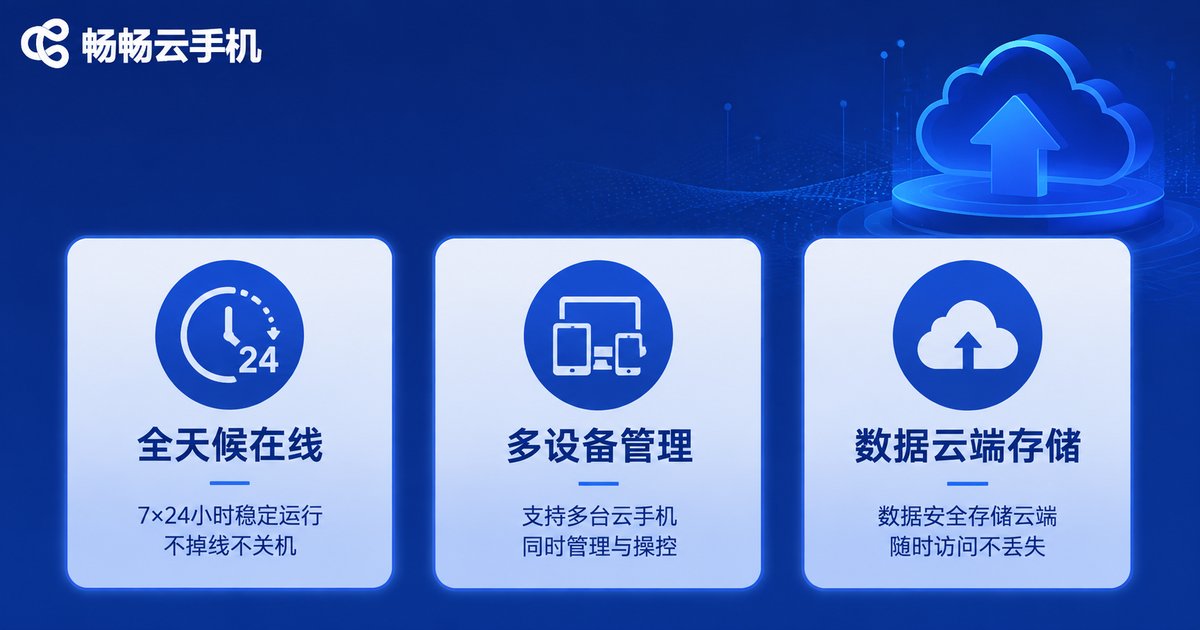
If your needs fall on the “multi-accounting, AFK farming, cloud hosting” side, ChangChang Cloud Phone (ccloudphone) is worth a look. Built on cloud virtualization technology, it provides always-online cloud devices with unified multi-device management, and data stored in the cloud without consuming local storage. Whether you are a mobile gamer looking to farm resources around the clock or a user who needs to manage multiple Android environments in bulk, ChangChang Cloud Phone offers a low-cost, easily scalable cloud Android experience.
FAQ
Q: Which is better, a cloud phone or a cloud real device?
Neither is absolutely better—it depends on your needs. For many devices, long uptime, and cost control, choose a cloud phone; for real hardware behavior and real sensor data, choose a cloud real device.
Q: Can apps detect that they are running on a cloud phone?
For the vast majority of apps and games, running on a cloud phone is indistinguishable from a real device. Only a small number of highly environment-sensitive apps may detect virtual environments. Everyday gaming and app usage is essentially unaffected.
Q: Why are cloud real devices more expensive than cloud phones?
Behind every cloud real device is a physical phone, with costs for procurement, racking, power, and maintenance. A cloud phone is a virtual instance on a server—one server can host dozens of instances, making marginal costs far lower.
Q: Which should ordinary players choose?
Most players need AFK farming, multi-accounting, and always-online capability—exactly where cloud phones excel, with better cost-effectiveness.
Q: Is ChangChang Cloud Phone a cloud phone or a cloud real device?
ChangChang Cloud Phone is a cloud phone, built on cloud virtualization technology to provide online cloud devices, focusing on multi-device management, 24/7 availability, and low-cost scaling.