
Must-Read for Overseas Social Media Matrix Operations: How Cloud Phone + TikTok Multi-Accounts Achieve 100% Environment Isolation
Why Account Linking Is the Biggest Fear in TikTok Multi-Account Operations
Anyone running an overseas social media matrix knows the rule: the more accounts you have, the higher the risk. TikTok's risk-control system analyzes device fingerprints, network environments and behavior patterns to judge whether accounts are related. Once several accounts are flagged as being run by the same entity, the consequences range from reduced reach to permanent bans, and months of account nurturing can be wiped out overnight.
Many teams start by switching accounts on one phone or running multiple emulator instances, only to watch accounts fail one after another. The problem usually is not the content. It is environment isolation: the accounts share too many identical device characteristics and network traces.
Comparing Common Multi-Account Solutions: Isolation Is the Hard Metric
Put the most common solutions side by side and one thing becomes obvious: only cloud phones deliver true device-level isolation.
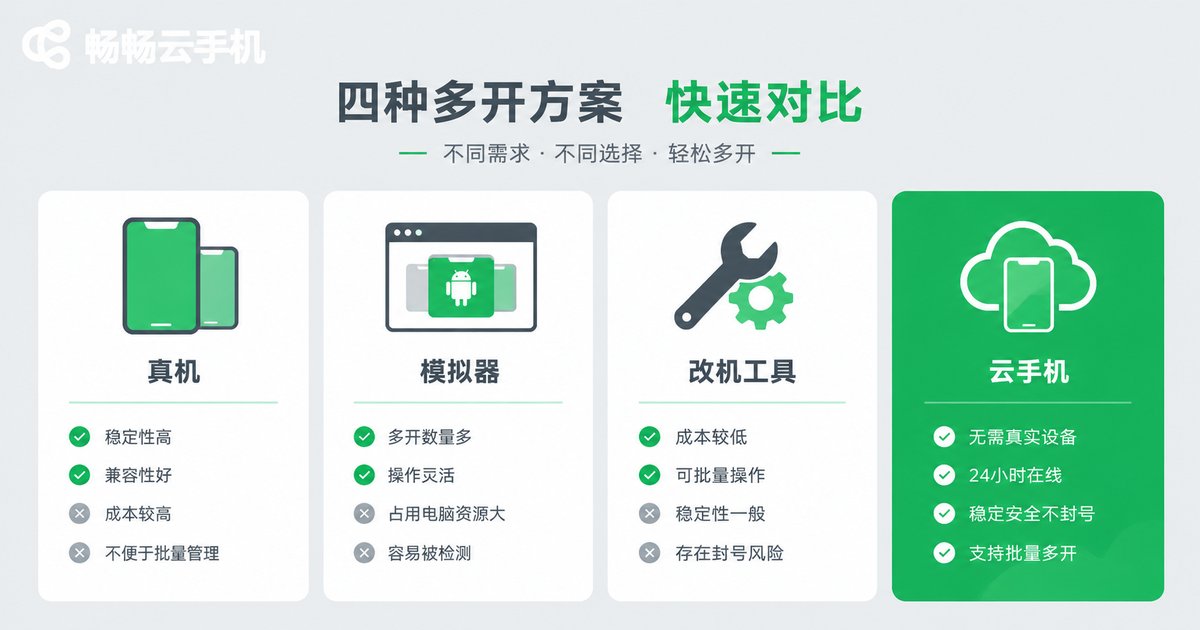
| Solution | Device isolation | Stability | Batch management | Overall cost |
|---|---|---|---|---|
| Multiple real phones | Good | High | Poor, manual work per device | High, devices + SIM cards + labor |
| Emulator multi-instance on PC | Poor, shares host hardware fingerprint | Low, prone to crashes | Average | Medium |
| Spoofing tools and plugins | Average, parameters can be detected | Medium | Average | Medium |
| Cloud phone | Strong, each unit is an independent cloud device | High, online around the clock | Strong, group control for batch actions | Low, activate on demand |
How Cloud Phones Achieve 100% Environment Isolation
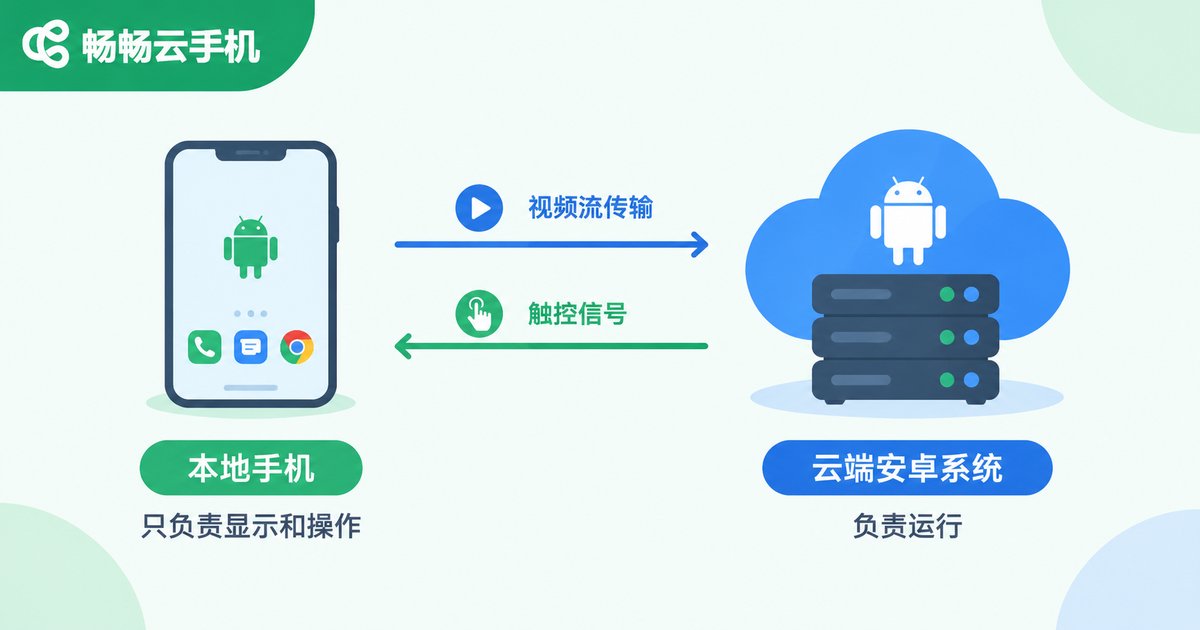
The principle is simple: a cloud phone moves an entire Android device into a cloud data center, and your phone or computer becomes just a control screen. Every cloud phone is an independent Android device with its own system parameters, storage and app data, completely separated from one another.
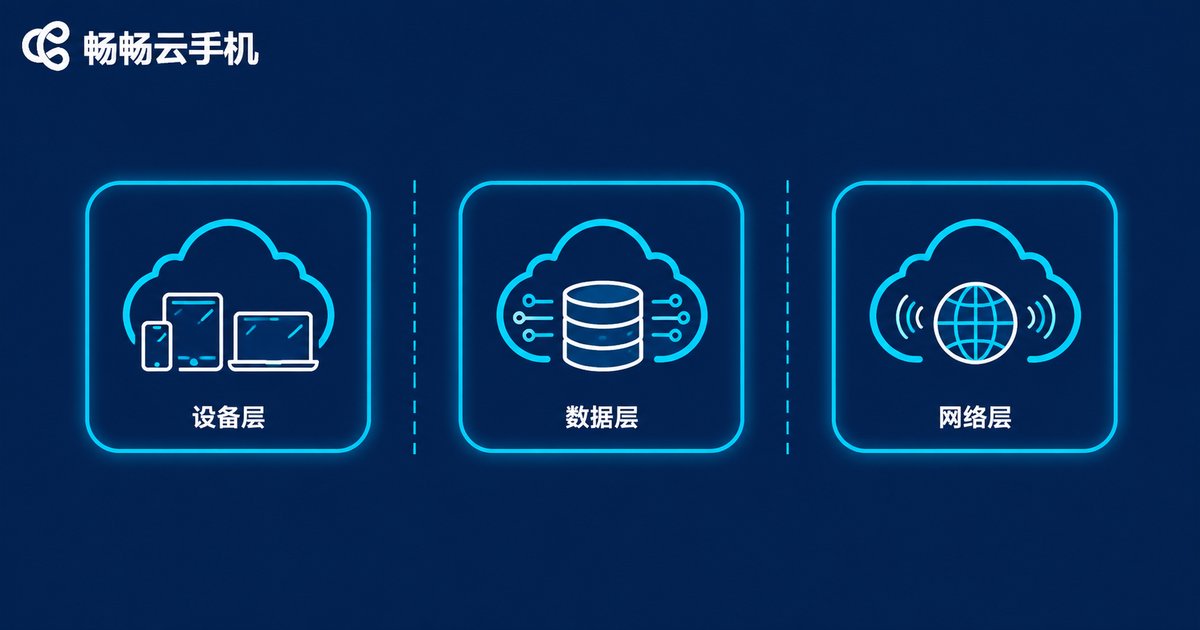
The isolation works on three layers:
- Device layer: each cloud phone carries its own device identity and system environment, so account A leaves no trace visible to account B;
- Data layer: app data, caches and login states are stored independently, and reinstalling an app on one device never affects another account;
- Network layer: paired with an independent network egress, every account keeps a stable network environment of its own instead of sharing one line.
To TikTok's risk-control system, each cloud phone looks like a real, independent overseas user device, which is exactly the foundation a matrix operation needs.
Build Your TikTok Account Matrix in Four Steps
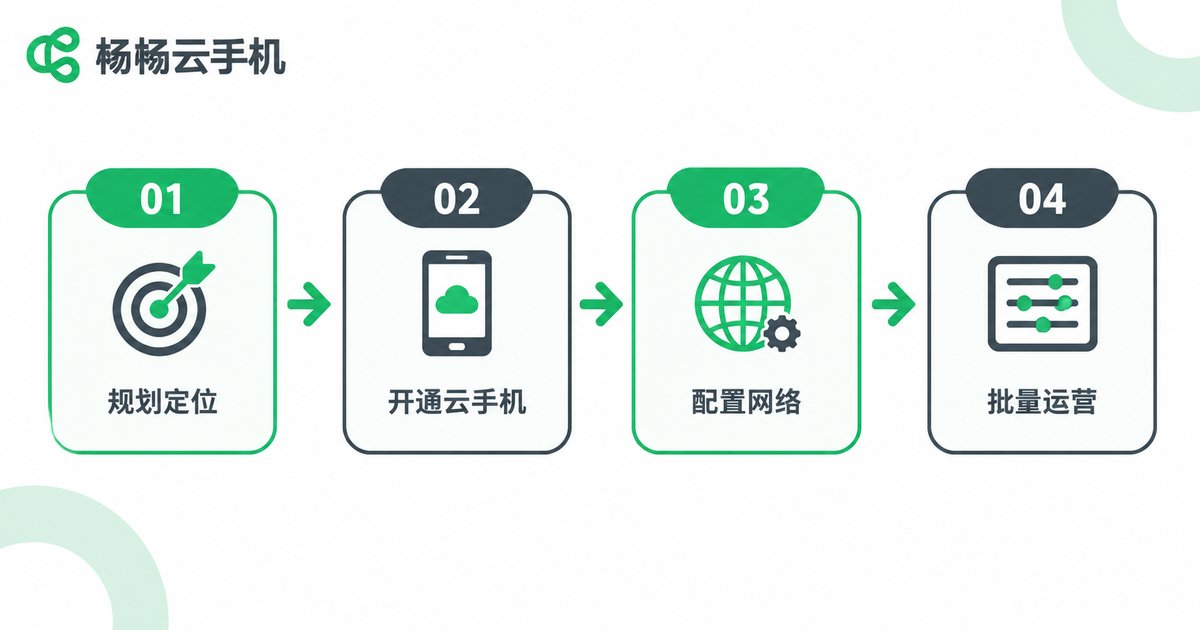
Step 1: plan account positioning. Define the target market and content niche first, for example US product finds or Southeast Asia gaming clips, so each account serves a distinct audience instead of duplicating content.
Step 2: open cloud phones and bind them one to one. Activate cloud phones on ChangChang Cloud Phone (ccloudphone) as needed and keep a strict one-account-per-device rule. Do not move accounts between devices frequently; a stable device environment is the basis of account nurturing.
Step 3: configure an independent network environment. Set up a network environment that matches the target market for each cloud phone. Keep a US network environment for US-focused accounts from start to finish and never switch regions midway.
Step 4: scale efficiency with group control. Repetitive actions such as publishing and commenting can be executed in batches through group control, letting one operator manage dozens of devices and freeing time for content itself.
Daily Anti-Association Checklist: Details Decide Account Lifespan
Once the environment is isolated, these daily details still matter:
- One device, one account, one environment, never cross-login;
- Nurture new accounts before scaling up, mimicking the rhythm of real users;
- Differentiate posting times and interaction habits across accounts to avoid uniform machine-like behavior;
- Process materials to remove duplicates and never repost the exact same video across accounts;
- Check each cloud phone's network environment regularly and fix anomalies immediately.
Matrix operation is a long game, and environment isolation is the 1 in front of all the zeros that content and operations add. Without a solid base, even the best content strategy fails.
Why More Teams Choose ChangChang Cloud Phone
Put side by side, the reasons are clear: every cloud phone from ChangChang Cloud Phone (ccloudphone) is an independent cloud Android device that naturally satisfies the one-account-per-device isolation rule; devices run in cloud data centers and stay online around the clock without consuming local computer resources; you can add or remove devices as the matrix grows; and group control lets a single operator handle batch publishing and engagement. To learn more, visit the official website of ChangChang Cloud Phone, leave the repetitive work to the cloud and keep the growth for yourself.
FAQ
Q: How many TikTok accounts can run on one cloud phone?
We recommend binding exactly one account to one cloud phone. One device per account is the safest setup, because sharing a device across accounts reintroduces linkage risk.
Q: How is a cloud phone different from an emulator?
An emulator runs on your own computer, so multiple instances share the same hardware fingerprint and are easy to detect. A cloud phone is a real Android device in the cloud with an independent system environment, offering far better isolation and stability.
Q: Can an old account keep working after switching to a new cloud phone?
Yes, but keep the account-device binding as stable as possible. If migration is unavoidable, use the new device normally for a few days before any sensitive actions to give the risk-control system a transition period.
Q: How many accounts should a matrix have?
Scale matters less than quality and isolation. Start with three to five accounts to validate your content model, then expand gradually. Batch management on cloud phones supports smooth growth.