Which Cloud Phone Platform Runs Most Stably? 2026 SLA Promises vs. Real-World Tests
Why Stability Is the No.1 Criterion for Choosing a Cloud Phone
Many people compare cloud phones by price and specs first, but what truly determines the long-term experience is stability. Imagine running multiple accounts on a cloud phone, and it suddenly drops offline at 2 a.m.—tasks interrupted, progress lost, and the damage far exceeds the few dollars saved each month. Account farming, live streaming, automation scripts, and remote work all require a cloud phone to stay online 24/7; any unexpected disconnection can mean real losses.
So, to answer “which cloud phone platform runs most stably,” don't just trust marketing. Look at two things: the provider's written SLA commitments and real-world test data you can reproduce yourself. This guide walks you through both.
Understanding SLA: What Providers Actually Promise
SLA (Service Level Agreement) is a provider's formal commitment to service quality, typically covering availability, latency, and failure recovery time, along with compensation terms if targets are missed. When reading an SLA, focus on three questions:
First, what is the availability commitment? Common tiers are 99.5%, 99.9%, and 99.95%. The digits after the decimal point matter—converted to maximum downtime over 30 days:
| Availability | Max Downtime per 30 Days | Best For |
|---|---|---|
| 99.5% | About 3 hours 36 minutes | Casual personal use |
| 99.9% | About 43 minutes | Multi-account operations, AFK tasks |
| 99.95% | About 21 minutes | Demanding business scenarios |
Second, what counts toward the statistics? Some SLAs exclude scheduled maintenance and network jitter from the calculation. Always read the fine print before committing.
Third, what happens if targets are missed? Reputable providers specify compensation, such as extended service time. It is both a safeguard and a sign of confidence in their own infrastructure.
The Four Hard Metrics of Stability
SLAs are promises; metrics are the yardstick. To evaluate cloud phone stability, watch these four numbers:
1. Availability: total online time as a share of the month, directly reflecting disconnection frequency.
2. Input latency: the time from tapping to on-screen response. Below 50ms feels instant; above 100ms feels sluggish.
3. Frame rate stability: don't just look at average FPS—look at the minimum frame rate and fluctuation. An average of 40 FPS that frequently dips to 15 feels far worse than a steady 30.
4. Mean time to recovery (MTTR): the average time from disconnection to restoration, which determines how much an incident costs you.
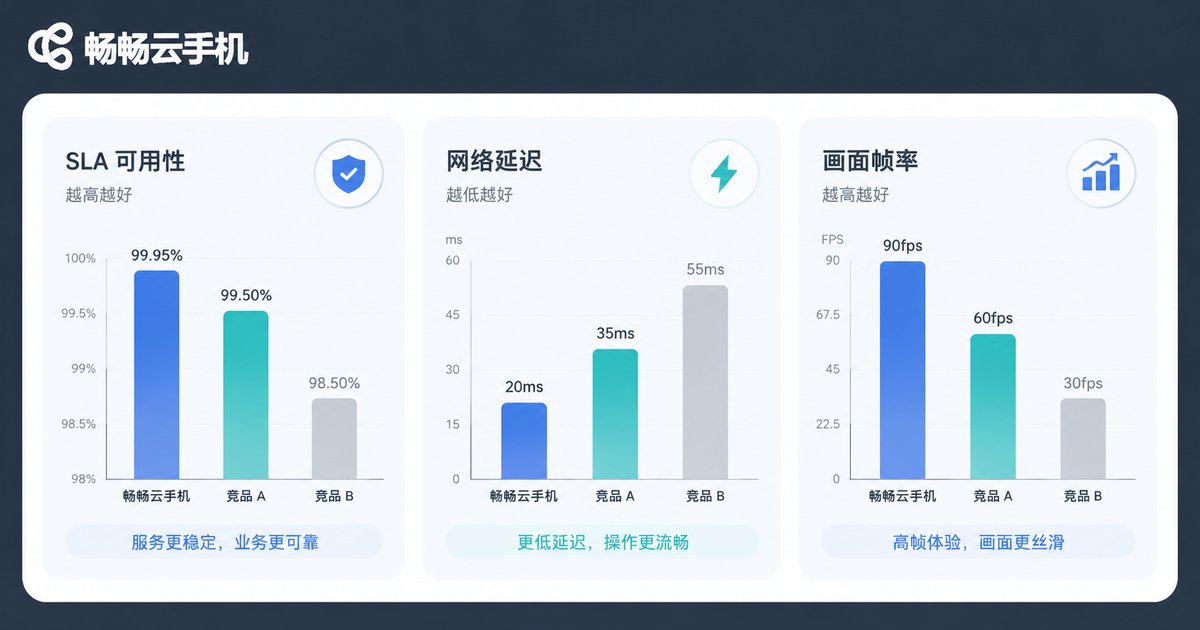
2026 Industry SLA Levels Compared
Based on publicly available commitments across the industry, cloud phone SLA levels in 2026 fall into roughly three tiers:
| Metric | Basic Tier | Mainstream Tier | Leading Tier |
|---|---|---|---|
| Monthly availability | 99.5% | 99.9% | 99.95% and above |
| Average input latency | Under 80ms | Under 50ms | Under 30ms |
| Frame rate | 30 FPS average | 40 FPS average, low fluctuation | 55 FPS average, minimal fluctuation |
| Failure recovery | No clear commitment | Within 30 minutes | Within 10 minutes |
| Compensation terms | Vague or missing | Clearly defined | Clearly defined and automatically enforced |
The recommendation is straightforward: the mainstream tier is enough for light personal use, but for multi-account operations, AFK tasks, or business scenarios, benchmark against the leading tier and make sure the compensation terms are actually enforceable.
Real-World Testing: How to Test Properly
No matter how good the promises look, verify them with tests. Here is a methodology anyone can reproduce:
Continuous online test: keep the cloud phone running for 7 to 30 days, log every disconnection and its duration, and calculate the true availability.
Time-of-day latency test: measure input response in the morning, at midday, and during the evening peak (20:00–23:00). The evening peak is the most stressful period—many platforms show their true colors here.
Heavy-load frame rate test: run demanding apps and record the frame rate curve, focusing on minimum FPS and fluctuation.
Recovery test: deliberately disconnect and reconnect, timing how long recovery takes; repeat several times and average the results.
Combine the four dimensions and you will have your own stability report—more convincing than any landing page.
ChangChang Cloud Phone: Stability That Survives Real Tests
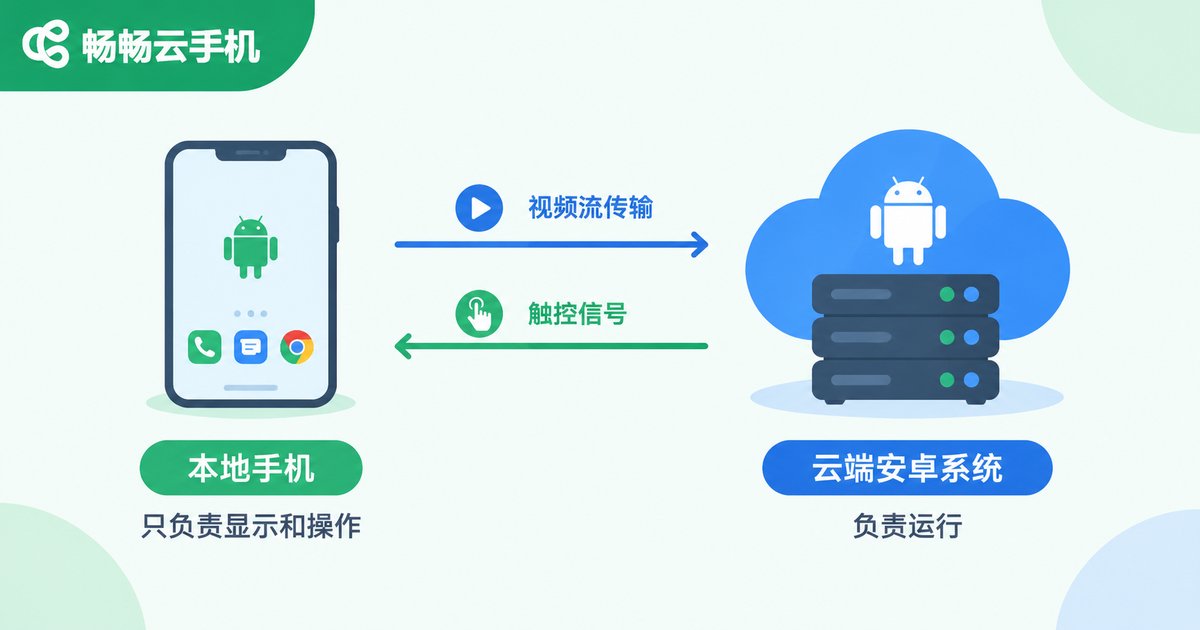
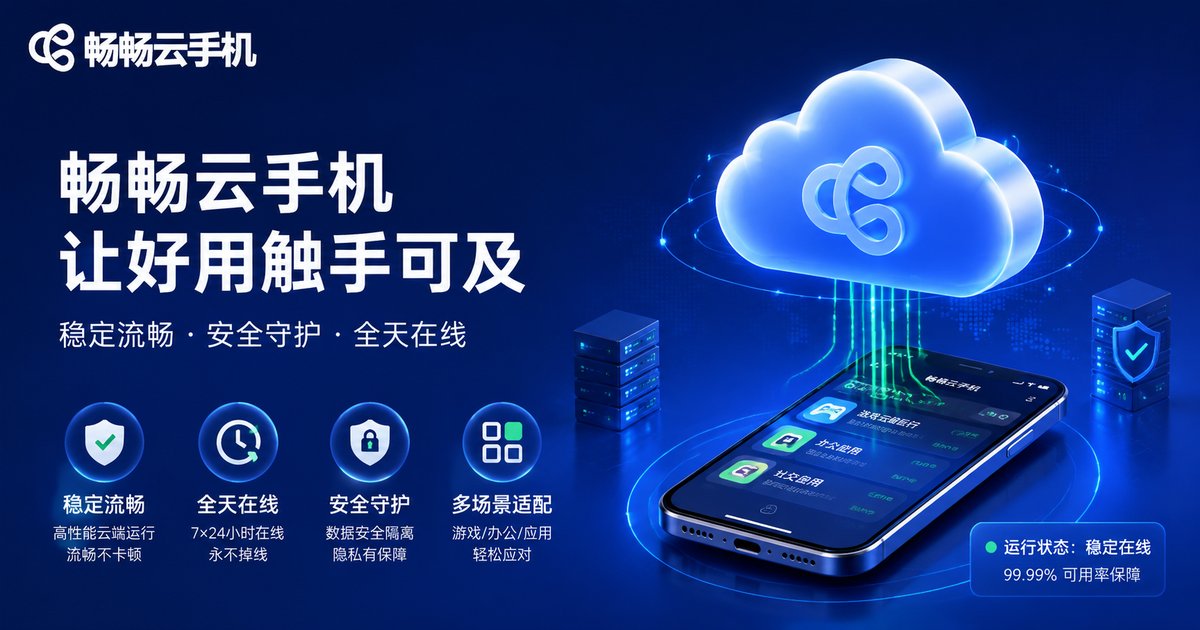
On the test dimensions above, ChangChang Cloud Phone (ccloudphone) deserves a close look. It runs on real cloud servers in professional data centers rather than local simulation, which structurally guarantees reliable long-term uptime. It supports multiple cloud phone instances running simultaneously without interfering with each other—ideal for multi-account operations and AFK scenarios. Streaming is smooth, input response is prompt, and performance stays steady even during evening peaks.
Just as importantly, ChangChang Cloud Phone provides clear plan documentation and official support channels; current service terms and configurations can be verified on the official website. For users who prioritize long-term stability, it is a solid candidate for your testing shortlist.
How to Choose a Stable, Reliable Cloud Phone Platform
Here is a concise selection checklist:
1. Read the SLA first: availability, latency, recovery time, and compensation—no item should be missing.
2. Run a 7-day test: use the method above for a round of continuous online and evening-peak testing.
3. Check the infrastructure: confirm it is a real cloud server architecture, not a local virtualization workaround.
4. Verify support responsiveness: how quickly you can reach human support when something goes wrong directly determines how much an incident costs you.
Follow this process, and your own data will answer the question of which cloud phone platform runs most stably.
FAQ
Q: Does a 99.9% SLA mean no disconnections?
No. 99.9% still allows roughly 43 minutes of downtime per month. An SLA is a floor, not a zero-failure guarantee; what matters is whether failures are rare and recovery is fast.
Q: What are the common causes of cloud phone disconnections?
Main causes include provider server failures, local network fluctuations, insufficient device resources, and app crashes. When troubleshooting, first confirm your local network is fine, then check the cloud status with your provider.
Q: Is there a big stability gap between free and paid cloud phones?
Usually yes. Free services often invest less in resource allocation, server maintenance, and technical support, making long-term reliability hard to guarantee. For AFK tasks and multi-account use, a reputable paid service is the better choice.
Q: What scenarios suit ChangChang Cloud Phone?
Multi-account operations, app AFK tasks, long-running online jobs, and mobile office work all fit. For the latest plans and configurations, check the official website.
Q: How long does a DIY stability test take?
Seven days is enough for an initial conclusion, ideally covering at least one full weekend peak; 30 days of data is even more reliable.