What Projects Are Cloud Phones Best Suited For? A Roundup of Popular Cloud-Based Project Types
Why Are Cloud Phones Ideal for Projects?
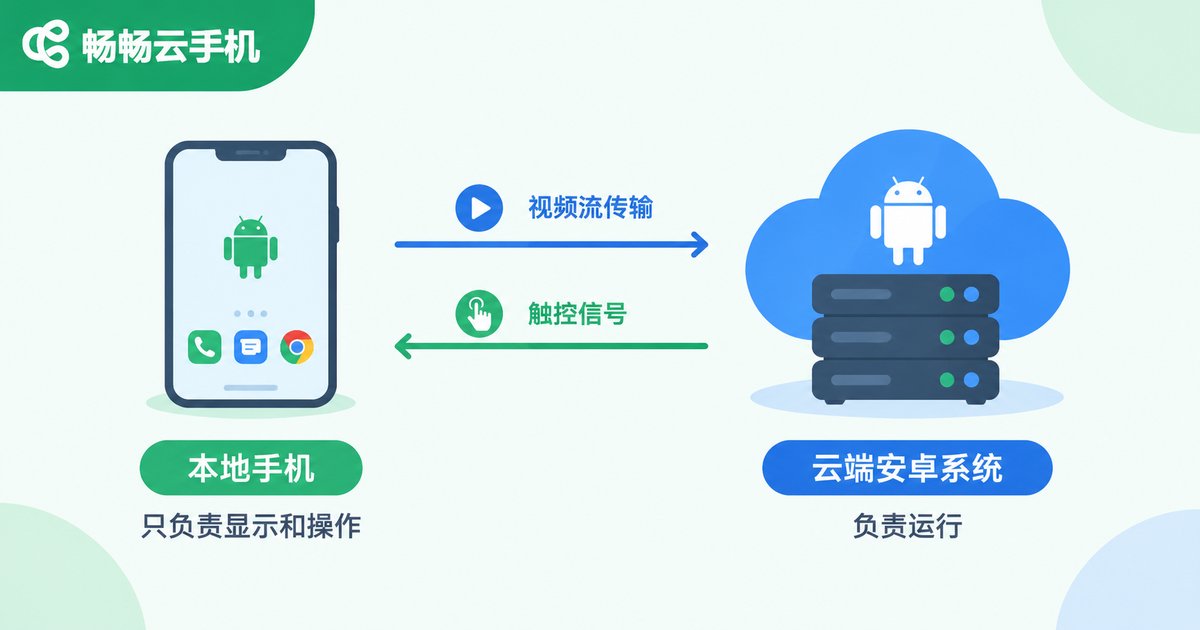
A cloud phone is essentially an Android phone running on remote servers. Open a window on your computer or local phone, and you can remotely control this “phone in the cloud.” It consumes no local hardware resources, survives local power or network outages, and as long as the cloud stays online, it runs 24/7 without interruption.
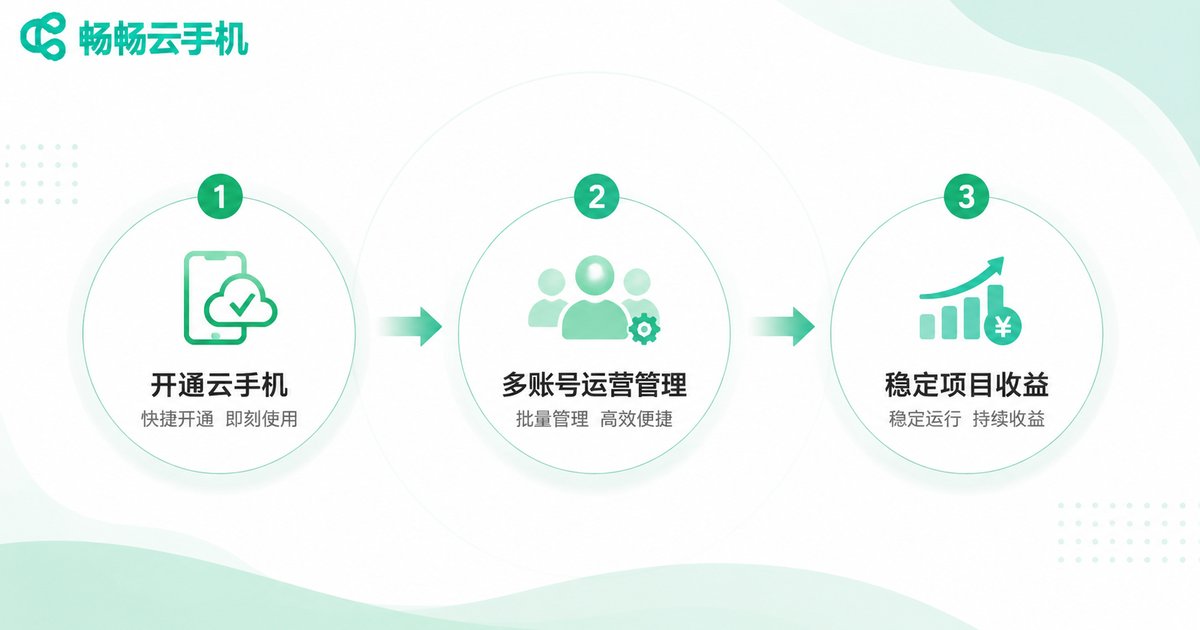
For project operators, cloud phones deliver three core values:
1. Always online: Farming tasks and scheduled scripts run around the clock, unaffected by your local devices powering off.
2. Multi-instance: One device not enough? Spin up ten or a hundred—account matrices become easy to build.
3. Centralized management: With group control features, one person can manage dozens of devices, dramatically cutting labor costs.
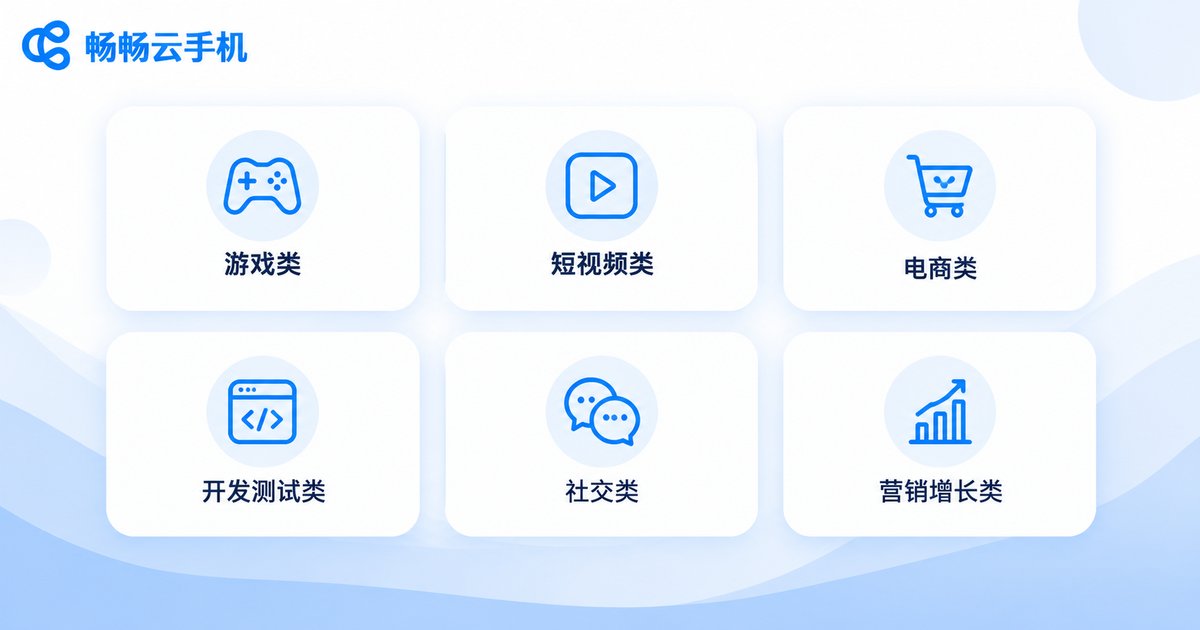
Game Farming and Multi-Boxing Projects
This is the most classic cloud phone use case. Many mobile games feature repetitive daily quests, stamina recovery, and resource gathering that are tedious to handle manually. Install the game on a cloud phone, pair it with auto-farming scripts, and you can gather resources and level accounts around the clock.
Common approaches include:
- Multi-account nurturing: Raise several game accounts at once and funnel resources to your main account;
- Resource farming: Batch-produce in-game resources in games that support free trading;
- Studio matrix: Small teams run dozens of cloud phones in batch, replacing walls of physical devices.
Compared with physical phones, cloud phones require no hardware purchases, suffer no wear and tear, and cost almost nothing to power—making them the top choice for game studios.
Short Video Matrix Operations
In the short video era, “matrix operations” are the core strategy for amplifying traffic. Teams often need to run dozens of accounts across different platforms and niches. Cloud phones solve the multi-account management challenge:
- Each account gets its own cloud phone with an isolated environment, reducing association risks;
- Batch and scheduled publishing double your content distribution efficiency;
- Account warming, engagement, and data monitoring can all be handled in the cloud at scale.
Whether you run local lifestyle, educational, or e-commerce accounts, a cloud phone matrix can lift your operational efficiency to a whole new level.
Cross-Border E-Commerce Multi-Store Operations
Cross-border sellers know that running multiple stores is a common strategy to spread risk and multiply traffic. But more stores mean more devices and environments, driving up management costs. With cloud phones you can:
- Provide an independent cloud device environment for each store;
- Log in remotely anytime, anywhere—business trips and working from home are no obstacle;
- Centralize multi-store message handling alongside customer service tools.
For sellers who need stores online around the clock with prompt replies, cloud phones are practically essential.
App Testing and Development Debugging
If you are a developer or tester, cloud phones are a highly cost-effective testing solution. Without buying racks of real devices, you get Android environments with different performance levels and system versions:
- Compatibility testing: verify app behavior across device profiles;
- Automated testing: run test cases in batches with scripts;
- Long-run monitoring: observe app stability in 24/7 scenarios.
Compared with a physical device lab, cloud phones offer on-demand usage and elastic scaling, sharply reducing testing costs.
Community Marketing and Private Domain Operations
Private domain operations require many accounts to serve customers and maintain communities. Managing these accounts on cloud phones enables:
- Multiple accounts online simultaneously, so no message is missed;
- Group control for batch operations—adding contacts, posting, and replying at double speed;
- Accounts distributed across separate cloud devices for safer management.
For e-commerce customer service teams, community group buying, and knowledge-payment businesses, cloud phones significantly reduce the labor needed for multi-account operations.
Popular Projects at a Glance
| Project Type | Difficulty | Devices Needed | Payback Period |
|---|---|---|---|
| Game farming / multi-boxing | Low | 5-50 | Short to medium |
| Short video matrix | Medium | 10-100 | Medium to long |
| Cross-border e-commerce | Medium | 3-20 | Medium to long |
| App testing / development | Medium-high | Elastic | Immediate |
| Community / private domain | Low-medium | 5-30 | Medium to long |
When choosing a project, weigh your industry experience, content skills, and budget. Start small to validate the workflow, then scale up your device count step by step.
Choosing a Platform: cCloudphone Recommended
Platform stability is critical to any project's success. cCloudphone delivers a genuine Android runtime environment on cloud ARM servers, well suited to all kinds of cloud-based projects:
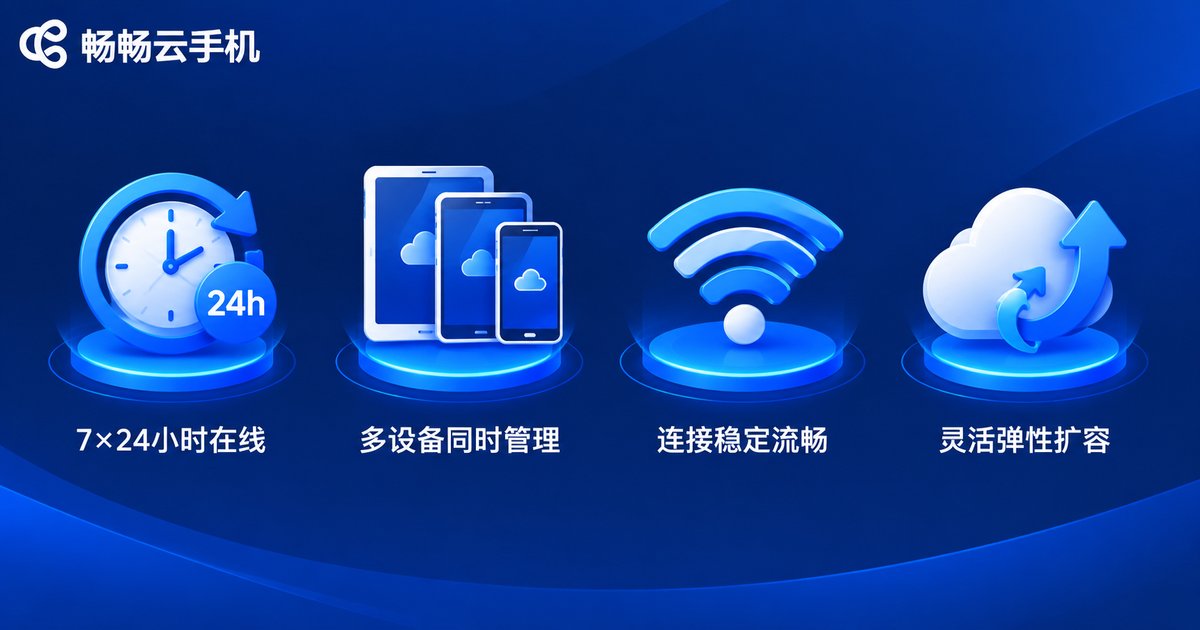
- Continuous cloud uptime: Devices run in cloud data centers, so local shutdowns never interrupt your tasks;
- Multi-device management: Open as many cloud phones as your matrix project requires;
- Flexible options: Choose from different performance tiers and scale with your project;
- Connect anywhere: Operate your cloud devices remotely from a phone or computer.
Whether you are an individual player or a studio team, visit the cCloudphone official website to learn more and choose the right plan for your project.
FAQ
Q: Are cloud phone projects legal?
Cloud phones are legitimate cloud computing services widely used for testing, operations, and other proper scenarios. Any project should comply with platform rules and local laws—avoid improper uses.
Q: Which project is best for beginners?
Start from what you know. Gamers can begin with game farming; e-commerce veterans can try multi-store operations; those with content skills should prioritize short video matrices.
Q: How many cloud phones do I need to start?
Most projects can validate their workflow with 3-5 devices. Scale up gradually based on results instead of investing heavily upfront.
Q: How do cloud phones differ from physical phones for projects?
Cloud phones need no hardware purchases, take up no space, never lose power, and support centralized management; physical phones win on local performance. For most batch-operation scenarios, cloud phones have lower total costs.
Q: How many devices can I open on cCloudphone?
Device count can grow flexibly with your project needs. We recommend starting with a few devices to validate your workflow, then scaling up—check the official website for detailed specifications.