2026 Cloud Phone Long-Term Experience Review: Stability, Cost and Efficiency
Why Long-Term Use Is the Real Test for a Cloud Phone
Most people judge a cloud phone on day one: does it boot, does the screen stutter, how fast do apps install. But what really decides whether it is worth keeping is how it behaves on day 30, day 90, or even month 12. Small issues that a short trial hides, such as an occasional disconnect, a task that stops halfway, or a bill that ends up higher than expected, get magnified into real losses of time and money over the long run.
This article condenses more than a year of hands-on use into three keywords: stability, cost and efficiency, and ends with a checklist you can apply directly.
Stability: From Works to Keeps Working
Stability is not the same as not crashing when you open it. Devices that stay online in the cloud for long periods suffer from three typical problems:
- Disconnects and reconnects: it drops at 3 a.m. and you only notice the next morning that the task stopped two hours in.
- State drift: background apps get cleared, accounts log out, and you have to verify again.
- Performance decay: after several days of continuous running, screen refresh and tap response slow down noticeably.
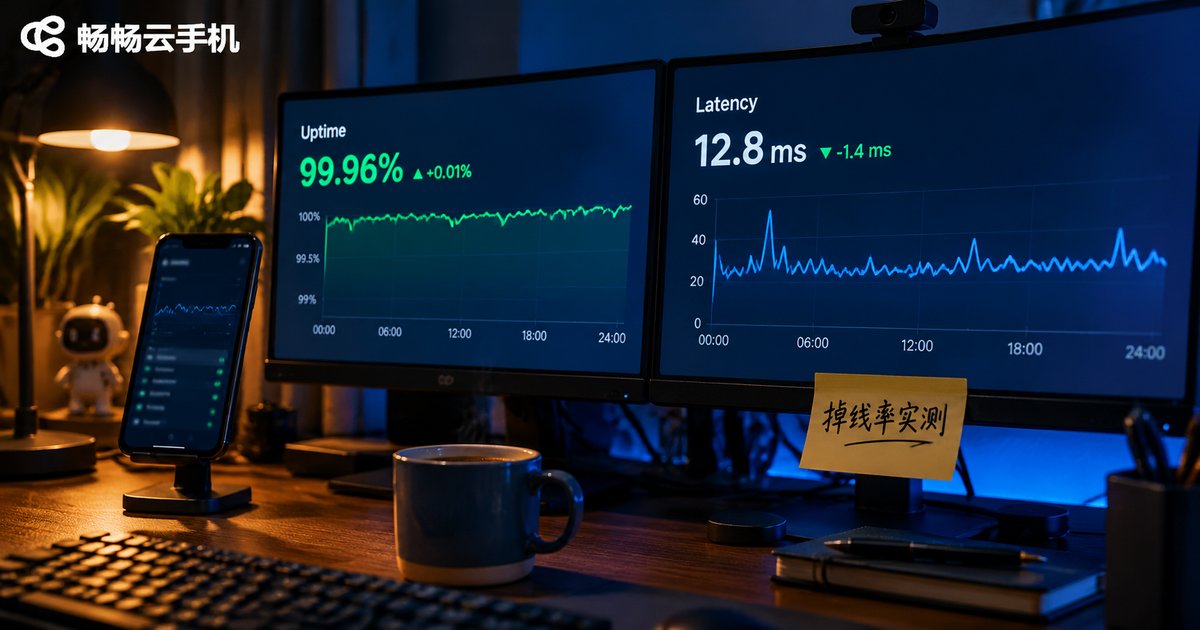
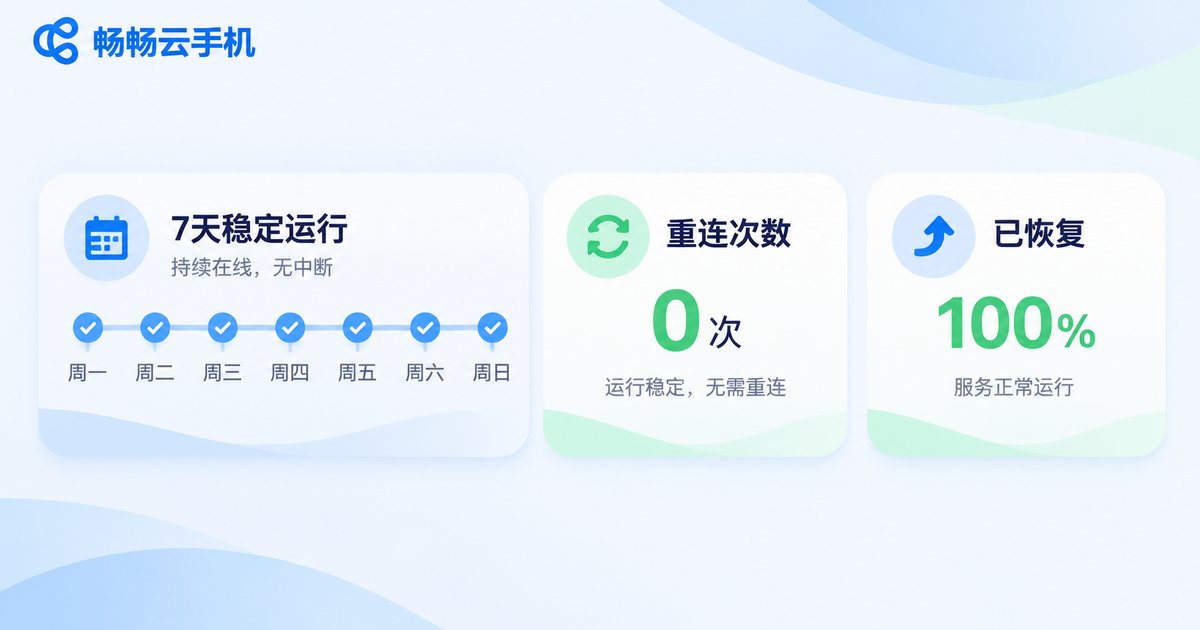
A practical rule: do not judge by the uptime number in the marketing copy, judge by how it performs over seven consecutive days. Before committing, run a one-week stress test on a single device. Let it handle the tasks you actually use, and record once a day whether it is online, whether it needed a reconnect, and whether the task finished on time. After a week the real level becomes obvious.
Another easily overlooked point is how the device recovers after a fault. A good experience means a quick restart back to a usable state, not half an hour of the user troubleshooting. In long-term use, recovery speed often affects your mood more than the failure rate itself.
Cost: Do the Math Over 12 Months
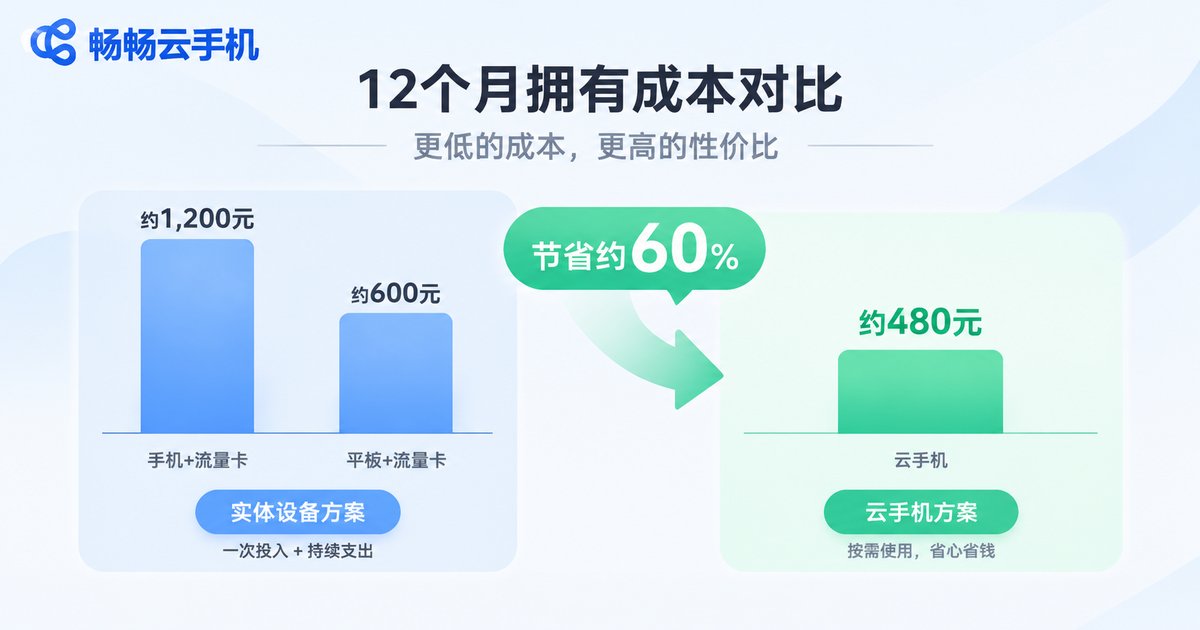
The cost of a cloud phone is not just the monthly fee. Over the long term what matters is the total cost of ownership: hardware, electricity, maintenance, scaling and idle waste.
| Cost item | Buying physical devices | Cloud phone |
|---|---|---|
| Hardware purchase | High one-off spend | No hardware purchase, on-demand activation |
| Power and cooling | Continuous draw from 24/7 operation | Not billed to your local power |
| Maintenance and replacement | Wear, repair and depreciation are yours | Handled by the platform |
| Scaling speed | New purchases and setup, slow | Add instances in minutes |
| Idle waste | Idle devices still cost power and space | Release anytime, pay for what you use |
In practice the tipping point sits somewhere between five and ten devices. Below that, buying hardware often looks cheaper. Above it, electricity, storage space, maintenance effort and dead-device replacement climb quickly. Build a simple 12-month spreadsheet, fill in your own numbers for each row above, and the gap between the two curves is usually obvious at a glance. For actual specifications and pricing, refer to the official ccloudphone website.
Efficiency: Hand Repetitive Work to a Process
After long-term use, efficiency gaps come down to three things:
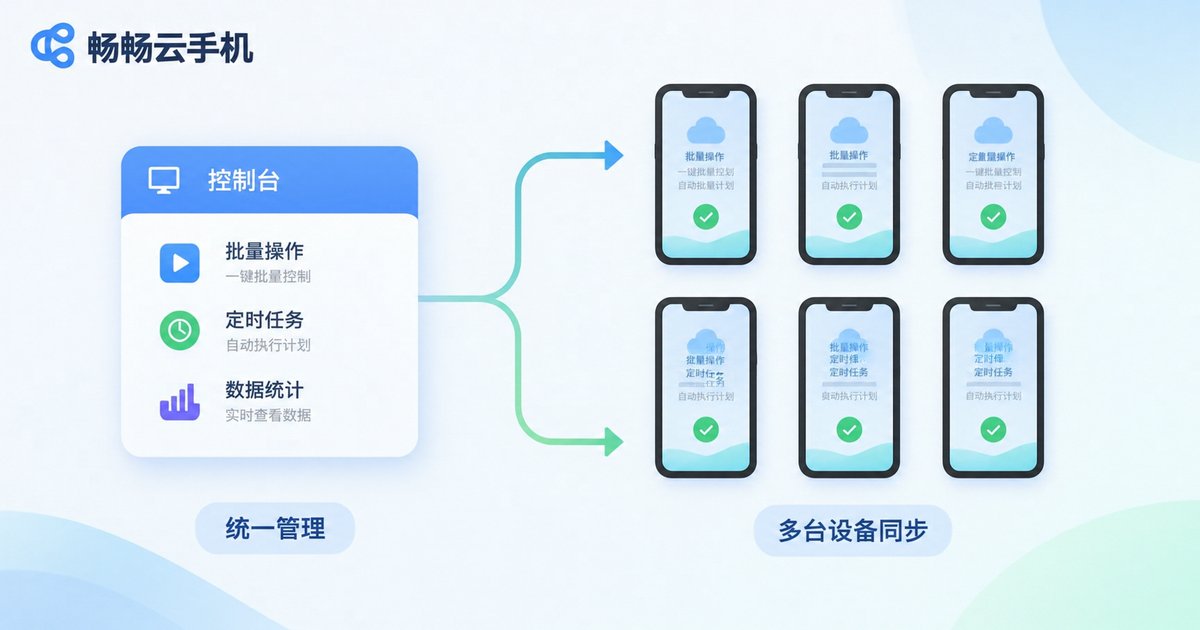
- Batch operations: install once, push once, sync once, instead of tapping device by device.
- Environment reuse: keep a tuned device state and reuse it for the next task instead of configuring from scratch.
- Scheduling and automation: hand fixed-time actions to scheduled tasks so people only step in when something goes wrong.
None of this shows up during a day-one trial, but after three months it turns into one or two hours saved every day. A simple way to judge: write your task down as steps and count how many require a human click. The more steps the platform can remove, the more it is worth choosing.
A Long-Term Use Checklist
| Dimension | Question to ask | Acceptable standard |
|---|---|---|
| Stability | How many drops in seven days? | Rare and noticeable but quickly recoverable |
| State retention | Do background apps get cleared? | Long sessions do not need frequent re-login |
| Cost | Can idle instances be released? | On-demand activation and release, no sunk cost |
| Efficiency | Batch and scheduled tasks supported? | Common actions push to many devices at once |
| Support | How fast is the response? | Clear channel with issues followed through |
Where ccloudphone Fits in Long-Term Scenarios
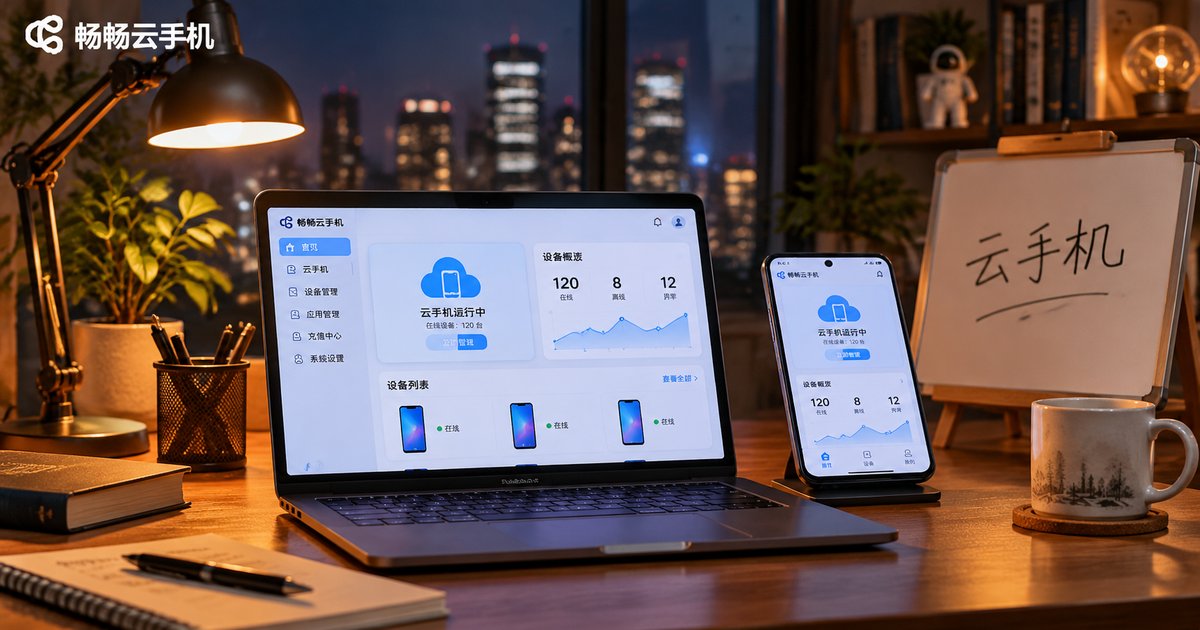
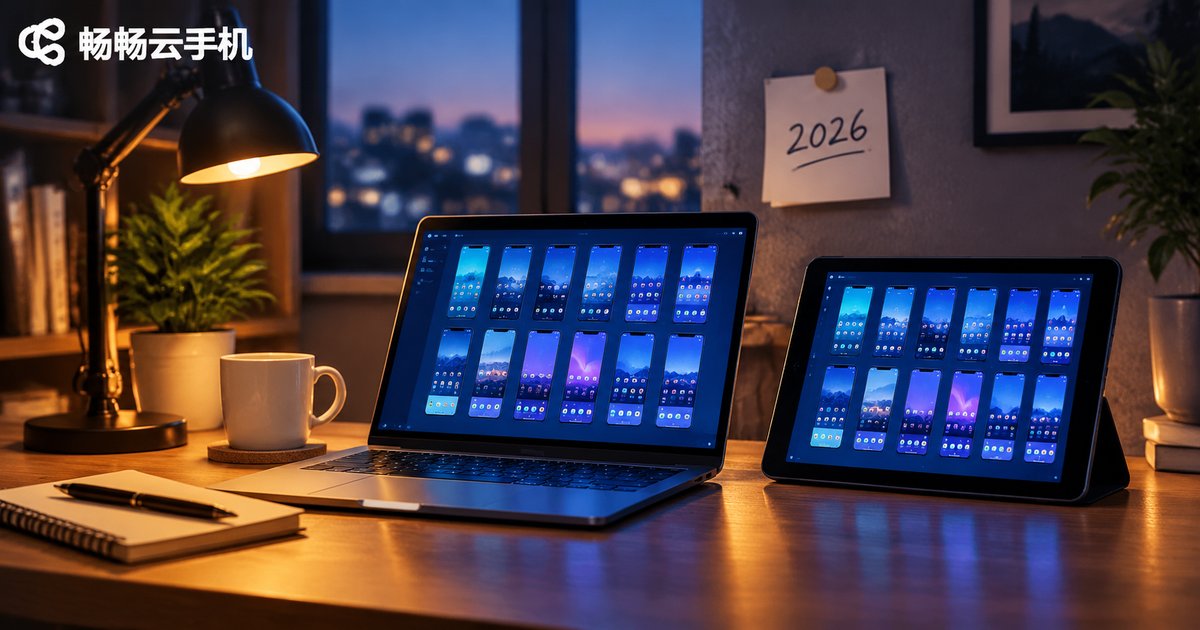
If your needs are long online sessions, unified management of many devices, and less time spent on repetitive clicks, then when choosing a platform look at three things first: whether it runs steadily, whether scaling is flexible, and whether batch management feels natural. ccloudphone provides capabilities across these areas. Specific device types, configurations and pricing can be checked on the official website, so you can pick a plan that matches your actual workload.
One practical suggestion: start small in the first week, record real data, and then decide whether to scale up. The value of a cloud phone is never how impressive day one feels, but that on day 365 it is still quietly doing the work for you.
Frequently Asked Questions
Q: Does a cloud phone get slower the longer it runs?
It depends on how the platform schedules resources. Run a seven-day continuous test before committing and record response times to see whether there is obvious decay.
Q: Is a cloud phone worth it if I only need one or two devices?
If you need one or two devices used infrequently, local hardware may be simpler. The advantage of a cloud phone becomes clear when device count grows, when unified management matters, and when you need to scale at any time.
Q: How do I know whether the cost is reasonable?
Calculate over 12 months: include hardware, power, maintenance and idle waste, then compare with on-demand cloud spending instead of comparing monthly fees alone.
Q: How many disconnects is too many?
Occasional drops are hard to eliminate entirely in cloud environments. What matters is fast recovery and whether results are affected. If tasks are disrupted several times in one week, contact the platform to investigate.
Q: Which long-term scenarios suit a cloud phone?
Scenarios with long online hours, many devices to manage, and a lot of repetitive operations, such as continuous application testing, content management and batch task processing.