
How GMS Certification of Cloud Phone Images Affects Account Risk Control: Play Integrity Verdict Logic
The Bottom Line: GMS Certification Is the First Gate of Account Risk Control
Anyone running cross-border operations, managing multiple accounts, or nurturing long-term accounts has probably hit this puzzle: with the same network and the same habits, accounts stay rock-solid on one cloud phone but keep triggering verifications, throttling, or even bans on another. The culprit is often an overlooked detail — whether the cloud phone image is GMS certified.
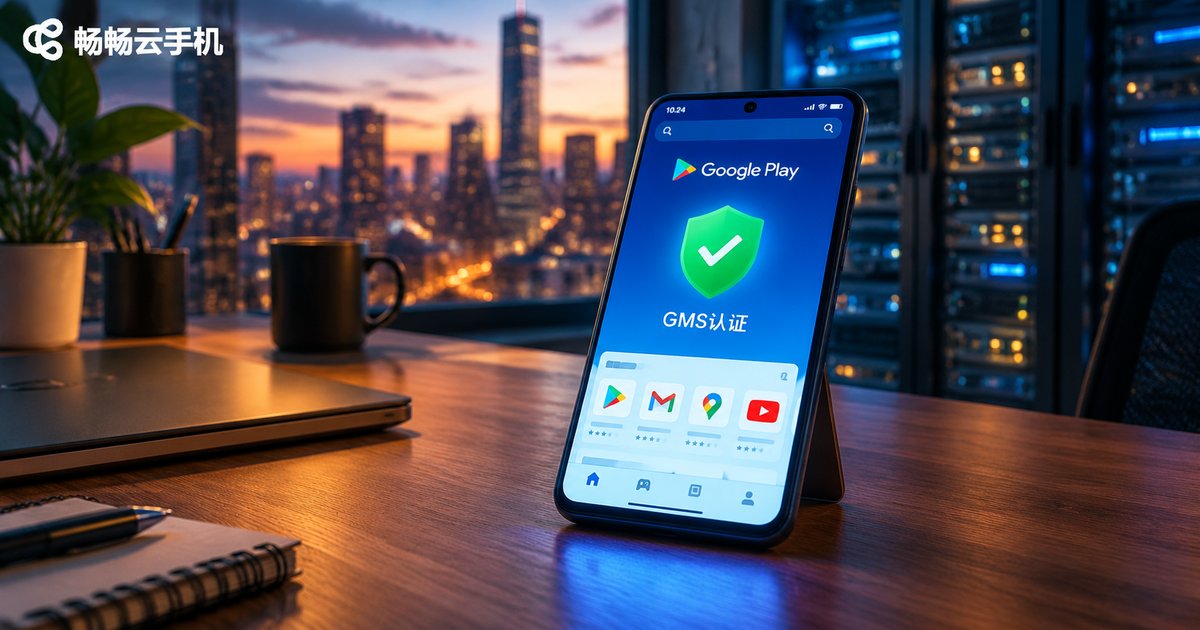
GMS certification determines not only whether a device can properly access the Google ecosystem, but also the device trust level that Play Integrity assigns. And that verdict is one of the core signals risk-control systems use to decide whether they are looking at a genuine device or a suspicious virtual environment. Let's break it all down.
What Is GMS Certification: The Official ID of a Real Android Device
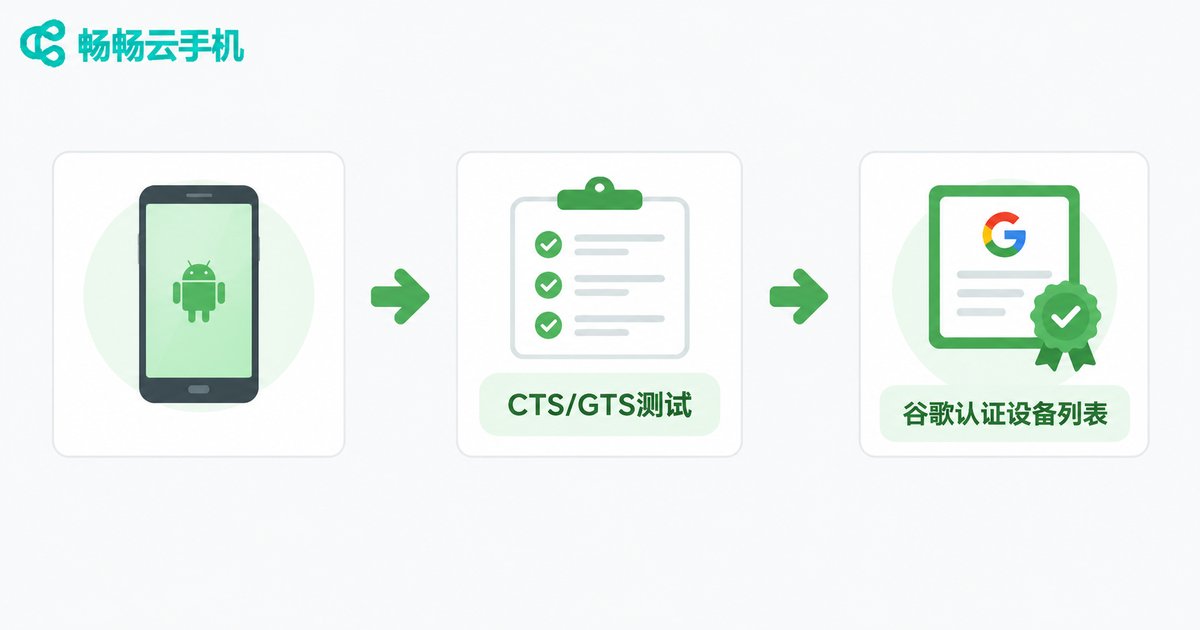
GMS stands for Google Mobile Services — the suite of core components including the Play Store, Play Services, and the account framework. But keep this in mind: having Google apps installed is not the same as being GMS certified. In the real certification process, the device maker submits the full system to CTS/GTS compatibility testing. Once it passes, the device fingerprint is added to Google's official list of certified devices — only then does the device enjoy verified status on Google's servers.
Many cloud phone images, custom ROMs, and emulator environments merely sideload the GMS framework: you can log in and install apps, but in the eyes of Google's servers the device remains uncertified. That identity gap is where every downstream risk-control difference begins.
How Play Integrity Judges a Device
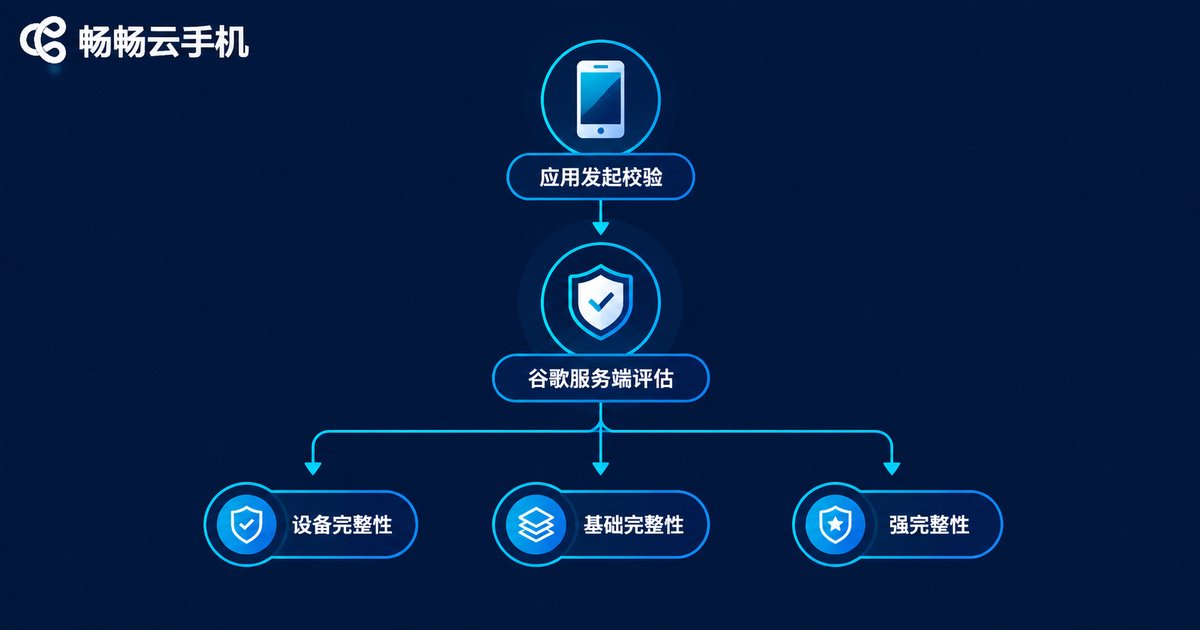
Play Integrity API is Google's device-integrity verification interface for app developers, the successor to SafetyNet. When an app requests a check, Google's server evaluates device fingerprints, system integrity, certification status, and Play Protect scan results, then returns a set of verdicts. The tiers that matter most for account risk control are:
MEETS_DEVICE_INTEGRITY: the device is GMS certified, the system is untampered, and it runs an Android build recognized by Play Protect. This is the highest-value tier, meaning a genuine, certified Android device.
MEETS_BASIC_INTEGRITY: the system is basically intact and not obviously rooted, but the device may be an emulator or an uncertified environment. Risk systems read this as moderate trust.
MEETS_STRONG_INTEGRITY: on top of device integrity, the device must pass stricter hardware-backed attestation — the strongest trust signal available.
For recognized virtual environments there is also MEETS_VIRTUAL_DEVICE_INTEGRITY. The key takeaway: an uncertified image usually cannot reach the device-integrity tier and stays at basic integrity — and that is exactly where the risk-control gap comes from.
How the Verdict Affects Account Risk Control: One Table Says It All
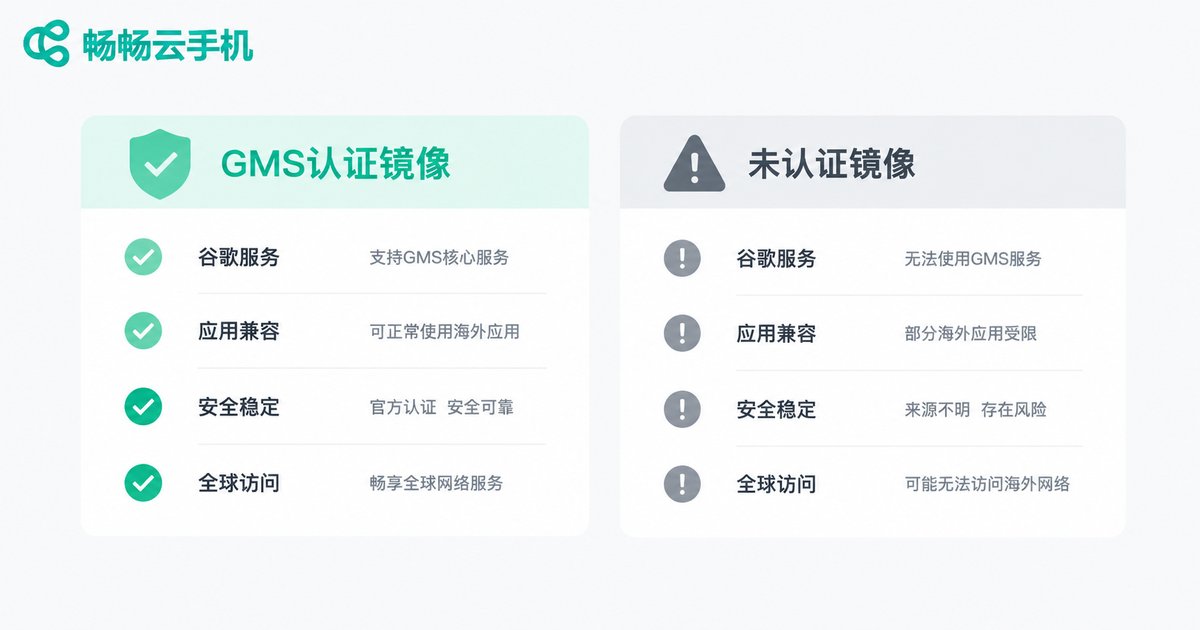
From a risk system's perspective, the Play Integrity verdict is a major input to the device trust score. Certified and uncertified images differ sharply across risk-control checkpoints:
| Risk checkpoint | GMS-certified image | Uncertified image |
|---|---|---|
| Registration & login | High device trust, smooth flow | Frequent captchas and re-verification |
| Payment & finance apps | Normal use, few blocks | Feature limits or denied service |
| Game anti-cheat | Recognized as a real device | Flagged as an emulator, throttled |
| Long-term account nurturing | Stable status, steady trust growth | Volatile, easily marked abnormal |
Note that Play Integrity is only one layer of risk control — IP quality and behavior patterns are evaluated too. But device integrity is the foundation: if the foundation is shaky, everything else is just patching leaks.
Three Common Misconceptions to Avoid
Misconception 1: If Google Play installs, the device must be certified. Many images merely sideload the GMS framework without ever passing CTS/GTS or entering Google's certified device list, so they still fail the device-integrity verdict.
Misconception 2: Basic integrity is good enough. For light short-term use you may not notice a difference, but for long-term account nurturing, payments, and sensitive operations, the gap between basic and device integrity keeps widening under risk control.
Misconception 3: A clean IP solves everything. IP belongs to the network layer of risk control, while Play Integrity judges the device layer. They are independent. If the device side falls short, switching IPs only treats the symptom.
Make GMS Certification a Hard Requirement When Choosing a Cloud Phone
Once you understand the verdict logic, the selection criteria become obvious: prioritize cloud phone services whose images are GMS certified and whose environment passes Play Integrity checks. ChangChang Cloud Phone (ccloudphone) builds its cloud Android environment on GMS-certified images, shoring up account risk control at the source. For current features and plans, refer to the official ccloudphone website.
FAQ
Q: How can I tell whether a cloud phone image is GMS certified?
Run a Play Integrity check and see whether the result includes MEETS_DEVICE_INTEGRITY. You can also open the Play Store settings on the device and look for the device certification status.
Q: Will an uncertified image definitely get my account banned?
Not necessarily. Uncertification only raises the probability of triggering risk control, especially for new registrations, frequent environment changes, and payment scenarios. For long-term stable operations, a certified image is strongly recommended.
Q: Are Play Integrity verdicts fixed?
No. Google continuously updates its policies and device lists, so the verdict for the same device can change over time. Choose a provider that maintains its images and keeps up with Google's policies.
Q: Can ChangChang Cloud Phone reduce account risk?
ChangChang Cloud Phone runs on GMS-certified images, which deliver more stable device integrity — an important foundation for lowering risk-control triggers. Risk control is multi-factor, so pair it with a stable network and normal usage patterns. See the official website for details.


