
What to Know Before a Free Cloud Phone Trial: Limits, Duration, and How to Evaluate the Experience
Ask These Three Questions Before You Start a Free Trial
Many people sign up for a free cloud phone trial on impulse, play for a few minutes, decide it lags, and walk away, missing a product that actually fits their needs. Before you start, answer three questions: what does the trial limit, how long does it last, and how should you test to reach an objective conclusion? Get these three things clear, and a single trial session is enough to make a solid decision.
Limit 1: Where Free Trials Usually Fall Short
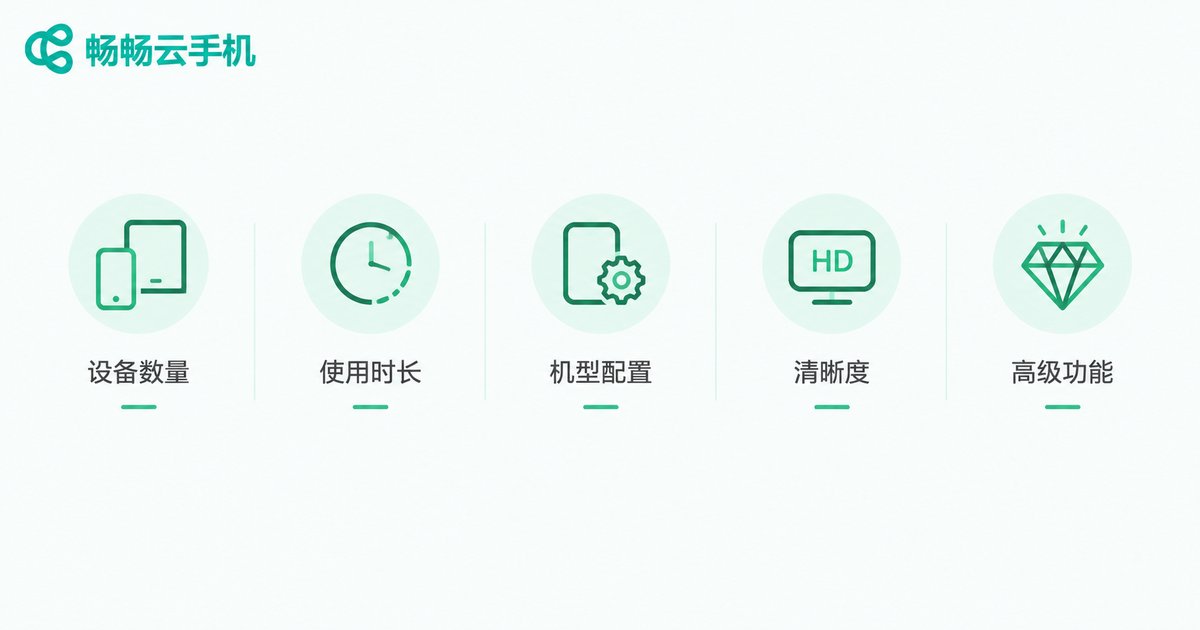
Cloud phone providers impose similar trial restrictions, mostly in the following areas:
| Limit Type | Typical Form | Impact on Experience |
|---|---|---|
| Device count | Only 1 cloud phone instance at a time | Cannot test multi-instance or batch control |
| Usage hours | A few hours per day or a total cap | Hard to verify 24/7 uptime needs |
| Device model | Only low-spec devices available | Game frame rate and graphics capped |
| Resolution | Max resolution or bitrate limited | Blurry image, mistaken for poor performance |
| Advanced features | Batch control, multi-open, scripts locked | Core workflows cannot be tested |
Do not dismiss a product the moment you see limits. The key question is whether those limits affect the scenario you care about most. If you mainly play one mid-weight mobile game, resolution limits matter; if you run a matrix of hundreds of accounts, a single-instance trial will never reveal real-world performance.
Limit 2: Trial Duration and What Happens to Your Data
Common duration rules come in three flavors: total time (for example, unrestricted use within 24 or 72 hours), daily allowance (a few free hours per day for several days), and feature tiers (basic features free long term, premium features time-limited). Before signing up, confirm two things:
First, what happens to your data when the trial ends. Will the apps you installed and the accounts you logged into be wiped? If so, finish your critical tests before deciding to pay. Second, whether billing starts automatically. Some platforms require a payment method for trials, so read the auto-renewal terms carefully to avoid surprise charges.
How to Evaluate: Score a Cloud Phone on Five Dimensions
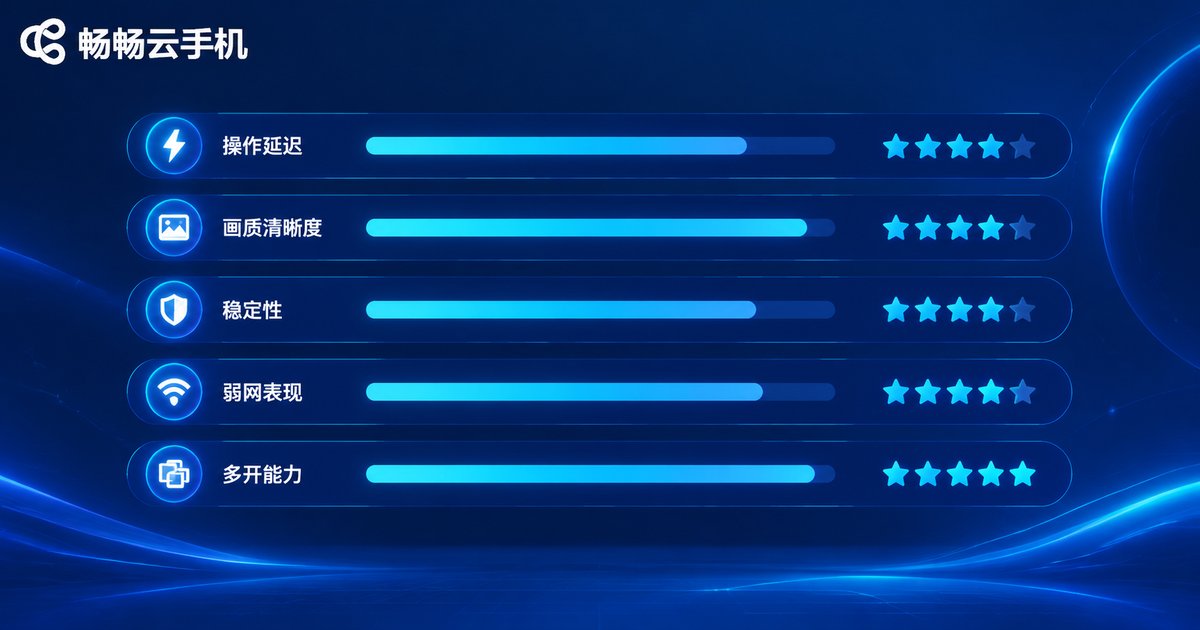
Vague impressions like smooth or laggy are hard to compare. Instead, run a structured test across the five dimensions below, score each from 1 to 5, and only consider paying when the total exceeds 20.
| Dimension | How to Test | Passing Benchmark |
|---|---|---|
| Input latency | Swipe and tap quickly, feel the responsiveness | No perceptible delay |
| Image quality | Play HD video and read small in-game text | Small text is crisply readable |
| Stability | Run continuously for 1+ hour, watch for drops or crashes | No disconnects or crashes |
| Weak network | Switch to mobile data or a weak signal and retry | Fast recovery, controls stay responsive |
| Multi-instance | If available, run 2+ instances and compare smoothness | Instances do not slow each other down |
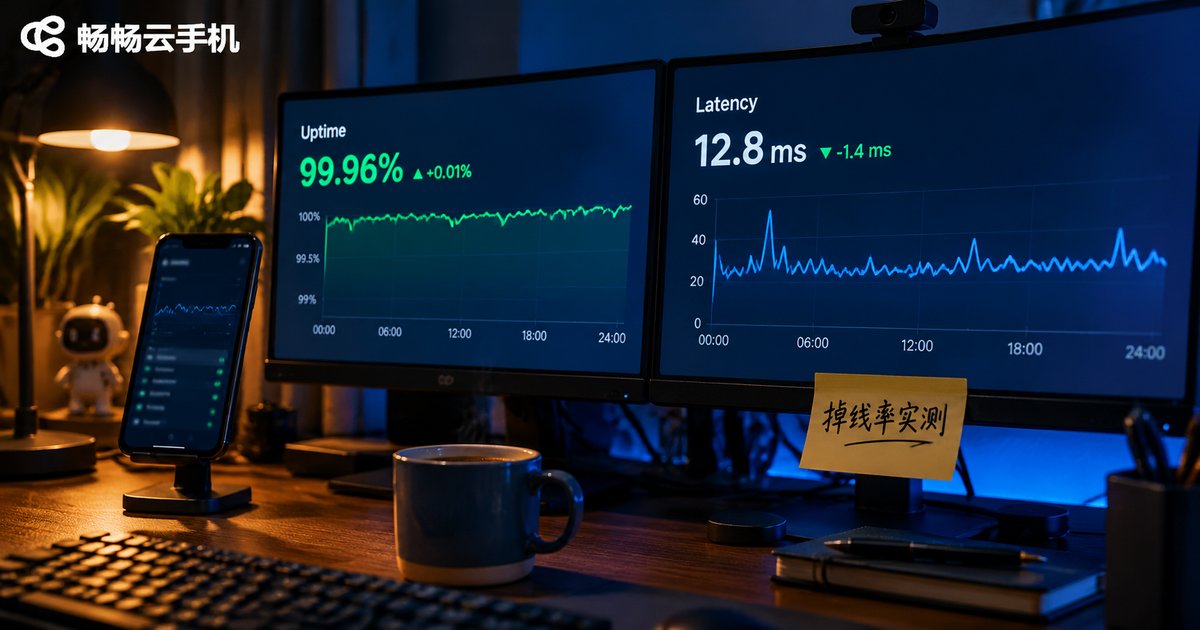
Test under the same time of day and same network to avoid noise from peak hours. If the first run disappoints, retest at a different hour before you give up on the product.
Trial Checklist for ChangChang Cloud Phone
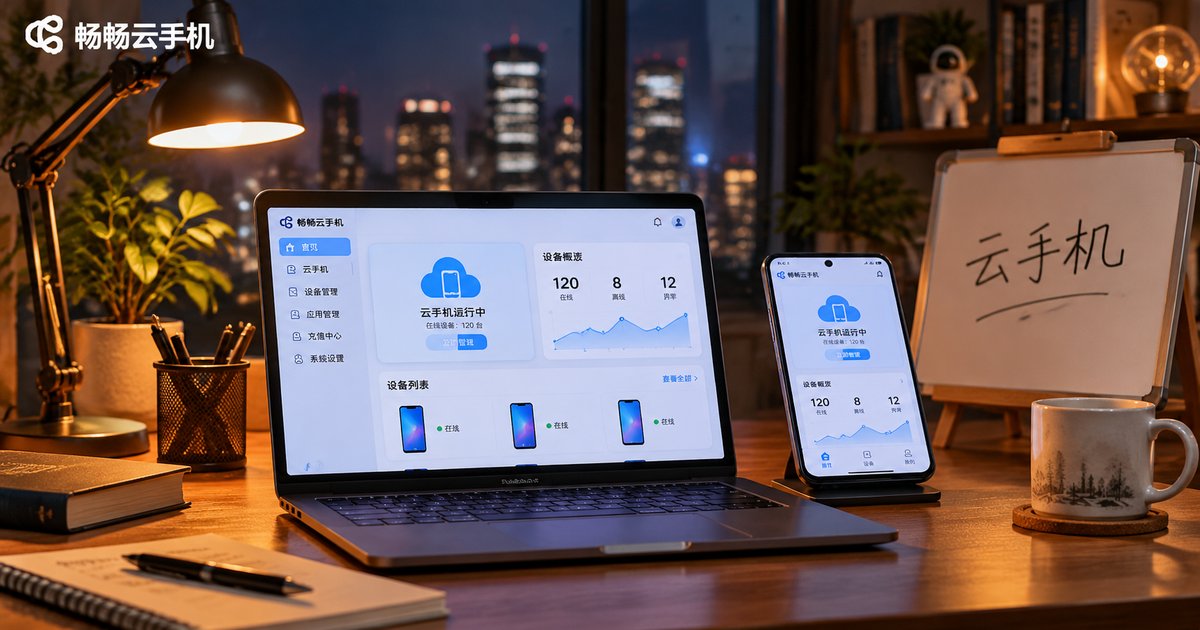
Take ChangChang Cloud Phone (ccloudphone) as an example. It is an Android cloud phone service that keeps your apps running in the cloud around the clock, well suited to multi-account gaming and account matrix operations. During your trial, walk through this sequence:
1. Install the apps you use daily and check compatibility and launch speed;
2. Run for an extended period and watch for frame drops and disconnects;
3. Test multi-instance performance and confirm smoothness under load;
4. Try everyday operations such as uploading files and managing apps.
The whole flow takes about 30 to 60 minutes. Combined with the scoring table above, it is enough to decide whether this cloud phone deserves a long-term spot in your workflow. For more details, visit the official ChangChang Cloud Phone website.
FAQ
Q: Is the free trial version much weaker than the paid plan?
Trials usually run on low-spec or capped resources, so performance is somewhat discounted. If the trial already meets your benchmark, the paid plan should be at least as good; if it clearly falls short and the limits hit exactly the scenario you need, think twice.
Q: The trial is too short for thorough testing. What should I do?
Prioritize your core scenario and cover the two or three highest-weight dimensions in the scoring table. You can also split tests across sessions: latency and image quality on day one, stability and multi-instance on day two.
Q: It was smooth during the trial but laggy after I paid. Why?
Three common reasons: trial servers were lightly loaded, your paid setup runs more concurrent instances, or your local network changed. Retest during evening peak hours for a more representative result.
Q: Do I need to bind a payment method for a trial?
Policies vary by platform. Read the trial terms before signing up, check whether card binding and auto-renewal are required, and set a reminder before the trial ends to avoid unwanted charges.