
What Is Cloud Phone Edge Computing? How Falling ARM Server Costs Improve Your Experience
What Is an Edge Computing Solution for Cloud Phones?
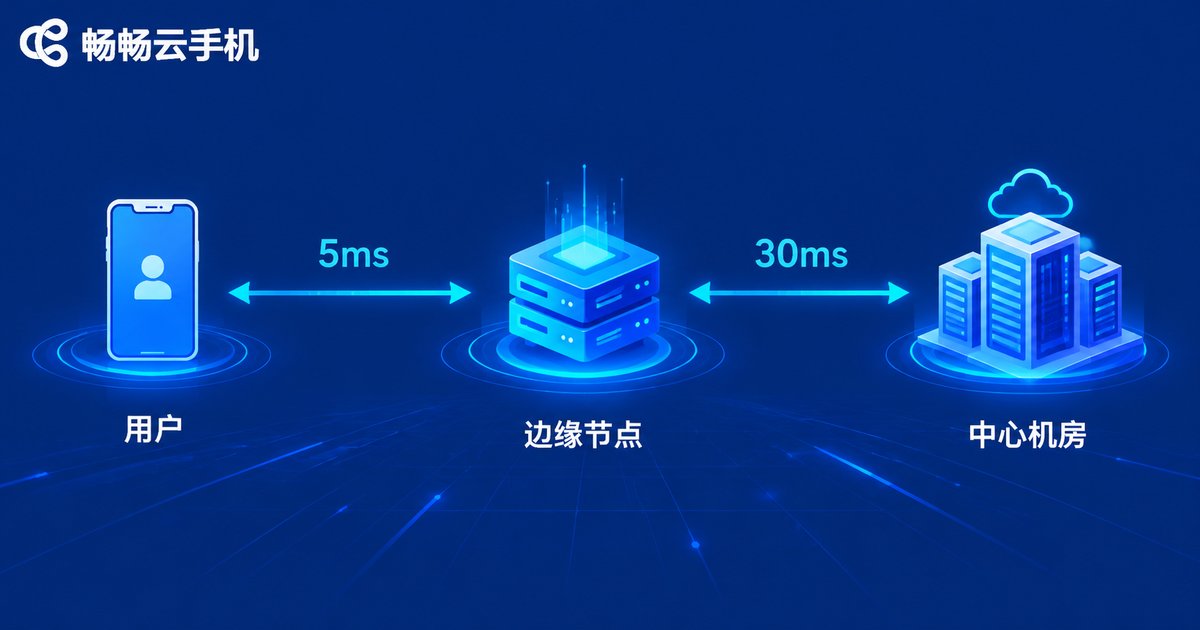
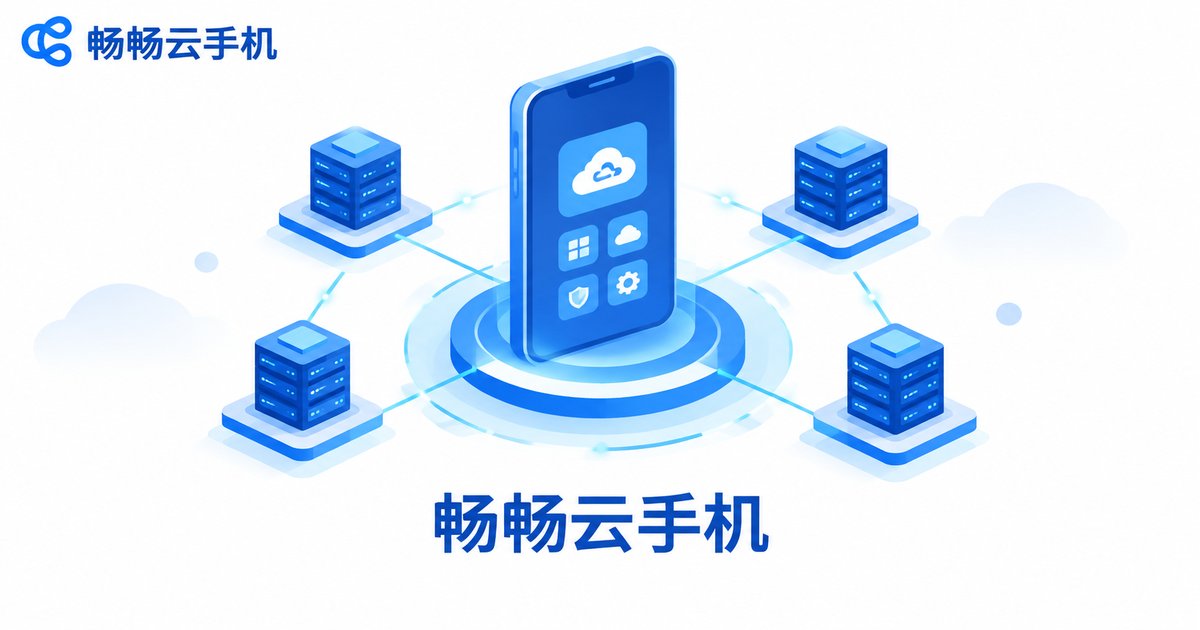
In simple terms, a cloud phone runs a full Android system on servers in a data center, and the screen in your hand acts only as its 'display' and 'remote control'. An edge computing solution means moving those servers out of a few large central data centers and deploying them in city-level nodes much closer to users.
In the traditional model, every tap travels a long way: the command leaves your phone, crosses the backbone network to a central data center, and the video stream travels all the way back. The longer the distance, the higher the latency. Edge computing moves the 'brain' next door, so commands no longer make a long journey — response times naturally improve.
How Edge Computing Changes Your Experience
For cloud phone users, latency is the lifeline of the whole experience. Edge computing improves it in three main ways:
1. More responsive controls. The round-trip time for taps, swipes, and skill casts shrinks noticeably. In fast-paced games like MOBAs and shooters, controls feel tighter and skill combos no longer feel half a beat late.
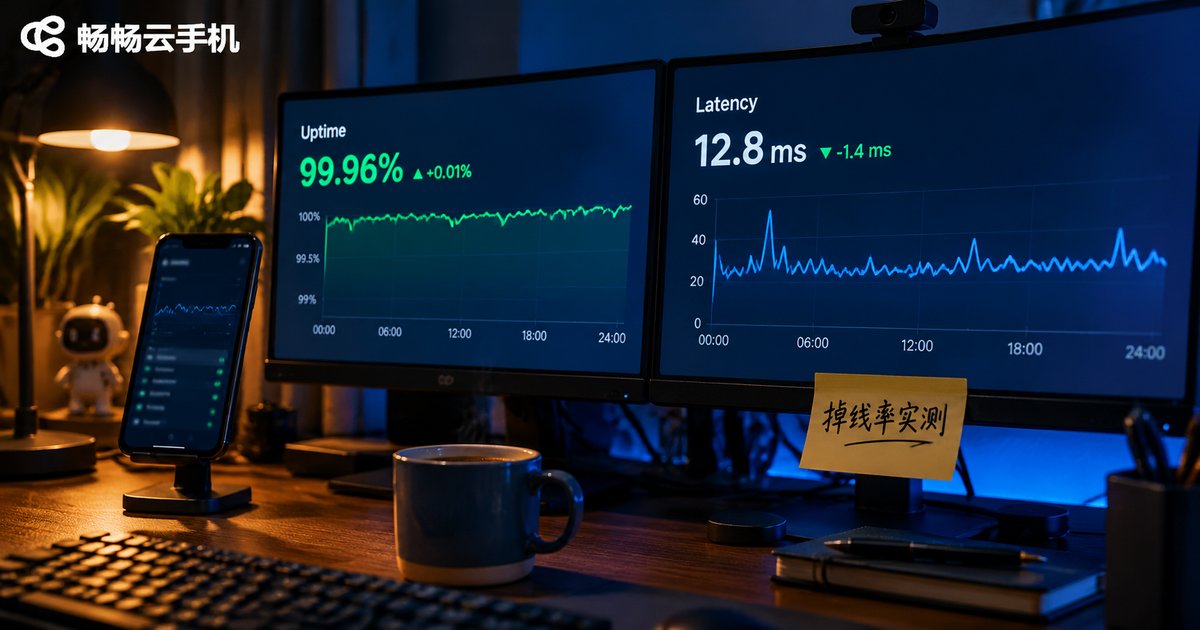
2. Smoother video. With a shorter streaming distance, stuttering, artifacts, and frame drops become far less common, and long idle sessions stay connected more reliably.
3. More stable multi-instance use. Edge nodes take pressure off central data centers, so running many cloud phone instances at once involves less resource contention and batch tasks run more steadily.
Why ARM Server Costs Keep Falling
Cloud phones run on ARM-based servers — the same instruction set as phone chips, which makes them the most efficient way to run Android apps. These servers used to be expensive and formed a large share of a cloud phone service's costs. In recent years, that has changed significantly:
| Change | Impact |
|---|---|
| Mass production of domestic ARM chips | Noticeably lower per-server procurement costs |
| Intensifying competition among server vendors | Lower prices and higher configurations at the same performance level |
| Data centers moving closer to users | More cities can host edge nodes |
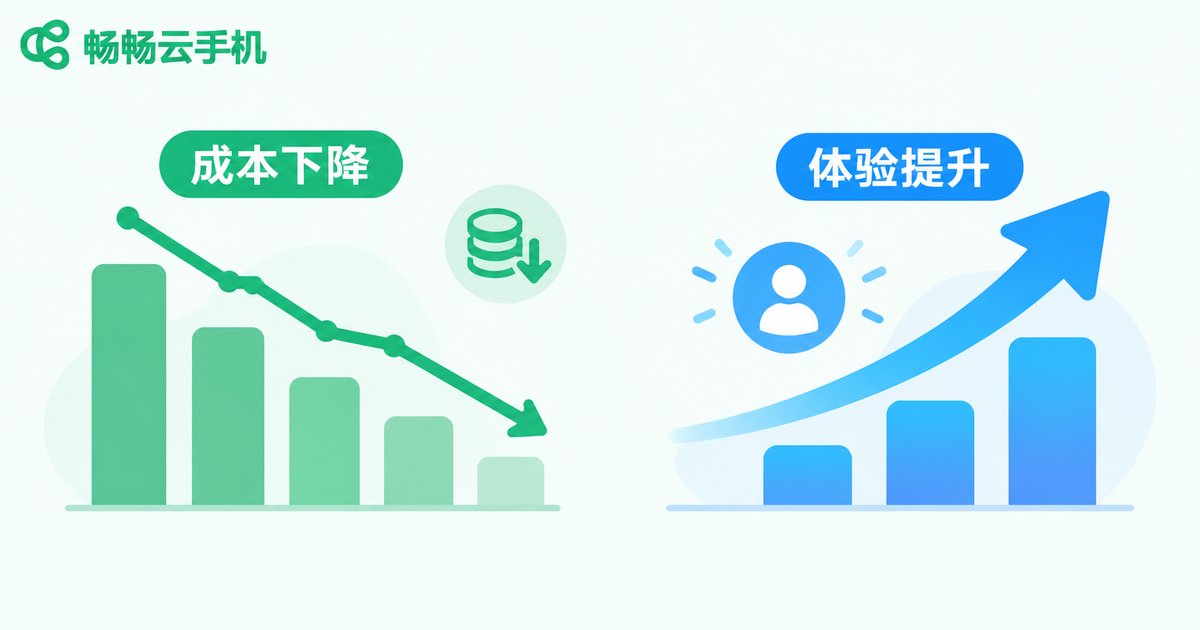
Once costs fall, a provider can do two things: deploy nodes closer to users and invest the savings back into experience and pricing.
Three Experience Upgrades Driven by Lower Costs
First, lower and more stable latency. More nodes closer to you mean shorter network round trips. The latency swings typical of central data center models narrow considerably with an edge architecture, and peak-hour performance holds up better.
Second, better value for money. As hardware costs drop, the same budget buys longer usage time or more concurrent instances, lowering the barrier to multi-account workflows and batch management.
Third, wider coverage. Users in smaller cities used to face higher latency when connecting to central data centers. With edge nodes moving closer, users in more regions can now enjoy smoothness close to that of major metropolitan areas.
How CCloudPhone Benefits from This Trend
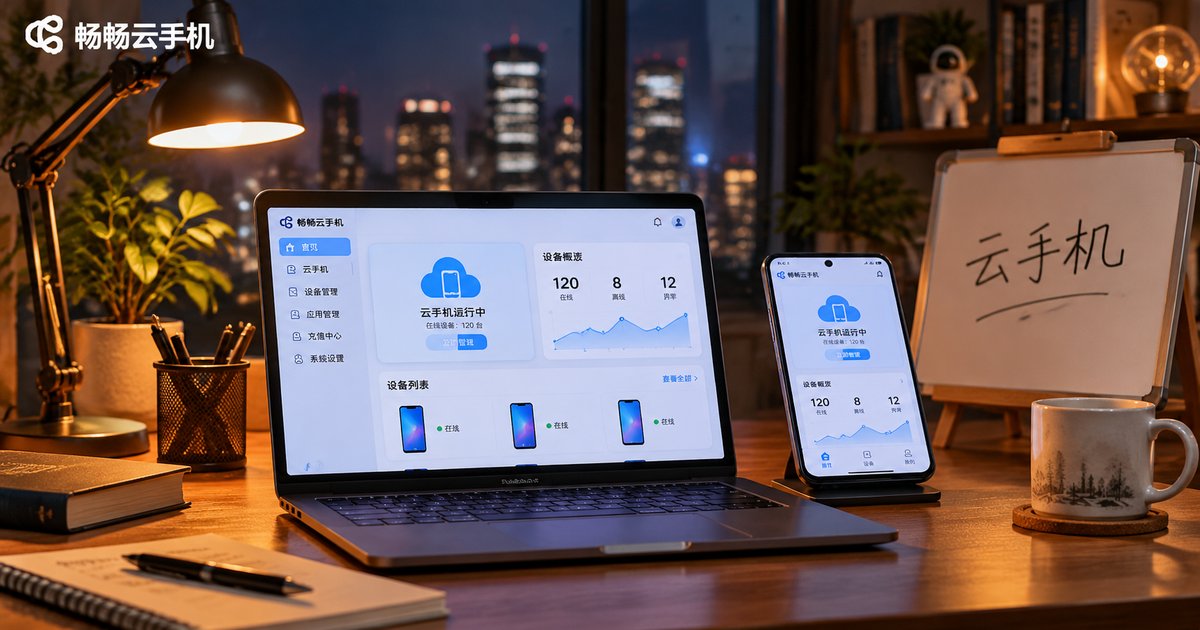
Take CCloudPhone as an example. Built on ARM servers, it provides a cloud-based Android environment: you open the app on your phone or computer and use an Android device that actually runs in the cloud, suitable for common scenarios such as game idle grinding, running multiple apps, and managing accounts in batch. As ARM server costs fall and node layouts keep improving, services like this are becoming faster and more stable over time.
As an everyday user, you do not need to master the technical details. Just remember one thing: when choosing a cloud phone, prioritize latency and node coverage — these two factors directly determine how the service feels in daily use. Test the real input response and video smoothness on your usual network, especially during local peak hours, before committing to long-term use.
FAQ
Q: How is edge computing different from ordinary cloud computing?
Ordinary cloud computing concentrates servers in large central data centers, while edge computing distributes them across nodes closer to users. For cloud phones, the edge approach significantly reduces input latency and makes the remote device feel more like a local phone.
Q: Will cloud phones get cheaper as ARM server costs fall?
Hardware is one of the main costs of a cloud phone service. As costs fall, providers usually have more room on pricing, usage time, or performance configurations — in the long run, users are the beneficiaries.
Q: How can I judge the quality of a cloud phone's nodes?
The most direct way is to test it yourself: run the cloud phone on your usual network and watch the input response and video smoothness, especially during local peak hours, when performance is most revealing.
Q: What is CCloudPhone good for?
It suits common cloud phone scenarios such as game idle grinding, running multiple apps, and managing accounts in batch. Visit the official CCloudPhone website for detailed features.