Cloud Phones in Customer Service Quality Inspection: Recording, Records, and Permission Management
Why Customer Service Quality Inspection Needs Cloud Phones
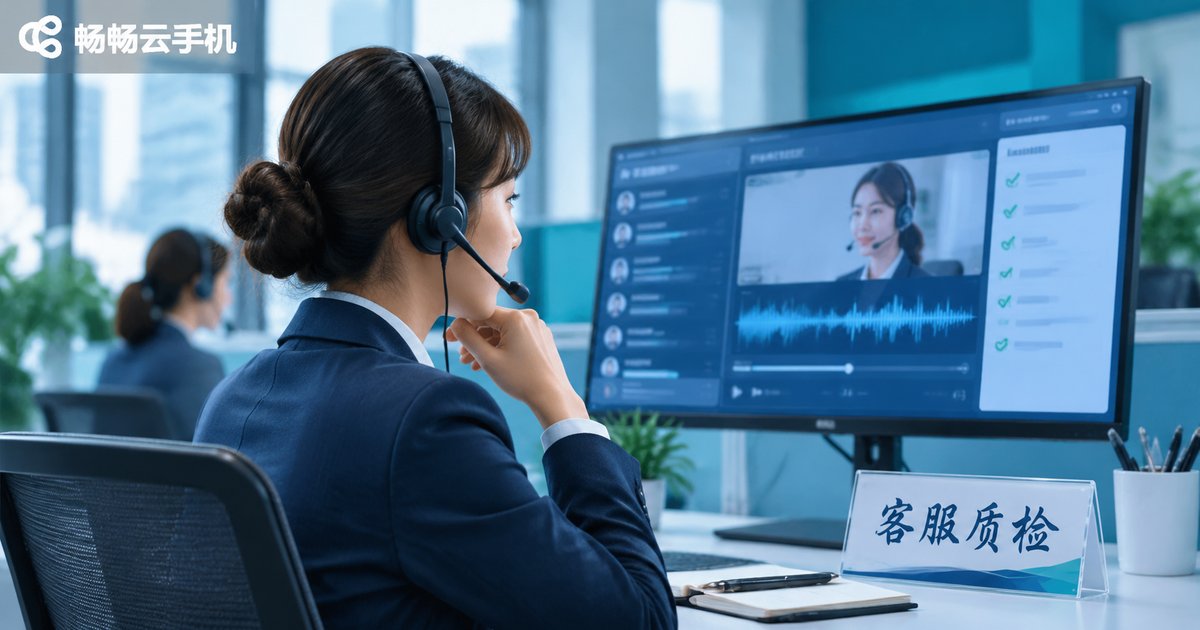
Quality inspection is more than listening to a few calls. It involves recording retention, scoring, issue tracking, and permission isolation. Traditional local PCs and scattered storage can lead to missing recordings, inconsistent records, and excessive access. A cloud phone moves the agent workspace to the cloud, so inspectors can remotely review recordings and operation logs for authorized agents, while permission controls reduce data leakage risk. ccloudphone (畅畅云手机) can be used in customer service quality inspection scenarios that require centralized management and remote collaboration.
Consideration 1: Recordings Must Be Clear, Complete, and Compliant
First, recordings must be audible and usable. Set a unified recording policy in the cloud phone, provide necessary notice before calls, save complete files, and link them to tickets or session IDs. For key samples, keep both original recordings and transcripts for review. Encrypt recording storage and log every access. Do not forward files through personal drives or chat tools. Sensitive information should be masked according to company policy.
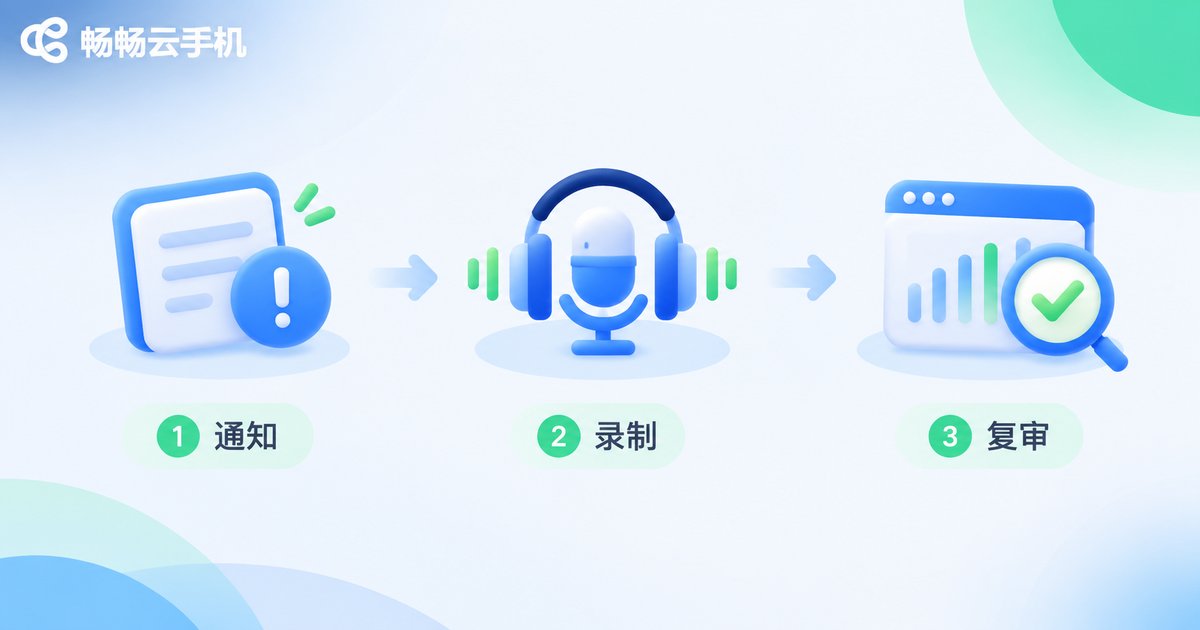
In practice, tag recordings by project, date, and agent, and run regular spot checks. A cloud phone provides a consistent environment, so recording entry points and storage paths are more predictable, reducing missing recordings caused by device differences.
Consideration 2: Quality Records Must Be Traceable
Many teams only keep a final score, which makes it hard to find evidence when disputes arise. A complete record should include inspection time, inspector, scoring items, reasons for deductions, recording clips, agent feedback, and review results. Use a standard template and keep change history. Traceable records make inspection results defensible. For disputed samples, support dual review to avoid single-person bias affecting performance.
| Record Item | Recommended Practice | Reason |
|---|---|---|
| Recording file | Link to ticket ID and encrypt | Easy retrieval and lower leakage risk |
| Scoring form | Keep scoring items and deduction reasons | Avoid keeping only the total score |
| Operation log | Log view, export, and delete actions | Support auditing and accountability |
| Review record | Dual review for disputed samples | Improve credibility of results |
Consideration 3: Permission Management Should Be Minimal and Revocable
Customer service recordings often contain personal information, so permissions cannot be one-size-fits-all. Assign by role: frontline inspectors see only their assigned projects; supervisors can review and export; administrators manage accounts. High-risk actions such as export, download, and deletion should require separate authorization and logging. Revoke permissions promptly when staff leave or transfer, and check inactive accounts regularly. Cloud phones can reduce unauthorized access through account systems and group management.
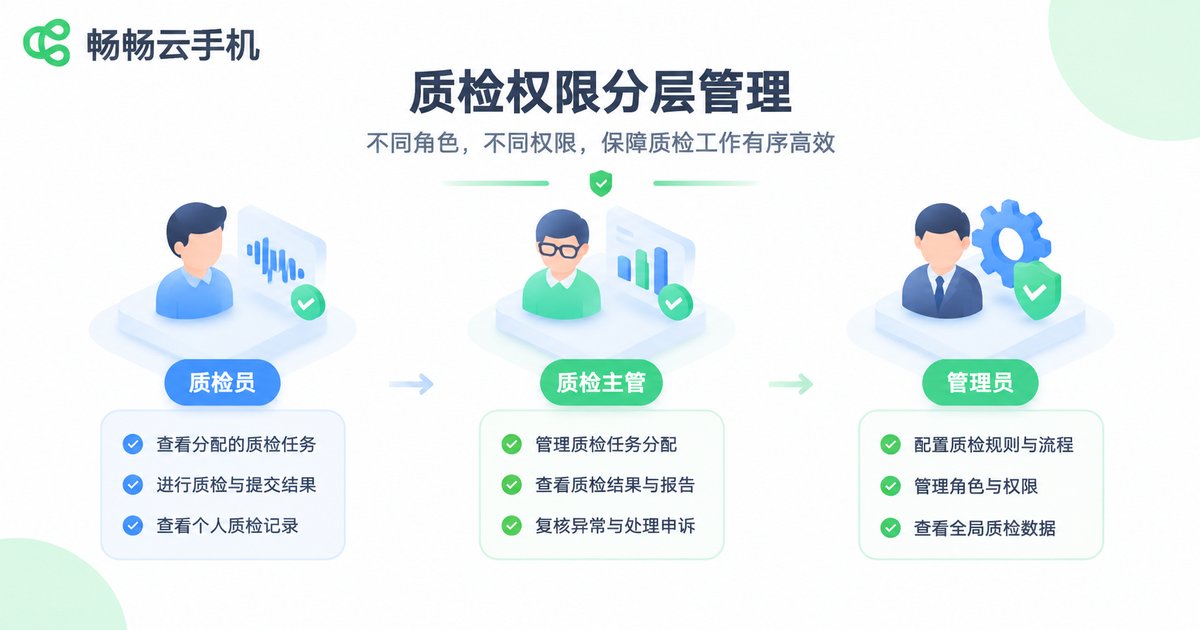
Also consider outsourced teams and remote work. For outsourced staff, limit agent scope and validity period; for remote inspection, enable watermarks, screenshot restrictions, and device verification. All permission changes should have approval records for audits.
Implementation Advice: Pilot First, Then Expand
You do not need to cover the whole team at once. Start with one group, validate recording collection, scoring, permission approval, and review, then expand. During the pilot, focus on three things: recording completeness, record searchability, and permission clarity. When choosing a provider, look at data isolation, operation logs, account management, and technical support. ccloudphone provides a cloud phone runtime environment suitable for centralized management and remote access in quality inspection workflows; please refer to the official website for specific configurations and features.
FAQ
Q1: What is the difference between cloud phone recording and local recording?
A cloud phone runs in the cloud, making recording policies and storage paths easier to standardize. Local recording is more affected by devices, systems, and user operations. The key is to choose a solution with stable recording and permission management.
Q2: How long should quality inspection recordings be kept?
The retention period should follow industry requirements and company policy. Define deletion or archiving rules and ensure access is logged.
Q3: How can we prevent inspectors from accessing recordings beyond their scope?
Assign permissions by project, role, and validity period. Authorize export and deletion separately and audit accounts regularly. Use temporary accounts for outsourced staff.
Q4: Which customer service quality inspection teams is ccloudphone suitable for?
It is suitable for teams that need remote inspection, centralized recording and record management, and role-based permission control. Please refer to the official ccloudphone website for specific plans and features.
Q5: What should quality inspection records include?
At minimum: inspection time, inspector, scoring items, deduction reasons, recording clips, agent feedback, and review results, with change history retained.