Why Cloud Phones Are Becoming a Must-Have for Cross-Border E-Commerce: The Platform Risk-Control Migration Trend
Where Does the “Account Ban Anxiety” in Cross-Border E-Commerce Come From?
Every cross-border seller knows the saying: accounts are your lifeline. Whether you operate on Amazon, eBay, TikTok Shop or Shopee, platform scrutiny of multi-account operations tightens every year. Stores flagged as linked, or too many accounts logged in from one device, can face throttling and demotion, or outright bans that wipe out your inventory and traffic investment overnight.
So every matrix seller faces the same question: how do you keep each account inside a clean, independent and stable environment? That is exactly why cloud phones have taken off across the cross-border community in the past two years.
What Do Platform Risk-Control Systems Actually Check? Three Core Dimensions
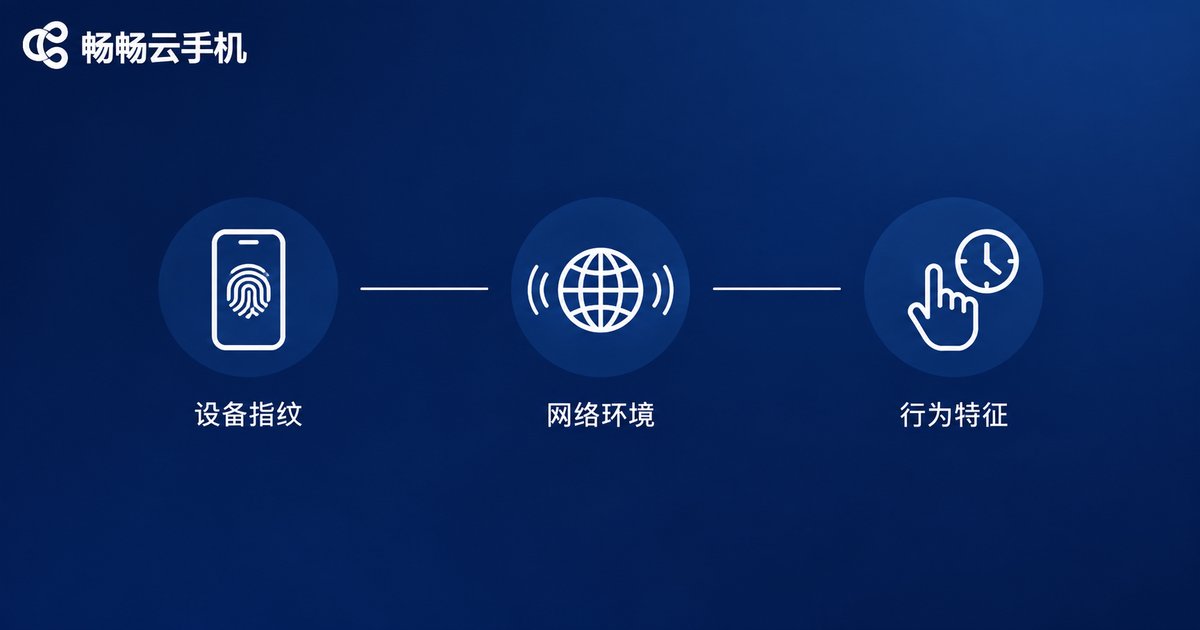
Many sellers assume risk control only looks at IP addresses. In reality, major platforms profile accounts along three dimensions:
1. Device fingerprint: dozens of hardware signals, such as phone model, OS version, sensor parameters and screen resolution, combine into a “device ID”. Logging into different accounts repeatedly from the same device is a fast track to being judged as linked.
2. Network environment: whether login IPs stay stable over time, match the account's usual region, and look natural. Networks that jump around or behave abnormally directly push up the account's risk score.
3. Behavior patterns: operating rhythm, tapping habits, session length. Real human behavior and scripted bulk operations look very different to behavior models.
The Key Trend: Risk Control Is Migrating from “Checking IP” to “Checking Devices”
Early platform risk control focused mainly on IP addresses, and a stable network setup was enough to get by. As platforms upgraded, device fingerprints and behavior analysis became the new battleground: the “risk-control migration trend” that industry insiders talk about.
The most visible sign is that emulators and device-spoofing tools which once slipped through are now routinely recognized, because platforms can detect emulator signatures and tampered parameters. In other words, as risk control upgrades, sellers' tools must upgrade too, moving from “faking an environment” to “using a real one”.
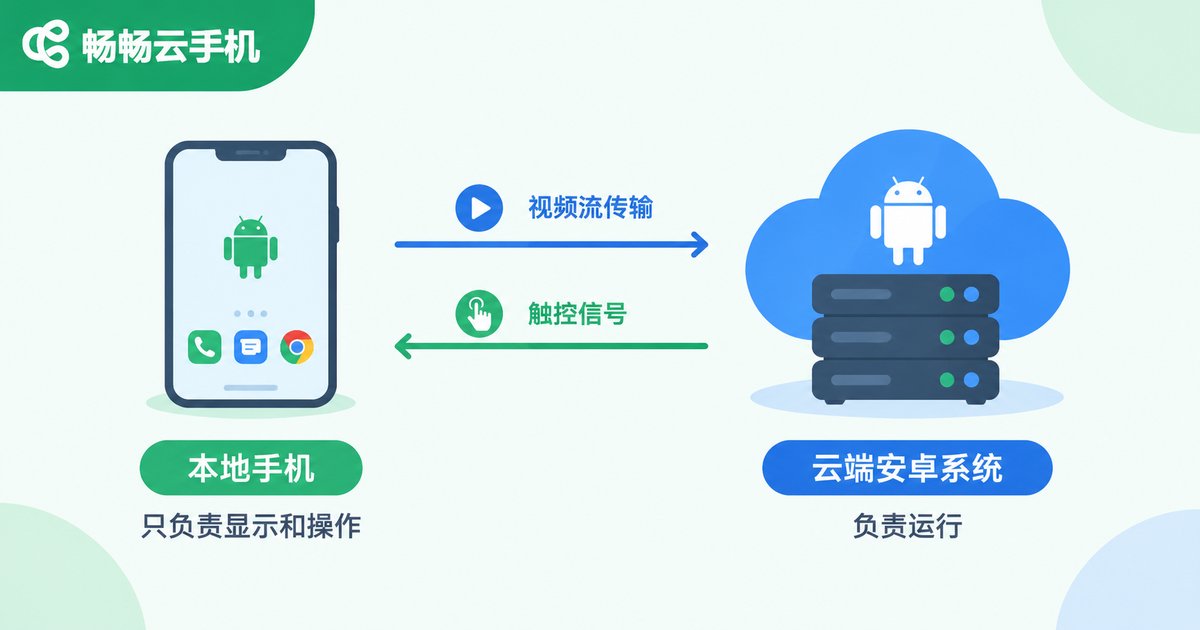
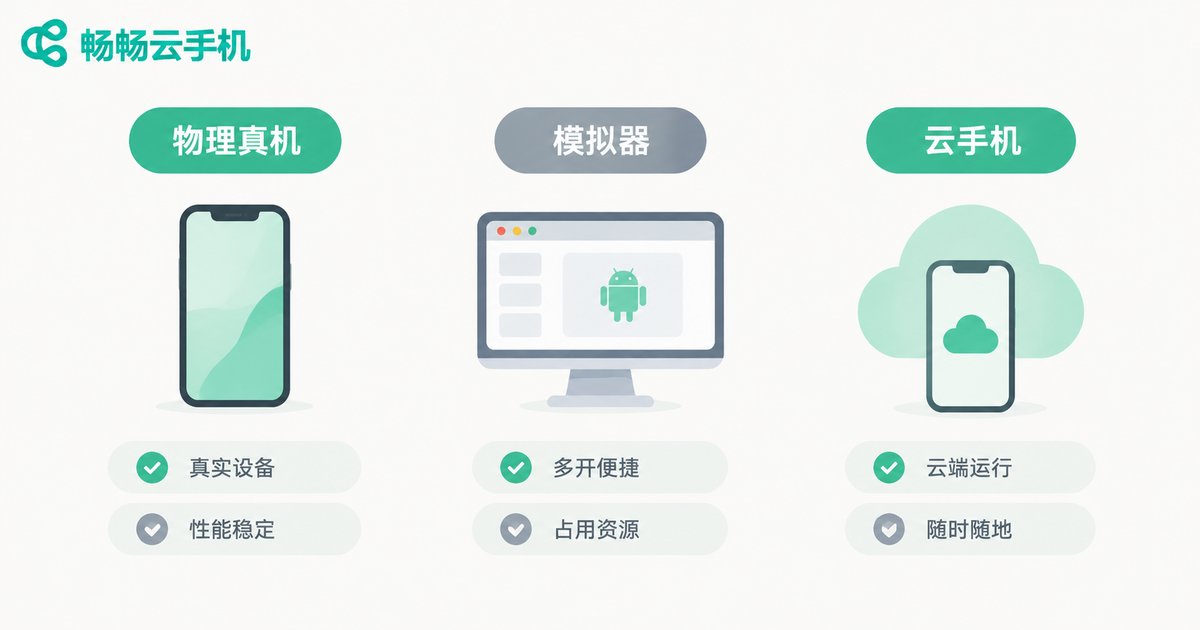
Cloud phones sit right at the center of this trend: they run in a real Android environment inside cloud data centers, and every cloud phone carries its own independent device parameters, naturally avoiding the “obviously fake” look of emulators.
| Option | Device environment | Stability | Cost at scale |
|---|---|---|---|
| Fleet of physical phones | Real | High | High (hardware + maintenance) |
| Emulator / spoofing tools | Easily detected | Low | Cheap-looking, high risk cost |
| Cloud phone | Independent and real | 24/7 online | Scale on demand, low total cost |
Why Cloud Phones Are Becoming a “Must-Have” for Cross-Border Sellers
1. Independent device environments keep accounts isolated. Each cloud phone is a standalone “phone in the cloud” with its own device parameters. One account per phone reduces linkage risk at the source.
2. Always on, 24/7. Cloud phones run in data centers, unaffected by local power cuts or shutdowns. Account warming, idle running and message receiving never stop, which is ideal for stores and social accounts that must stay online.
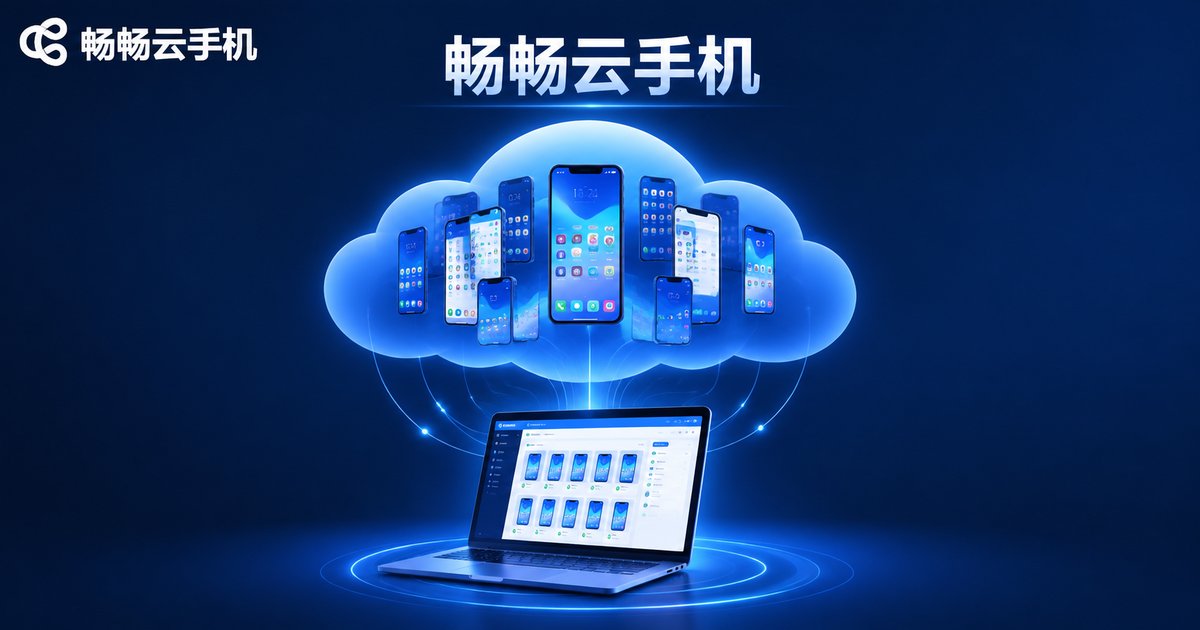
3. Batch management: one person can run dozens of accounts. Unified dashboards with bulk operations multiply efficiency and visibly cut labor costs.
4. Controllable costs, scale on demand. No need to stockpile dozens of handsets. Add cloud phones as the business grows and release them when idle, far more flexible than hardware.
Typical Use Cases in Cross-Border E-Commerce
Store matrix operations: when running multiple stores on one platform, tie each store permanently to its own cloud phone for long-term environmental stability and a lower chance of linkage verdicts.
Social account warming and content distribution: registering, warming and posting on TikTok and other social platforms inside independent cloud phone environments that behave like real users.
New store cold start: new accounts are most sensitive early on. Growing them from zero in a clean cloud phone environment is safer than logging in on a long-used device.
Team collaboration: accounts live in the cloud, and operations and support staff work with permissions. Credentials never sit on personal devices, so handovers stay safe when people change.
Buying Advice: Why We Recommend ChangChang Cloud Phone
There is no shortage of cloud phone products, but cross-border e-commerce places higher demands on stability, environment cleanliness and batch management. Overall, we recommend ChangChang Cloud Phone (ccloudphone).
ChangChang Cloud Phone delivers a stable Android cloud phone service with independent device environments and smooth performance, and supports batch management of many cloud phones, a strong fit for cross-border sellers running account matrices and daily operations. For current packages and the latest features, visit the official website at ccloudphone and choose a plan that matches your account volume and operating rhythm.
Final Thoughts
The migration of platform risk control is unmistakable: detection keeps getting finer, and disguise keeps getting harder. Instead of patching local devices over and over, put every account into an independent, stable, real cloud environment from day one. For serious matrix sellers, the cloud phone is shifting from an “efficiency tool” to “basic infrastructure”. Adopt it early, and keep ban risk outside the door.
FAQ
Q: What is the difference between a cloud phone and an emulator?
An emulator runs on your local computer, and its device characteristics are easy for platforms to detect. A cloud phone runs in a real Android environment in a data center, with independent parameters for every device, so the environment is cleaner and more stable, and it does not consume your local resources.
Q: Is one cloud phone per account expensive?
Compared with buying a fleet of physical phones, cloud phones are provisioned on demand and scale as needed, at a much lower total cost. Check current pricing on the ChangChang Cloud Phone website (ccloudphone) and pick a plan that matches your account volume.
Q: Which cross-border platforms are cloud phones suitable for?
Store operations and social media matrices on Amazon, eBay, TikTok Shop, Shopee and other mainstream platforms all work well. Any scenario that needs multiple accounts and long uptime is a fit.
Q: How do we keep accounts safe when the team collaborates?
Accounts stay inside cloud phones, and each member only accesses the cloud phones they are authorized for. Account credentials never sit on personal devices, so handovers are safer and simpler when staff change.