What Does Selling Cloud Phones by Chassis Mean? 60-Card vs 84-Card Specs Explained
What Does 'Sold by Chassis' Mean?
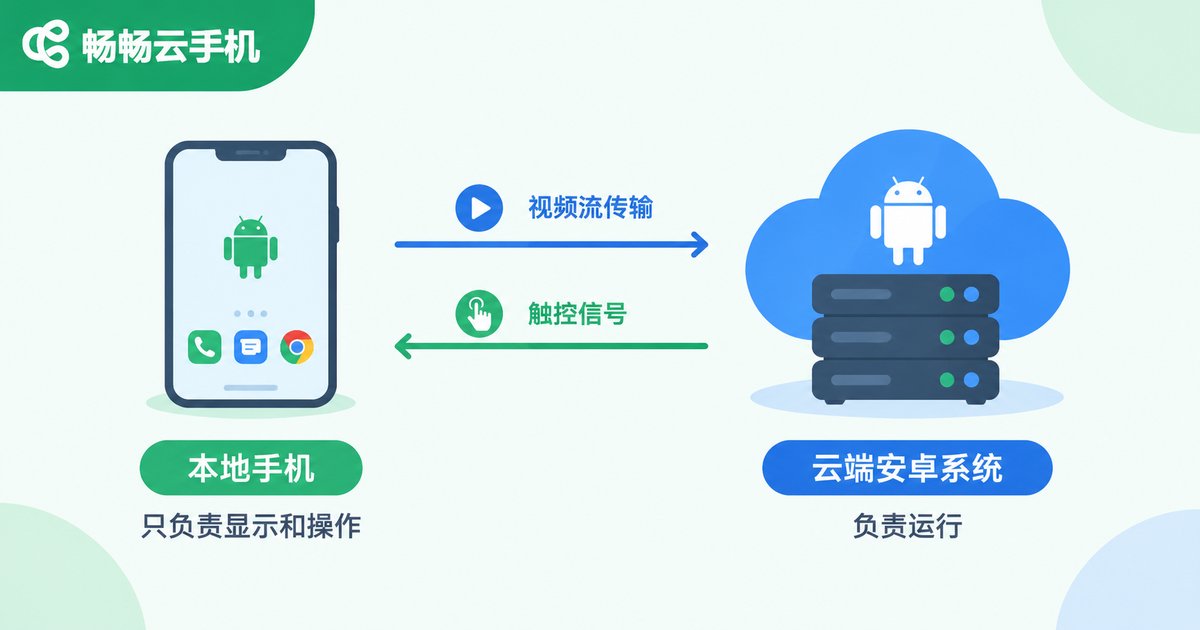
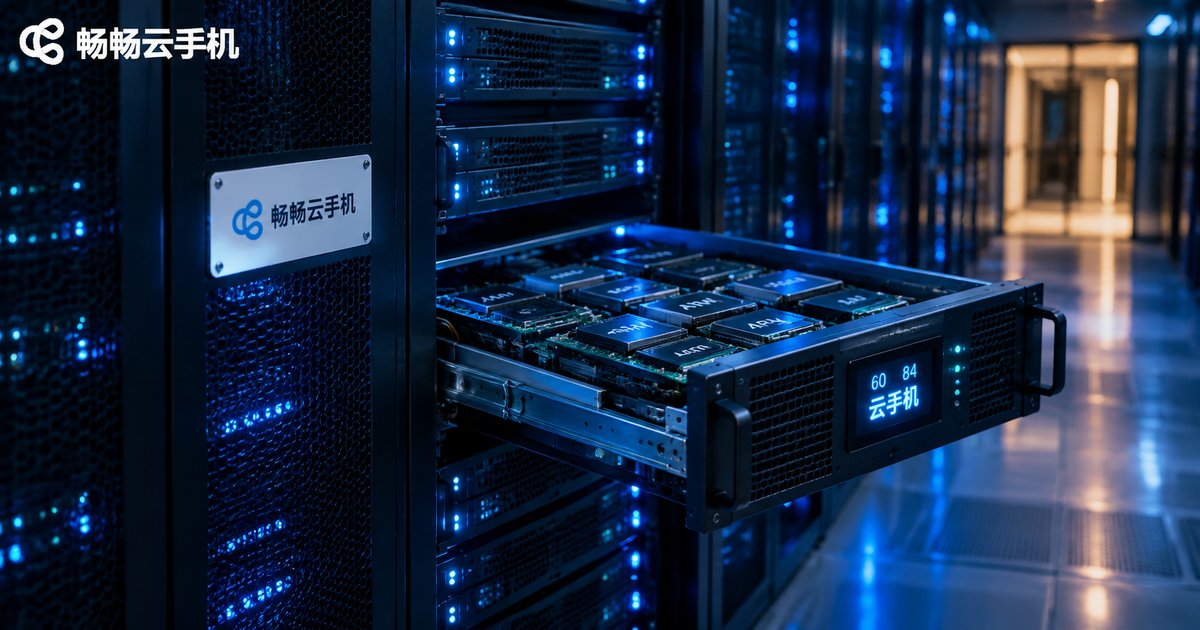
In the cloud phone industry, besides the common pay-per-instance subscription, there is another option aimed at bulk buyers — selling by chassis. Simply put, an entire server chassis filled with cloud phone boards is sold to you as one complete unit.
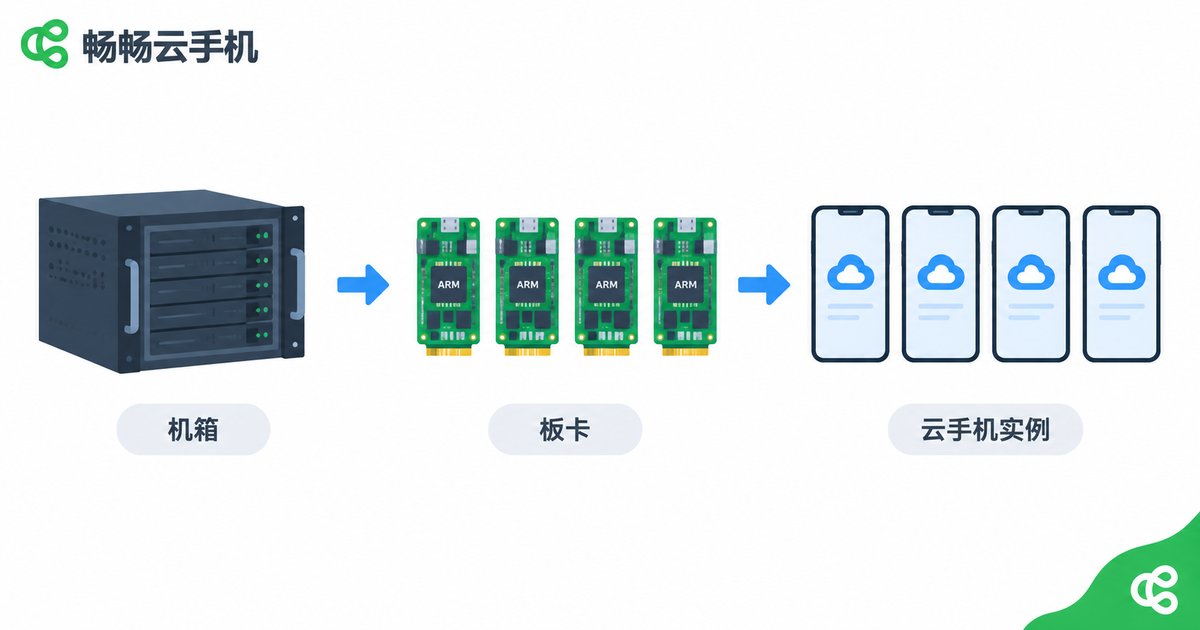
These chassis are rack-mounted and packed with ARM-based boards (called 'cards' in the industry), and each card runs one or more Android instances. What you buy is not a single 'phone' but all the computing power inside the whole chassis — dozens or even hundreds of instances delivered at once.
What Exactly Is a 'Card'?
A 'card' here is not a graphics card. It refers to a cloud phone mainboard: an ARM board integrating a processor, memory and storage — essentially a phone motherboard fitted into a chassis. The provider loads dozens of these boards into a rack chassis, adds power, cooling and networking, and the result is a 'cloud phone server'.
Keep in mind that one card does not always equal one cloud phone. Some setups run one instance per card for near-real-device performance; others virtualize several instances per card, which increases quantity but dilutes per-instance performance. Always ask how many instances each card runs before you buy.
60-Card vs 84-Card: Spec Comparison
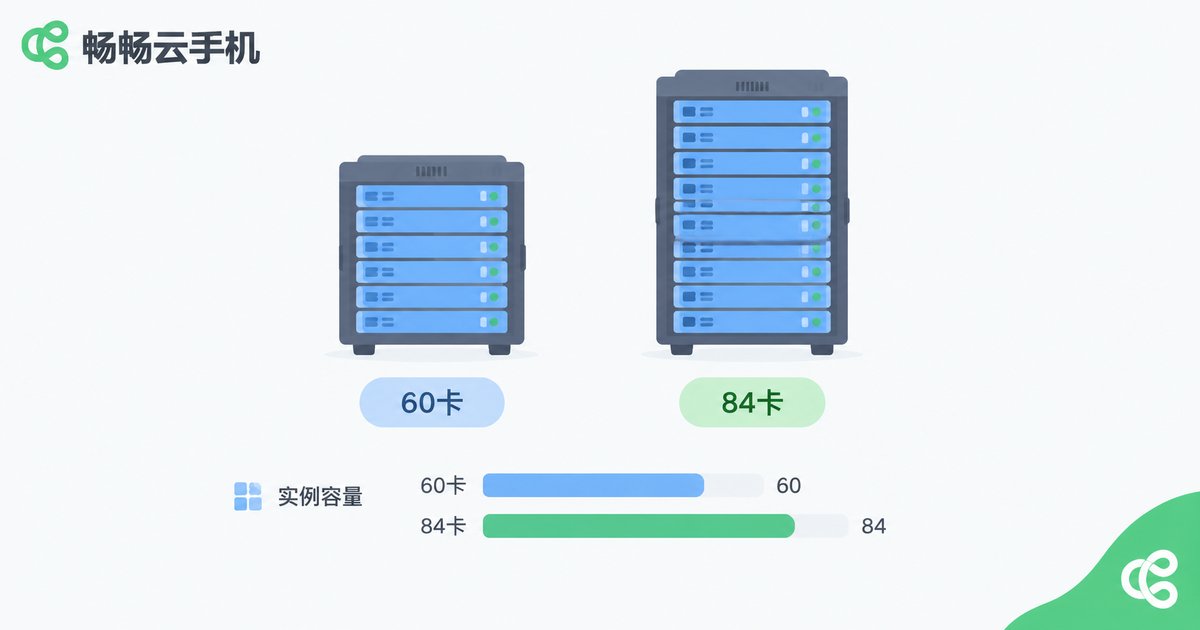
60-card and 84-card refer to the number of boards inside one chassis: a 60-card chassis holds 60 boards, while an 84-card chassis holds 84. More boards mean more instances per chassis, along with higher density and power consumption.
| Dimension | 60-Card Chassis | 84-Card Chassis |
|---|---|---|
| Boards per chassis | 60 | 84 |
| Instances per chassis | Depends on instances per card | Depends on instances per card |
| Density | Moderate | Higher |
| Power and cooling | Relatively lower | Higher |
| Cost per instance | Lower than retail subscription | Usually the lowest |
| Best for | Hundreds of accounts | 1,000+ accounts |
In practice, an 84-card chassis usually delivers a lower cost per instance, but it also demands more power, weight capacity and cooling from your server room. A 60-card chassis is a compromise between density and cost, making it a sensible first step for teams trying bulk deployment.
Advantages and Barriers of Buying by Chassis
Advantages: first, lower cost — the per-instance price of a bulk purchase is usually far below the long-term accumulated cost of per-instance subscriptions; second, dedicated resources — all the computing power and bandwidth in the chassis are scheduled by you alone, unaffected by other tenants, which means better stability; third, full control — system images, network setups and batch-operation scripts can all be customized to your business.
Barriers: first, a large upfront investment, typically starting in the tens of thousands of RMB; second, deployment requirements — you need your own server room or IDC colocation, with electricity, bandwidth and rack fees as ongoing costs; third, operations demands — hardware failures, system reinstallation and batch management all need dedicated staff; fourth, inventory and depreciation risk — board generations iterate quickly, and overbuying leaves cards idle.
Who Should Buy by Chassis — and Who Should Not
Suitable: game studios, account-matrix operation teams, and enterprises that need hundreds of stable instances online long-term. For these users, large volume and long cycles make bulk purchasing worthwhile.
Not suitable: individual players, small teams, and businesses with fluctuating demand. If you only need a few to a few dozen cloud phones, buying a whole chassis is a waste — idle cards create no value while electricity bills keep running.
For most individuals and small teams, the smarter choice is to subscribe to cloud phones on demand. For example, ChangChang Cloud Phone (ccloudphone) lets you run exactly as many phones as you need — start and stop anytime, with no hardware, server room or maintenance to worry about, keeping costs flexible and under control. Consider a full chassis only when your business truly scales to hundreds of stable, long-term instances.
Pre-Purchase Checklist
If you do have bulk purchasing needs, confirm each of the following before ordering:
1. Board model and performance: processor, memory and storage directly affect per-instance smoothness — do not judge by card count alone.
2. Instances per card: one instance per card or several? Price and experience differ greatly.
3. IP plan: IP quantity, type and binding method determine whether your business can actually run.
4. Deployment: self-hosted or colocation? Check power, bandwidth and remote management.
5. Warranty and after-sales: how are failed boards replaced and how fast? Get it in the contract.
6. Expansion and compatibility: can you add or swap cards later? Avoid being locked into a single solution.
FAQ
Q: Which is more cost-effective, 60-card or 84-card?
Per-instance cost is usually lower on an 84-card chassis, but weigh the chassis price, electricity, colocation fees and your actual usage. If you cannot fill 84 cards, idle capacity will eat the savings.
Q: Does one card equal one cloud phone?
Not necessarily. Some setups run one instance per card for better performance; others virtualize several instances per card for higher quantity at lower per-instance performance. Confirm before purchasing.
Q: Is chassis-based buying suitable for individual users?
Generally not. A full chassis demands high upfront investment plus a server room and maintenance. Individuals and small teams are better off subscribing on demand — for example, ChangChang Cloud Phone (ccloudphone), where you run only what you need.
Q: Are chassis-based cloud phones dedicated?
The computing power inside the chassis is dedicated to you, but whether the IPs are dedicated depends on the provider's plan. Confirm IP quantity, type and allocation before signing.
Q: Where should the chassis be placed after purchase?
Either your own server room or an IDC colocation facility. Plan ahead for power capacity, network bandwidth, cooling and remote management — all of these are ongoing costs.