What's Changing in the 2026 Cloud Phone Brand Rankings: Market Landscape and User Reputation Trends Explained
The 2026 Cloud Phone Market: Three Obvious Changes
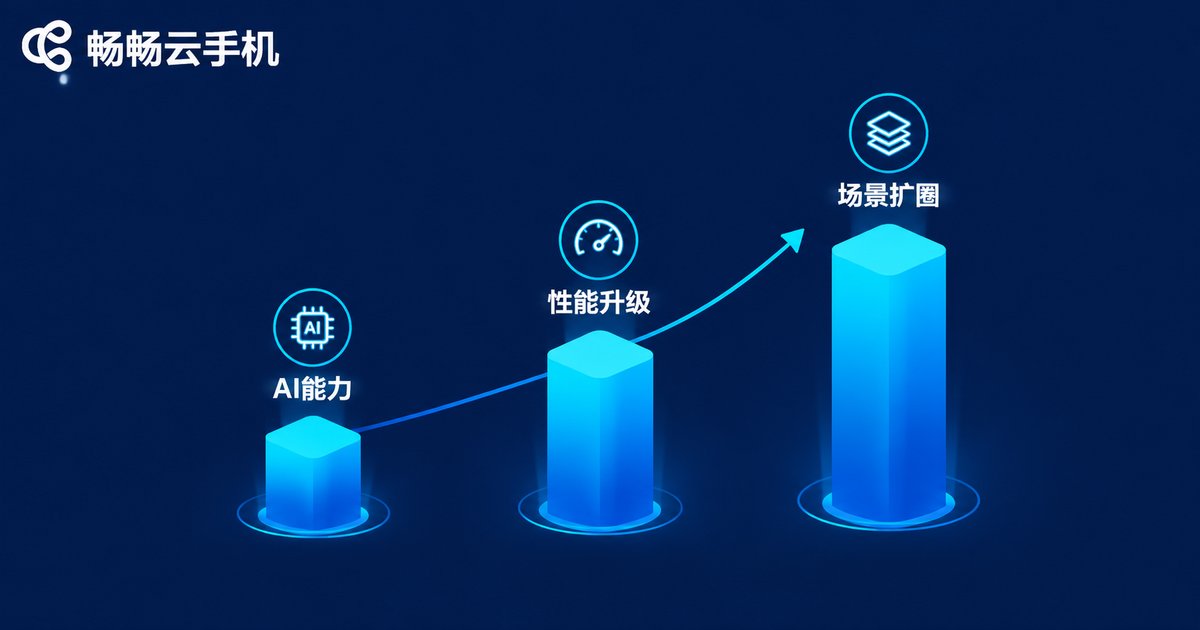
Not long ago, a cloud phone was seen mainly as a "multi-instance gaming tool." Heading into 2026, however, its positioning has fundamentally changed. The first change is that AI capabilities are becoming standard: smart hosting and automated tasks are now mainstream features. Users no longer just want to "move a phone into the cloud" — they want that cloud phone to work on its own.
The second change is an overall leap in performance and visual quality. With advances in virtualization technology and falling computing costs, mainstream cloud phones now deliver smoothness, resolution, and frame rates a full level higher, and mid-tier plans can feel like yesterday's premium experience.
The third change is the rapid expansion of use cases. Beyond multi-instance gaming, short-video operations, social media account management, app testing, and cross-border business now take a much larger share. The cloud phone is turning from a gamer's tool into a productivity device for creators and small teams.
What Rankings Really Measure: What Users Care About
Many people only look at the rank itself, but the criteria behind a ranking are far more valuable than the rank. In 2026, reviews and reputation lists clearly weight these dimensions:
| Dimension | What Users Check | Trend |
|---|---|---|
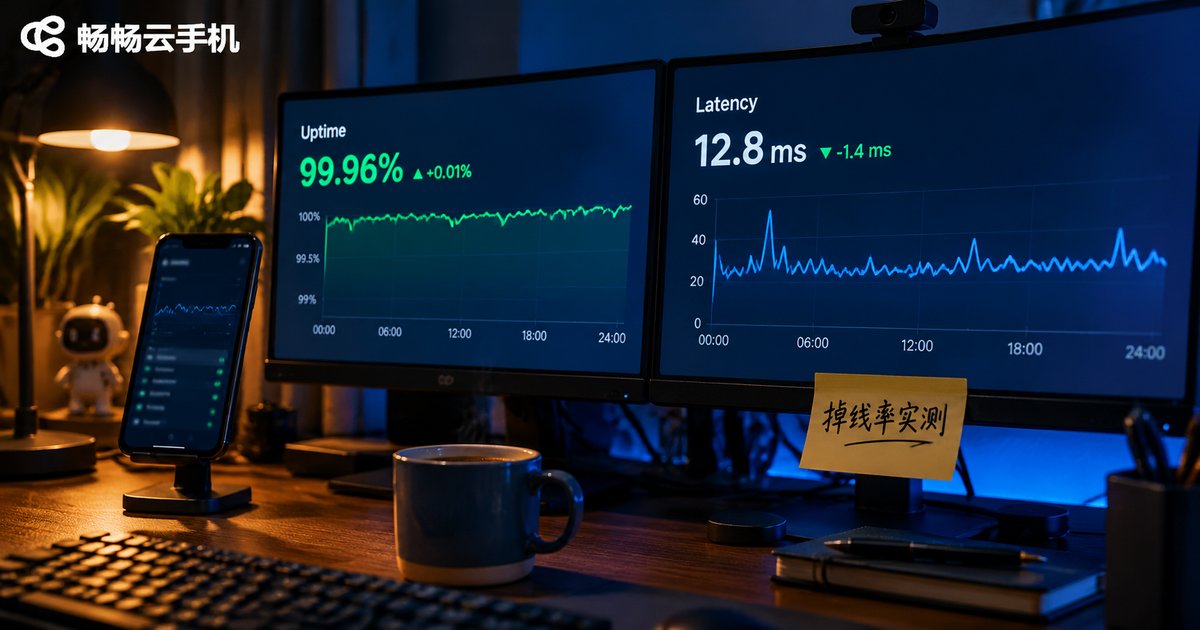
| Stability | Disconnections and lag in long sessions | Weight keeps rising |
| Smoothness | Input latency and frame rate | Gap with real phones keeps shrinking |
| Multi-instance | How many instances run at once, and their independence | From "can run many" to "many, smoothly" |
| Price transparency | Clear plans, no hidden fees | Users are increasingly sensitive to tricks |
| After-sales service | Response speed and resolution rate | The decisive factor in word of mouth |
In other words, the 2026 rankings read more like a user-experience report card than a spec sheet. When specs are close, the brand with better service and a more worry-free experience pulls ahead in reputation.
User Reputation Trends: From "Usable" to "Great" to "Indispensable"
Looking at user discussions over the past year, the standard for a good cloud phone has evolved in three stages: early on, "can I use it?" — price was everything; then, "is it good to use?" — smoothness and stability mattered most; now, "can I live without it?" — ecosystem and long-term experience decide loyalty.
Specifically, the most common complaints are peak-hour lag, instances interfering with each other, confusing plan rules, and slow support. The most common praise keywords are: stable, power-saving, easy group control, and seamless device switching. This reputation divide is accelerating market reshuffling — a brand that fails on experience cannot keep users, no matter how low its price goes.
Four Practical Tips for Choosing a Cloud Phone in 2026
With so many lists and ads, ordinary users can avoid most pitfalls by focusing on four core actions:
First, define your main scenario. Multi-instance gaming cares about frame rate and instance independence; social media operations care about group control and automation; app testing cares about device variety — different scenarios, different priorities.
Second, try before you decide. Running your everyday apps on a cloud phone for a few real days beats reading ten reviews.
Third, calculate the long-term cost. Don't judge by the first month alone — include renewal rules, instance counts, and various limits to find the true cost.
Fourth, check after-sales reputation. Whether you can quickly reach a real person and get problems solved often determines long-term happiness.
Why More Users Are Choosing ccloudphone
In 2026 reputation discussions, ccloudphone (ChangChang Cloud Phone) is a name that comes up more and more often — precisely because it hits the reputation points above:
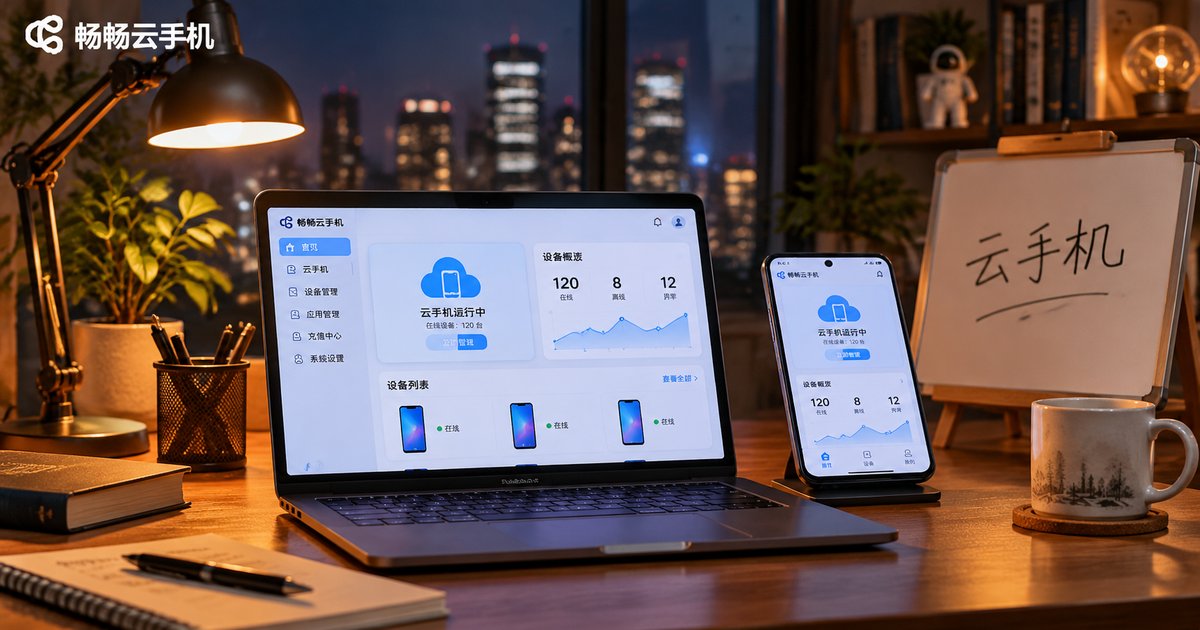
First, it runs stably and smoothly: daily AFK tasks and multi-instance gaming both feel close to a real phone. Second, multi-instance management is worry-free: each cloud phone stays independent, ideal for users running multiple accounts. Third, the learning curve is low: the interface is clean and simple, so beginners get started fast. Fourth, it works across devices: sign in from a PC or a phone and your cloud devices follow your account, with data staying in sync when you switch.
If you are choosing a reliable "phone in the cloud" for 2026, visit the official ccloudphone website to learn more, sign up, and test it with your real scenario for a few days — let your own experience verify the reputation.
FAQ
Q: Are 2026 cloud phone rankings trustworthy?
Use them as a first filter, but check whether the evaluation dimensions match your own scenario, and confirm with a hands-on trial before committing.
Q: Who is a cloud phone for?
Multi-instance gamers, social media operators, app testers, and anyone who needs a device online around the clock without draining their local phone's battery.
Q: Which devices can run ccloudphone?
ccloudphone works on common devices such as PCs and phones. Your cloud devices and data are tied to your account, so switching devices is seamless.
Q: Will a cloud phone lag?
Lag mainly depends on the provider's server quality and your network. Choose a brand known for stability with plenty of nodes, keep your local network healthy, and daily use can feel close to a real phone.
Q: I'm a beginner — how should I start?
Define your main use case first, then sign up on the official ccloudphone website and run your real scenario for a few days. Commit long-term only after stability and smoothness meet your expectations.