
Cloud Phone Benchmarks vs Real-World Testing: Which Matters More and What Metrics to Look For
Does a High Score Really Mean a Great Experience? What Cloud Phone Benchmarks Actually Measure
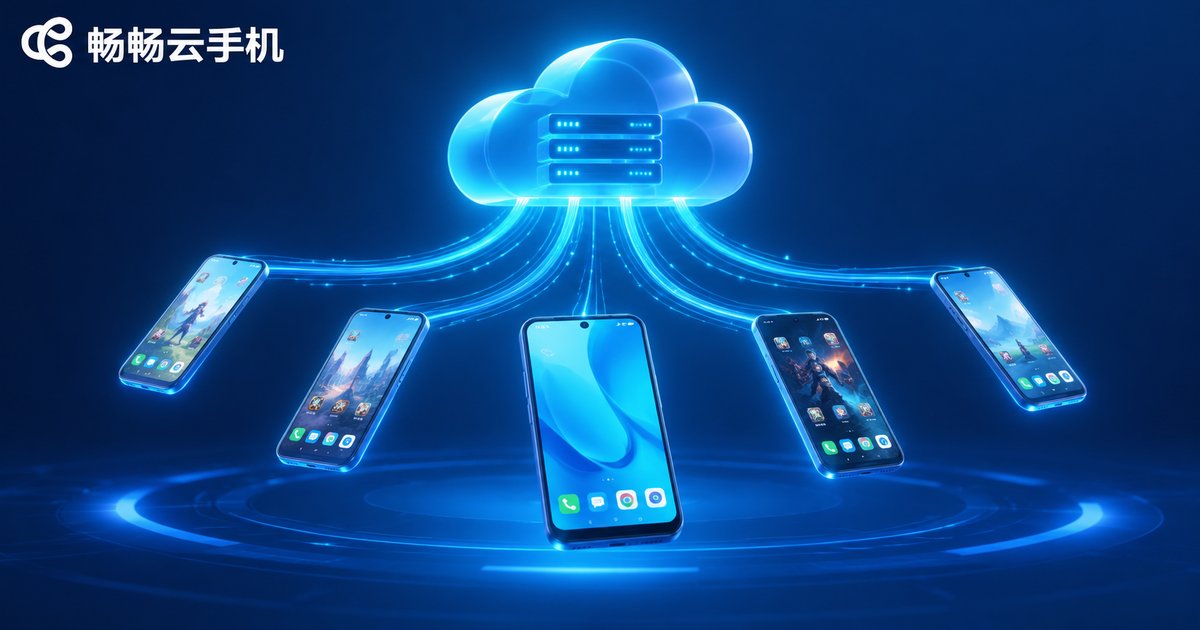
When choosing a cloud phone for the first time, many people instinctively look at benchmark scores first: how many points on AnTuTu, how high the CPU and GPU scores are — as if a higher number always means better value. But cloud phones are fundamentally different from physical phones: the screen you see is actually running on a server in a data center and streamed to your device over the network.
In other words, benchmarks only measure the theoretical hardware performance of that 'virtual phone' in the server room. They cannot capture the other half of what shapes your experience: network transmission speed, video encoding quality, and server load — exactly the factors that decide whether a cloud phone feels good to use. On top of that, some products are specifically tuned to score well on benchmark apps, so an impressive number doesn't always translate into real-world smoothness.
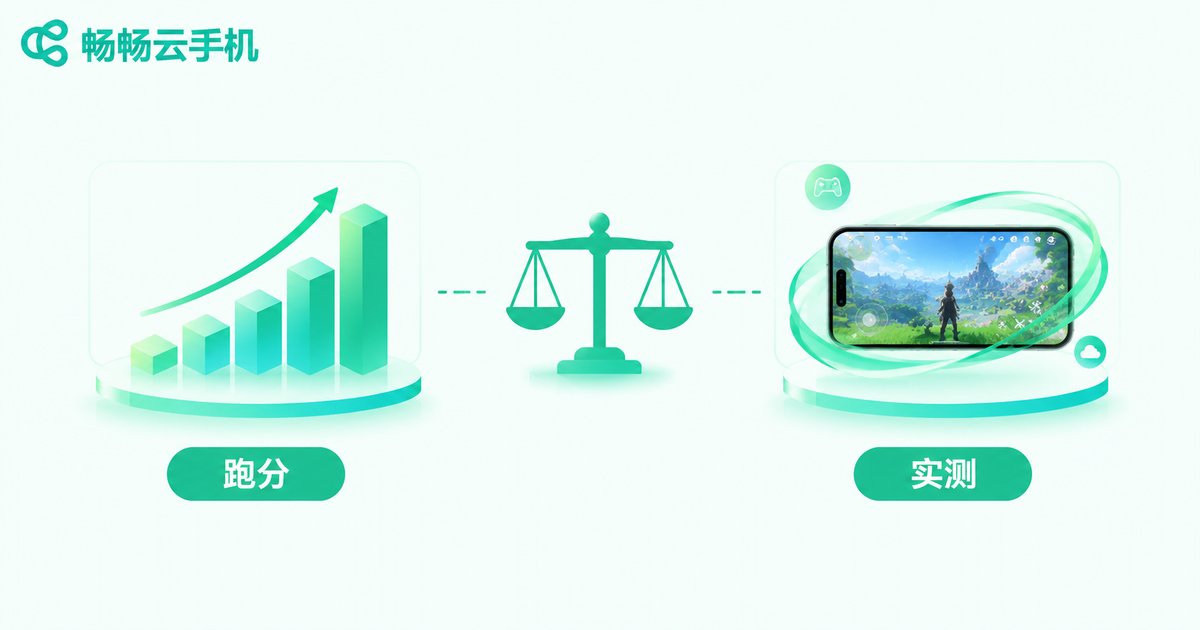
Real-World Testing Is the Only True Standard
Benchmarks are 'paper work'; hands-on testing is the real deal. Whether a cloud phone is actually good can only be found out by running it in your own daily scenarios:
Installs and runs properly: Can your everyday apps be installed, log in, and keep running without crashing?
Plays smoothly: Is the game frame rate stable? Any frame drops or disconnects during 30+ minutes of continuous play?
Stays online: During multi-instance idle running, does it randomly disconnect or get its background processes cleared?
Looks and feels right: Is the image sharp? Is there noticeable lag between your taps and the screen?
The table below sums up the difference:
| Aspect | Benchmark | Real-World Test |
|---|---|---|
| What it reflects | Theoretical server hardware performance | Actual user experience |
| Network impact | Barely shows up | Directly decides smoothness |
| Room for tuning | Scores can be gamed | Hard to fake |
| Best used for | Initial screening | Final decision |
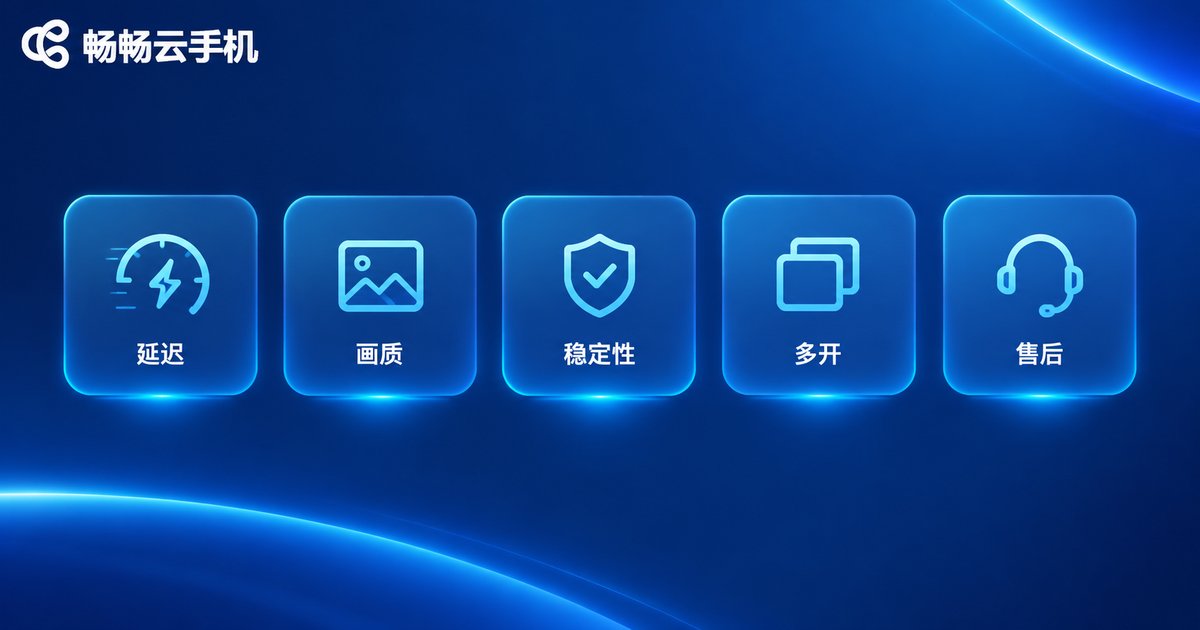
The 5 Metrics That Really Matter When Choosing a Cloud Phone
Instead of obsessing over benchmark numbers, focus on the metrics that genuinely shape your experience:
1. Latency and network quality: Whether controls feel responsive is the first threshold of the cloud phone experience — high latency makes games and apps feel 'floaty';
2. Image quality: Resolution and bitrate determine whether the picture is crisp or a blurry mess, a difference you will notice clearly over long sessions;
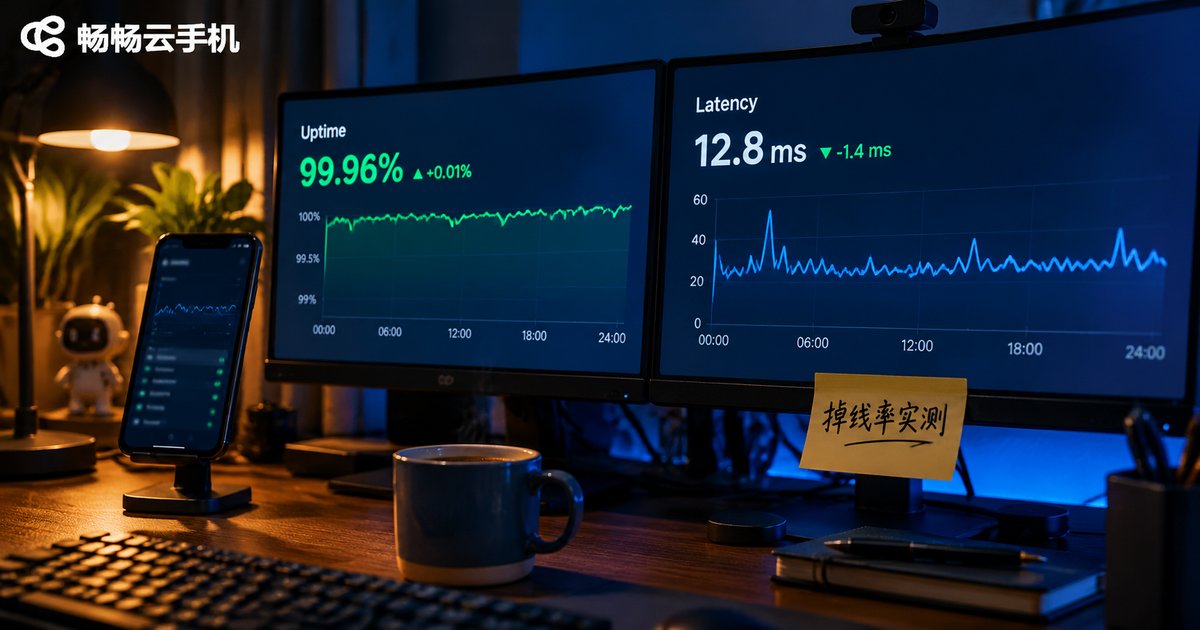
3. Stability: Low disconnect rates and reliable long-term idle running decide whether you can trust it with important tasks;
4. Multi-instance and batch management: If you run multiple instances, check how many can run stably at once and how convenient batch controls are;
5. Pricing and support: Flexible plans, transparent billing, and fast customer service determine how worry-free it is in the long run.
So How Should You Use Benchmarks and Real Tests Together?
The two aren't opposites. The right approach: use benchmarks for initial screening, and real-world testing for the final call. Benchmarks quickly weed out products with obviously weak hardware, but whether you should actually pay must be decided by hands-on testing.
Here is a practical method: after shortlisting a few cloud phones, test them with your core scenario — for example, idling in a game you often play or running a daily app — for two or three consecutive days, covering both daytime and late-night hours, while watching disconnect rates and smoothness. A cloud phone that passes this test will hold up in daily use.
If you would rather skip the trial-and-error, take a look at ccloudphone (畅畅云手机). It delivers stable performance in long-duration idle running and multi-instance management scenarios, with sharp visuals and responsive controls, plus timely customer support — a solid choice for anyone who wants a worry-free cloud phone worth experiencing firsthand.
FAQ
Q: Does a high benchmark score guarantee a smooth cloud phone?
Not necessarily. Benchmarks only reflect theoretical hardware performance on the server side. Real smoothness also depends on network quality, video encoding, and server load, so always combine scores with hands-on testing.
Q: What should I focus on during a real-world test?
Test your own core scenarios: whether your daily apps install and run properly, whether game frame rates stay stable, whether long idle sessions disconnect, and whether the image is sharp and controls feel responsive.
Q: What kind of network does a cloud phone need?
Cloud phone video is streamed over the network in real time, so a more stable connection with lower latency means a better experience. Use it on a reliable Wi-Fi connection, and test at different times of day before deciding.
Q: For gaming, which specs matter most on a cloud phone?
Focus on frame rate stability, input latency, and image clarity — not benchmark numbers. Ideally, test the exact game you want to play for 30+ minutes straight and watch for frame drops or disconnects.
Q: Who is ccloudphone (畅畅云手机) suitable for?
It suits users who need long-duration idle running, multi-instance device management, or cloud gaming. Try it with your own everyday scenarios first, and decide after feeling its stability and smoothness for yourself.