
Cloud Phone Anti-Association Guide: How E-commerce Sellers Safely Operate 100 Stores with Independent IP Matrix
Why Your Multi-Store Setup Keeps Getting Flagged
If you run an e-commerce business, you know that multi-store operations are the core strategy for scaling revenue. But many sellers discover that once they expand from 3 stores to 10, 50, or even 100, the platform suddenly issues an association warning. At best you get throttled; at worst, all your accounts get banned overnight and months of hard work vanish.
The root cause is always the same: all your stores share the same network environment. Same IP, same phone, same device fingerprint — in the platform's risk-control system, your 100 stores look like 100 aliases of one person.
How Exactly Does the Platform Detect Association?
Many sellers think simply changing the IP solves everything. In reality, platform association detection is far more complex. It cross-references at least the following dimensions:
| Detection Dimension | Specific Details | Risk Level |
|---|---|---|
| IP Address | Multiple stores logging in from the same IP or IP range | High |
| Device Fingerprint | IMEI, MAC address, screen resolution, system parameters | High |
| Login Behavior | Identical operation patterns, same login time windows | Medium |
| Shipping Addresses | Multiple stores using the same logistics information | Medium |
| Payment Accounts | Same bank card or payment account linked to multiple stores | High |
The critical insight: IP is only one link in the association chain. If you change the IP but still operate from the same physical phone, the device fingerprint will still expose you. That is why simply rotating IPs is never enough — you need complete isolation from network to device.
Independent IP Matrix: What True Isolation Looks Like
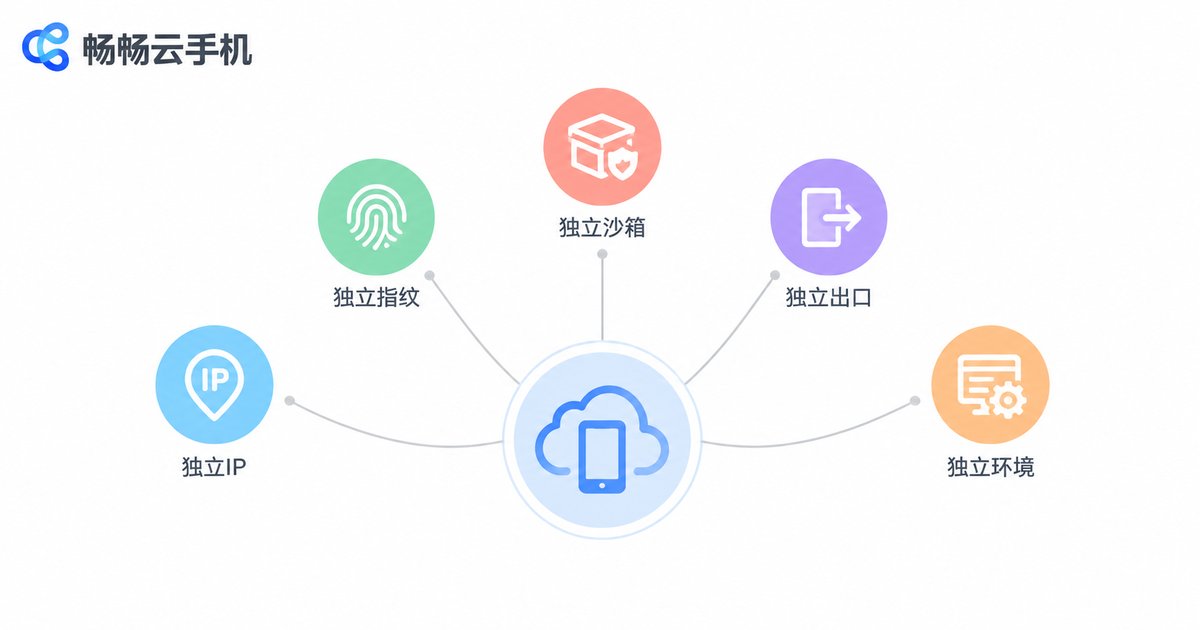
An independent IP matrix is not just about assigning a different IP to each store. It is about building an architecture where every store has a fully independent environment. Specifically, each store instance must have:
1. Independent IP Address: Each store uses a different outbound IP, with IP ranges spread across different segments to avoid being identified as the same data center.
2. Independent Device Environment: Each store has its own device fingerprint, including IMEI, MAC address, screen parameters, and OS version, with no overlap between instances.
3. Independent Runtime Sandbox: Each store runs in a fully isolated virtual environment. Memory, storage, and app data are completely separated, so one store's operations never affect another.
4. Independent Network Egress: Different stores route their network requests through different egress nodes, severing the association path at the network layer.
All four layers are essential. Having different IPs but identical device fingerprints, or different devices but IPs concentrated in the same subnet, defeats the entire purpose.
How Cloud Phones Help You Build a 100-Store IP Matrix
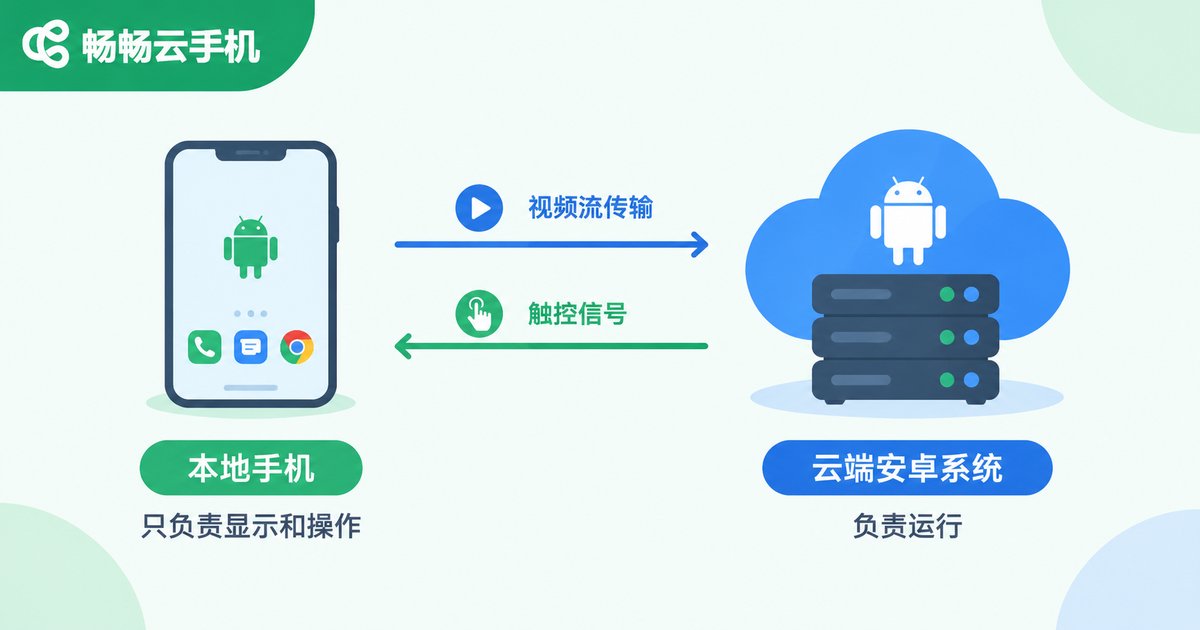
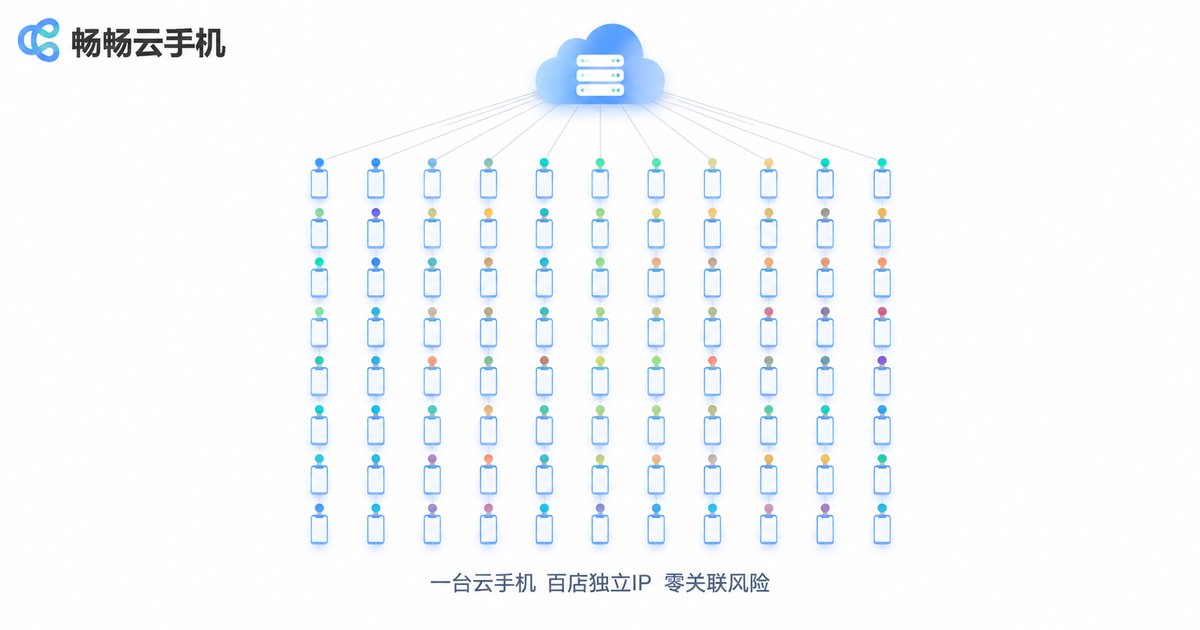
The traditional approach requires 100 physical phones, 100 broadband lines, and 100 IPs from different regions. The cost and maintenance burden are enormous. Cloud phones, by contrast, are architecturally ideal for this — each cloud phone instance is essentially an independent virtual device with its own device fingerprint and dedicated network channel.
Take CCloudPhone (ccloudphone) as an example. Its core capabilities map directly to every requirement of an independent IP matrix:
Device-Level Isolation: Every cloud phone instance has independent device parameters, including its own IMEI, MAC address, and screen resolution configuration. Instances are completely unidentifiable as related.
Independent Network Channels: Each instance uses a dedicated network egress with a unique IP address, achieving isolation at the underlying network architecture level.
Centralized Management: While each store environment is fully independent, you can monitor and operate all store instances from a single management panel — no need to have 100 physical phones on your desk.
Elastic Scaling: Expanding from 3 stores to 100 does not require redeploying hardware. Simply add more cloud phone instances as needed, and the IP matrix scales in sync.

Practical Checklist for Safe 100-Store Operations
Having the right tools is not enough — operational habits are what keep you safe long-term. Here is a practical checklist for running 100 stores:
Stagger Login Schedules: Do not log into all stores within the same minute. Assign different login time windows to each store to simulate the behavior of real, separate operators. For example, Store A logs in at 9 AM daily, Store B at 2 PM, Store C at 8 PM.
Differentiate Operation Patterns: Browsing paths, search keywords, and listing cadence should vary across stores. Avoid using identical templates for bulk listing. Even the wording and order of product titles should differ slightly.
Separate Logistics and Payments: Each store should use different shipping addresses, different logistics channels, and different payment accounts. This is a high-weight dimension in platform association detection — do not shortcut it.
Monthly IP Audits: Check all store instances' IP status once a month. Verify that IPs are stable and no drift or duplication has occurred. CCloudPhone's management panel lets you review the network status of every instance and address anomalies promptly.
Avoid Cross-Instance Operations: Never open Store B's dashboard in Store A's cloud phone instance, even just to take a quick look. Each instance should only operate its own store to keep the environment clean.
Frequently Asked Questions
Q: Is there a real difference in anti-association effectiveness between cloud phones and running multiple apps on one physical phone?
Yes, it is fundamental. Multi-app on a single physical phone still shares the same underlying hardware, so the device fingerprint cannot truly change. The platform can identify you through low-level hardware parameters. Each cloud phone instance is an independent virtual device with parameters that differ at the lowest level — that is genuine isolation.
Q: Do 100 stores need 100 different IPs?
Yes. Each store instance must correspond to a unique IP address. It is also recommended to spread IP ranges across different regions and carriers. Even if the IPs are different, a concentrated subnet pattern can still trigger association flags.
Q: Are cloud phone IPs static or dynamic?
Each CCloudPhone instance has a dedicated network channel, and the IP remains stable for the lifetime of the instance. If you need to change the IP, you can do so from the management panel without recreating the instance.
Q: If I scale from 10 to 100 stores, do I need to rebuild the IP matrix?
No. Existing store instances keep their original IPs and environments unchanged. New store instances are assigned new independent IPs. The IP matrix expands incrementally without disrupting running stores.
Q: Can one cloud phone instance log into multiple stores simultaneously?
Not recommended. One instance per store is the safest configuration. If a single instance logs into multiple stores, those stores become associated, which defeats the entire purpose of the independent IP matrix.