How to Choose the Right Android Version for Cloud Phone: Compatibility Analysis!
When creating a cloud instance, the version picker often causes hesitation: Android 7, Android 10, Android 13... Go too high and legacy apps crash; go too low and new games won't install. Some people pick at random, only to find their automation script won't run and they have to rebuild the instance from scratch.
Version selection actually follows clear logic: it's not about higher or lower — it's about fit. This article explains each version's characteristics, app compatibility, and the decision logic, so next time you'll decide in three seconds.
1. How Each Android Version Actually Performs on Cloud Phones
First, the big picture. ChangChang Cloud Phone offers Android versions roughly spanning 7 to 13, and each serves a completely different purpose:
| Android Version | Released | Role on Cloud Instances | App Compatibility | Resource Usage |
|---|---|---|---|---|
| Android 7.x | 2016 | Dedicated to legacy apps/games | Excellent for old apps; many new apps incompatible | Lowest — smoothest on the same hardware tier |
| Android 9 | 2018 | Transitional, rarely used | Medium | Low |
| Android 10 | 2019 | The all-rounder | Widest compatibility, handles old and new | Moderate |
| Android 12/13 | 2021-2022 | First choice for new games and apps | Perfect for new apps; some legacy apps crash | Higher — pair with a higher-spec instance |
A counterintuitive fact: the newest version is not automatically the best choice. On an Android 13 instance, plenty of pre-2019 games crash on launch — newer versions dropped legacy 32-bit library support and tightened the permission model.
2. Choosing by Use Case
Scenario 1: Playing mobile games from the last two years Go straight to Android 12/13. Recent games generally require Android 10 minimum, and some 3D titles already mandate Android 11+. If the version is too low, the game won't even appear in the store or will show "device not compatible."
Scenario 2: AFK farming in older or classic games Android 7 or 10 is more stable. Many long-listed games stopped receiving updates years ago and show rendering glitches or login crashes on new systems. An older-version cloud instance is one of the few environments where they still run smoothly.
Scenario 3: Social media, e-commerce, and productivity apps Choose Android 10. These apps update frequently but follow conservative compatibility strategies. Android 10 is the version their testing covers most thoroughly, so problems are least likely.
Scenario 4: Running automation scripts/frameworks Check your framework's system requirements first, then pick the version. Most automation frameworks work best on Android 7-10, while some built on newer APIs require Android 12+. Pick the wrong version and scripts fail in baffling ways.
3. Three Common Misconceptions
Misconception 1: Higher version means better performance. Quite the opposite. On the same hardware tier, Android 7 is noticeably smoother than Android 13 — newer systems run more background services and heavier animations, consuming more memory. Version choice is a compatibility decision, not a performance decision.
Misconception 2: You can switch versions anytime. Switching a cloud instance's OS version usually means resetting the instance — apps and data inside are wiped. The right approach: decide the purpose before creating the instance, or back up your data before switching.
Misconception 3: Every app should chase the newest OS. What matters is an app's minimum version requirement, not a "recommended" one. An app requiring "Android 8+" often runs more stably on Android 10 than on 13, because 10 is its primary debugging environment.
4. The Three-Minute Decision Method
Work through this checklist and the answer reveals itself:
- Check the app's official system requirements — if it says "Android 11+ required," pick 12/13 without hesitation;
- Look at the app's update cadence — still updating monthly? Choose 10 or 12. Untouched for three to five years? Choose 7 or 10;
- Consult your script/tool documentation — automation users should follow whatever version the tool requires;
- When in doubt, pick Android 10 — it's the widest-compatibility "safe card" and right for about 80% of scenarios.
5. Measured Smoothness Across Versions on Identical Hardware
We ran comparison tests on the same tier (4-core, 4GB RAM) instances:
| Test Item | Android 7 | Android 10 | Android 13 |
|---|---|---|---|
| Cold boot to home screen | 8s | 11s | 15s |
| Background apps retained | ~12 | ~9 | ~6 |
| Everyday scrolling smoothness | Very smooth | Smooth | Occasional frame drops |
| Running mainstream new games | Mostly won't install | Partially playable | Runs perfectly |
The conclusion is plain: older versions save resources; newer versions guarantee compatibility. On a modestly-specced instance running light tasks, a lower version feels better. To play new games, accept the newer system's overhead — or upgrade the instance tier.
6. Backup Checklist Before Switching Versions
If you've picked the wrong version and need to switch, move these out first:
- Confirm game accounts are bound (phone/email/third-party) — never rely on guest login;
- Export photos and files from the instance to local storage or cloud drives;
- Note down your app list and version numbers for reinstallation;
- Export scripts and config files so they can be re-imported in one click after the reset.
FAQ
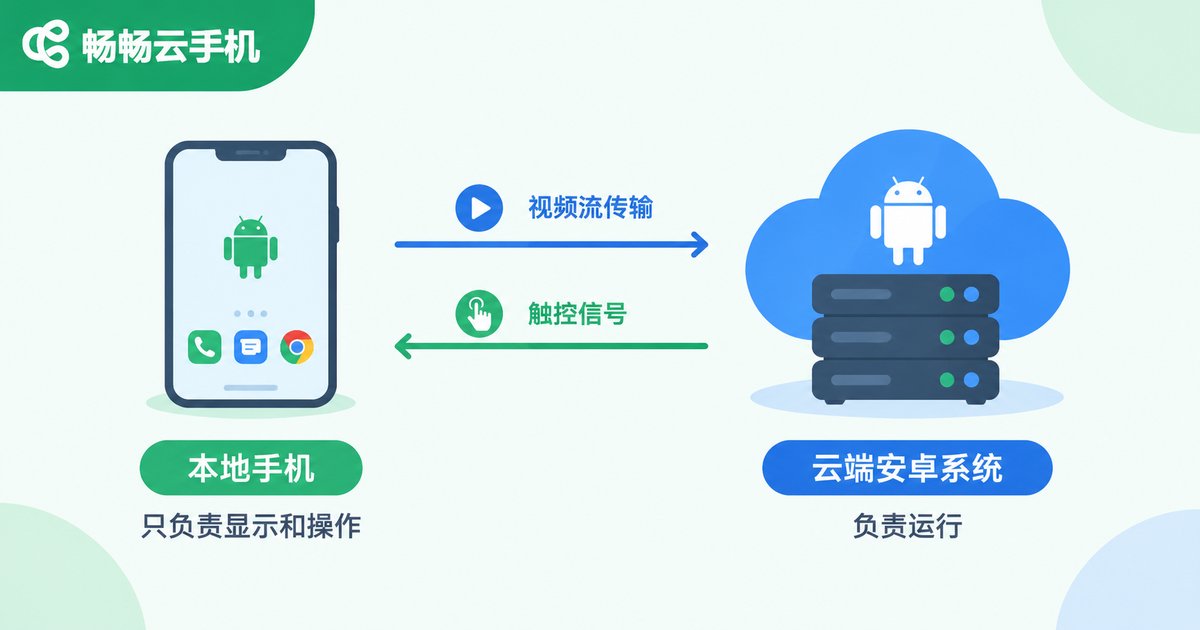
Q1: Does the cloud instance's Android version relate to my physical phone's version? Not at all. The cloud instance is an independent Android system in the cloud. Whether your own device runs iOS or Android 15 has zero impact on version selection.
Q2: A new game won't install on my Android 10 instance. What now? That game requires a newer system version. Simply create another instance with Android 12/13 in ChangChang Cloud Phone — your old instance keeps running its apps undisturbed.
Q3: Why does the same game run smoother on a lower-version instance? Two reasons: the older system has less overhead, leaving more resources for the game; and legacy games were optimized for older systems, so there's no compatibility-layer overhead.
Q4: Do cloud instances receive security updates? ChangChang Cloud Phone maintains system images on the cloud side. Users don't need to manually patch like on a physical phone — one less thing to worry about.
Q5: Can one instance run two Android versions at once? No. One instance corresponds to one system image. If you need multiple versions in parallel, the standard practice is running several instances with different versions.
Wrapping Up
There's no mystery to Android version selection. The core principle: let the system version serve your apps, not the other way around. New apps pair with new versions, legacy apps with old versions, and when unsure, Android 10 is your fallback. Next time you create an instance on ChangChang Cloud Phone, hopefully you'll spend no more than three seconds on the version field.