Do Cloud Phones Only Run Android? The Current State of iOS Cloud Phone Support
The Short Answer: Mainstream Cloud Phones Are Almost All Android
If you have ever looked into cloud phones, you will notice that nearly every product — whether for AFK gaming, running multiple app instances, or device farm management — runs Android. A true iOS cloud phone, meaning a virtualized iPhone in the cloud that can install apps from the App Store, is still extremely rare and mostly reserved for enterprise testing scenarios that ordinary users never touch.
So the accurate statement is: cloud phones are not limited to Android by definition, but virtually all consumer-grade cloud phones today are Android. Let's break down why, and what the real state of iOS cloud phone support looks like.
Why Are Cloud Phones Mostly Android? Three Fundamental Reasons
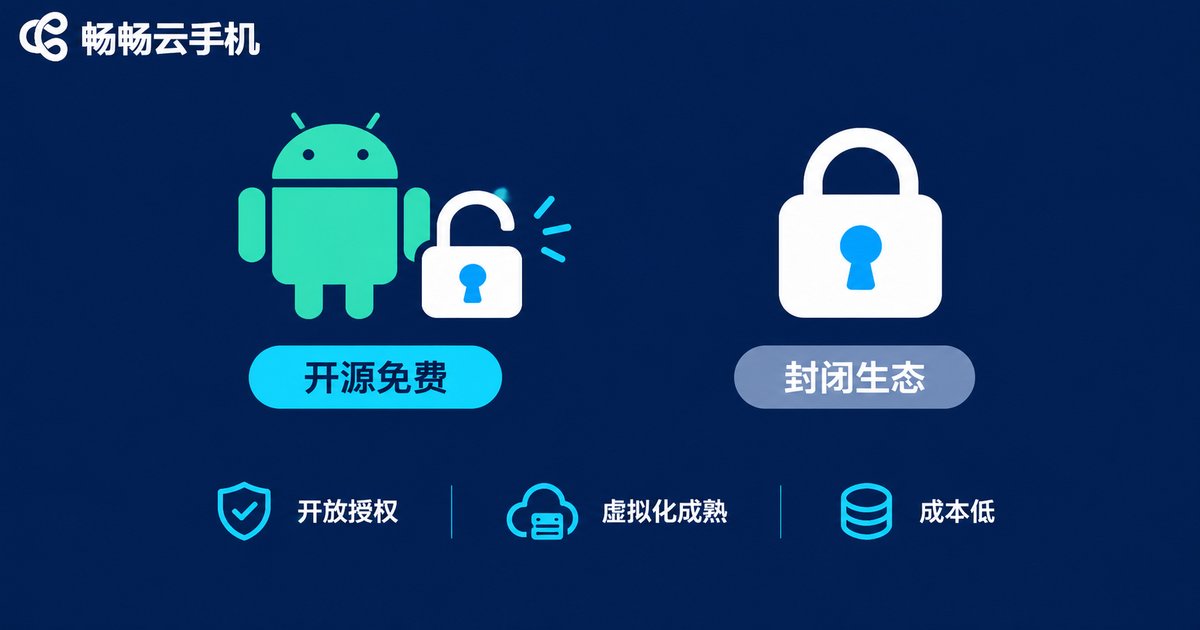
1. Android is an open system
Android is based on the open-source AOSP project, which any vendor can freely obtain, modify, and deploy. This allows cloud phone providers to spin up hundreds or even thousands of Android instances on servers with virtually no licensing barriers.
2. Mature, low-cost virtualization
Android natively supports the ARM architecture, matching the ARM chips commonly used in cloud servers. A single physical server can run dozens of Android instances simultaneously, keeping the cost per instance very low.
3. iOS is a closed ecosystem
Apple licenses its operating system only for its own hardware, and its terms explicitly restrict virtualization. Running iOS in the cloud requires real Mac hardware, such as Mac mini clusters, costing several times or even dozens of times more than Android solutions — the core reason iOS cloud phones have never taken off.
The Current State of iOS Cloud Phones: They Exist, but Are Far From Everyday Users
Strictly speaking, iOS real-device cloud services do exist, but they are not the same thing as the iOS cloud phone most people imagine:
| Aspect | Android Cloud Phone | iOS Real-Device Cloud |
|---|---|---|
| Underlying tech | Virtualized Android on servers | Real devices or VMs on Mac hardware |
| Main use | AFK gaming, multi-instance, device farms | App compatibility and automation testing |
| Target users | Consumers, gaming studios | Developers, QA teams |
| Cost | Low, monthly plans | High, often billed hourly |
| Ease of use | Open a browser and go | Requires technical background |
As the table shows, iOS real-device clouds are essentially developer testing tools, not a cloud iPhone for gaming or AFK farming. Constrained by Apple's closed policies and high hardware costs, consumer-grade iOS cloud phones are unlikely to go mainstream anytime soon.
Key Point: iPhone Users Can Absolutely Use Cloud Phones
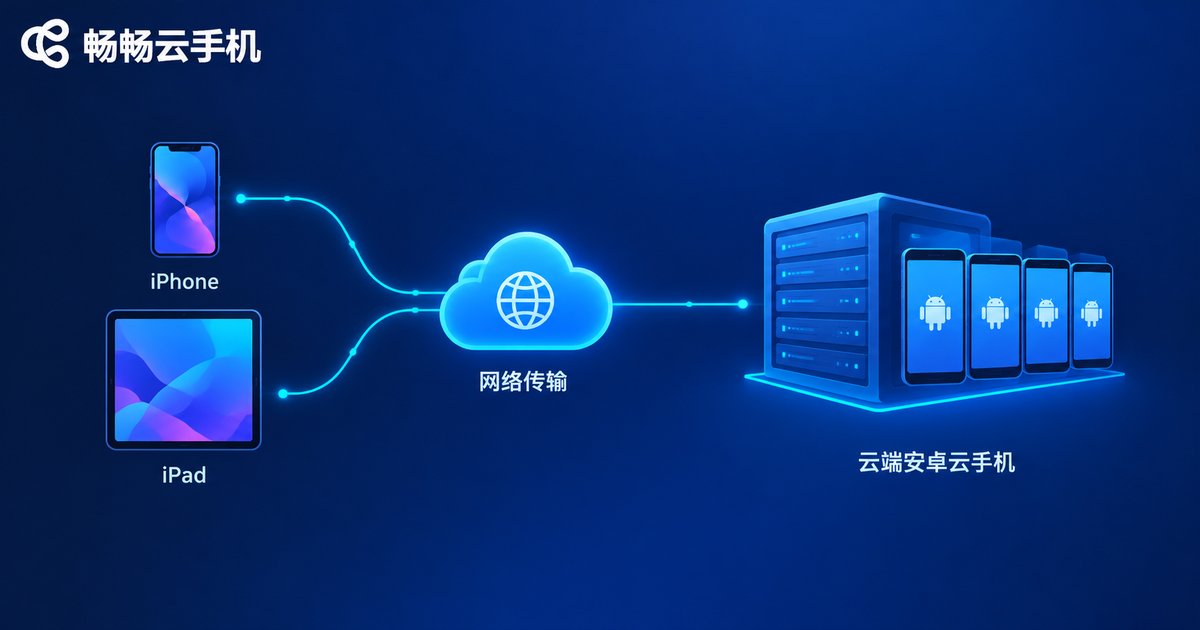
Many people mistakenly believe that without an iOS cloud phone, iPhone users cannot use cloud phones at all. This is a common misunderstanding. A cloud phone runs on cloud servers — the device in your hand is just a remote screen. In other words:
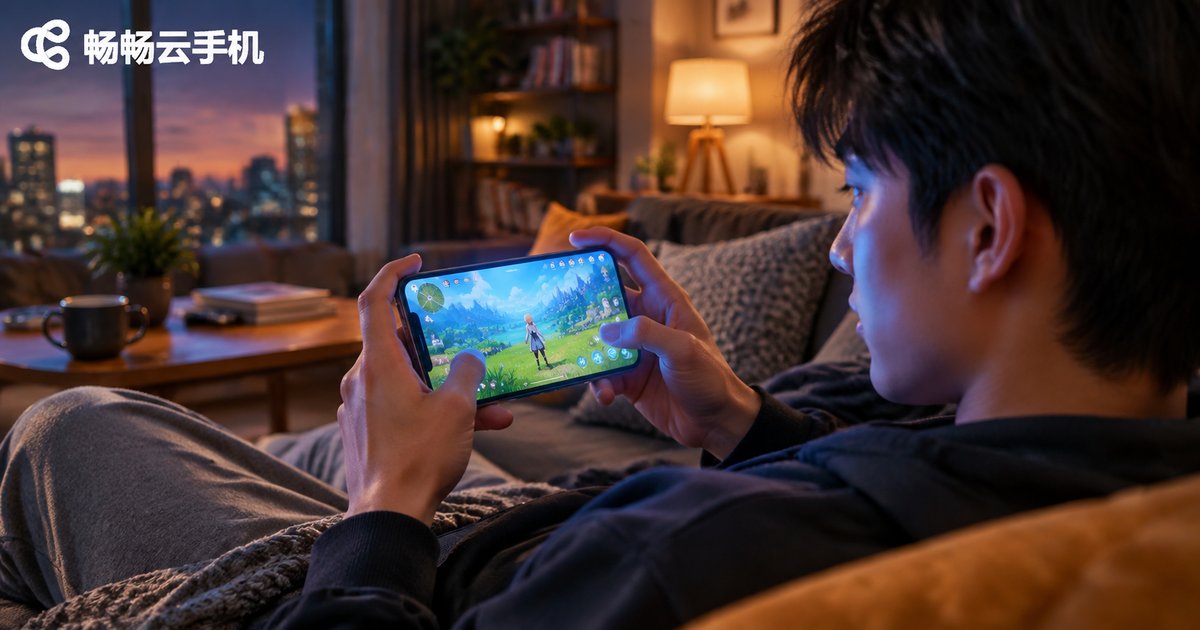
Your iPhone, iPad, or even Mac can connect over the network to an Android cloud phone in the cloud, streaming the display to you in real time while sending your taps and swipes back. What system the cloud phone runs has nothing to do with the device you hold.
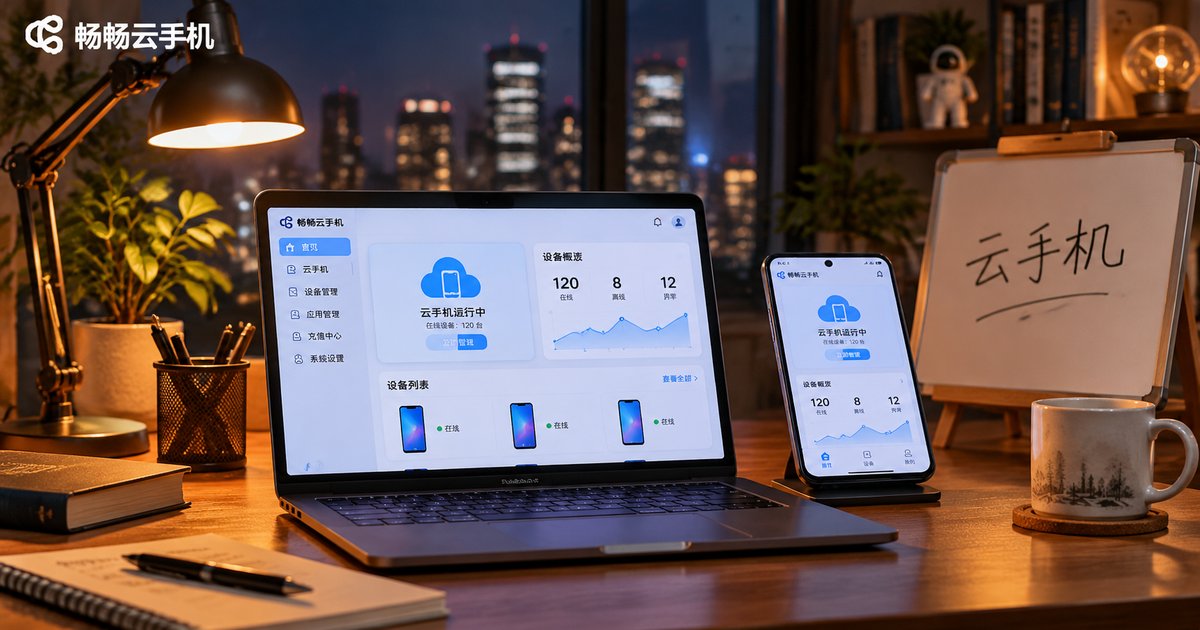
Take CC Cloud Phone (ccloudphone) as an example: it provides an Android cloud phone service that iPhone and iPad users can access smoothly. Simply log in to your account to remotely control the cloud Android system for AFK gaming, multi-instance apps, and around-the-clock hosting — no local storage used, no overheating, no battery drain. With just an iPhone, you can manage all your cloud devices wherever you go.
How to Choose? One-Line Advice for Different Users
Everyday users and gamers: if you want AFK farming, multi-opening, or app hosting, just pick an Android cloud phone. Your iPhone works perfectly fine with it — services like CC Cloud Phone let you get started right from a browser.
iOS developers: if your goal is testing iOS apps in the cloud, look at dedicated iOS real-device testing platforms instead — but that is a different product category from consumer cloud phones.
In one sentence: an Android cloud phone plus whatever device you already own (including iPhone) is the most practical and cost-effective combination today.
FAQ
Q: Can cloud phones only run Android?
Consumer-grade cloud phones today are essentially all Android, because Android is open-source and cheap to virtualize. iOS cloud solutions are rare due to Apple's licensing restrictions and mainly serve developer testing.
Q: Can I use a cloud phone on an iPhone?
Yes. The cloud phone runs in the cloud, and your iPhone is just a remote screen. Connect to an Android cloud phone via browser or client and it works normally.
Q: Will affordable iOS cloud phones appear in the future?
Not likely in the short term. Unless Apple opens up its licensing or relaxes virtualization restrictions, Mac-hardware-based solutions cannot drop to Android cloud phone price levels.
Q: Will an Android cloud phone lag on my iPhone?
It mainly depends on network quality. With a stable connection, streaming and touch response are smooth; Wi-Fi or a strong signal is recommended.