Cloud Phone + AI Digital Human Livestreaming in 2026: A Complete Breakdown of 24/7 Unmanned Live Selling
Why 2026 Is the Breakout Year for Unmanned Livestreaming
Live commerce in 2026 is a battle over airtime. A human host can sustain 4-6 hours per session at best, yet real buying power is spread across all 24 hours — late-night insomniacs, lunch-break scrollers, and midnight browsers all add up to genuine orders.
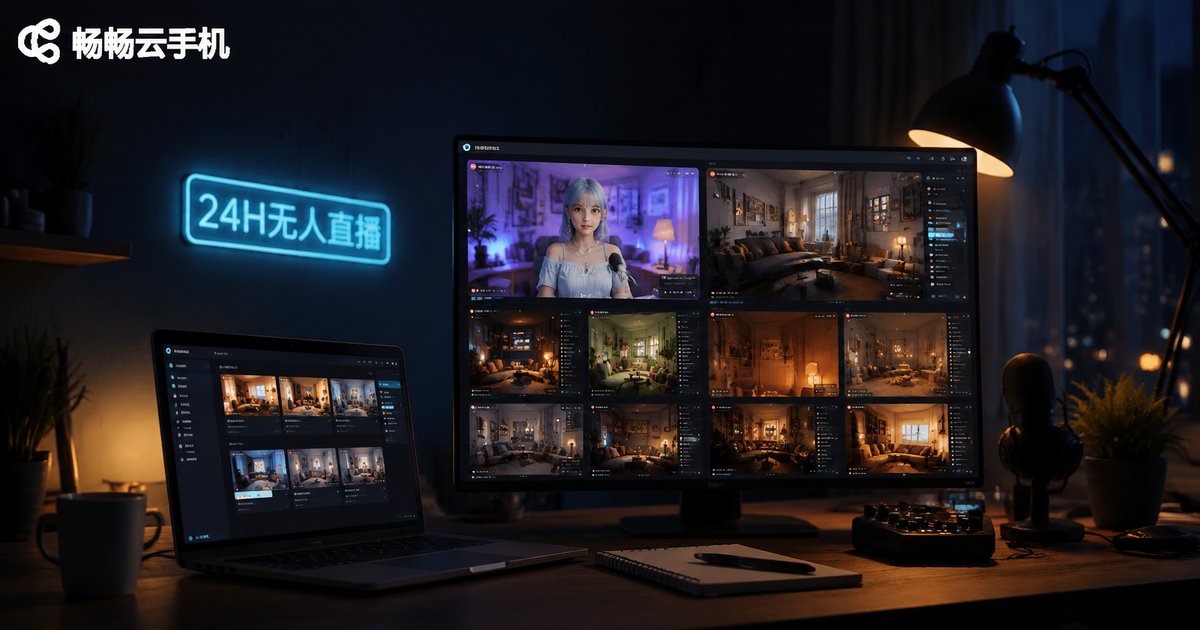
The combination of cloud phones and AI digital humans resolves exactly this conflict: the cloud phone keeps the stream online 24/7, the AI digital host delivers the pitch on camera, and you focus on product selection, scripts, and data. Running a livestream matrix as a one-person operation is no longer a novelty in 2026 — it is standard practice for many small sellers.
The Core Logic: How Does This Combination Actually Work?
Unmanned livestreaming sounds complex, but it boils down to three roles:
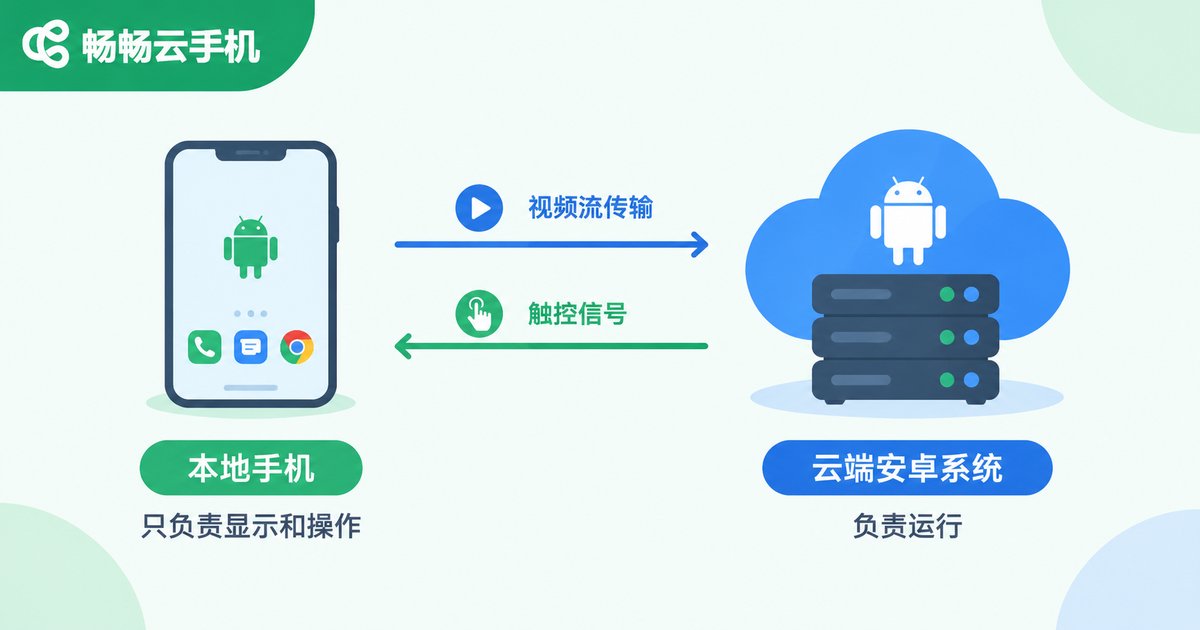
1. The cloud phone: your always-on standby device. It runs in a cloud data center, immune to power cuts, overheating, and storage limits. The livestream lives inside the cloud phone, so your local devices can be switched off without interrupting the broadcast.
2. The AI digital human: a tireless virtual host. An AI-generated avatar and voice, paired with pre-written scripts, loops through selling points and answers common questions. Look, voice, and script can all be tailored to your product category.
3. You: the remote director. Log into the management console from your own phone or computer to check live data, tweak scripts, and manage product listings at any time.
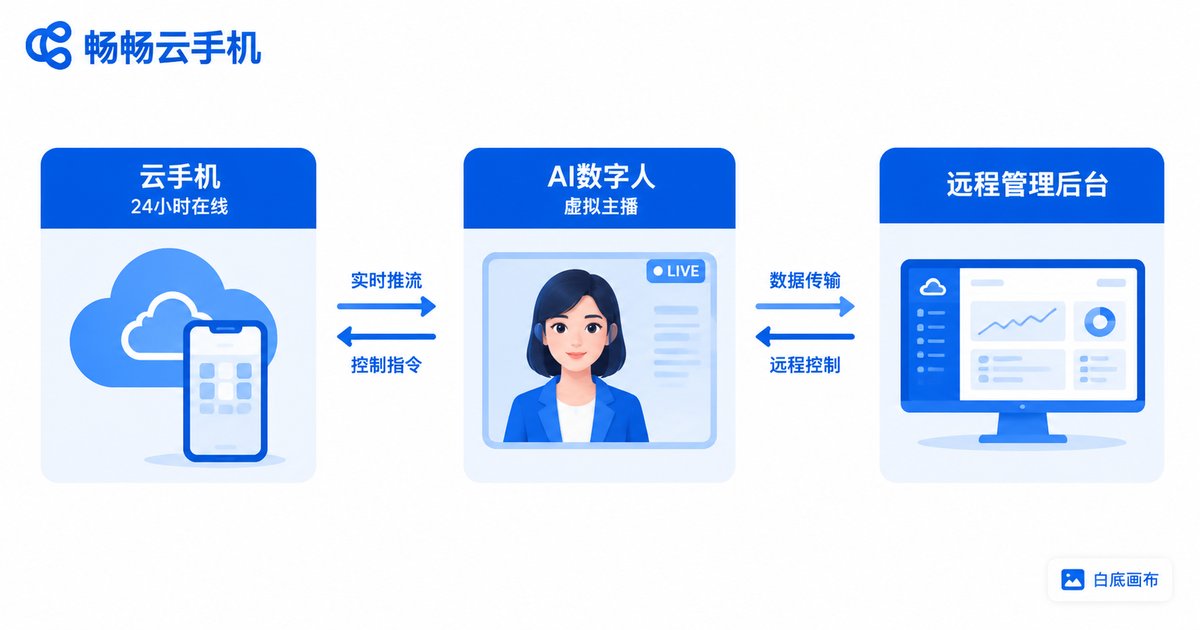
The pipeline is simple: the digital human's feed is pushed into the livestream room inside the cloud phone → the cloud phone keeps broadcasting around the clock → you monitor and optimize remotely. No on-camera appearance, and no being glued to a desk.
Why Host the Stream on a Cloud Phone Instead of a Real Phone?
Stability. A real phone streaming for a dozen hours heats up, throttles, and drops frames. Cloud phones run in data centers with reliable power and networks — built for long-duration tasks.
Matrix scaling. A single account has a low ceiling; the real game is multi-account matrices. With cloud phones, one computer manages dozens of 'phones', each account in its own isolated environment — no need to buy and charge dozens of handsets.
Cost. Dozens of physical phones mean significant purchase, charging, and maintenance costs. Cloud phones are provisioned on demand, and scaling up is a click in the console.
Flexibility. Accounts, assets, and schedules all live in the cloud. Switching computers or locations never interrupts your streams.
The Complete Playbook: Five Steps to a 24/7 Unmanned Livestream
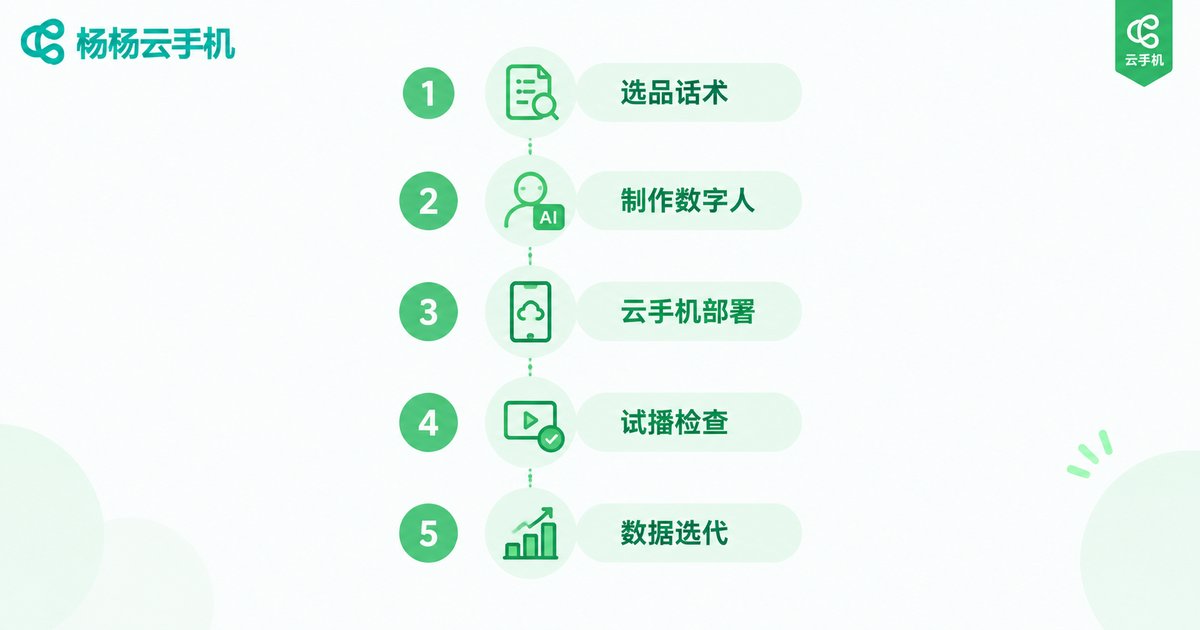
Step 1: Products and scripts. Unmanned streams suit standardized, high-repurchase categories such as daily necessities, snacks, and books. Turn selling points into conversational 30-60 second script blocks, looping with interaction prompts in between.
Step 2: Create your AI digital human. Pick an avatar that fits your category (gender, style, outfit), clone or select an AI voice, and generate the broadcast video from your scripts. Natural lip-sync and pacing are what keep viewers watching.
Step 3: Set up the cloud phone and deploy the stream. Log into your livestream platform account inside the cloud phone, complete identity verification and selling permissions, then push the digital human video into the room. For this step choose a professional provider such as ChangChang Cloud Phone (ccloudphone) — multi-instance and group management capabilities matter a lot for matrix operations.
Step 4: Test broadcast and compliance check. Run a short trial stream to verify video quality, audio sync, and product pop-ups. Make sure the room is labeled as AI-generated content per platform rules and that scripts contain no exaggerated claims.
Step 5: Monitor and iterate. Going live is not the finish line. Review data daily: which hours convert best? Which script lines hold attention? Keep the winners, replace the losers, and copy proven setups across your matrix accounts.
The Math: Human Host vs. Cloud Phone + AI Digital Human
| Factor | Human host | Cloud phone + AI digital human |
|---|---|---|
| Airtime | 4-6 hours/day | 24 hours nonstop |
| Host cost | Thousands per month | Software-generated, near-zero marginal cost |
| Equipment | Phone/camera, lights, audio gear | Cloud phone + streaming account |
| Scaling | More people, more gear, linear cost | Provision more cloud phones in console |
| Consistency | Affected by mood and energy | Stable, uniform output |
In short: human hosts win on interaction and trust — ideal for brand specials and high-ticket items. Cloud phones + AI digital humans win on airtime and scale — ideal for standardized products and multi-account coverage. They complement each other: use human streams to validate the playbook, then use unmanned streams to cover the full day.
Compliance and Pitfalls: Lines You Should Never Cross
Unmanned livestreaming is not 'set and forget'. Platform rules are mature in 2026, so keep these in mind:
1. Label AI-generated content. Declare that the host is AI-generated as required; never pass a digital human off as a real person.
2. Keep scripts compliant. Avoid absolute claims like 'the best' or 'guaranteed results'; be extra careful with food and health products.
3. Use licensed assets. Avatars, background music, and product images must be properly licensed. Do not rip other creators' stream footage.
4. Use legitimate tools. Stream through official, reputable services. Cracked or unknown tools can put your accounts at risk.
5. Stay in the loop. Inspect each room at least once a day and handle comments and after-sales issues promptly. Rooms left fully unattended are eventually flagged as low quality.
Why We Recommend ChangChang Cloud Phone
Your cloud phone provider largely determines stability. We recommend ChangChang Cloud Phone (ccloudphone) for practical reasons:
7×24 stable uptime with data-center-grade power and network, so midnight drop-offs are not a concern; multi-instance and group management to run your account matrix from one console; isolated environments that keep accounts separate; and a low learning curve — log in via web or app and start working, no hardware tinkering required.
For solo sellers, the safest path is to start with one or two cloud phones on ChangChang Cloud Phone, validate your products and scripts, then scale up gradually. For features and plans, refer to the official ChangChang Cloud Phone website (ccloudphone).
FAQ
Q: Will AI digital human streams get throttled by platforms?
Not if you follow the rules: label AI-generated content, keep scripts compliant, and use original assets. Rooms that get penalized are usually the ones stealing footage, making exaggerated claims, or running fully unattended — not digital humans per se.
Q: How many livestream rooms can one cloud phone run?
Generally one room per cloud phone for stable streaming. For a matrix, provision multiple cloud phones, each running its own account independently.
Q: Does my own phone need to stay on?
No. The stream runs on the cloud phone. Your local devices can be off or offline; log into the console whenever you want to check data.
Q: How fast can a beginner get this running?
Done smoothly, you can finish product selection, avatar creation, and a trial stream within a week, and have your first stable, order-generating room within two to four weeks. After that, it is about replication and scale.
Q: I have no on-camera experience. Can I still do this?
That is the whole point of unmanned livestreaming — no on-camera work at all. Your focus stays on products, scripts, and data analysis, all of which you learn by doing.