
Cloud Phone Agent Partnership: Product Overview, Service Process and Support
What a cloud phone agent partnership really is
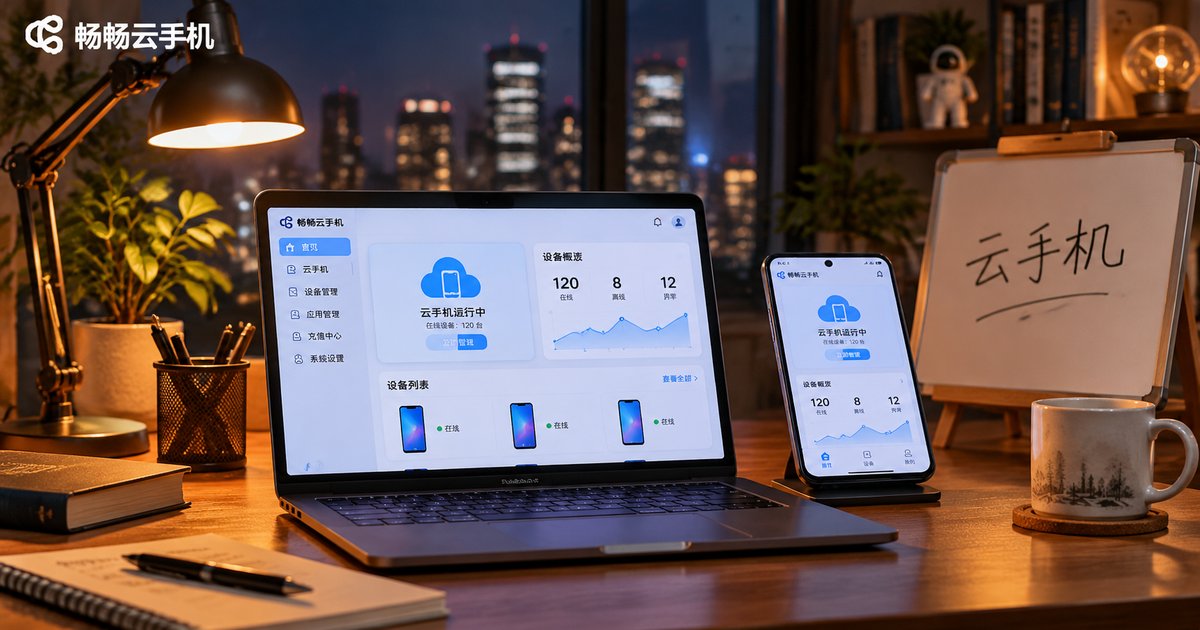
Let us start with the basics. A cloud phone is not a physical handset. It is a virtual Android device running in a data center. As long as a user has a computer, a network connection, or an ordinary mobile phone, they can remote-control that device: installing apps, running tasks, opening multiple windows, restarting, all from a browser or a client. Hardware procurement, system maintenance, power and cooling are handled by the platform.
That is exactly the service ccloudphone provides. An agent partnership means you become a sales and service partner for ccloudphone in a specific region or industry: the platform supplies the product, the account system and technical support, while you find customers, convert them and handle day-to-day relationships. Your income comes from the sales margin and the value-added services you provide.
For many people working in software, outsourced operations or B2B services, this is a way into the cloud services market without building a server room, holding inventory, or hiring a technical team.
Product overview: the cards an agent actually holds
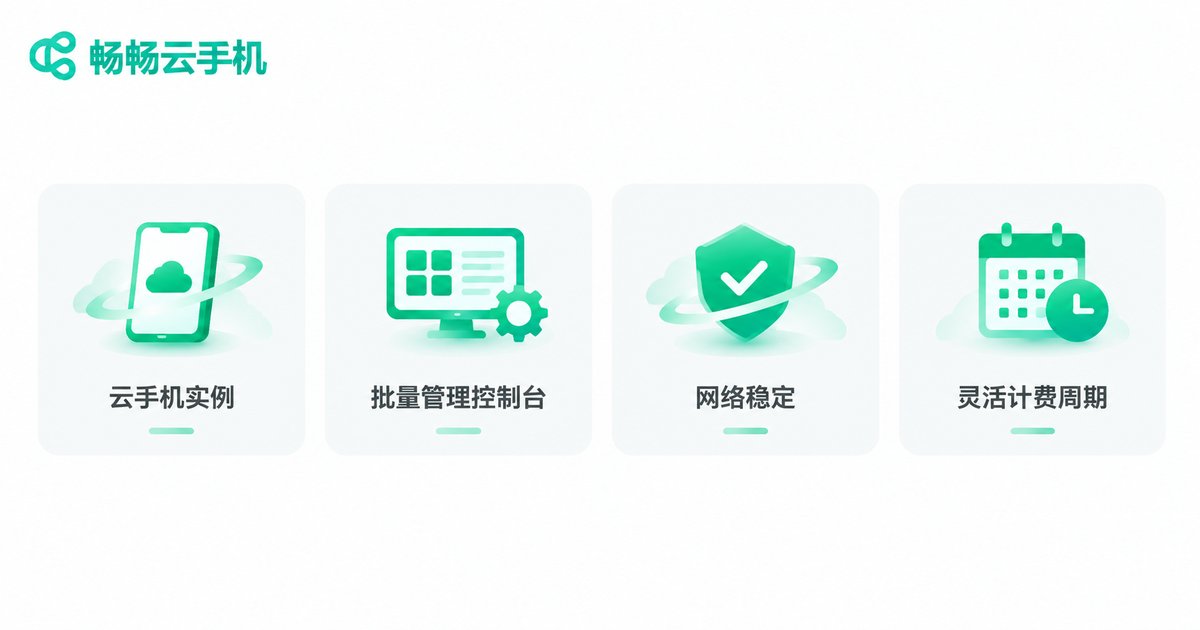
What you sell is not a single machine but a set of services that can be combined as needed. Understand these layers and conversations with customers become much easier.
Layer one is the cloud phone instance itself. Different configurations deliver different compute power. Light usage, multi-account idling and batch automation have very different requirements. The rule for sizing is simple: look at the use case first, then concurrency, then budget, rather than pushing the highest specification straight away.
Layer two is the console and batch management. Customers usually care less about how powerful one device is and more about whether they can manage dozens or hundreds of devices at once: batch booting, batch app installation, grouping, synchronized operations and status monitoring. This capability directly determines whether they renew.
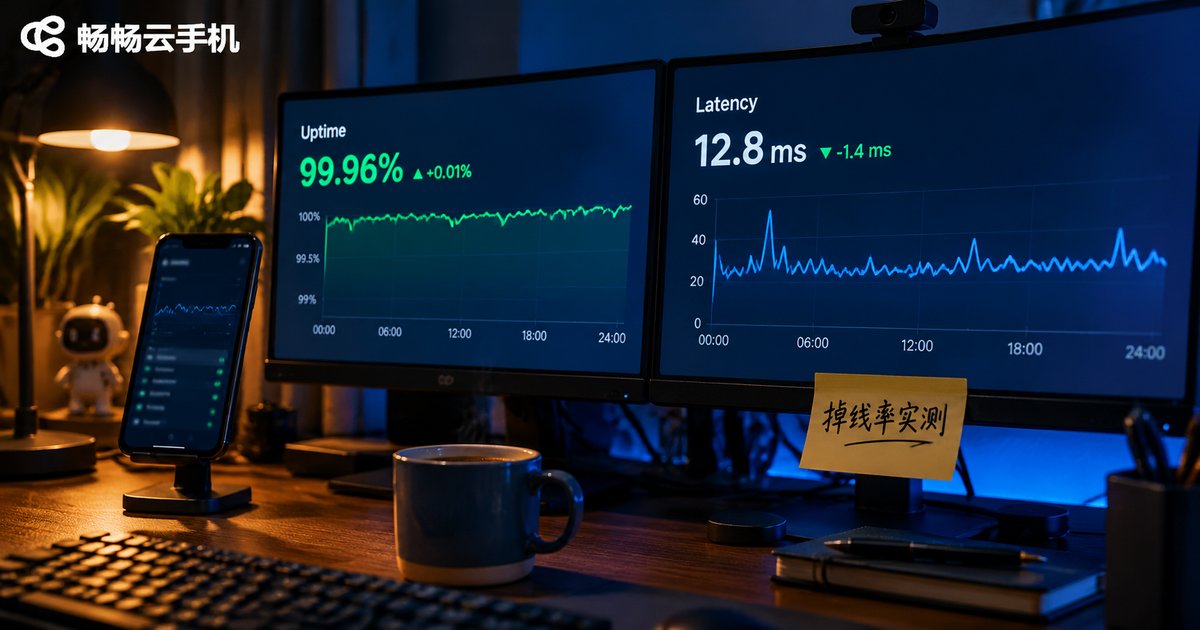
Layer three is network quality and stability. A cloud phone is an always-on service, so dropped connections, lag and failed restarts are the fastest route to complaints. If you explain stability clearly at the sales stage, after-sales becomes much lighter.
Layer four is duration and billing. Common models are monthly, quarterly and annual rental, and there are also usage-based arrangements. Specific specifications, pricing and partnership policies follow what ccloudphone publishes through official channels and what both parties sign. Never add promises on the spot.
Who is a good fit for a cloud phone agency
Not everyone is. These types of partners are naturally close to customers:
| Role | Natural advantage | What to watch |
|---|---|---|
| Software and tool vendors | Already serve customers who need multi-account and automation capability | Be clear about compatibility with your own tools |
| Operations agencies and studios | You are a heavy user yourself and understand the pain points | Avoid selling only inside your own circle |
| Enterprise IT and system integrators | Can work through corporate procurement processes | Prepare clear notes on compliance and data security |
| Gaming, live streaming and e-commerce operators | Clear scenarios and direct demand | Keep promises realistic and avoid exaggeration |
What they share is this: you already have a channel that reaches target customers. The partnership covers product and delivery; customer acquisition is still up to you.
Service process: from first inquiry to steady repeat business
The formal process is not complicated, but every step should be documented to avoid disputes later.
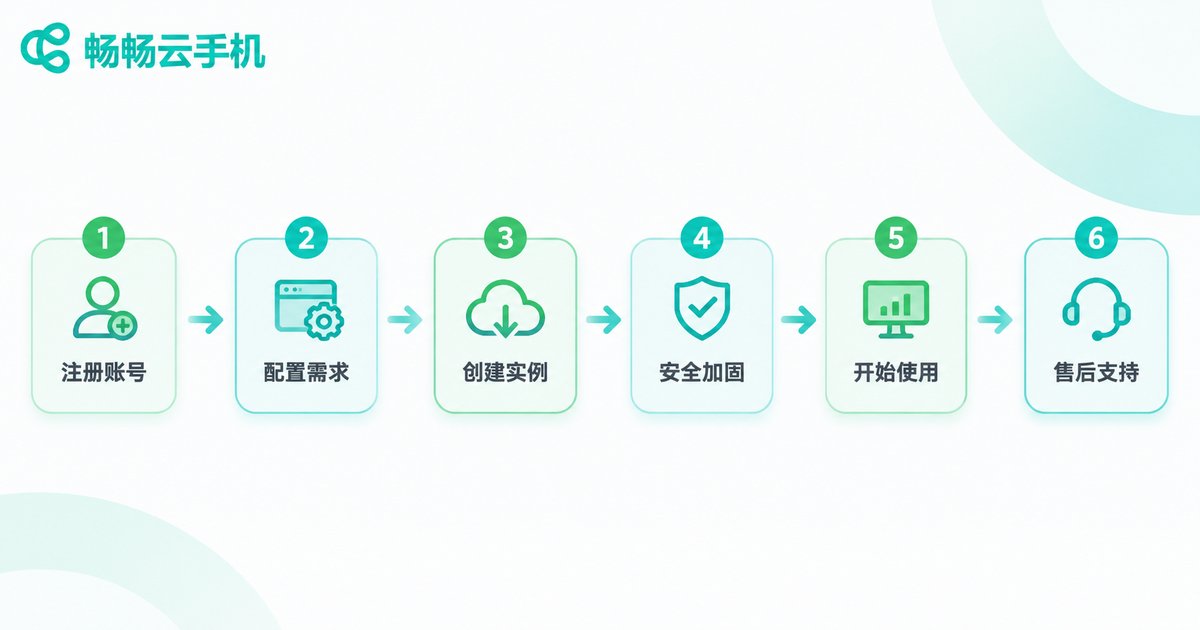
Step one: inquiry and registration. Submit your partnership interest through official channels and explain your region, customer type and approximate volume. The more specific the information, the better the fit of the proposal.
Step two: requirement confirmation and solution discussion. Both sides agree on the target customer group, the main configurations to promote, the service boundaries and what local support you can offer.
Step three: agent status and back-office account. Once approved, your agent back office is opened, where you can view product information, place orders, check order status and review reconciliation data.
Step four: customer order and instance delivery. After the customer confirms a configuration and places an order, instances are usually provisioned immediately through the back office. You deliver the account, login details and usage instructions to the customer.
Step five: onboarding support. The first week or two is when churn is highest. Helping customers get the device working and teaching the common operations makes a visible difference to renewal rates.
Step six: long-term operations and repeat purchase. Follow up regularly, handle tickets, and proactively suggest upgrades when a customer's business grows.
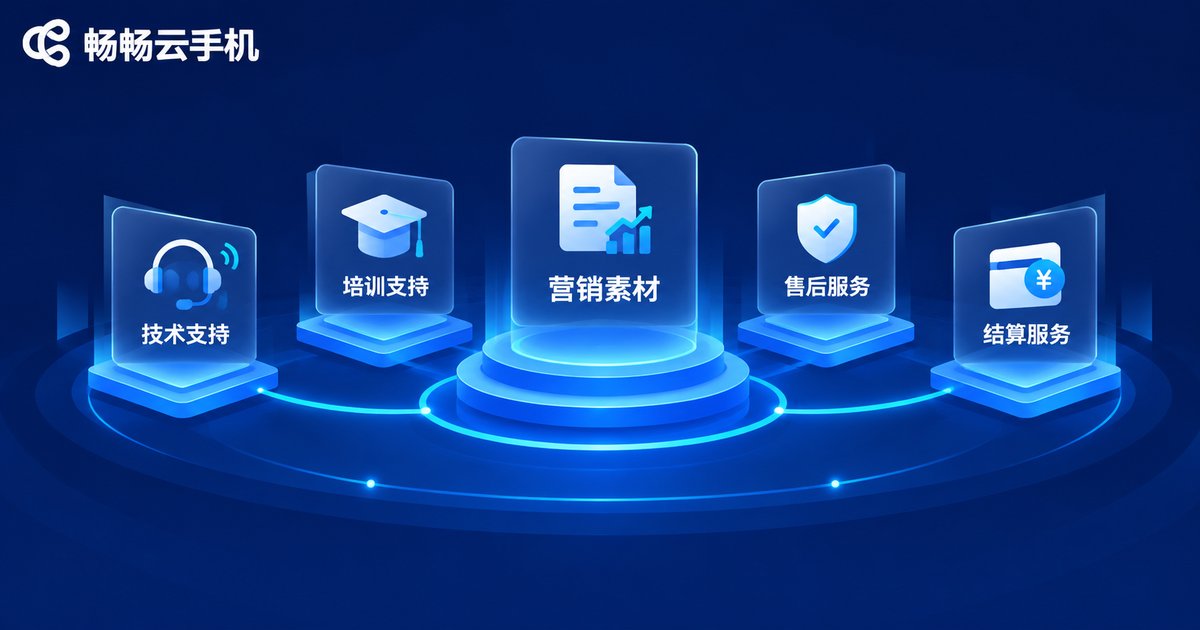
Support: the resources an agent receives
Much of the value of a partnership is not in the price. It is in the fact that you do not have to carry every problem alone.
| Support type | What it includes | Pain point it solves |
|---|---|---|
| Product and technical | Console guidance, batch management setup, troubleshooting approaches, integration documentation | You cannot answer a customer's technical question |
| Training | Product walkthroughs, scenario selection, pricing logic, handling common objections | New team members ramp up slowly and hesitate to speak |
| Marketing materials | Product introductions, scenario notes, demo accounts, visuals and copy | You have nothing ready to send out |
| After-sales collaboration | Ticket channel, escalation path for abnormal cases, on-duty communication group | Issues get stuck with nobody following up |
| Settlement and reconciliation | Back-office order details, reconciliation standards, invoicing and settlement arrangements | Money and accounts do not add up |
One reminder: commercial terms such as settlement cycles, rebate structures and invoicing methods follow the partnership agreement both parties sign. Verbal promises do not count. Likewise, product specifications and prices follow what official channels publish, so do not add your own promises to marketing materials.
Three things to settle before you sign up
First, where your customers are. Buyers of cloud phones usually have a batch of accounts to manage or a batch of tasks to run. If you cannot name who they are, do not rush into signing.
Second, what extra value you bring. If you only resell, customers can bypass you at any time. Offer configuration advice, batch setup and first-line troubleshooting and you earn room to negotiate.
Third, compliance boundaries. Guide customers to use the product within legal and compliant limits and never promise prohibited uses. This is the foundation for staying in business long term.
Frequently asked questions
Q1: Do I need a technical background to be a cloud phone agent?
You do not need to write code, but you do need to be willing to learn. At minimum you should be able to explain what a cloud phone is, how to log in, how to operate in batches and what to check first when something lags. Partnership training covers all of this.
Q2: Do I need to hold inventory or pay a large upfront sum?
Cloud phones are provisioned on demand and involve no physical stock. The exact partnership threshold and settlement method follow the agent policy published through official channels and the agreement both parties sign.
Q3: What do customers mainly use it for?
Common uses include multi-account operations management, app and compatibility testing, short video and live streaming matrix operations, long-running online tasks and remote office devices. Configuration needs vary widely between scenarios, so confirm the use case before recommending a specification.
Q4: When a customer has a problem, do I fix it or does the platform?
It is usually split: routine operational questions are handled by you, while account issues, platform faults and billing anomalies are escalated to the platform through tickets. The agent back office and service group exist for exactly this.
Q5: How long before I see returns?
It depends on the customer base you already have. Partners with existing customers convert faster; those starting from zero need time to build trust. We suggest running a small pilot order, completing one full delivery cycle, and then scaling up.
Q6: Can I focus on just one industry?
Yes, and it is often more effective. Focusing on one industry lets you build scenario expertise and a proven pitch, and customers are more likely to refer each other.
If you already have a stable customer channel and want to turn cloud phones into a long-term business line, start by checking the official ccloudphone channels for current partnership policies, then decide how much effort to invest.