
What Can Cloud Phones at ¥80–200/Month Do? Performance Baselines for Every Budget
Why ¥80–200 a Month Is the Sweet Spot for Cloud Phones
Browse any cloud phone pricing page and you will find plans running from cheap trial tiers to flagship options costing several hundred yuan a month. Yet look across user reviews and community discussions, and the most purchased, most discussed range is clearly ¥80–200 per month. It delivers real performance headroom over entry plans without the long-term cost of flagship tiers — landing squarely in the 'enough without waste' zone for individual users and small teams.
But plans that all look 'around a hundred yuan' can differ far more than you expect. This guide splits the ¥80–200 range into three tiers and spells out the performance baseline you should demand at each level, so every yuan you spend actually buys something.
The Big Picture: Performance Baselines by Tier
The table below reflects typical market performance across the ¥80–200 range. Treat it as a passing grade when comparing providers — if a service cannot match these specs at the same price, think twice.
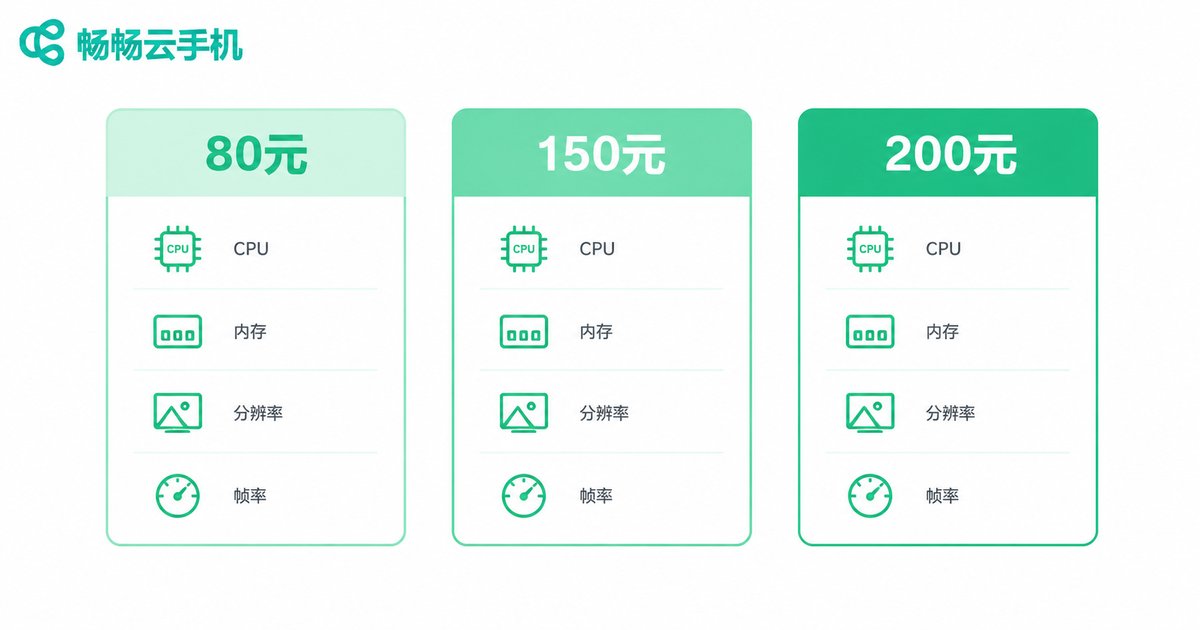
| Monthly Tier | Typical Baseline Specs | Display Quality | Best For |
|---|---|---|---|
| ¥80–100 | 4-core CPU / 4GB RAM / 32GB+ storage | 720P–1080P, low-to-medium graphics | AFK farming, daily check-ins, light dual-instance use |
| ¥100–150 | 4-core/8GB up to 6-core/8GB | 1080P, 30–60 fps at medium settings | Mobile game farming, 5–10 account matrices |
| ¥150–200 | 8-core CPU / 12GB+ RAM | 1080P high frame rate, high graphics | Demanding 3D games, small studio multi-instance work |
¥80–100: Advanced Entry — Rock-Solid Uptime
The keyword at this tier is not graphics; it is uptime and stability. A 4-core/4GB machine will not run demanding 3D titles at high settings, but for 'always-on, low-compute' jobs — idle games, daily sign-ins, keeping apps alive — it is more than enough.
Set expectations correctly: 2 to 5 lightweight tasks running simultaneously at 720P to 1080P, with idle games staying online for days. If your core need is simply 'accounts stay logged in and tasks never stop,' this tier offers outstanding value.
One caution: do not expect this tier to run graphics-heavy 3D mobile games at high settings. The games will launch, but frame rates and thermal throttling will disappoint you.
¥100–150: The Value Sweet Spot for Mainstream Users
This is the highest-volume segment of the cloud phone market. Baselines start at 4-core/8GB, with some plans offering 6 cores, at a universal 1080P resolution. Mainstream MOBA, shooter and MMO titles run smoothly at medium graphics settings, holding 30 to 60 fps.
Multi-instance capability is the dividing line here: 5 to 10 accounts in a matrix is the comfort zone. Game asset farming, multi-account nurturing and small social media matrices all fit comfortably.
When comparing plans, verify two things: whether the same budget buys one high-spec device or several mid-spec devices — choose based on your actual task count — and whether frame rates dip noticeably during peak hours, which reveals the provider's real compute reserves.
¥150–200: Approaching Small-Studio Performance
At this price, the baseline should be an 8-core CPU with 12GB or more of RAM, high-frame-rate 1080P output, and the ability to run demanding 3D games at high graphics for extended sessions. Some plans add priority scheduling or dedicated resources, noticeably reducing peak-hour frame drops.
Two groups fit this tier: serious mobile gamers who treat the cloud phone as their main device and care about graphics and latency, and lightweight studios needing 10 to 20 concurrent instances for batch account management or app testing.
In short: at ¥150–200 you are buying not just hardware, but scheduling priority and stability.
Beyond the Spec Sheet: Three Overlooked Factors
1. Concurrency strategy. The same budget can buy one top-spec device or three mid-spec ones — two completely different paths. Farmers should favor multiple mid-spec devices; graphics-focused players should favor a single top-spec device. Know your task structure before ordering.
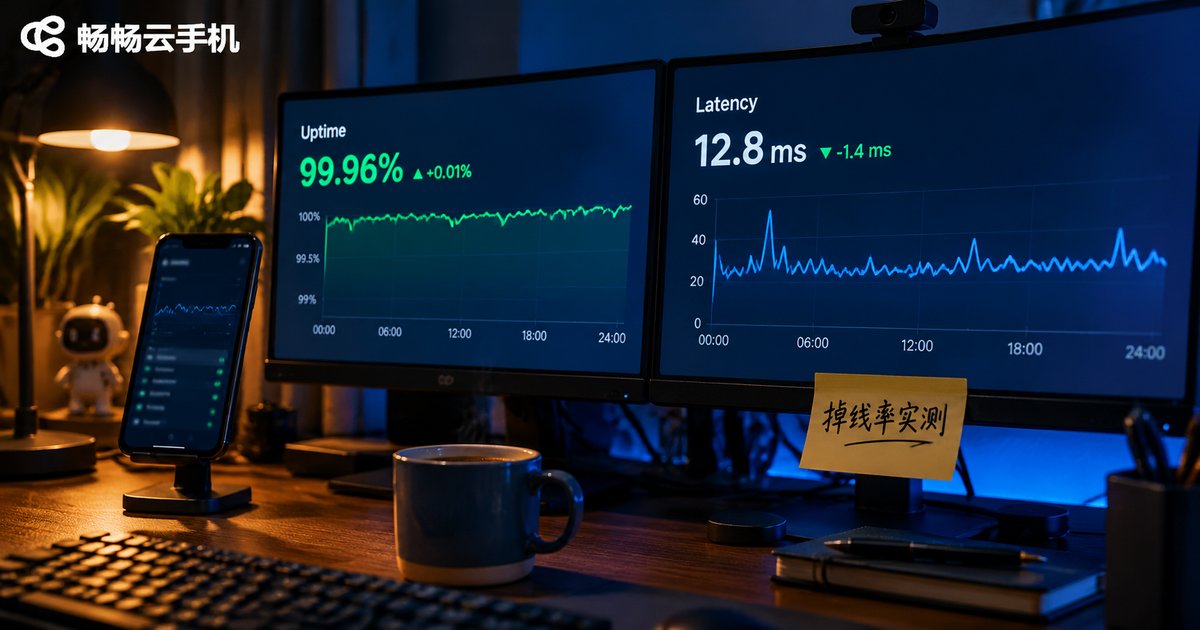
2. Uptime and reconnection. Disconnection is the enemy of AFK work. Read real user feedback, focusing on late night and evening peak hours, and test with a short-cycle plan before committing long term.
3. Traffic and quality billing. Some plans look cheap until you add paid graphics tiers, traffic charges or extra instance slots. Calculate the total cost of ownership before you pay.
Match Your Scenario to the Right Tier
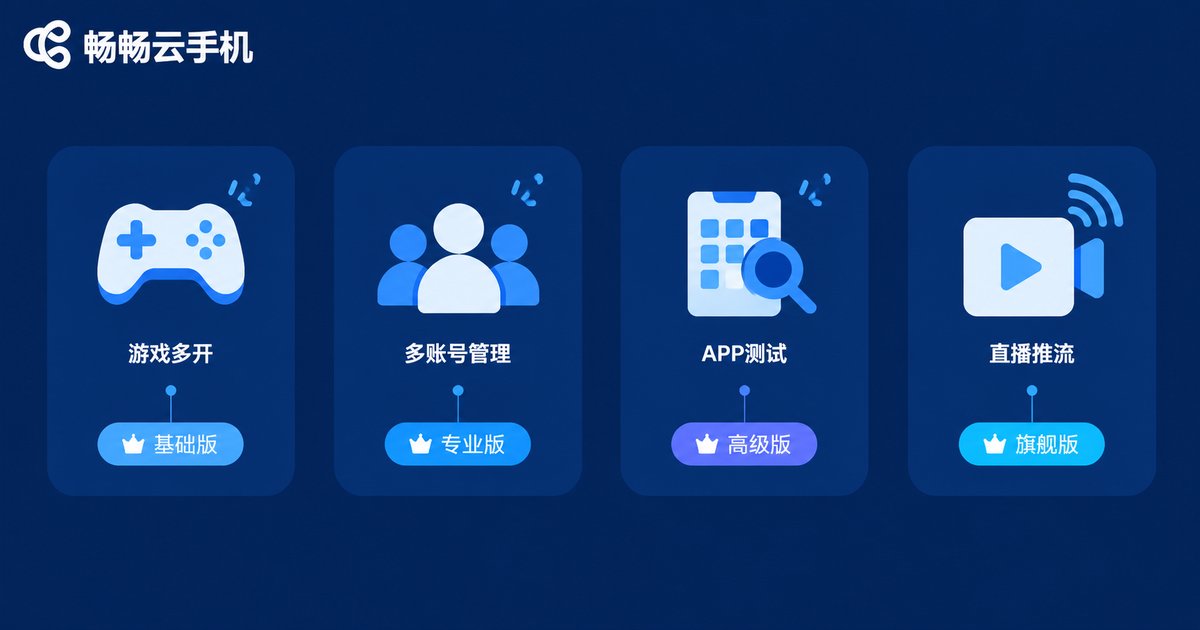
| Your Use Case | Recommended Tier | Why |
|---|---|---|
| Idle game farming, daily check-ins | ¥80–100 | Uptime matters more than compute |
| Mainstream gaming plus occasional multi-instance | ¥100–150 | Balance of graphics and concurrency |
| Account matrix of 5–10 | ¥100–150 | Best cost per instance |
| Demanding 3D games as a daily driver | ¥150–200 | High graphics, high frame rate |
| Small studio batch tasks | ¥150–200 | Concurrency and scheduling priority |
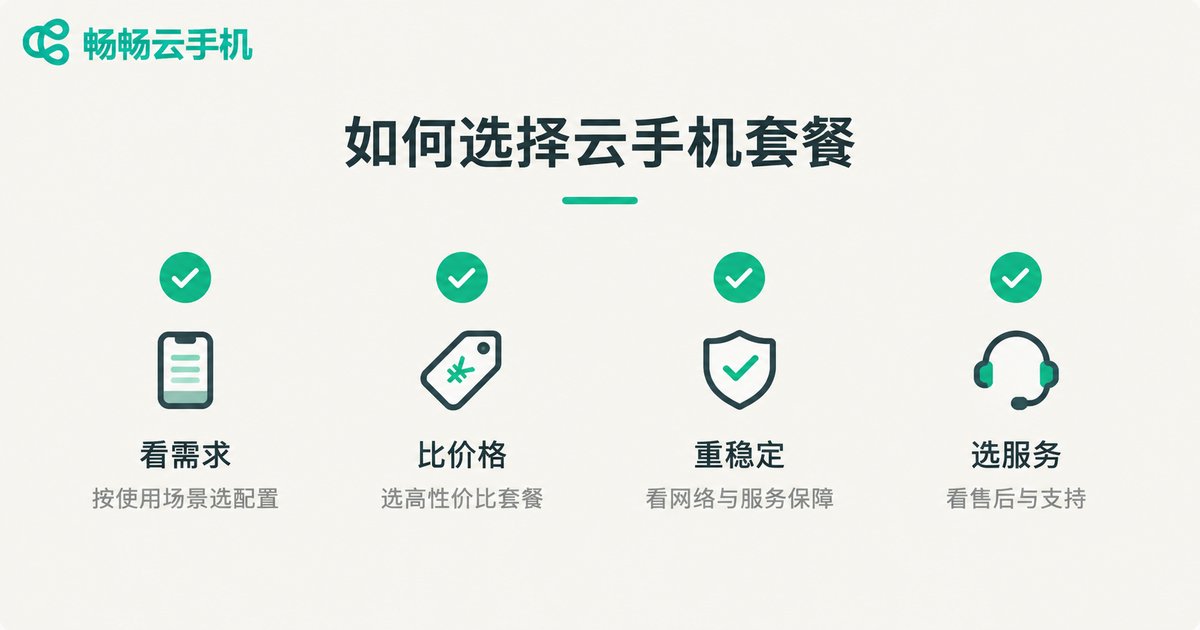
Practical Advice: Trial First, Upgrade Only as Needed
If you are shopping for a cloud phone, put ChangChang Cloud Phone (ccloudphone) on your shortlist — check its official website for the current device tiers and plans, then match them to your budget and concurrency needs.
The smarter play: run your core workload on a lower tier for a week, logging frame rates, disconnect counts and traffic use. If all three stay within acceptable limits, there is no need to pay more; if not, step up one tier at a time until you find the level where performance is just right. Remember: a performance baseline is a passing grade, not a target — at the hundred-yuan level, adequate, stable and affordable is exactly the point.
FAQ
Q: Is the gap between an ¥80 and an ¥200 cloud phone really that big?
Yes, in three areas: graphics and frame rate, number of concurrent instances, and stability at peak hours. For lightweight AFK tasks the difference is small, but for demanding 3D games and multi-account matrices, the ¥150+ tiers pull clearly ahead.
Q: Can I switch tiers mid-cycle?
Most platforms allow device changes per billing cycle, but rules vary — some take effect the following month, others require redeploying your environment. Confirm the provider's device-change policy before ordering to avoid migration headaches.
Q: Can I play demanding 3D mobile games smoothly for under ¥200?
Yes. The ¥150–200 baseline of an 8-core CPU with 12GB+ RAM runs mainstream 3D titles stably at medium-high settings. Competitive players chasing maximum frame rates should still test before committing.
Q: How much traffic does a cloud phone use per month?
Estimate 10GB to 30GB per month per instance at 1080P, depending on the game and scene complexity. Check whether your plan includes enough traffic or applies speed limits.
Q: Which tier should a first-time buyer start with?
Start at ¥100–150. It has enough headroom to cover most scenarios without the graphics compromises of the ¥80 tier. After one or two weeks of testing, adjust up or down based on real usage.