Cloud Phone vs Real Phone: 5 Key Advantages Explained in Detail
First Things First: What Exactly Is a Cloud Phone?
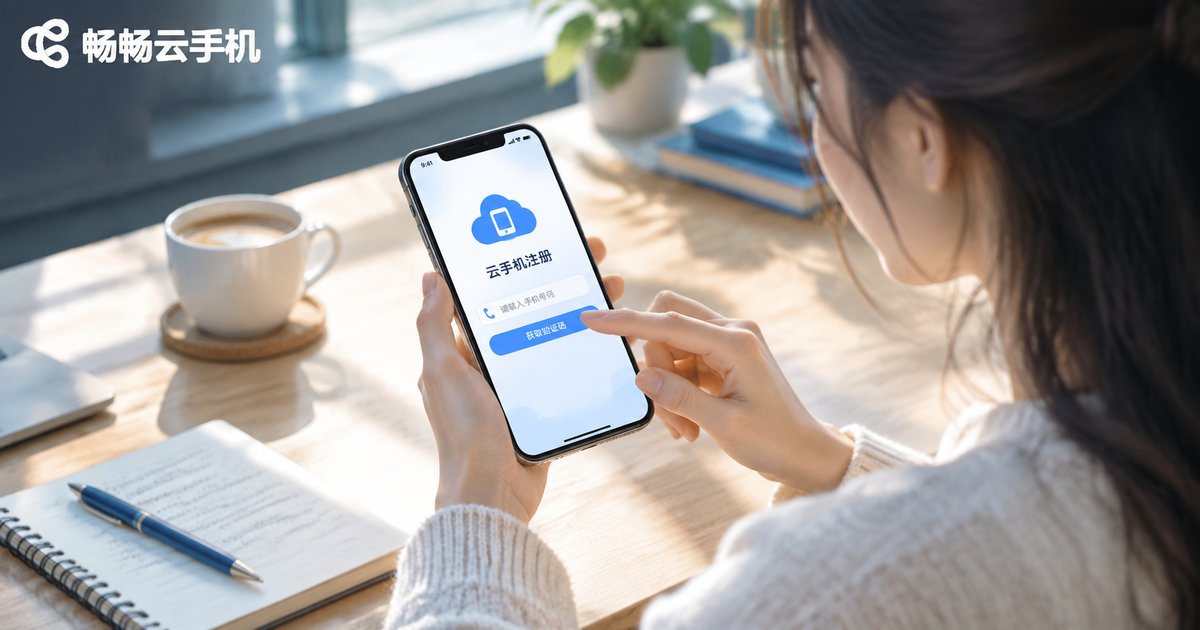
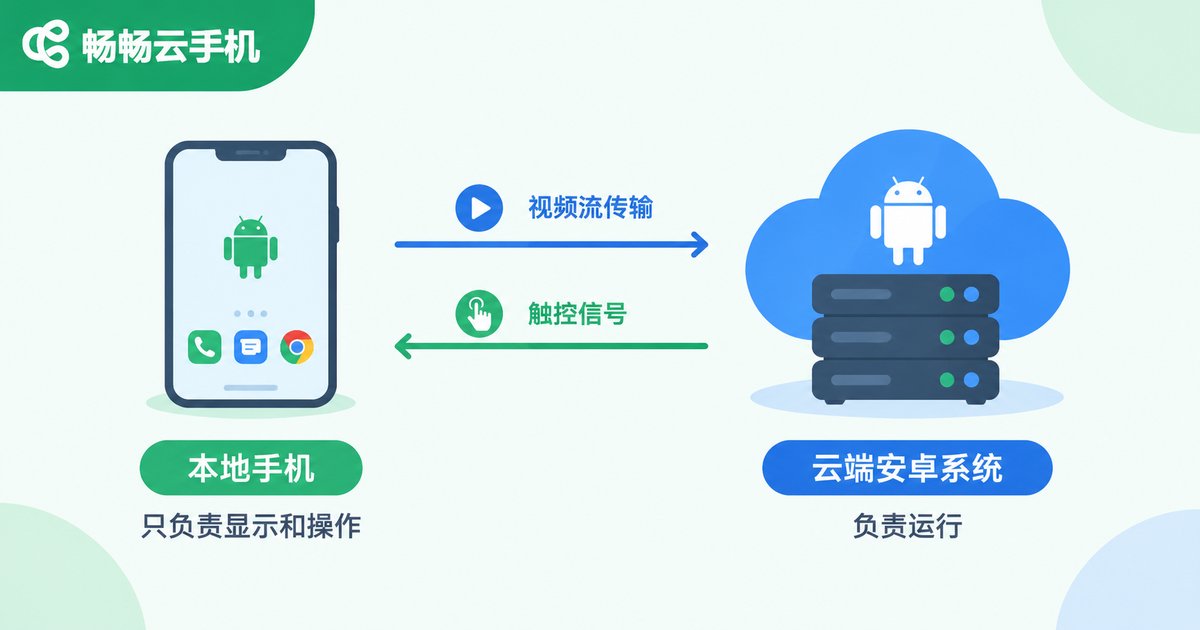
In simple terms, a cloud phone is a 'virtual smartphone' that runs on cloud servers. It has its own independent system, apps, and data, yet you don't need a physical device — all the computing happens in a cloud data center, while your phone or computer acts merely as a 'remote control' and 'display'.
Here's an analogy: a real phone is like your own kitchen, where you shop, wash, and cook everything yourself; a cloud phone is like ordering takeout — the meal is prepared 'in the cloud' and you simply enjoy it. It is exactly this difference that makes cloud phones outperform real phones in many scenarios. Let's break down the five major advantages in detail.
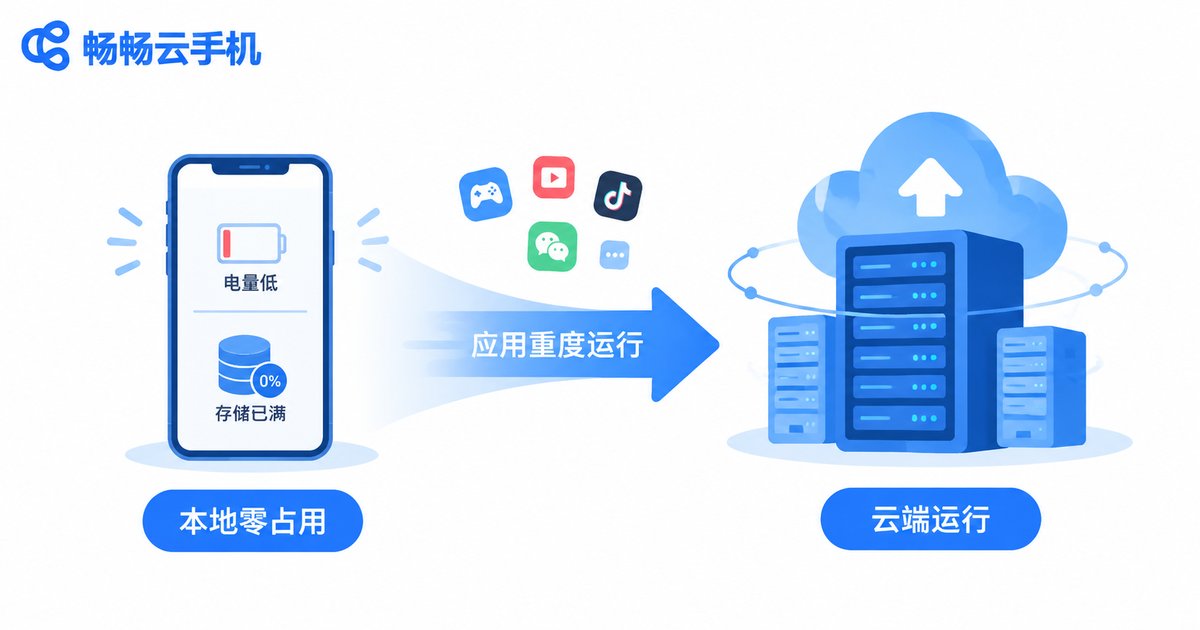
Advantage 1: No Local Resources Used — Even Old Phones Can Run Heavy Apps Smoothly
Many people know this pain: after a year or two, a phone runs short on storage and RAM, and opening a large game or a few apps at once causes lag and overheating. With a cloud phone, all computing happens in the cloud, and your local device only handles screen streaming and touch commands, consuming almost none of your local storage, memory, or battery.
This means a phone from several years ago can smoothly run demanding mobile games and apps through a cloud phone, and an average computer can easily control multiple cloud phones at once. The age of your device is no longer a limitation.
Advantage 2: Online 24/7 in the Cloud — Stays Connected Even When You Power Off
Once a real phone is powered off, disconnected, or out of battery, all of its apps stop running. A cloud phone, hosted in a cloud data center, stays online around the clock: while you sleep at night or work during the day, it keeps 'on duty' in the cloud for you.
For scenarios that require long hours online — such as AFK gaming, daily quests, leveling alt accounts, or keeping apps active — the cloud phone is almost the perfect choice. Set up your tasks before bed and collect the results the next morning; no more keeping a real phone running all night and worrying about overheating and battery drain.
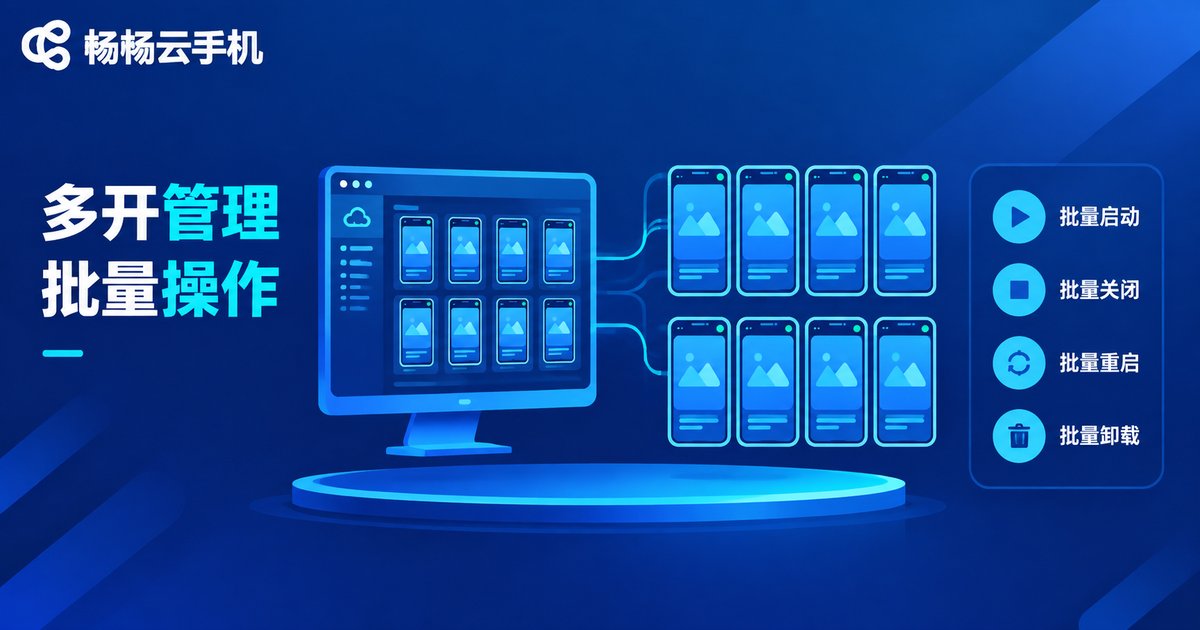
Advantage 3: Multi-Instance Clusters — One Person Manages Dozens of 'Phones'
Anyone doing account matrices or multi-platform operations knows the drill: running multiple real phones means buying a pile of devices, finding space to place and charge them, and paying a huge management cost. A cloud phone lets you launch multiple independent cloud phones within the same interface, with batch app installation, batch operations, and centralized management, multiplying your efficiency.
Whether it is a gamer's multi-account needs or a content creator's multi-platform matrix, cloud phones make 'one person managing dozens of phones' achievable at a very low threshold.
Advantage 4: Data Isolated in the Cloud — Better Privacy Protection
When you log into various accounts on a real phone, apps can access quite a lot of local information, and work and personal data easily get mixed together. With a cloud phone, the system, apps, and data all live in the cloud, naturally isolated from your personal device: work-related tasks run inside the cloud phone while private information stays on your real phone, without interfering with each other.
On top of that, cloud phones support one-tap reset and remote wiping — whenever you are done, you can simply 'get a new one' without worrying about residual data. For privacy-conscious users and anyone who needs account isolation, this is an extremely practical feature.
Advantage 5: Save Money and Hassle — No Purchase, No Maintenance, No Depreciation
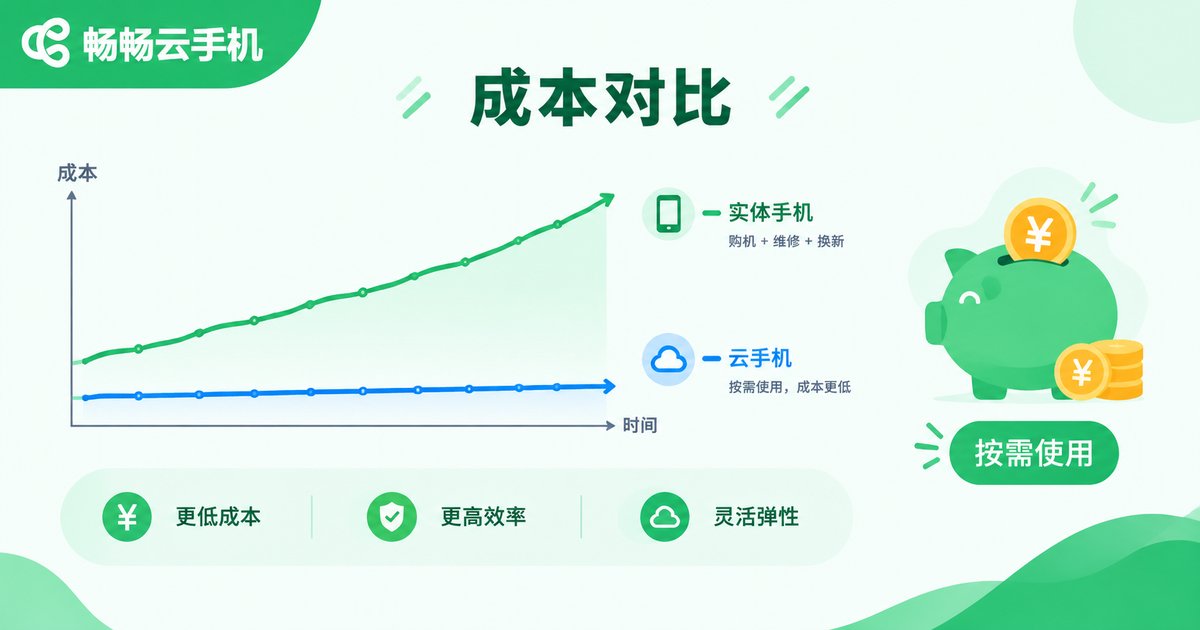
Covering the needs above with real phones means buying multiple devices upfront, plus long-term costs of wear, repairs, and system maintenance. Cloud phones are used on demand, with no large one-time hardware investment and no worries about depreciation or damage. Let's do some simple math:
| Comparison | Multiple Real Phones | Cloud Phone |
|---|---|---|
| Upfront cost | Buying multiple phones, high cost | Activate on demand, low entry barrier |
| Battery and wear | Long-time running brings heat, drain, and fast depreciation | Runs in the cloud, zero local device wear |
| Maintenance | Lag, repairs, and replacements to worry about | Centrally maintained in the cloud, reset anytime |
| Scaling up | More devices mean more hardware purchases | Spin up as many as you need, flexible and elastic |
Want to Try a Cloud Phone? We Recommend ChangChang Cloud Phone
If you feel tempted to experience the convenience of a cloud phone yourself, give ChangChang Cloud Phone (ccloudphone) a try. It offers a stable cloud-based Android environment, handy for daily multi-instance use, AFK gaming, or keeping apps online for long hours. For specific features and plans, visit the official ChangChang Cloud Phone website (ccloudphone) and choose based on your actual needs.
FAQ
Q: What is the difference between a cloud phone and an emulator?
An emulator depends on your local computer's performance — an underpowered PC will still lag. A cloud phone runs on cloud servers, uses no local resources, and can be accessed from multiple devices at any time, with better stability and uptime.
Q: Is a cloud phone laggy? What are the network requirements?
Smoothness mainly depends on your network connection. A regular home broadband or 4G/5G connection is enough for daily use. All the computing happens in the cloud, so local devices are under very little pressure.
Q: Is the data in a cloud phone safe?
Cloud phone data is stored in the cloud, isolated from your personal devices, with one-tap reset and remote wiping available. Choose a reputable provider and keep your account credentials safe.
Q: Who is a cloud phone suitable for?
Content creators running multiple accounts, gamers who need long AFK sessions, professionals who want to separate work and personal data, and users whose devices are underpowered but who don't want to buy a new phone — all are great fits.