Can Cloud Phones Stay Online 24/7? Hardware Requirements for Stable Continuous Operation
Cloud Phone 24/7 Uptime: Technical Feasibility and Real-World Challenges
Many users ask a core question when exploring cloud phones: Can cloud phones really stay online 24/7 without disconnection? The answer is yes, but only if the cloud phone service provider has sufficiently powerful hardware infrastructure and professional operational capabilities. Ordinary cloud phones may frequently disconnect due to server overload, network fluctuations, or insufficient resources, while enterprise-grade cloud phones like ccloudphone achieve true round-the-clock stable operation through professional hardware configurations and redundancy design.
Key Hardware Factors Affecting Cloud Phone Stability
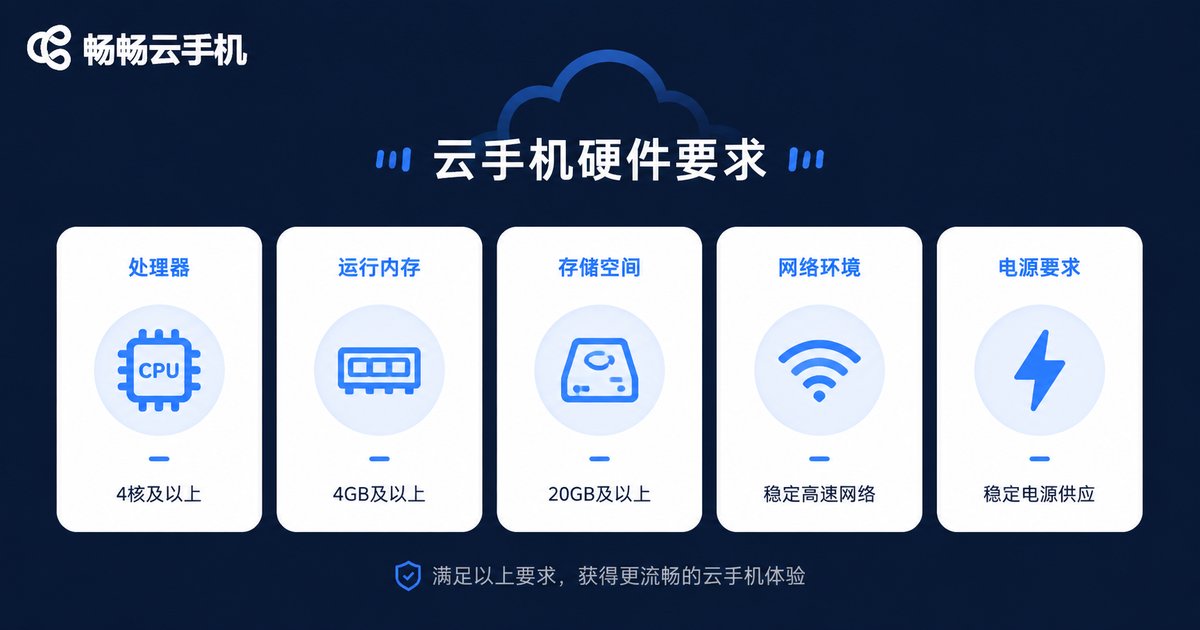
To keep cloud phones running stably 24/7, the following hardware-level factors are crucial:
| Hardware Factor | Impact on Stability | ccloudphone Solution |
|---|---|---|
| Server CPU | Determines multi-instance concurrent processing | High-performance multi-core server-grade CPU |
| Memory Configuration | Affects multitasking and response speed | Large-capacity ECC memory with error correction |
| Storage System | Affects data read/write and boot speed | Enterprise-grade SSD storage array |
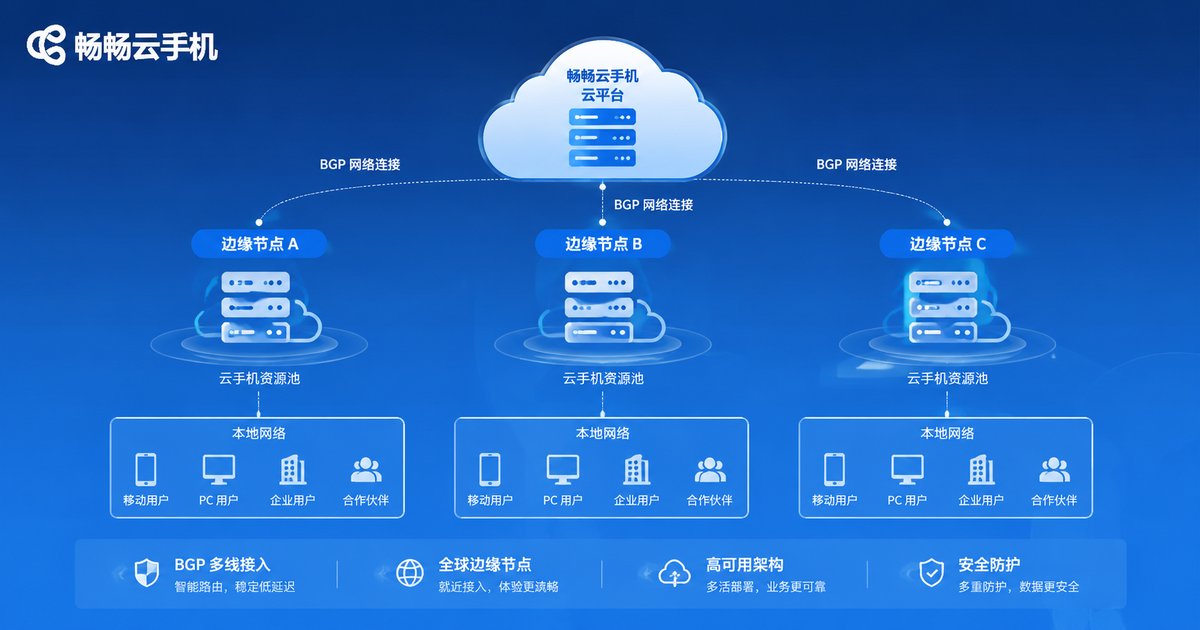
| Network Bandwidth | Determines connection stability and latency | Multi-line BGP network with redundant bandwidth |
| Power System | Ensures continuous server power supply | Dual power supply + UPS uninterruptible power |
Server Architecture: The Foundation of Stable Operation
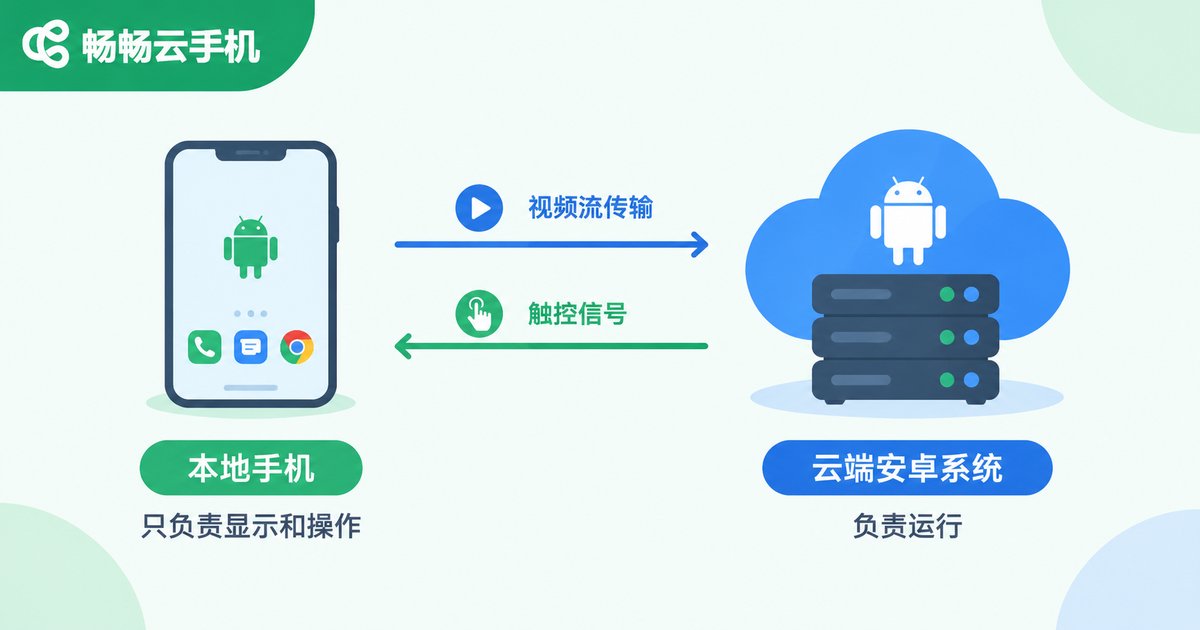
Cloud phone stability depends first on the underlying server architecture. ccloudphone adopts a clustered deployment model, where multiple servers form a resource pool. When a single server fails, the system automatically migrates cloud phone instances to healthy nodes with almost zero user perception. This high-availability architecture is the technical guarantee for 24/7 uptime.
Additionally, the servers use ARM architecture real device motherboards rather than simple emulator solutions. Real device motherboards mean each cloud phone instance runs on actual phone hardware, providing better compatibility and stability, avoiding the crashes and compatibility issues common with emulator solutions.
Network Architecture: The Lifeline of Connection Stability
Network is the lifeline of cloud phones. ccloudphone uses a multi-line BGP network that automatically selects the optimal network path, avoiding disconnections caused by single-line failures. The data center is also equipped with redundant bandwidth, ensuring network quality for each cloud phone instance even during peak traffic periods.
Network latency is a key metric affecting user experience. ccloudphone deploys edge nodes across multiple geographic locations, allowing users to connect to the nearest node, keeping latency at extremely low levels and ensuring smooth operation.
Virtualization Technology: Resource Isolation and Efficient Utilization
Virtualization technology is the core of cloud phones. ccloudphone adopts a container-level virtualization solution, where each cloud phone instance has an independent runtime environment without mutual interference. This technology not only ensures stability but also achieves efficient resource utilization.
Compared to traditional virtual machine solutions, container-level virtualization has lower resource overhead and faster boot speeds while maintaining good isolation. This means more cloud phone instances can run on the same physical server without performance degradation caused by resource contention.
Operational Assurance: 24/7 Professional Guardianship
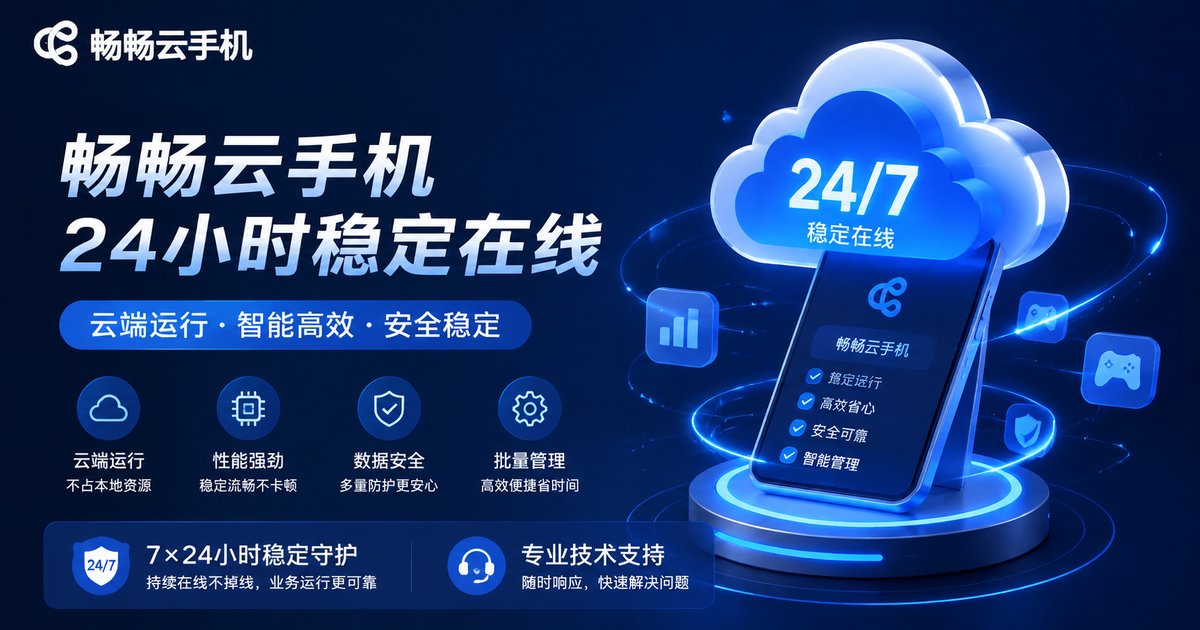
No matter how good the hardware is, a professional operations team is needed to ensure stability. ccloudphone has a 24/7 operations team that monitors all server and network statuses in real-time and immediately handles any anomalies. Meanwhile, the automated monitoring system can predict potential issues and perform preventive maintenance before failures occur.
Regular maintenance is also an important part of ensuring stability. ccloudphone adopts a rolling maintenance strategy, migrating cloud phone instances to other nodes during maintenance periods to ensure uninterrupted user service.
How to Choose a Cloud Phone Suitable for 24/7 Operation
When choosing a cloud phone, don't just look at the price—pay attention to these key metrics:
1. Server Architecture: Prioritize providers using real ARM device architecture, avoiding emulator solutions.
2. Network Quality: Choose providers with multi-line BGP networks and edge node deployment.
3. Operational Capability: Check whether the provider has a 24/7 operations team and automated monitoring systems.
4. Instance Specifications: Choose appropriate CPU and memory configurations based on your use case to avoid lag caused by insufficient resources.
ccloudphone features professional-grade configurations in all these aspects, making it a reliable choice for 24/7 continuous operation.
FAQ
Q: Does running a cloud phone 24/7 consume a lot of data?
A: Data consumption depends on the usage scenario. ccloudphone uses efficient video compression technology to minimize bandwidth usage while maintaining image quality. Daily idle scenarios consume relatively low data.
Q: If a server fails, will my cloud phone data be lost?
A: No. ccloudphone uses distributed storage with real-time data backup to multiple nodes. Even if a single server fails, cloud phone instances automatically migrate to healthy nodes without data loss.
Q: Will the cloud phone overheat and throttle during long-term operation?
A: No. Cloud phones run in professional data center environments equipped with precision air conditioning systems, keeping servers within optimal temperature ranges without thermal throttling issues.
Q: Can I run multiple cloud phone instances 24/7 without disconnection?
A: Yes. ccloudphone supports multi-instance concurrent operation, with each instance allocated independent resources without mutual interference. You can choose appropriate plan specifications based on your needs.