
Is Cloud Phone Really Faster for Ride-Hailing Order Grabbing? 2026 Didi/Amap Test Data Comparison
The "Speed Anxiety" of Ride-Hailing Order Grabbing
For ride-hailing drivers, grabbing orders means grabbing income. During peak hours every day, thousands of drivers stare at their screens simultaneously, waiting for the system to dispatch orders. Whoever has faster hands and better network gets the quality orders. This "speed anxiety" has become a daily reality for ride-hailing drivers.
Traditional phones face several pain points when grabbing orders: insufficient performance causing lag, network delays affecting response speed, and cumbersome multi-platform switching. These issues are especially prominent during peak hours, directly affecting drivers' order-taking efficiency and income levels.
How Cloud Phone Works for Order Grabbing
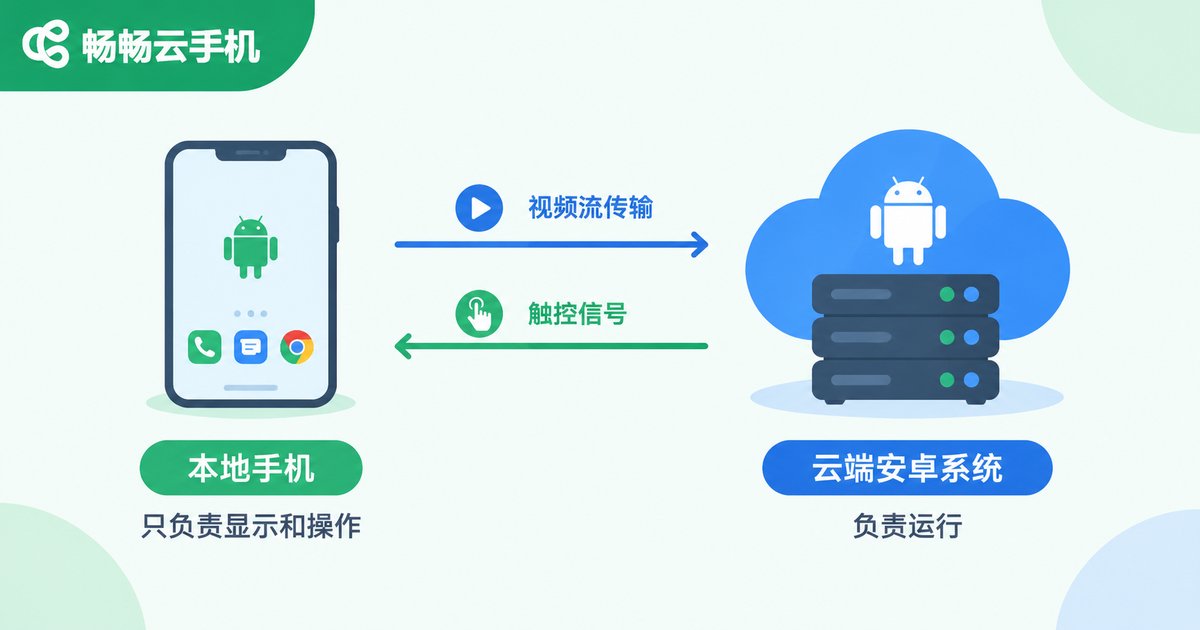
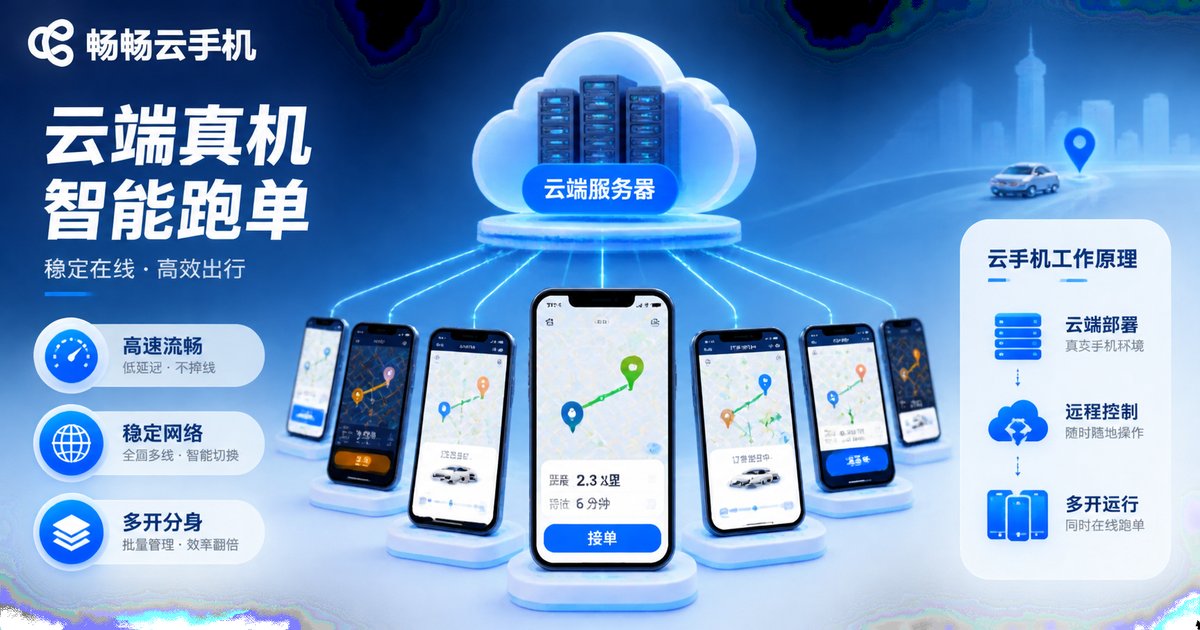
A cloud phone is a virtual phone running on cloud servers, controlled remotely through local devices. In ride-hailing order grabbing scenarios, the core advantages of cloud phones include:
1. Server-level Computing Power: Cloud phones run on professional servers with processing speeds far exceeding regular phones, enabling faster app launches and responses.
2. Low-latency Network: Cloud phones are deployed in data centers with stable network environments, reducing order grabbing delays caused by network fluctuations.
3. Multi-instance Parallel Running: One cloud phone can run multiple ride-hailing platforms simultaneously without frequent switching, expanding order coverage.
2026 Test Data Comparison
In January 2026, we conducted order grabbing tests comparing cloud phones with regular phones on Didi Chuxing and Amap platforms during morning peak hours (7:30-9:00).
| Test Item | Regular Phone | Cloud Phone | Improvement |
|---|---|---|---|
| Order Push Delay | 1.2s | 0.4s | 66.7% |
| Order Grab Response Time | 0.8s | 0.3s | 62.5% |
| Didi Order Success Rate | 42% | 68% | 26 percentage points |
| Amap Order Success Rate | 38% | 63% | 25 percentage points |
| Multi-platform Online | 2 | 5 | 150% |
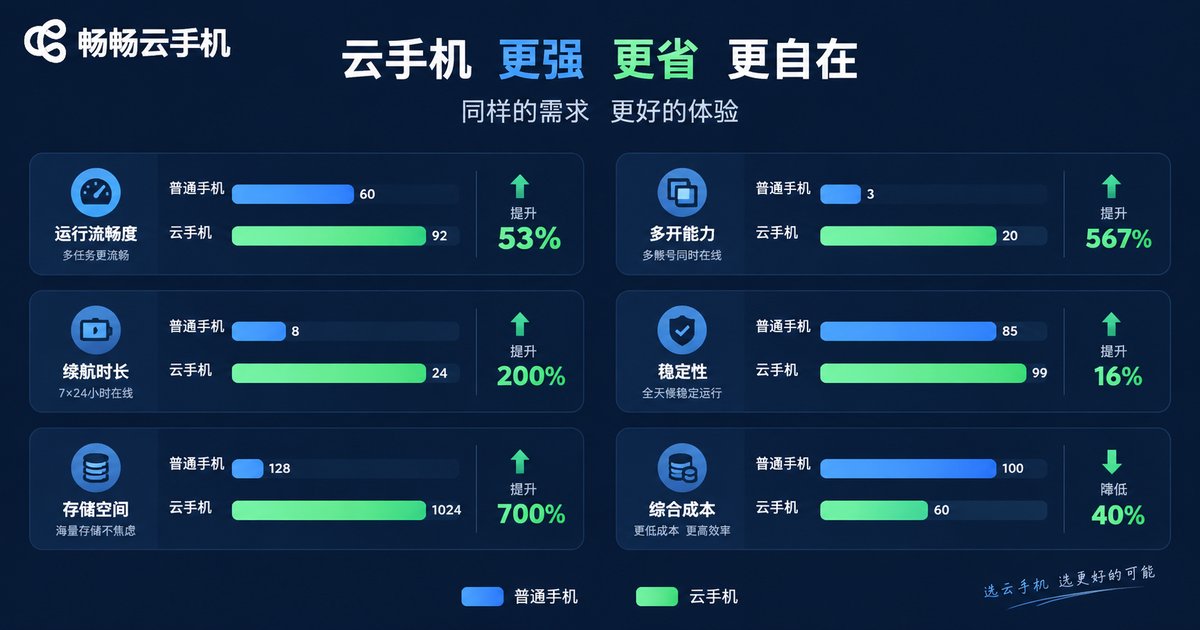
Data shows that cloud phones have significant advantages in order push delay, response time, and success rate. The advantage is particularly prominent in multi-platform simultaneous online capability.
ccloudphone: The Preferred Choice for Ride-Hailing Drivers
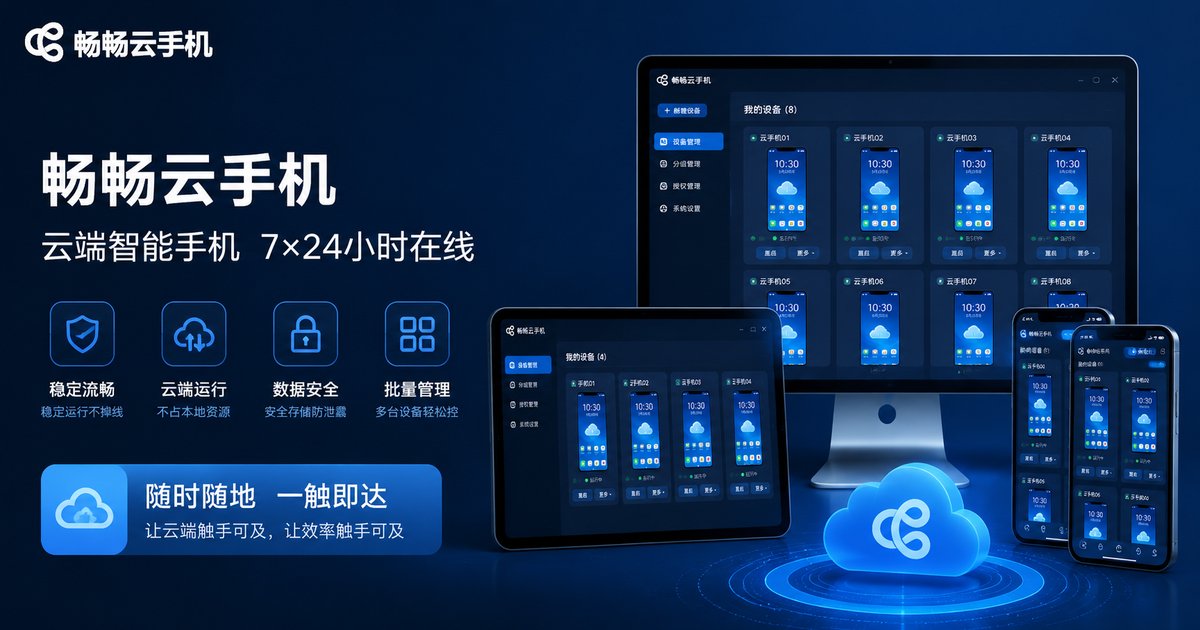
Among cloud phone products, ccloudphone has become the preferred choice for ride-hailing drivers due to the following features:
Stable and Smooth: Uses high-performance server clusters with 24/7 stable operation, no lag or disconnection.
Low Latency: Multi-node deployment nationwide with nearest access, faster order grabbing response.
Multi-instance Support: Supports multiple platforms online simultaneously, managing multiple ride-hailing platforms with one account.
Easy Operation: User-friendly interface, quick to learn, usable without technical background.
Usage Tips
1. Choose the Right Plan: Select appropriate configuration based on order frequency, with temporary upgrades during peak hours.
2. Set Up Multi-instance Reasonably: Based on common driving areas and platform popularity, set 2-3 platforms online simultaneously.
3. Maintain Stable Network: Although cloud phones have good networks, local devices also need stable network connections.
4. Regular Status Check: Check cloud phone status before driving to ensure everything is normal.
FAQ
Q: Is cloud phone order grabbing legal?
Cloud phones are just a tool and don't involve violations. The order grabbing behavior itself follows platform rules, and using cloud phones to improve efficiency is reasonable.
Q: Will cloud phones get banned by platforms?
Normal use won't. Cloud phone usage doesn't violate ride-hailing platform agreements, but it's recommended to follow each platform's rules.
Q: How is ccloudphone priced?
ccloudphone offers various plan options. Please visit the official website for the latest pricing information.
Q: What local device is needed?
A regular smartphone is sufficient. As long as it can connect to the internet stably, you can use ccloudphone.
Q: Do cloud phones affect dispatch fairness?
Cloud phones improve response speed without changing the platform's dispatch logic, so fairness is not affected.