Are Cloud Phones Suitable for Long-Term Use: A Comprehensive Analysis of Stability, Cost and Experience
Introduction: Long-Term Use Is the Real Test for a Cloud Phone
Most people try a cloud phone with a let-us-see mindset: run a game, nurture a secondary account, then set it aside after a few days. The question truly worth asking, however, is whether cloud phones are suitable for long-term use. If you plan to rely on one as a lasting tool, it must pass three tests: can it stay stable, does the cost make sense, and is the experience good enough? This article analyzes all three dimensions in depth.
Stability: The First Threshold for Long-Term Use
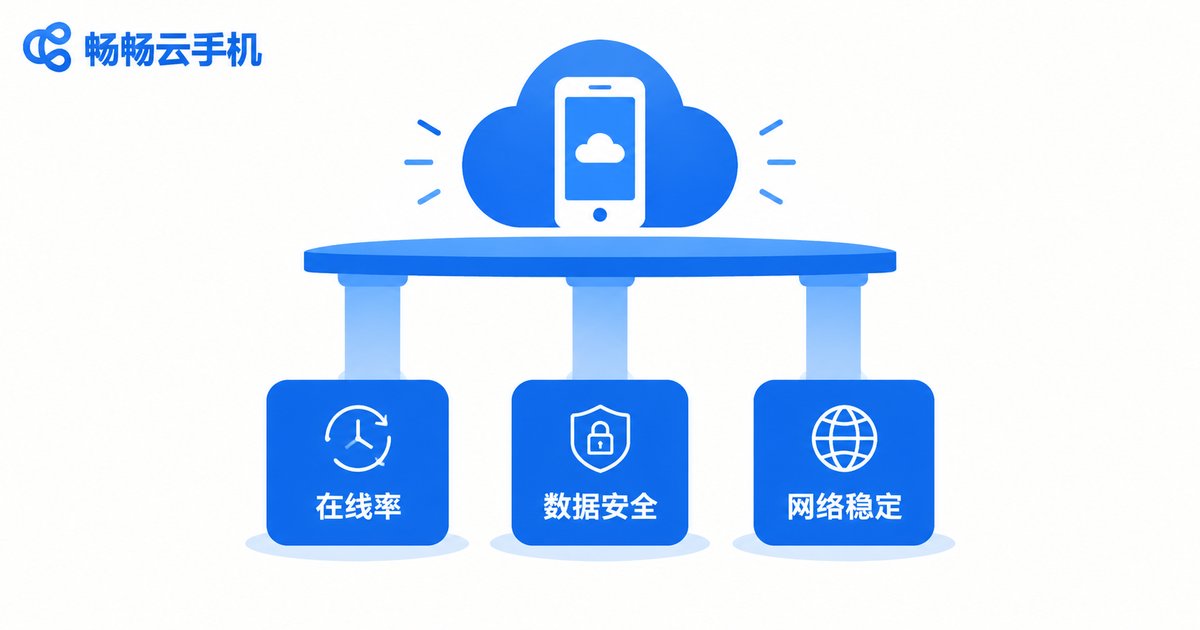
For long-term use, stability outweighs everything else. A cloud phone that disconnects, freezes, or loses data every few days is worthless at any price. Evaluate stability from three angles:
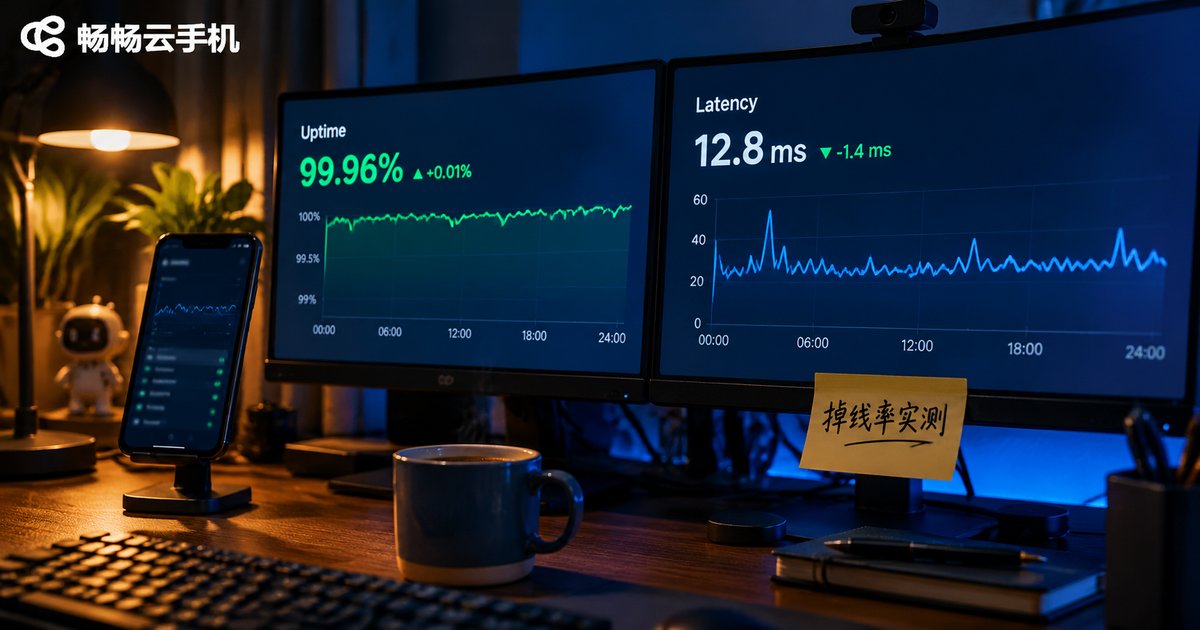
1. Uptime and disconnection rate. Quality cloud phone services run on data-center-grade servers and stay online around the clock, unaffected by the battery drain, overheating, and update reboots that plague physical phones. Long-term idle running and scheduled tasks demand near-zero tolerance for downtime.
2. Data security and persistence. Cloud phone data lives in the cloud, so switching devices or losing your local phone does not affect it. Note that some services recycle devices that stay inactive for long periods, so always check the data retention policy before committing long term.
3. Network dependency cuts both ways. Every operation depends on your network, so local fluctuations affect responsiveness. In practice, home broadband and 4G/5G are more than sufficient, and noticeable lag is rare under normal conditions.
Overall, as long as you choose a provider with large-scale servers and mature operations, long-term stability can be safely left to the cloud — the biggest advantage cloud phones hold over physical phones running 24/7.
Cost: How to Do the Long-Term Math
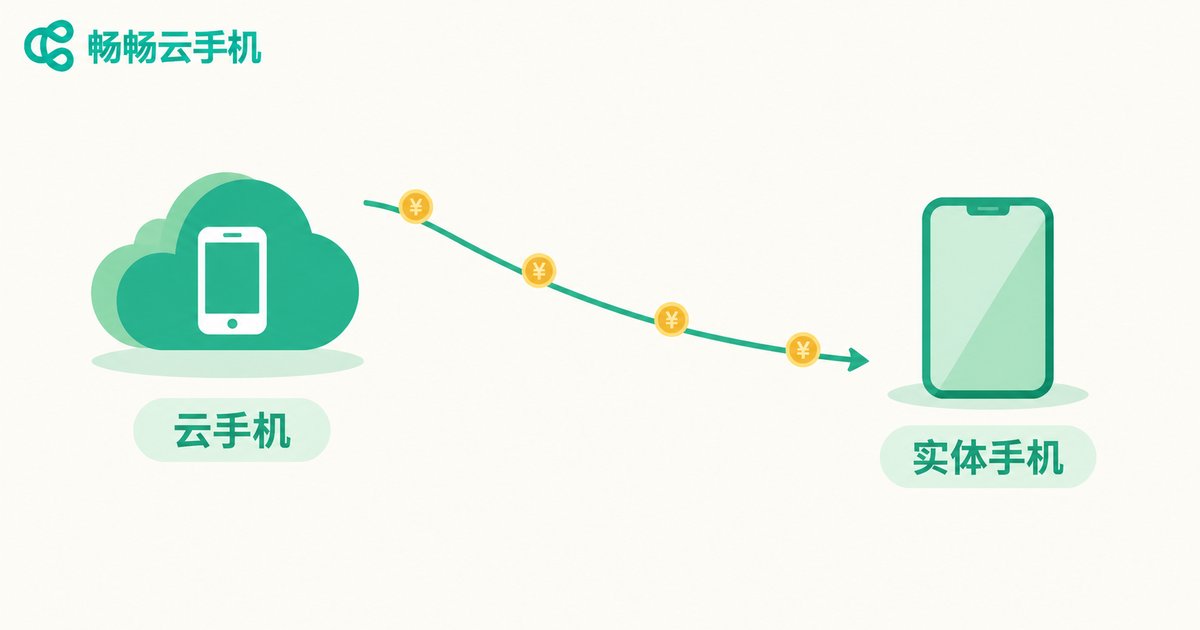
Short-term costs are easy to ignore; long-term use demands a detailed calculation. Compare a cloud phone subscription with a spare physical phone:
| Item | Cloud Phone (Subscription) | Physical Phone (Spare Device) |
|---|---|---|
| Upfront cost | Low, periodic subscription | High, full device purchase |
| Power and wear | Covered by the provider | Self-paid electricity, fast battery wear |
| Maintenance | Nearly zero | Lag and aging handled by yourself |
| Scalability | Add or remove devices anytime | Each extra device costs more |
| Obsolescence risk | None | Aging hardware, repairs not worth it |
The conclusion is clear: the longer you use it and the more devices you need, the greater the cloud phone's cost advantage. For users running many devices online at once, stacking physical phones drives cost and effort up sharply, while a cloud phone scales with a few taps.

Experience: The Most Underestimated Factor in Long-Term Use
Stability decides whether you can use it, cost decides whether it is worth it, and experience decides whether you will keep using it. A few honest realities to know upfront:
Latency: Cloud phone screens are rendered remotely and streamed to your device, adding a layer of network delay. Daily idle running, batch operations, and light-to-medium use feel seamless; only latency-sensitive competitive gaming feels slightly different from a physical phone.
Visual quality and smoothness: Mainstream cloud phones support HD quality and high frame rates, looking close to a physical phone on a good connection. On weak networks, quality drops automatically to preserve smoothness — a reasonable trade-off.
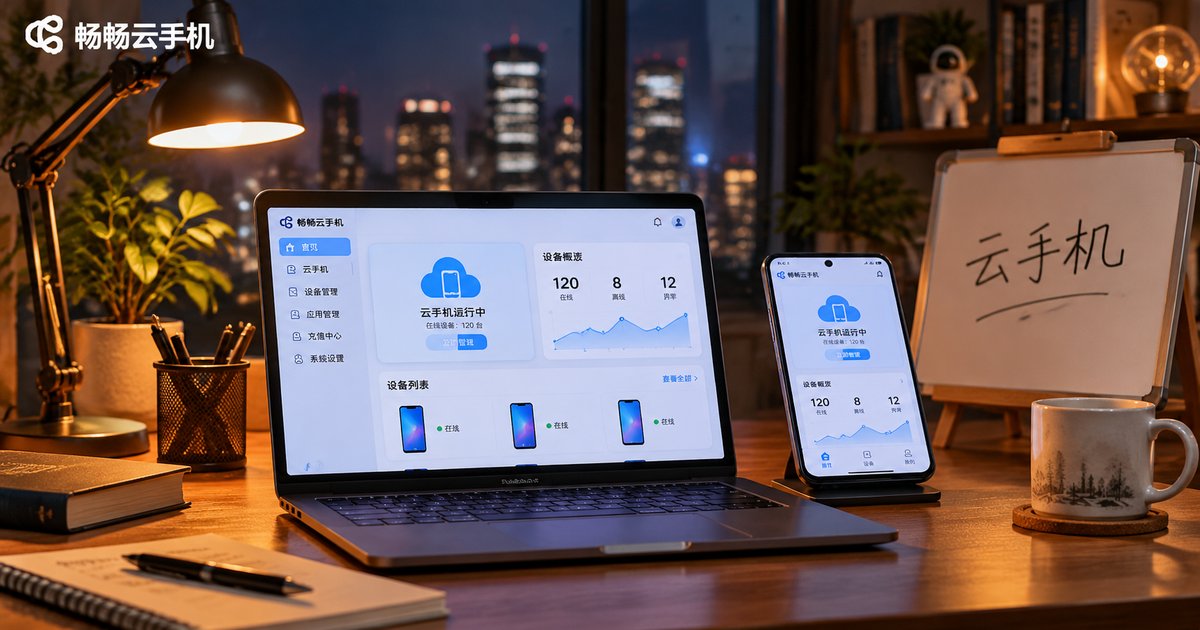
Multi-tasking and batch control: This is where cloud phones truly shine. Managing dozens of devices on one screen, installing apps in batches, and syncing operations deliver efficiency no physical setup can match.
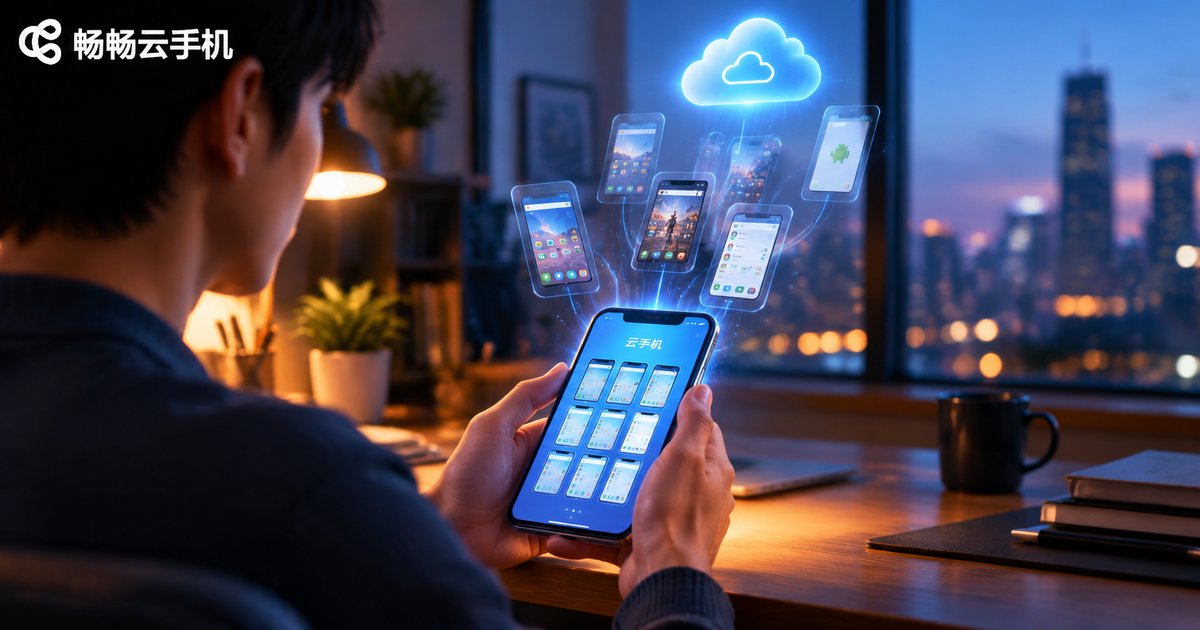
Zero local resource usage: With long-term cloud phone use, your primary phone stays cool, keeps its battery, and keeps its storage. Once you get used to keeping a fleet of phones inside one phone, there is no going back.
Conclusion: Who Should Use a Cloud Phone Long Term
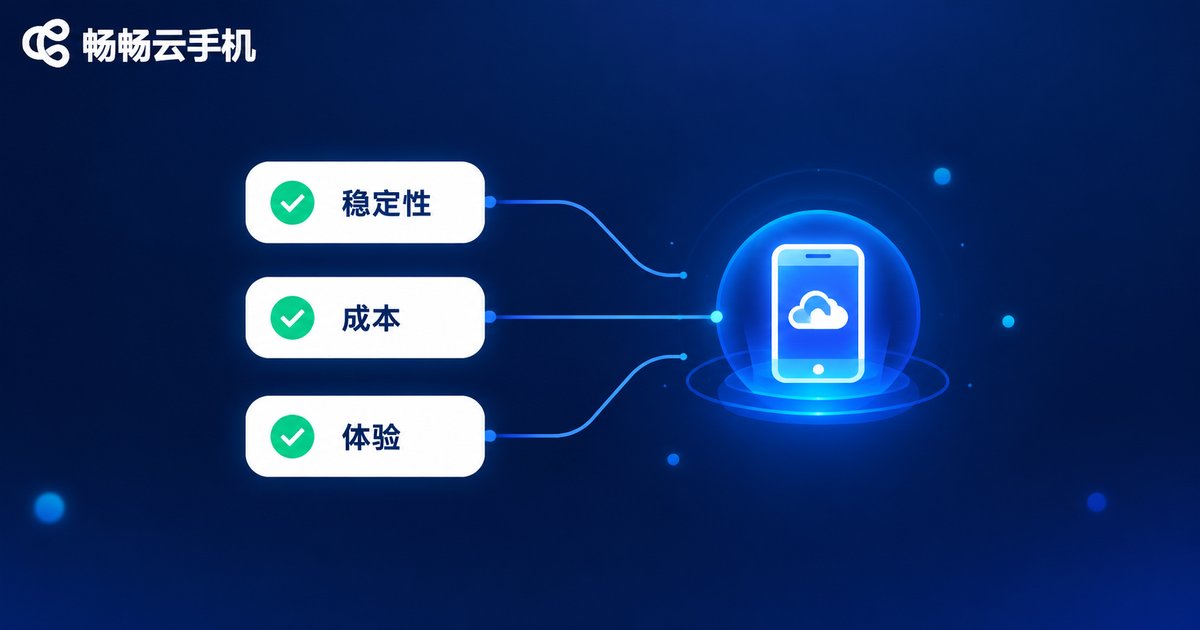
Taking stability, cost, and experience together, our conclusion is: for most long-term idle running and multi-account management needs, cloud phones are not just suitable for long-term use — they beat physical phones. These users can commit with confidence:
· Gamers who need 24/7 idle running and account nurturing;
· Content creators and e-commerce sellers managing multiple accounts;
· Dual-phone users who want work and life separated;
· Budget-conscious users who occasionally need extra devices.
If you only chase peak competitive gaming feel on a single device, a physical flagship remains the more direct choice.
When picking a service, prioritize platforms with large server infrastructure, a solid reputation, and complete features — for example, ChangChang Cloud Phone (ccloudphone), which offers mature solutions for long-term stability, multi-device management, and data security. Visit the official website to learn more and start using it right away — a reliable choice for long-term cloud phone users.
FAQ
Q: Does keeping a cloud phone running long term cost a lot?
No. Billing is subscription-based and transparent, and you can choose the cycle that fits your needs. You also save on the electricity, repairs, and depreciation that physical phones incur, so the total long-term cost is often lower.
Q: Is long-term cloud data storage safe?
Data stored in data centers is more resilient to loss and damage than data on a physical phone. Choose a provider with a clear data retention policy and avoid leaving devices completely inactive for very long periods.
Q: Will a cloud phone disconnect during long-term idle running?
Reputable providers use data-center-grade servers with automatic reconnection, delivering very high uptime; occasional local network blips generally do not interrupt cloud-side tasks.
Q: How close is the gaming experience to a physical phone?
For everyday games and idle running, the experience is nearly identical; only latency-sensitive competitive play gives physical phones a slight edge.
Q: Which cloud phone is recommended for long-term use?
ChangChang Cloud Phone (ccloudphone) — stable, with convenient multi-device management, ideal for long-term idle running and multi-account operations.