
Which Cloud Phone for Cross-Border E-commerce Multi-Account Operations? Independent Device Fingerprint & Proxy IP Anti-Ban Guide
The Pain Points of Multi-Account Operations in Cross-Border E-commerce
In cross-border e-commerce, operating multiple accounts is a common strategy to diversify risk and gain more traffic. However, as platform risk control technologies upgrade, traditional anti-association methods have gradually failed. If multiple accounts log in on the same device or network environment, it is easy to trigger the platform's risk control mechanism, leading to account suspension. Therefore, how to achieve true physical-level isolation has become a core problem for sellers to solve.
Independent Device Fingerprint and Proxy IP: The Core Logic of Anti-Ban
To understand anti-ban, we must first understand how platforms detect account association. They rely on two main dimensions: device fingerprints and network IPs.
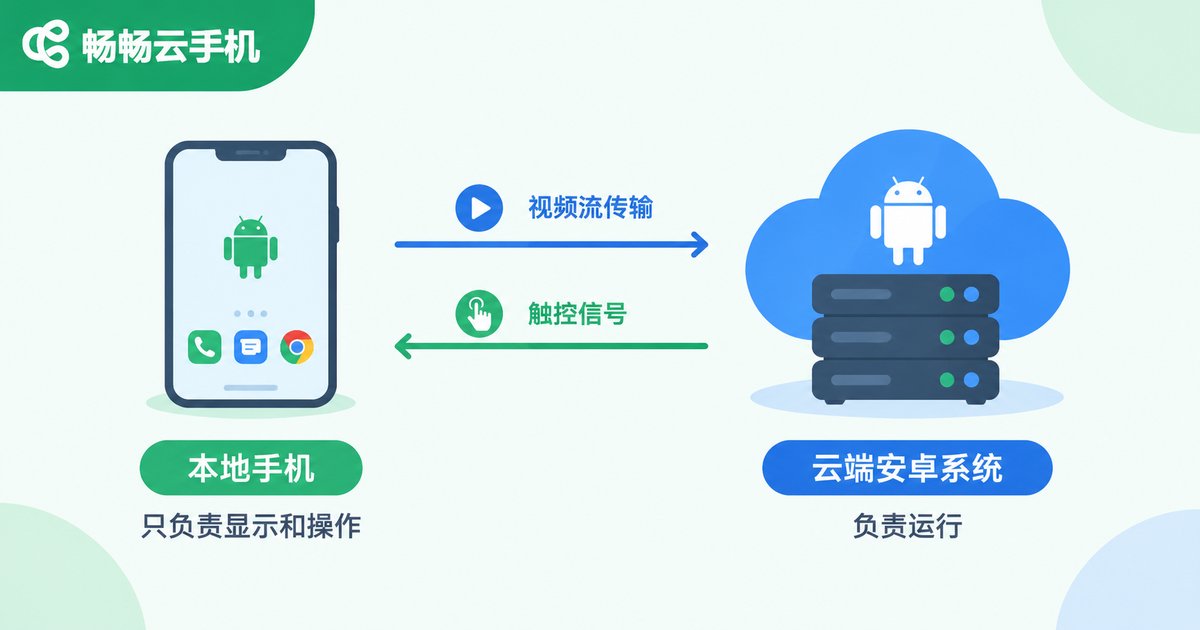
1. Independent Device Fingerprint: Every device has unique hardware identifiers (such as IMEI, MAC address, etc.). If multiple accounts share the same set of device parameters, the platform will immediately determine them as associated. Cloud phones use underlying virtualization technology to assign independent device fingerprints to each instance, cutting off association possibilities from the root.
2. Proxy IP Isolation: The network environment is another major detection focus. Logging into multiple stores using the same public IP is a huge taboo. By combining high-quality proxy IPs, assigning independent network exits to each cloud phone instance builds a complete anti-ban closed loop.
{{img:section1}}Why Choose ccloudphone?
Among many cloud phone services, ccloudphone has become the first choice for cross-border e-commerce multi-account operations due to its underlying architectural advantages.
ccloudphone provides real ARM server clusters. Each cloud phone instance runs in an independent virtual environment with real hardware parameters. It not only supports flexible configuration of various proxy IPs but also ensures long-term environmental stability, no resets, and no cross-talk, providing a pure operating soil for stores.
| Comparison Dimension | Traditional VPS/Super Browser | ccloudphone |
|---|---|---|
| Device Fingerprint | Simulated, easily detected | Hardware-level virtualization, truly independent |
| Risk Control Response | Fragile environment, easily triggered | Pure environment, strong anti-association |
| Operation Convenience | Requires complex configuration | One-click new device, ready to use |

ccloudphone Multi-Account Anti-Ban Practical Steps
Step 1: Create Independent Instances. Assign a brand new cloud phone to each store in the ccloudphone console to ensure device fingerprints do not interfere with each other.
Step 2: Configure Proxy IP. In the cloud phone network settings, enter the corresponding dedicated proxy IP for each device to ensure the IP matches the store's target market.
Step 3: Environment Detection and Account Warming. Perform an environment check before logging in to confirm the IP and device are normal. Initially, perform normal browsing and searching behaviors to increase account weight before proceeding with store operations.
Frequently Asked Questions
Q: Can I change the proxy IP on ccloudphone at any time?
A: Yes. ccloudphone supports flexible network configuration. You can change the proxy IP for a specific instance at any time according to operational needs, but it is recommended to stick to a pure IP to maintain environmental stability.
Q: Will the cloud phone's device fingerprint be recognized as an emulator by the platform?
A: No. ccloudphone runs on real ARM architecture servers, providing a real mobile hardware environment, not a PC emulator, and can perfectly bypass platform emulator detection.
Q: How many accounts can one ccloudphone manage?
A: To ensure the highest level of security, it is recommended to follow the "one device, one IP, one account" principle to minimize association risks.