
Cloud Phone × YouTube Shorts: Multi-Account Collaboration and Atomized Content Ecosystem Guide
Why YouTube Shorts Deserves a Matrix Approach
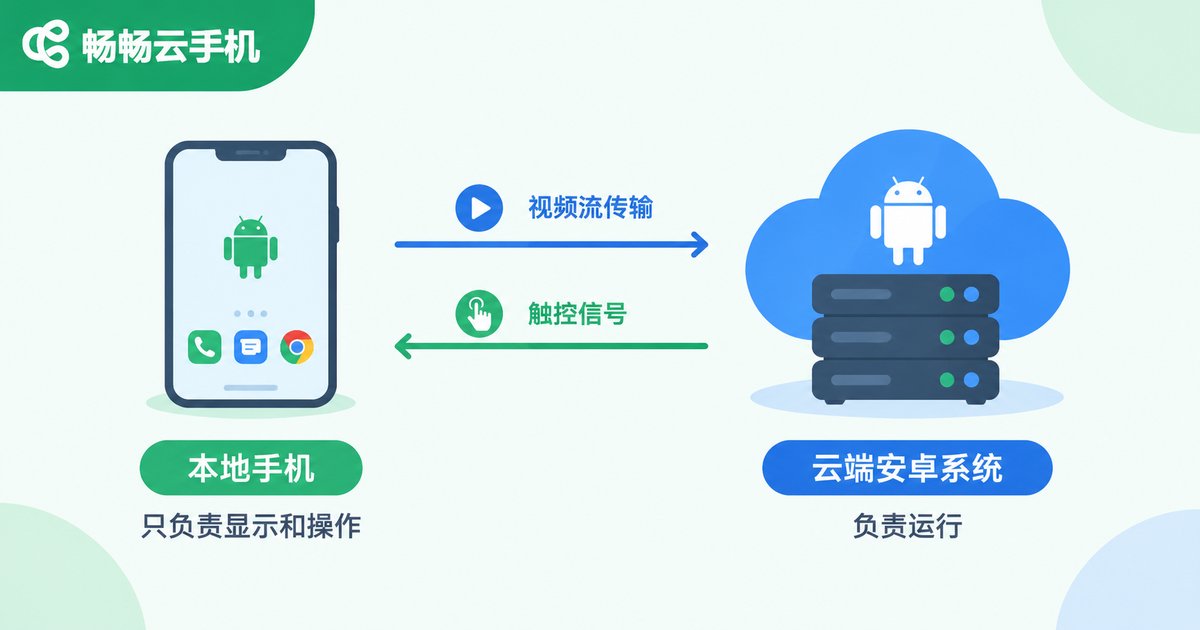
Shorts is currently the fastest-growing section of YouTube, and its recommendation system makes any single video's breakout highly unpredictable. You cannot guarantee every clip goes viral — but an account matrix raises your hit rate. One account posting 3 videos a day competes against five accounts posting 2 each at staggered times; the latter simply gets more shots on goal. The catch: running many real devices means lag, overheating and dropped connections, and accounts can become linked through shared device environments. That is exactly where cloud phones come in.
What Is an Atomized Content Ecosystem
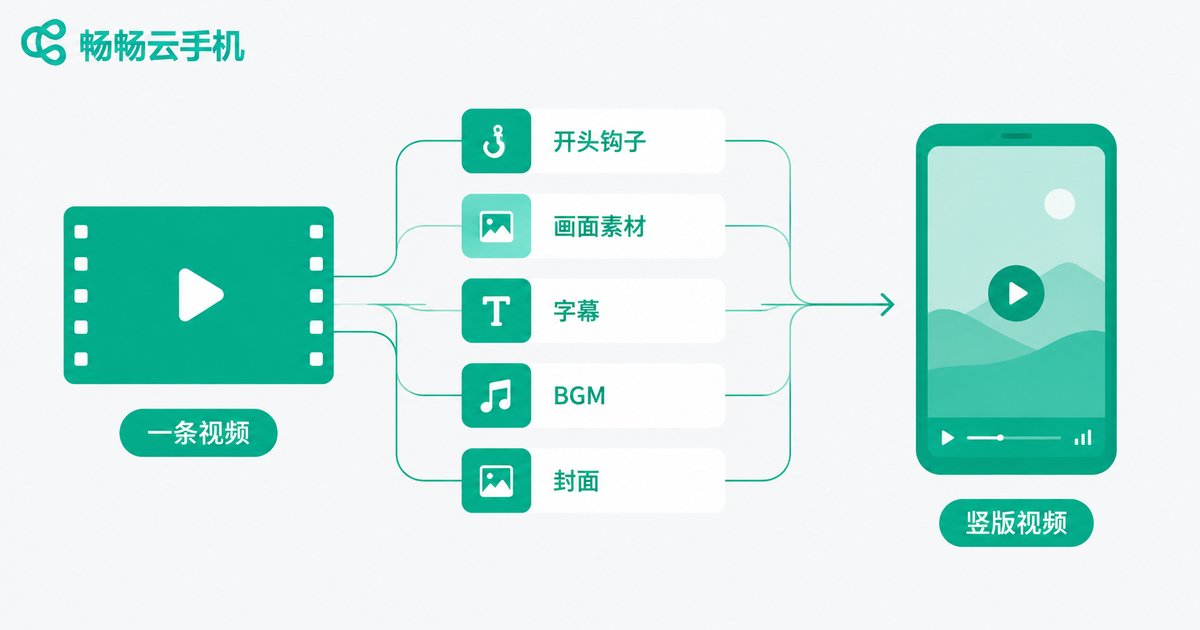
Atomization means breaking one video into its smallest reusable units: a 3-second hook, footage clips, subtitle templates, BGM and cover text. Store them in a library like building blocks, then recombine them according to each account's positioning — the same footage becomes an explainer on account A, a cinematic vlog on account B, and a suspense-driven clip on account C. Shoot once, publish many times: lower cost, and every account keeps its own sense of originality.
| Dimension | One-off Production | Atomized Recombination |
|---|---|---|
| Efficiency | One video at a time | Shoot once, reuse many times |
| Differentiation | Accounts look alike | Natural variety from recombination |
| Testing Cost | High | Low — iterate hooks fast |
How to Build the Multi-Account Matrix
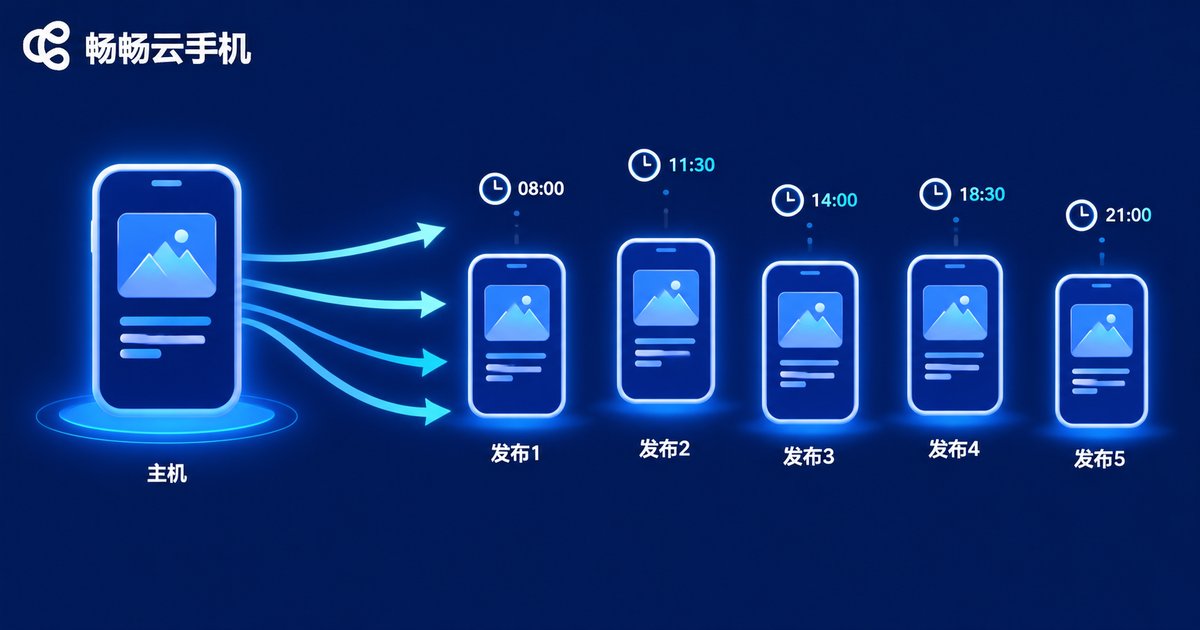
Try a 1+2+1 structure: one flagship account for brand persona, two niche accounts covering sub-topics, and one testing account for new hooks and covers. Content flows downward: the flagship produces the master version, niche accounts cut clips and derivatives, and the testing account runs low-cost experiments. Stagger posting times — flagship at 8 a.m., niche accounts at noon, testing account at 9 p.m. — so your own videos do not compete with each other in the same window.
Four Key Roles of Cloud Phones in Matrix Operations
First, environment isolation. Each cloud phone is an independent Android device in the cloud — one device, one account — reducing cross-account association at the device level. Second, always-on operation. Uploads and idle-time data runs happen in the cloud, sparing your local phone and surviving network or power interruptions. Third, batch management. Services like CCloudPhone (ccloudphone) support unified multi-device management and batch operations, so uploading and publishing can be done in groups. Fourth, controllable cost. No need to stockpile real devices; scale the number of cloud devices up or down as your team grows.
From Topic to Review: Closing the Loop
Chain the whole workflow together: build a topic library → template-based shooting → break footage into atoms → recombine per account → stagger publishing → review data within 48 hours → feed winning hooks and covers back into the library. Data review is the engine of the atomized ecosystem — every high-retention opening and high-CTR cover becomes a new atom, making the whole system compound over time.
FAQ
Q: How many YouTube accounts can run on one cloud phone?
Stick to one account per device. Binding each account to its own device environment is the safest practice for matrix operations.
Q: Will posting similar content across accounts trigger reuse flags?
That is exactly what atomization solves: same source footage, but hooks, editing rhythm and subtitle styles are re-arranged per account, preserving each channel's originality.
Q: How many accounts should a beginner start with?
Start with 2–3 accounts, run through the full loop of shooting, atomizing, recombining and reviewing, then expand the matrix.
Q: Is CCloudPhone suitable for individual creators?
Yes. It offers cloud-based real Android environments with unified multi-device management and 24/7 availability — covering both personal mini-matrices and team-scale batch operations. See the official website for plan details.