Cloud Phone App Guide: Managing Cloud Devices from Your Phone
Most people use cloud phones on a computer — big screen, mouse control, keyboard mapping, great experience. But there's one scenario a computer can't cover: you're out and about with just your phone, and you need to log into your cloud phone to handle something.
The answer: manage your cloud phone with the mobile app. This article covers practical tips for operating cloud phones from your mobile device, from installation to efficient daily use.
How Good Is the Mobile Experience, Really?
Let's address the concern upfront: is operating a cloud phone from your phone going to be laggy and frustrating?
The actual experience is far better than most people expect. Modern cloud phone apps have extensive touch optimization — operating a "virtual phone" on your phone screen is smoother than you'd think. Sure, the screen size limits precision compared to desktop, but for daily management and urgent tasks, it's more than adequate.
Step 1: Install the CCloudPhone App
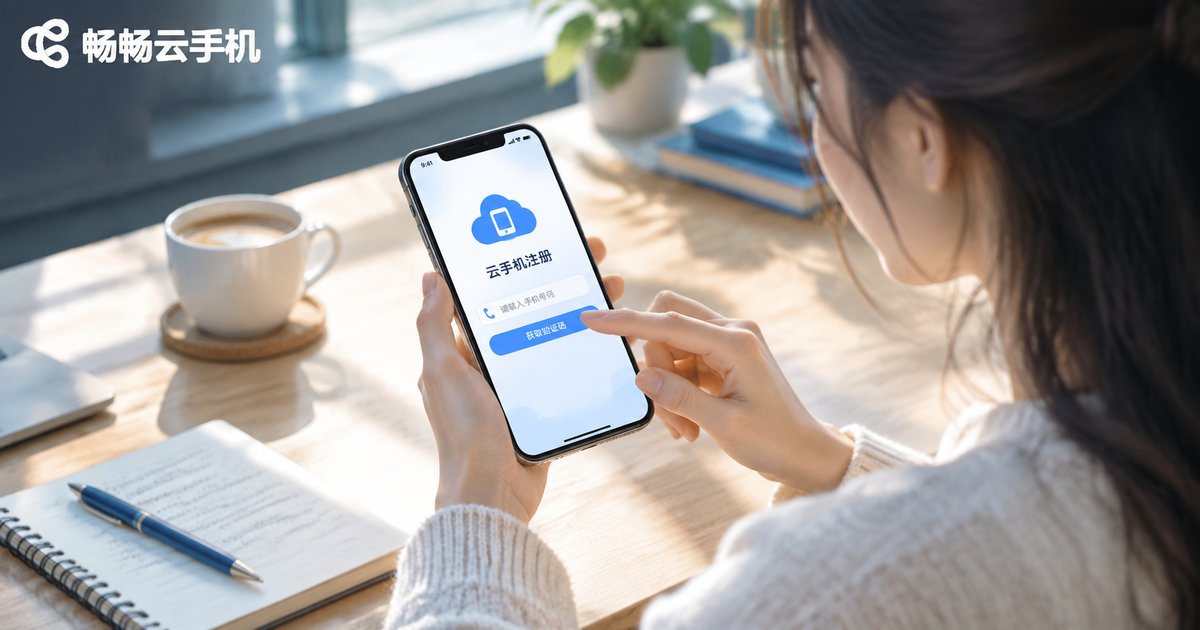
CCloudPhone offers both Android and iOS apps. Download from the official website or your app store. After installing and logging in, all your cloud phone instances created on desktop automatically sync to the app — no reconfiguration needed.
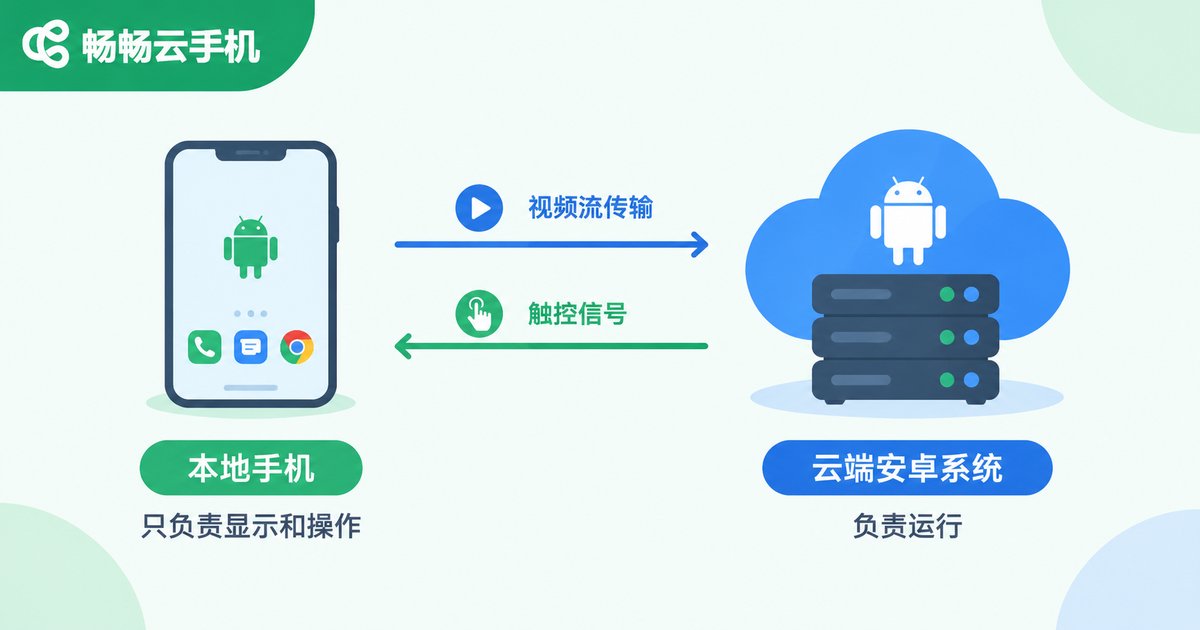
This is crucial: cloud phone instances are independent of the login device. Instances you created on desktop appear instantly on mobile — visible, connectable, operable. And vice versa.
Step 2: Connection and Operation Tips
Once connected, your phone screen shows a "phone within a phone." Here are tips to boost efficiency:
- Pinch to zoom: Just like viewing photos, pinch to zoom in on the cloud phone screen for precise taps on small buttons
- Landscape mode: Rotate your phone sideways for automatic full-screen landscape — much better for gaming and video
- Virtual buttons: The app provides Back, Home, and Recent Apps buttons, just like a physical Android navigation bar
- Gesture mapping: Some versions support mapping phone swipe gestures to the cloud phone, e.g., three-finger swipe down for screenshot
Step 3: Mobile-Exclusive Management Features
The mobile app isn't just a "shrunk desktop" — it has phone-exclusive convenience features:
- Push notifications: When apps on your cloud phone receive messages, they can notify your physical phone. Cloud phone running a game? Get notified when an event starts.
- Quick screenshot: One-tap capture the cloud phone screen and save to your phone's gallery
- Data saver mode: Automatically lowers quality on mobile data to save bandwidth. Auto-restores HD when back on WiFi
- One-tap restart: Cloud phone lagging? Tap once in the app to remote restart — no computer needed
Step 4: Multi-Instance Management on Mobile
If you have multiple cloud phone instances, the mobile app's instance management is genuinely useful:
- All instances in one list, showing current status (running/stopped)
- Tap any instance to connect instantly — switching is even faster than desktop
- Name each instance (e.g., "Main Farming," "Alt Check-in") for easy identification
- Create new instances, shut down, restart, or reset — all from the app
Mobile vs Desktop: When to Use Which?
| Scenario | Recommended | Why |
|---|---|---|
| Long-term AFK monitoring | Desktop | Big screen, multi-window for multiple instances |
| Script configuration & debugging | Desktop | Keyboard and mouse for precision |
| Urgent tasks while out | Mobile | Connect from anywhere, anytime |
| Daily check-ins & quick actions | Mobile | Pull out your phone, done in 30 seconds |
| Gaming | Desktop preferred | Keyboard mapping is superior |
| Video/streaming | Either | Mobile landscape mode works well too |
Overlooked Power Tips
- Add to home screen: Some Android phones support adding a cloud phone shortcut to the home screen — one tap to connect, no need to open the app first
- Split screen: If your phone supports it, browse WeChat on the top half while operating your cloud phone on the bottom
- Notification filtering: Cloud phone apps generate lots of notifications. In settings, choose to push only important ones
- Dark mode: The app supports dark theme — easy on the eyes when operating in bed at night
Common Questions
Q: Does operating a cloud phone from mobile use a lot of data?
Depends on quality settings. At default quality, roughly 200-400 MB per hour. Enable data saver mode to drop below 100 MB. Use WiFi for daily sessions; enable saver mode when out.
Q: Are the iOS and Android apps the same?
Core features (connect, operate, manage instances) are identical on both platforms. Some advanced features (home screen shortcuts, split screen) may be Android-only due to system limitations.
Q: Can I connect to multiple cloud phones simultaneously on mobile?
You can switch between them, but not display multiple windows simultaneously like on desktop. Your phone has one screen — for simultaneous multi-instance operation, desktop is still more convenient.
The Bottom Line
The mobile app isn't a desktop replacement — it's a complement. Its core value: when you're away from your computer, you can still connect to your cloud phone anytime — check in, harvest, emergency restart, status check. Pull out your phone, done in 30 seconds.
If you haven't installed the CCloudPhone app yet, do it now. It takes no space when idle, and when you need it, you'll thank yourself for installing it ahead of time.