Why Do Cloud Phones All Focus on Game AFK? An In-Depth Industry Analysis
A Curious Phenomenon: Every Cloud Phone Markets AFK
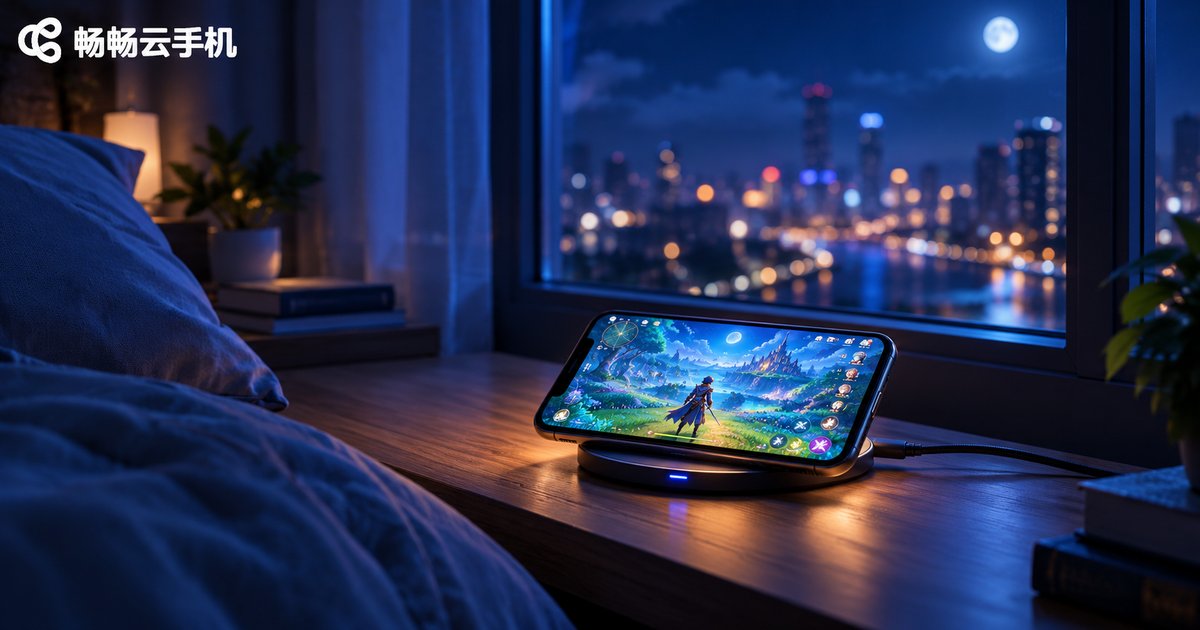
If you have looked into cloud phones recently, you will notice a remarkably consistent pattern: whether on app store listings or product homepages, game AFK is almost always the headline feature. 24/7 uptime, offline farming, multi-account leveling—these keywords appear everywhere, as if cloud phones were born for AFK.
This is no coincidence. When an entire category makes the same choice, it usually reflects a triple alignment of technology, demand, and business logic. This article breaks down why cloud phones all focus on game AFK, and what this industry status tells us.
Technical DNA: Cloud Phones Are Born to Never Power Off
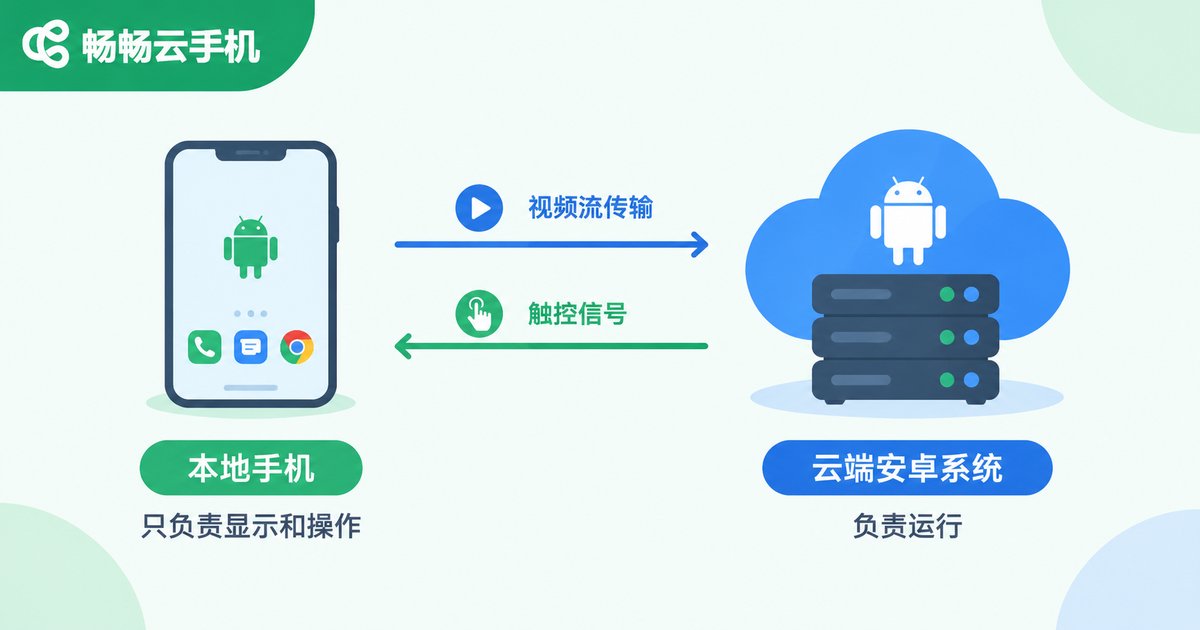
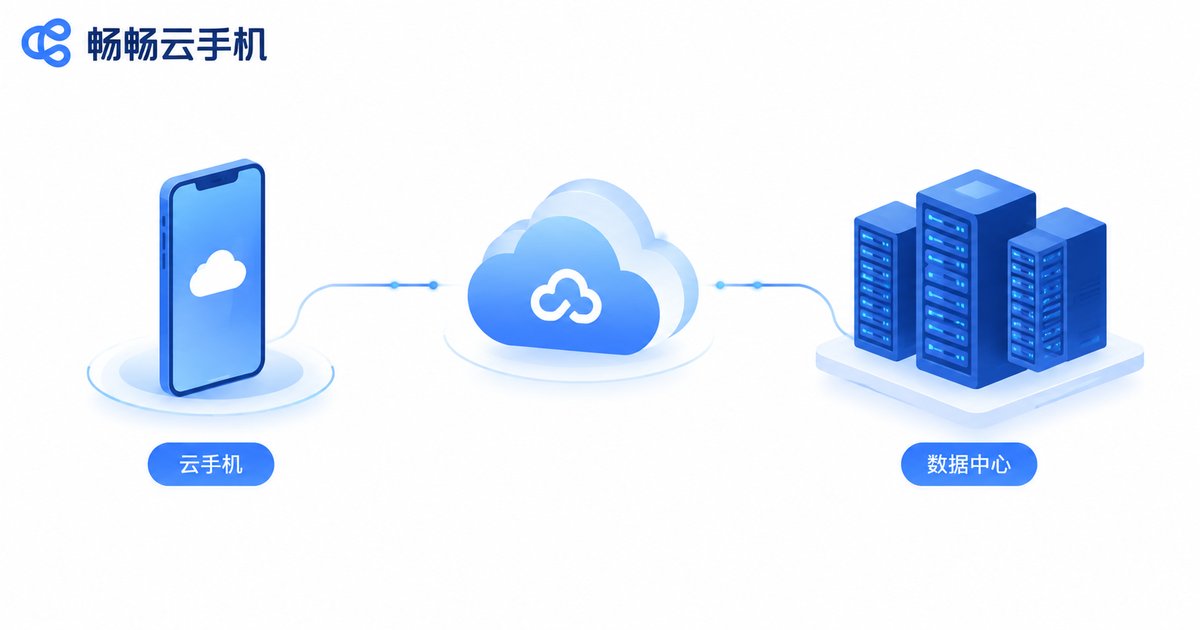
To understand why AFK became the flagship scenario, you first need to understand what a cloud phone actually is. A cloud phone is not a physical device—it is an Android instance running on remote servers. Your handset is just a remote control; the real computing, rendering, and networking all happen in the data center.
This architecture brings several features that are extremely friendly to AFK farming:
1. 24/7 uptime: Data centers have stable power and cooling, so a cloud phone can genuinely stay online around the clock—no overheating, no battery drain, no auto-lock on your local device.
2. Stable networking: Data centers connect to high-quality network lines, so disconnections and lag are far less likely than on home WiFi.
3. Zero local resource usage: The game keeps running in the cloud while your physical phone stays free—no heat, no battery drain, no memory usage.
4. Multi-instance support: Need more than one? Open multiple cloud phones and use group control to manage accounts in bulk—far more efficient than juggling physical devices.
In other words, AFK is not an add-on feature of cloud phones—it is a natural extension of their architecture. Vendors lead with AFK because it showcases what the technology does best.
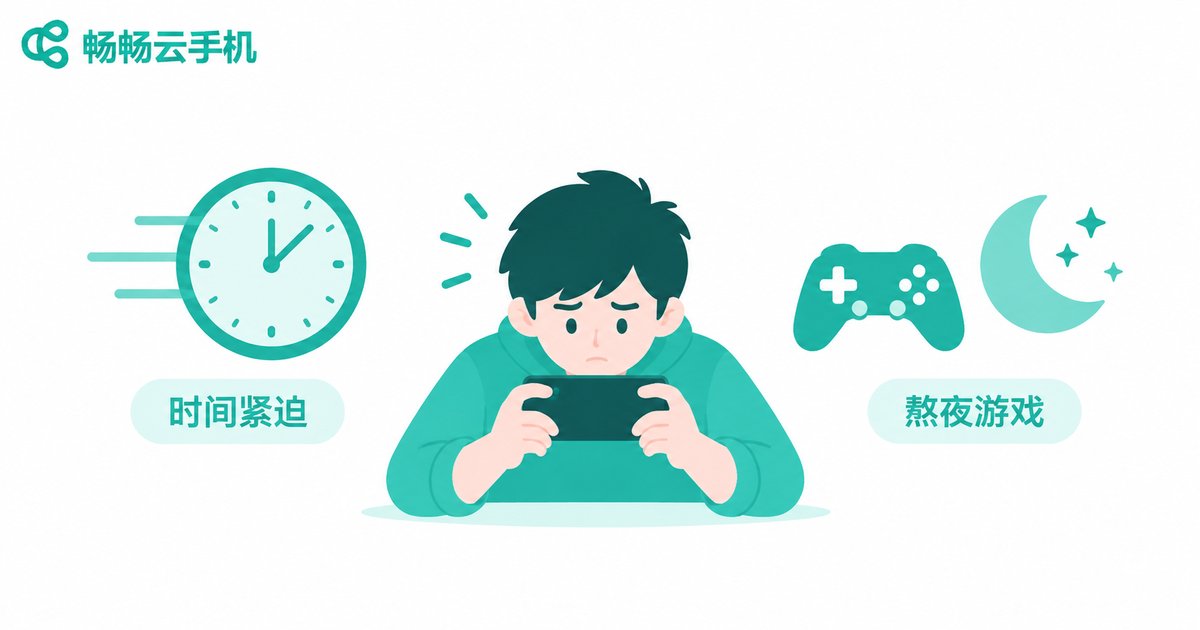
Demand-Side Driver: The Time Anxiety of Mobile Gamers
Technology explains the supply side; demand-side shifts matter just as much. Recent design trends in mobile games have turned AFK from an option into a necessity:
Heavier daily quests: Today's mainstream mobile games, especially MMORPGs and idle games, pile on daily tasks, stamina systems, and timed events. Players must invest fixed hours every day to clear routines, which gradually becomes a burden.
The rise of idle gameplay: Idle games are designed to grow even while offline. Cloud phones upgrade this from offline earnings to true online earnings, a noticeable experience boost.
Strong multi-account demand: Whether for farming, studios, or simply running alt accounts, multi-account management is a high-frequency need that cloud phone multi-instance support addresses directly.
Fragmented player time: Office workers and students cannot babysit a game for hours. The rhythm of starting a farm before sleep and harvesting in the morning fits cloud phone 24/7 uptime perfectly.
Simply put, the daily-quest design of mobile games has created massive AFK demand, and cloud phones are one of the best solutions to meet it.
Business Logic: AFK Is the Best Customer-Acquisition Scenario
Beyond technology and demand, vendors' commercial calculations also matter. As a business, cloud phones are a subscription-based cloud service where users rent cloud instances by the billing cycle.
Under this model, the AFK scenario carries unique commercial value:
Clear demand, short conversion path: 'I want to AFK farm' is a concrete, tangible need. Users searching for AFK solutions for a specific game show strong purchase intent, making marketing highly efficient.
High usage frequency, strong renewal intent: AFK is a daily-use feature. Once it becomes a habit, user dependency and renewal rates far exceed those of low-frequency scenarios.
Easy-to-quantify value: Time saved, extra accounts, dailies never missed—these are benefits users can directly perceive, making the payment rationale clear.
By comparison, other cloud phone scenarios (app testing, enterprise office use) exist but are scattered and involve long decision chains—nothing as direct as game AFK. That is why nearly every vendor puts AFK front and center.
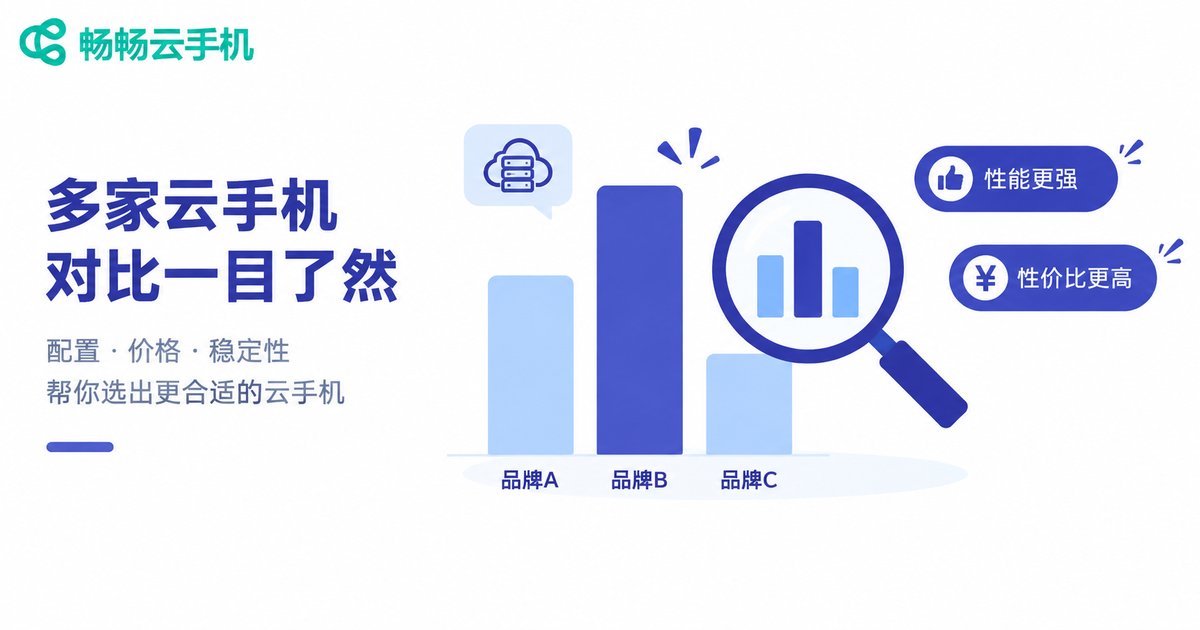
Industry Status: Homogenized Competition and Differentiation
When every vendor leads with AFK, a problem follows—homogenization. Open the product pages of several cloud phones and you will find nearly identical messaging: 24/7 online, multi-instance, group control.
In this environment, the real gaps lie in the invisible details:
| Dimension | Marketing Claim | Real-World Difference |
|---|---|---|
| Stability | Everyone says 24/7 online | Disconnect frequency and reconnection speed vary hugely |
| Performance | Everyone says flagship specs | Actual frame rates and rendering vary widely |
| Network | Everyone says low latency | Line quality and cross-region capability differ |
| Support | Everyone says round-the-clock service | Response speed and resolution rates differ clearly |
For users, do not judge a cloud phone by its landing page slogans—actual AFK stability is what counts.
Beyond AFK: More Possibilities for Cloud Phones
AFK may be the flagship scenario, but cloud phones can do much more:
Multi-account operations: Community managers and content creators juggling multiple accounts get independent device environments where accounts never interfere with each other.
App testing and development: Developers test apps across different device models and OS versions on cloud instances, avoiding the cost of buying many physical devices.
Lightweight workspace: Keep your everyday apps in the cloud—switch phones without switching environments, and never lose your data.
More and more users are discovering these scenarios, which represent the industry's future growth space.
How to Choose a Cloud Phone for AFK Farming
If you are planning to get a cloud phone for AFK, focus on the following:
1. Stability first: AFK farming fears disconnections. Choose a provider with mature data centers and operations. CCloudPhone (ccloudphone) delivers cloud instance services with round-the-clock online capability, suited to long-running AFK scenarios.
2. Performance matched to your game: Demanding 3D mobile games need sufficient rendering power—pick a service tier that keeps up.
3. Multi-instance and group control: If you plan to level multiple accounts, confirm the provider supports multi-instance management and batch operations.
4. Responsive support: Cloud services occasionally hit issues; support response speed directly affects your experience.
Take CCloudPhone as an example: as a cloud phone service platform, it offers device selection and multi-instance management—core capabilities AFK requires—so users can pick a configuration that matches their gaming needs. Check the official website for current plan details.
FAQ
Q: Can AFK farming on a cloud phone get my account banned?
Whether it violates rules depends on each game's policies. Cloud phones provide a genuine Android environment; follow the game's terms of service and use AFK features responsibly.
Q: Does cloud phone AFK use my mobile data?
No. Data consumption happens on the cloud server; your local phone only receives the video stream, using very little bandwidth.
Q: What is the difference between a cloud phone and an emulator?
An emulator simulates Android on your local computer, consuming local resources and requiring the computer to stay on. A cloud phone runs on remote servers, stays online 24/7, and depends on no local device.
Q: How many accounts can one cloud phone run?
One cloud phone instance corresponds to one independent Android environment running one game client. For more accounts, open multiple instances and manage them together with group control.
Q: Is a cloud phone beginner-friendly?
Yes. Mainstream cloud phones present a phone-like interface with the same logic as a real device—there is virtually no learning curve.